HOSTAGE MOVIES and, in particular, HOSTAGE NEGOTIATION MOVIES premiere every year, but only some of the many become famous and iconic. I’ve decided to emphasize those sorts of kidnapping movies where terrorism or gaining money is not the main motivation for those who take hostages within banks or other places. Some self-made criminals want to define justice or clean up their reputations. Some are ready to sacrifice their health, prosperity, or even life on behalf of another beloved person. Some have obtained financial prizes but figured out another crime of conscience and morality. Every one of these four hostage negotiation movies, which I’ve watched more than 20 times altogether, is analyzed based on four main characteristics.
The image of the protagonist, a hostage-taker: Sonny Wortzik, Danny Roman, John Q, and Dalton Russell.
Negotiator opposite the door or telephone line.
The core altruistic motive and goals in the very end
Hostages and their participation in negotiations and situations generally
DOG DAY AFTERNOON (1976)
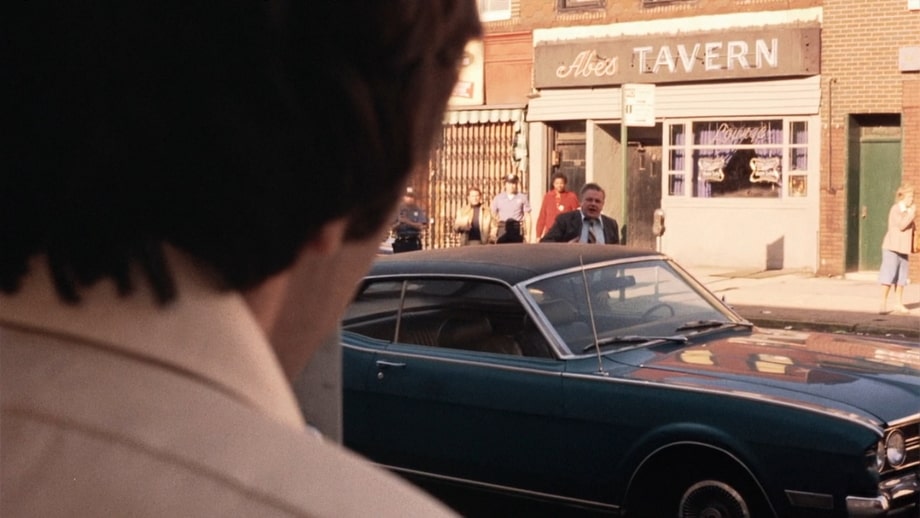
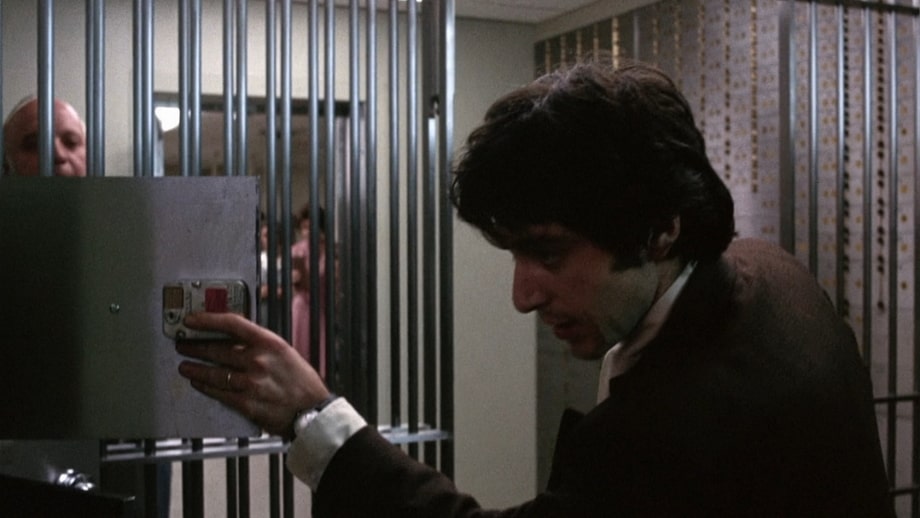
One hot summer day, three men (one soon leaves) break into the American bank department in Brooklyn to take money. Planned as a 5-minute job, this bank robbery turns out to be a horrific accident involving abductees and 250 policemen, and FBI agents outside the door. Hundreds of people from the city come here to watch this kind of show for the mass media. Bank robbers and hostage-takers are just a couple of losers who failed their simple plan. Negotiation with the police is slow, especially with some internal disputes and personal problems of the main participants.
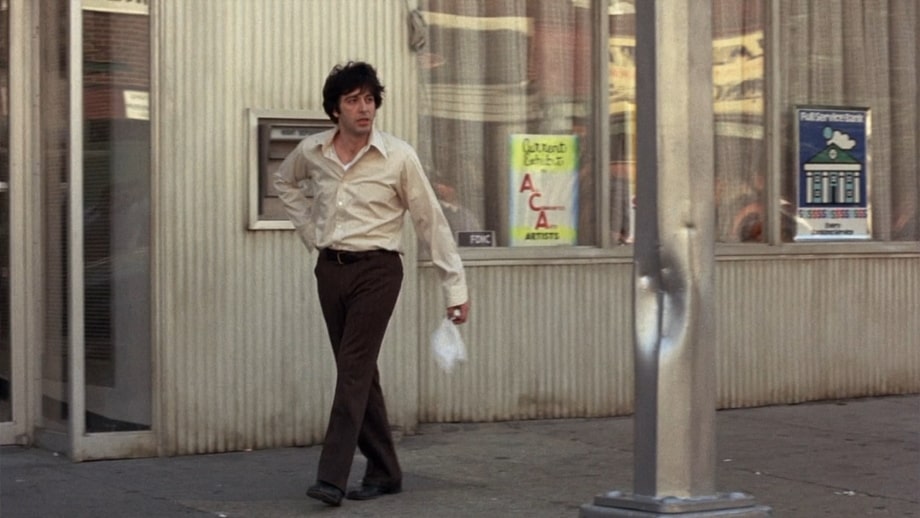
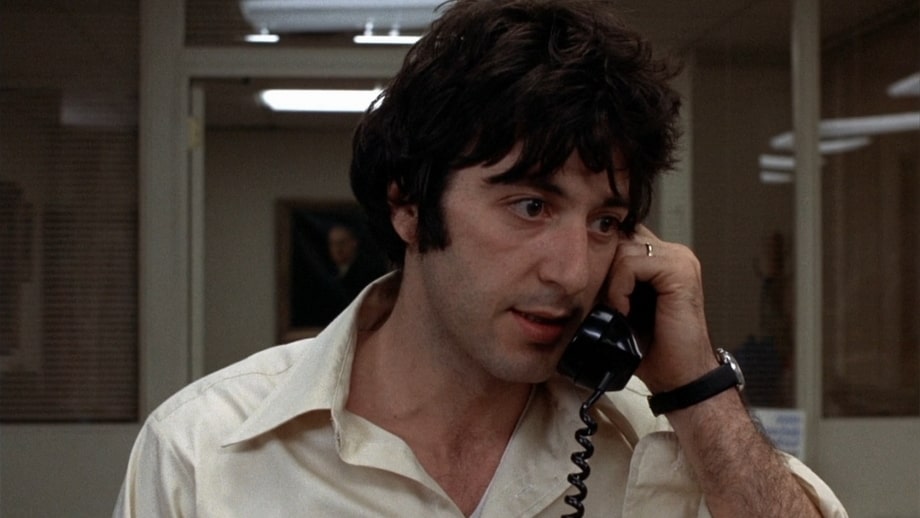
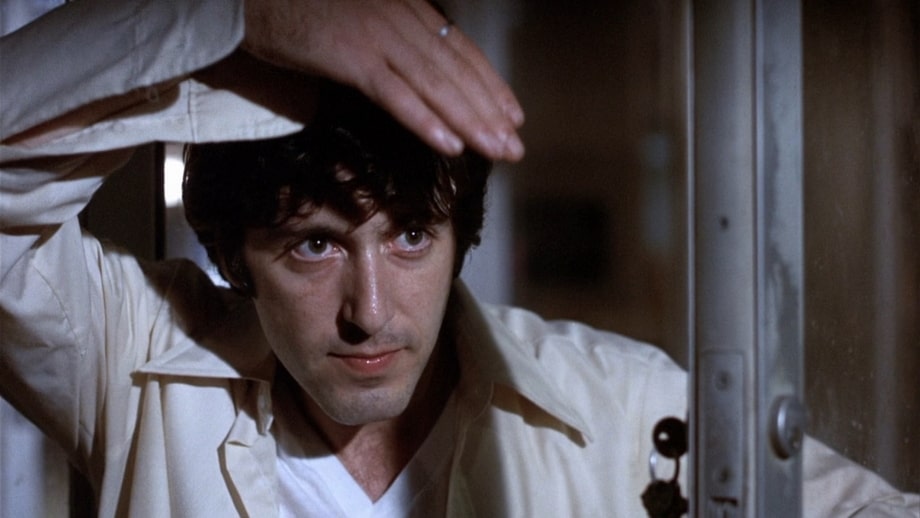
The bank robber: Sonny Wortzik (Al Pacino). ‘Dog Day Afternoon’ is the only of four hostage negotiation movies based on true events; its protagonist is a reflection of a real person, John Wojtowicz. He is about thirty years old and decides to rob a bank to gain money for his homosexual husband to perform gender confirmation surgery. We initially figured out that Sonny did not have a sophisticated plan for this event. This robbery was based on some preliminary inside information, Sonny’s former experience as a clerk, and the imaginary necessity to gain this sum of money (2500). Sonny also has pure commonality with classic terrorists and bank robbers. Despite his threats, he can’t harm people in a bank. He turns out to be a weak, unhappy person with two collapsing families without any moral support for his actions.
The ultimate goal is surgery for a homosexual husband. From this perspective, ‘Dog Day Afternoon’ is a classic example of a movie about hostage negotiations with altruistic motives. Sonny comes to a desperate action after finding plenty of excuses not to earn money differently. They find only 1100 dollars within the bank storage instead of the expected sum for three robbers. Even on the edge of his life, Sonny dictates his will, giving all his poor belongings to his wife and husband, whom he loves. Dog Day Afternoon depicts him as the almost ultimate altruist, who complains and sorrows only as a matter of frustration.
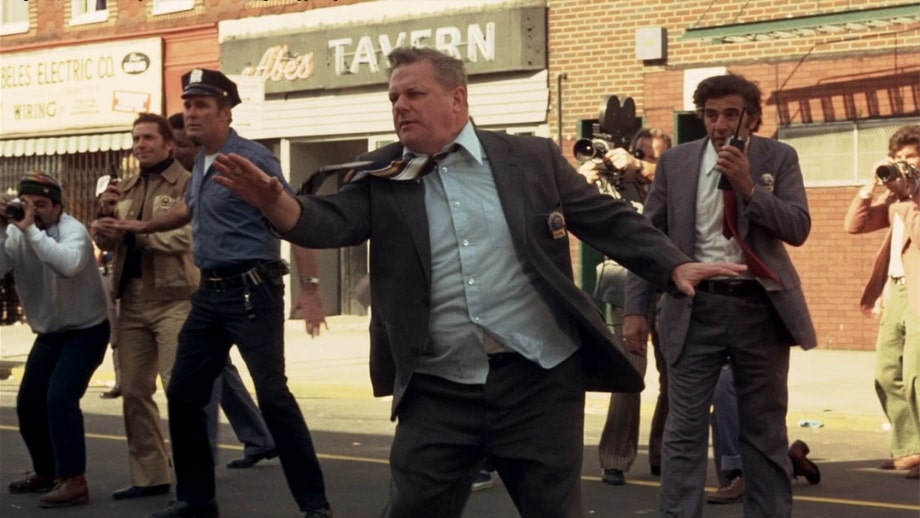
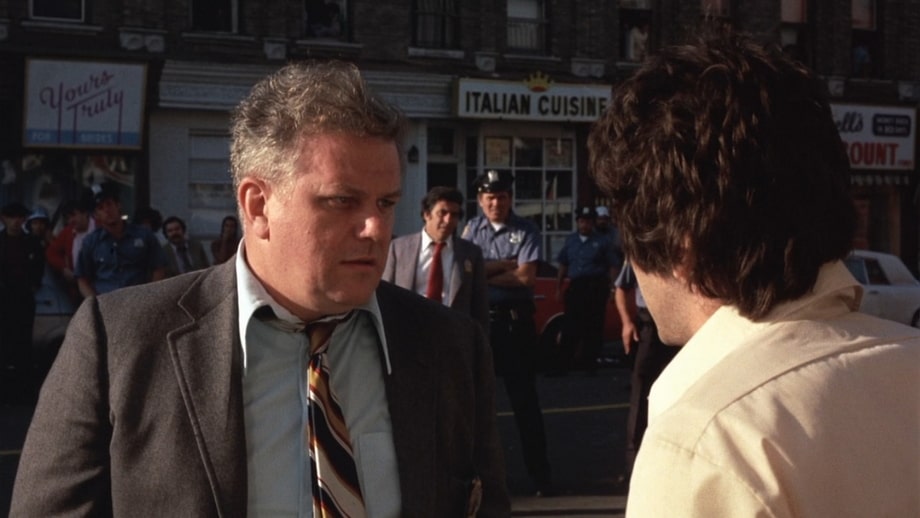
Police negotiator: Sergeant Eugene Moretti (Charles Durning). This negotiator is, with all respect to the actor, the most boring of these four hostage negotiation movies and kidnapping films. Sergeant Moretti does his best to maintain some elusive control over the negotiations and overall situation and save the lives of abductees, being kidnapped against their will. He was even ready to suffer humiliation from the bank robber to hold some balance. Moreover, while listening to Leon, Moretti does not express any peculiar individuality, not ready for some back plan; he expresses indifference to Sonny’s motives. Moretti is depicted as a typical representative of the system, opposite Sonny’s belief and white flag, shouting “Attica”.
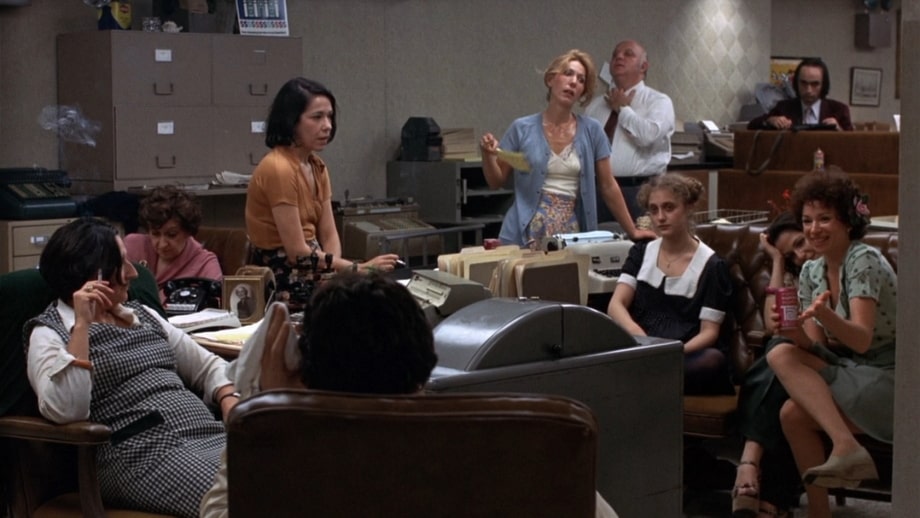
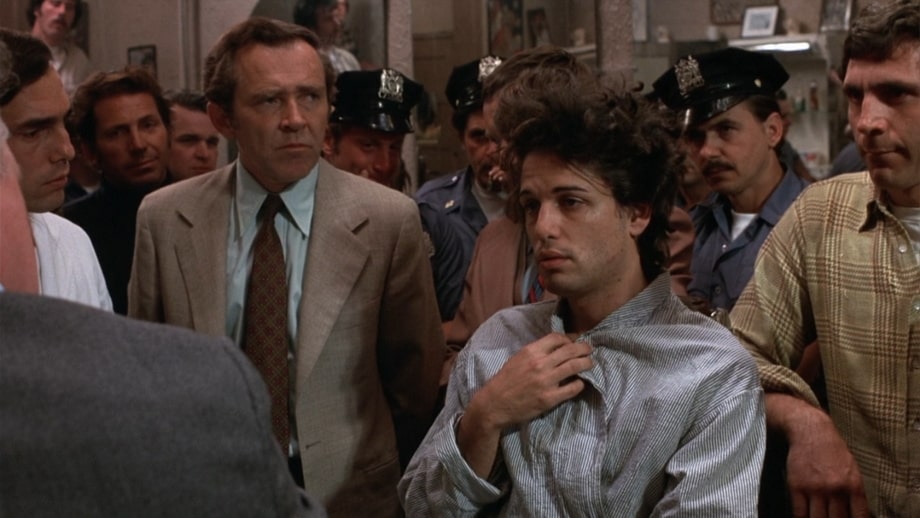
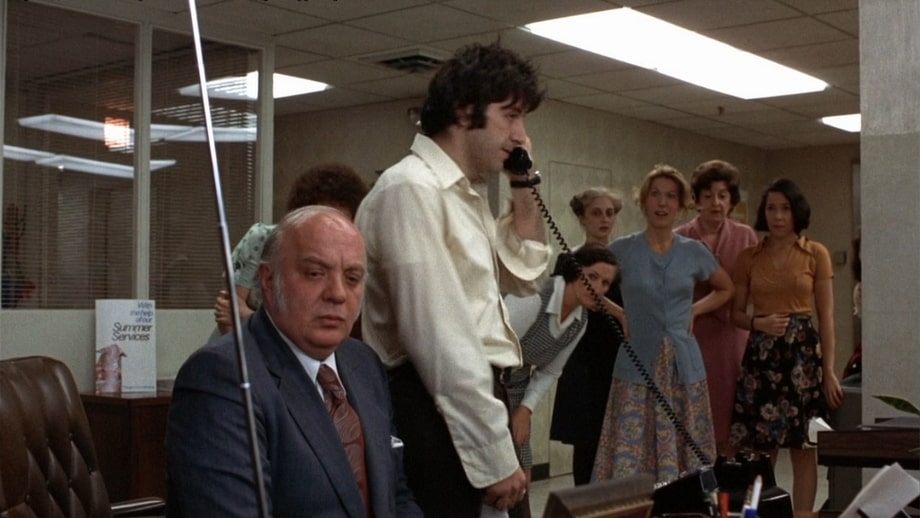
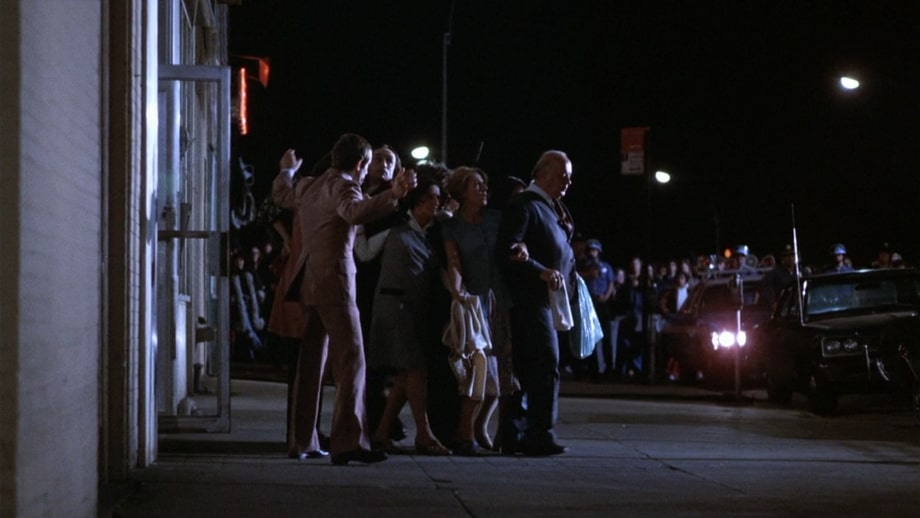
Hostages. People stacked in the Brooklyn Bank gradually take a liking to Sonny as a person and a victim of the situation himself. We see the same pattern in “Negotiator” and “John Q”. Eight women and a manager who is in shock at what is happening, but in due course, they accept a game plan of negotiations. Sonny even trusts them to do almost what they need and want within the bank premises, and the abductees do not intend to break out onto the street. They even support their taker Sonny, and a manager apologizes for his tough behavior.
NEGOTIATOR (1998)
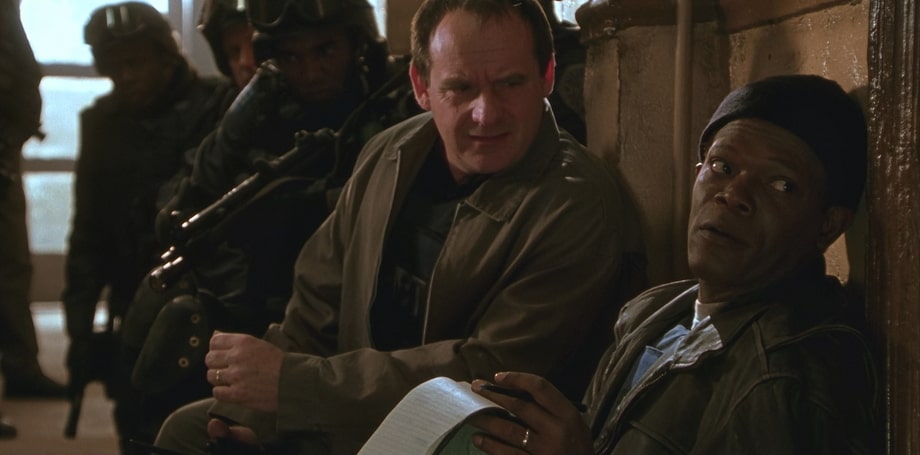
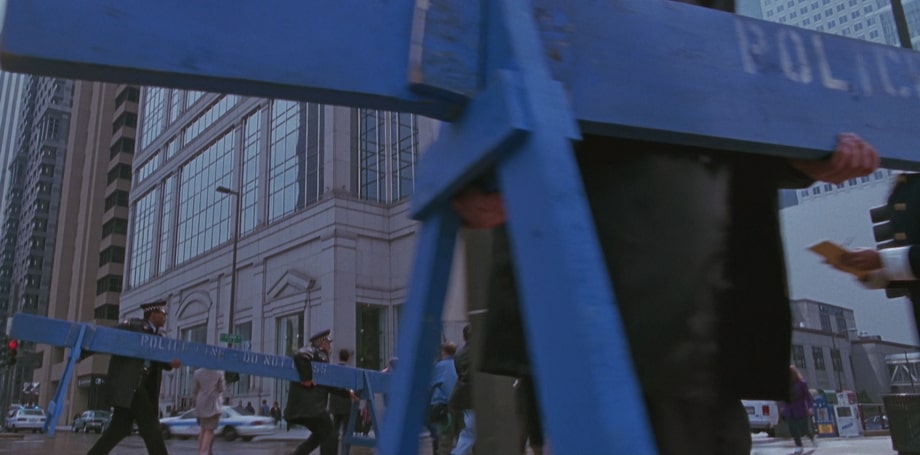
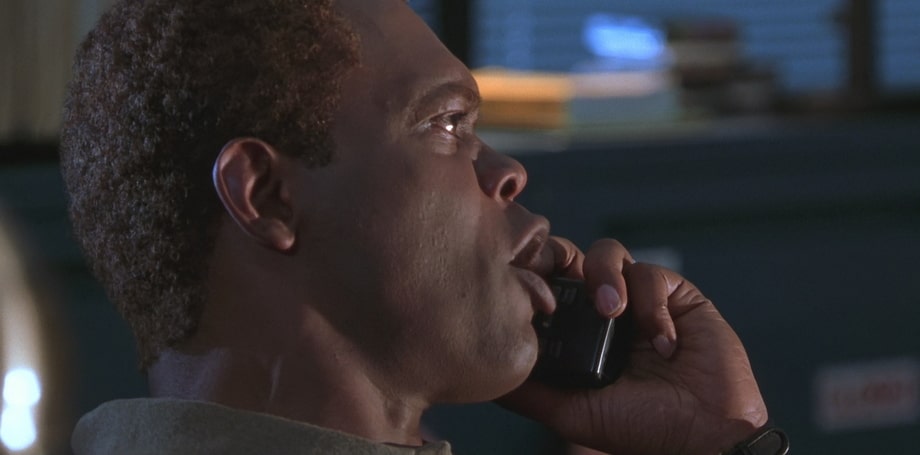
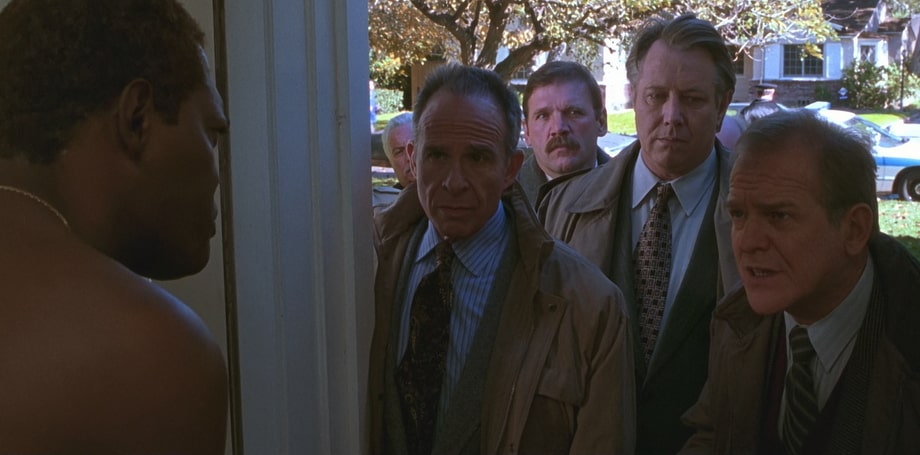
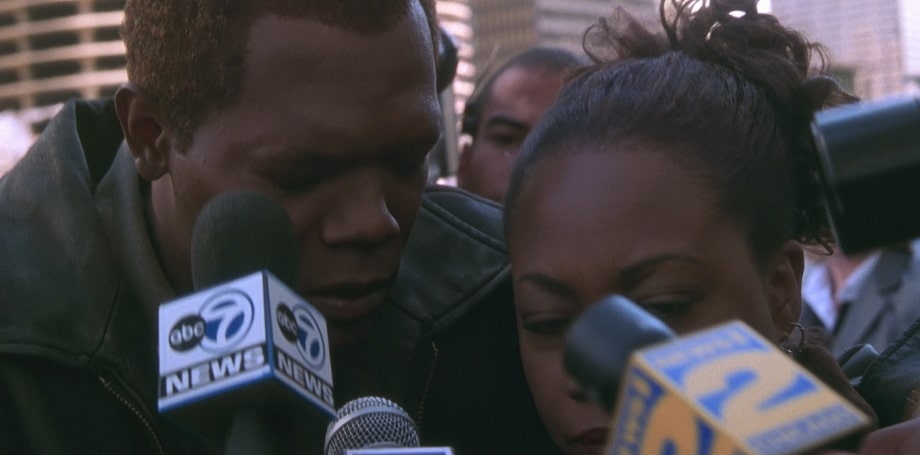
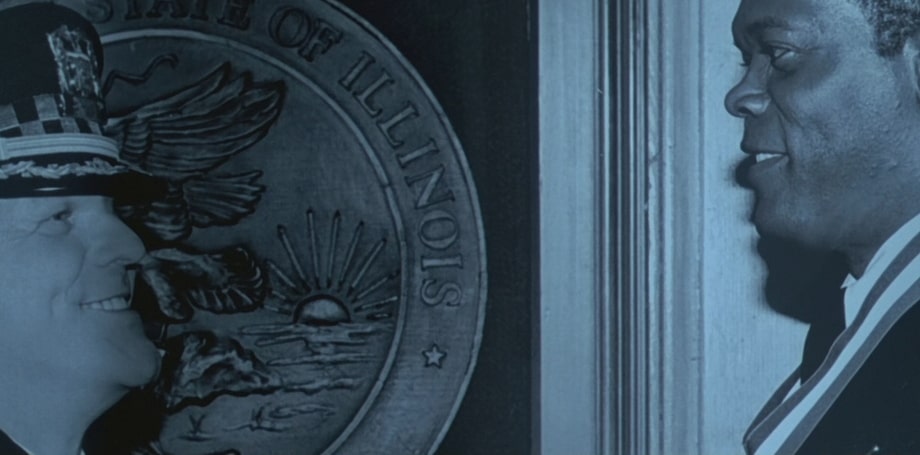
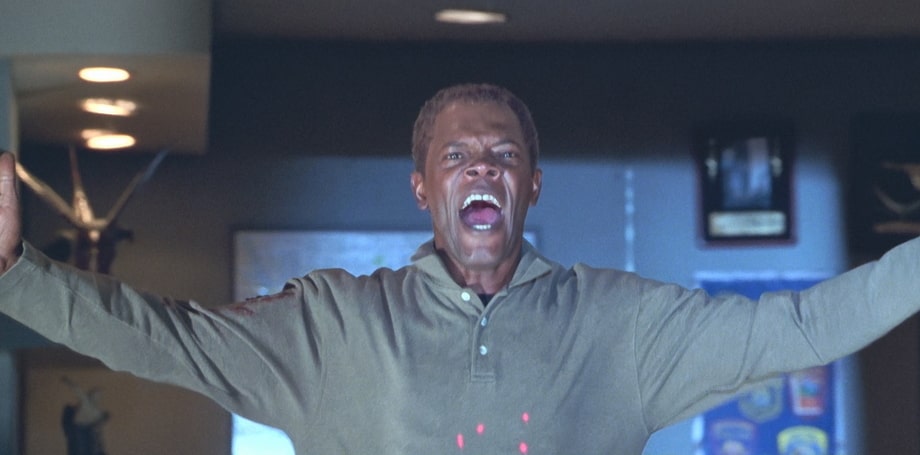
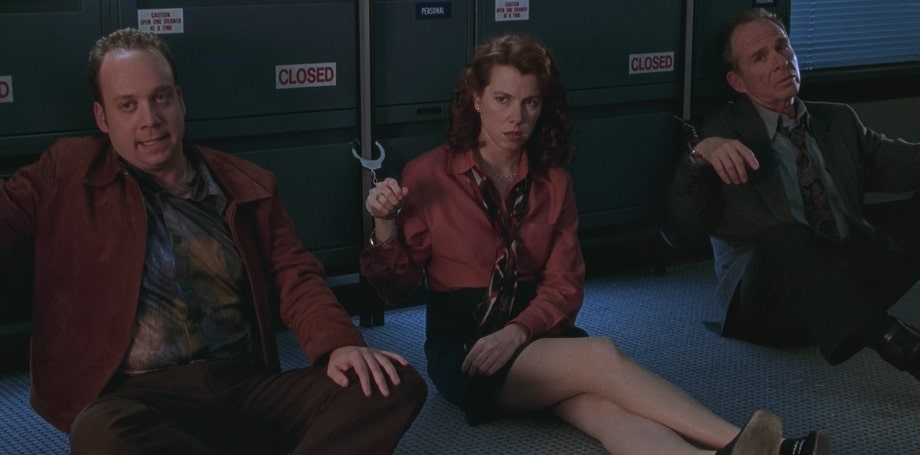
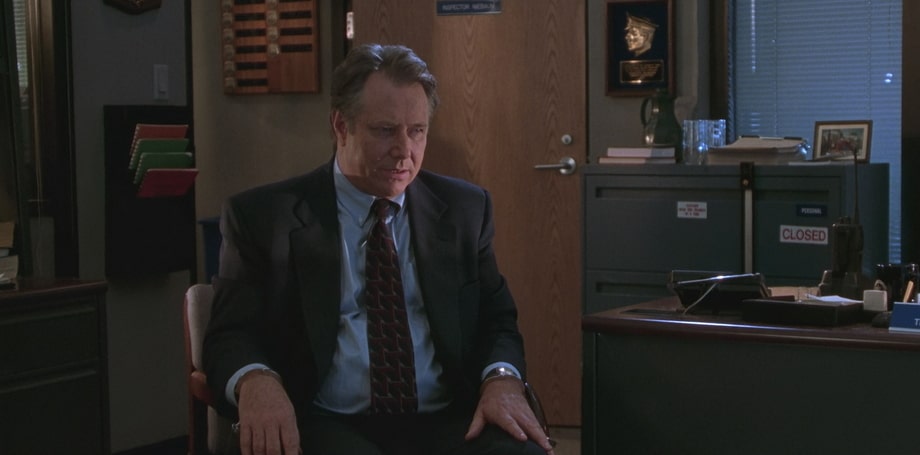
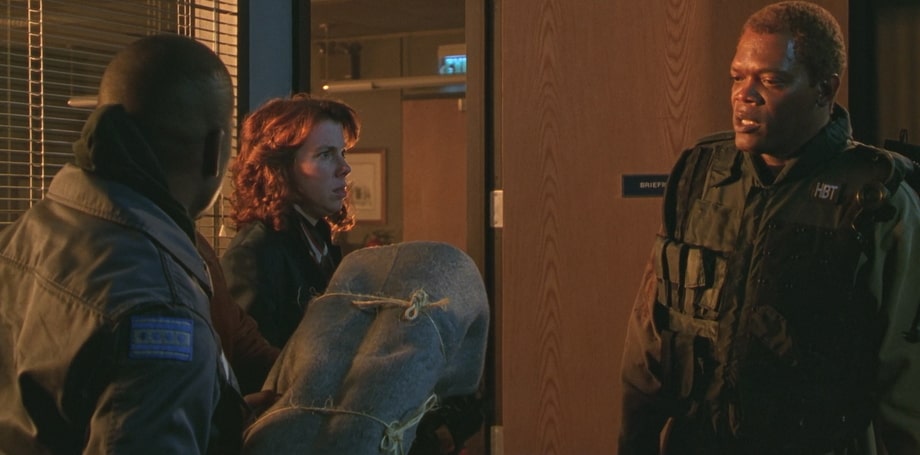
Lieutenant Danny Roman, a Chicago police negotiator (performed by Samuel L. Jackson), is now under investigation for corrupt practice and the murder of his police partner. Roman is being humiliated and has lost his job—he will probably end up in jail and lose his family in fruitless attempts to defend himself after being wrongly accused. During some tough dispute in the Internal Affairs Department, Danny takes people to attract attention to his situation, and citizens, mass media, police, and the FBI come here from the very city. Roman struggles for his good name and justice. He wants to figure out those in the police department who are so corrupt as to steal money, kill colleagues, and set another man up for his crimes. They will try to kill a former partner who is now a criminal. As the accidental criminal is a negotiator himself, police negotiations with him turn out to be a piece of work.
Hostage taker: Danny Roman. “Negotiator” depicts exceptional situations among hostage negotiation movies and kidnapping movies, as we see a police officer as a criminal. Police now deal with a former colleague who knows the system inside and is aware of all methods of operations and negotiation techniques. Danny Roman has close relations with people who now do their best to release abductees and, probably, to eliminate the criminal. He has 20 years of police experience. The protagonist here is a negotiator himself and can stress other professionals and even make acts of provocation. Roman is the most unusual protagonist of these four.
The ultimate goal is justice and a good name. As with other similar movies, where the criminal is a kind of altruist, Danny Roman does now want money. He wants to figure out who has set him up and killed his partner. His additional demand deals with possible death—to have a funeral like an officer. Along with reputation, the protagonist craves to find traitors and thieves among the police officers. People who kill for money and power. So, another ultimate goal of this hostage negotiation movie is to clean out the ranks of the Chicago Police Department.
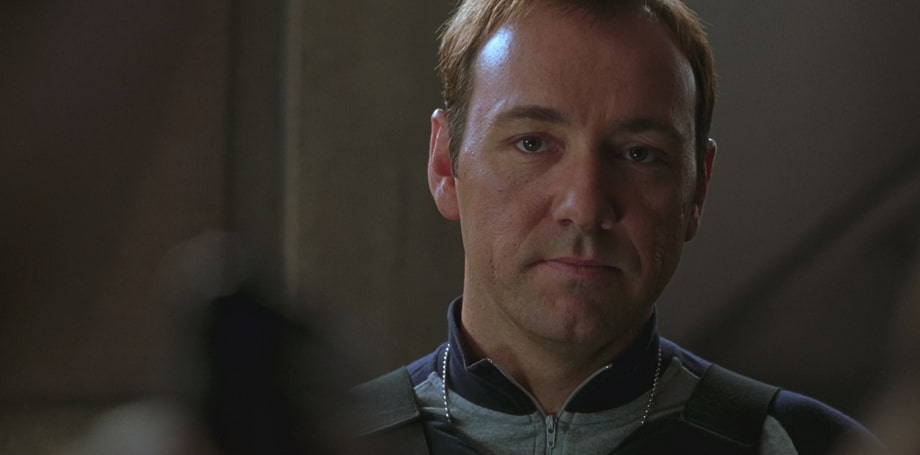
Police negotiator: Lieutenant Chris Sabian (Kevin Spacey). The “Negotiator” film presents a complex deal. A police negotiator now deals not with some crazy criminal or terrorist or a bank robber (Sonny Wortzik and Dalton Russell) or a desperate father (John Q). He finds another professional policeman on the other side of the telephone line. It becomes a big deal to negotiate with such a person and convince him of any thought. For all that, Chris Sabian does his best to solve this situation despite constant external obstacles. He makes provocations and even trusts his opponent in the very end to establish justice.
Hostages. We have fewer people in this case compared with other movies we analyze. Chief of Internal Affairs, his secretary, the Chief of the police station, a former snitch, and then another two police officers from SWAT. The protagonist plays his game to convince the public and colleagues that he intends to figure out the truth, whatever it takes. A corrupted policeman kills one abductee, and one (Frost) is released. Another starts to trust Roman and even helps him with computers and documents, concealing the real intentions of the criminal, Markus. A SWAT officer shakes Roman’s hand to support him.
JOHN Q (2002)
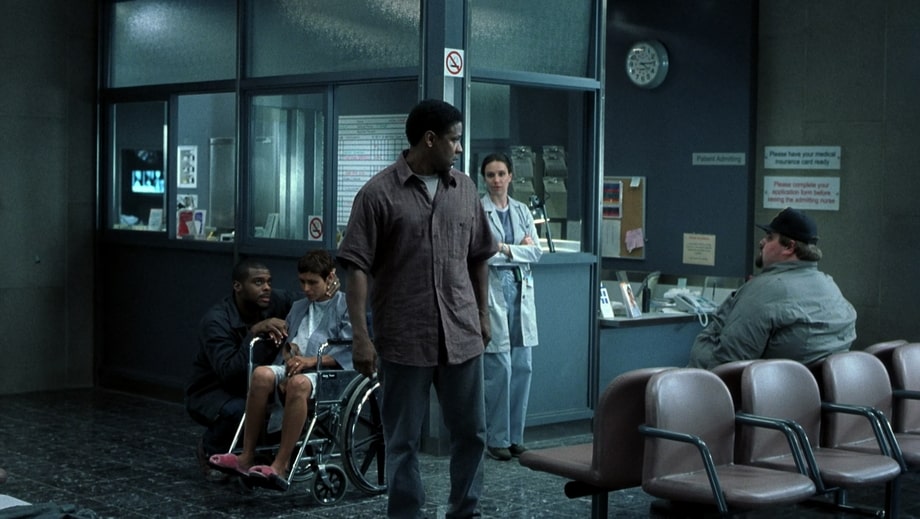
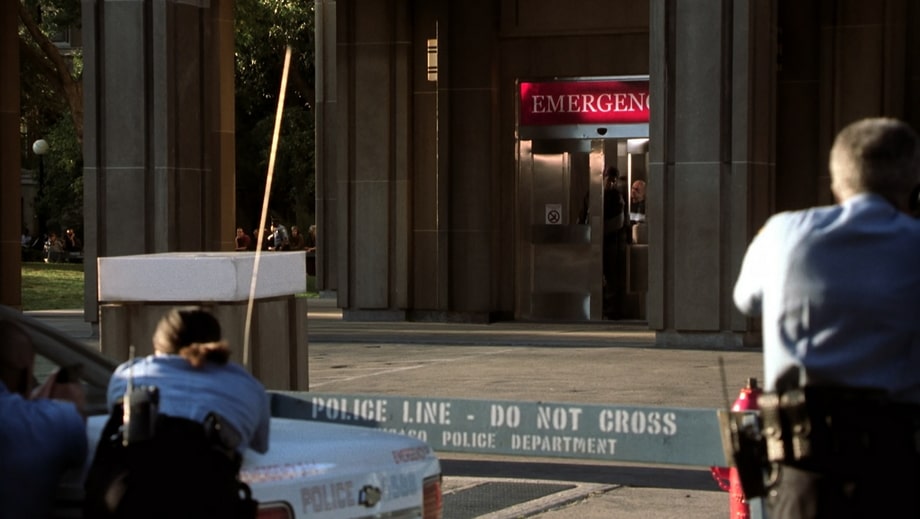
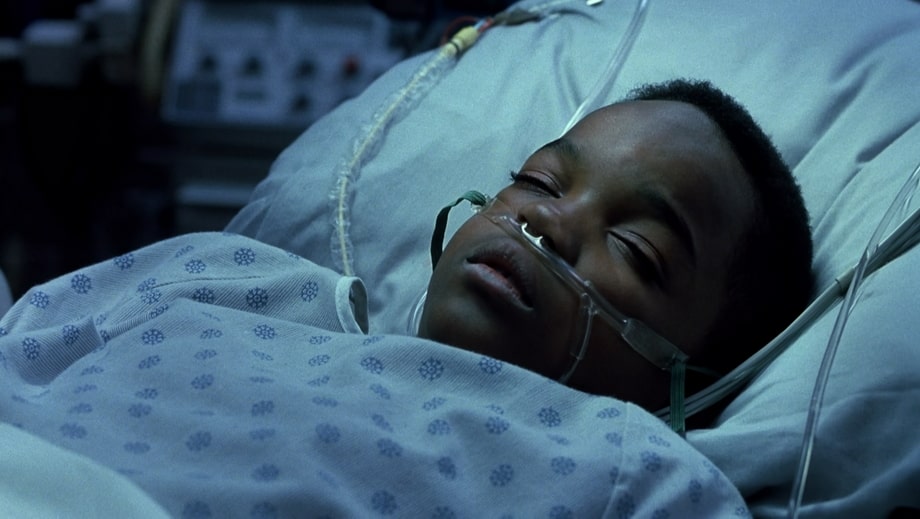
John Quincy Archibald desperately tries to gather money for the surgery of his son, who needs a heart transplant. They need 75,000 dollars only to put the boy’s name on a list. As an act of despair, John Q takes control of the hospital and takes people along with doctors, nurses, guards, and people inside. Such an extraordinary event immediately attracts the attention of the publicity that surrounds the hospital building.
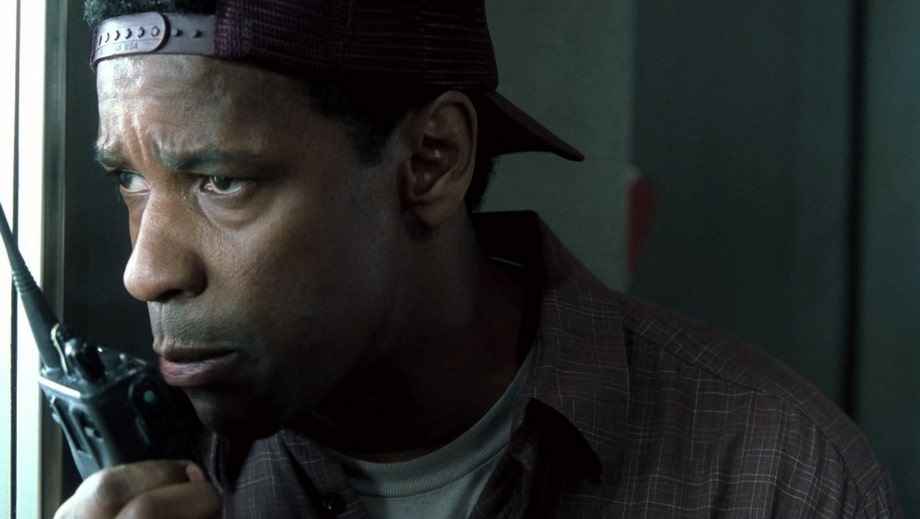
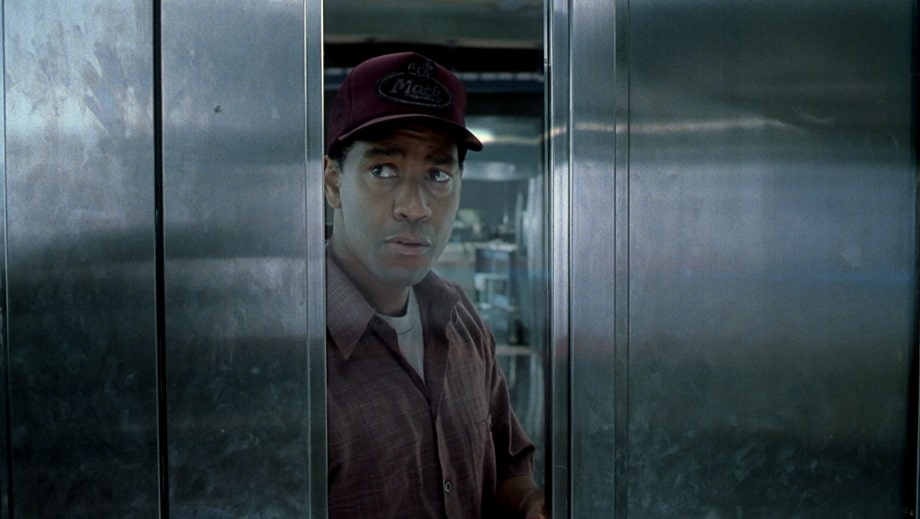
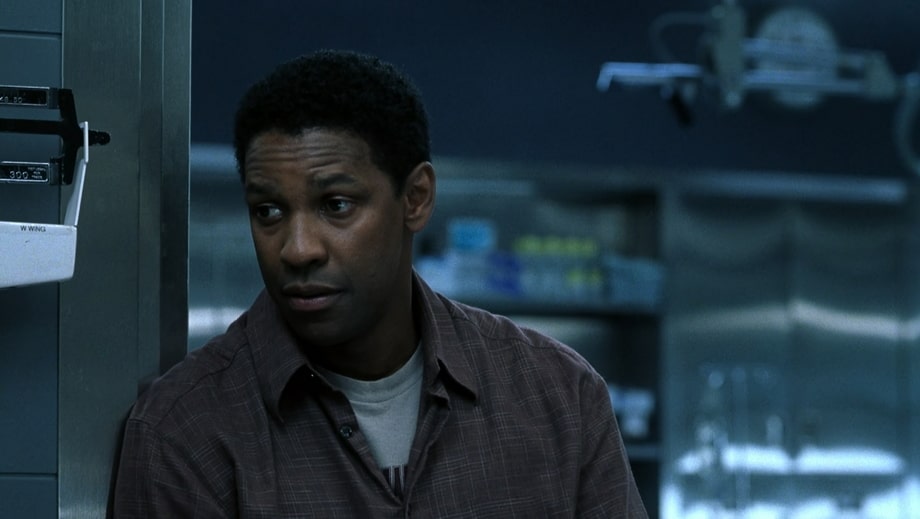
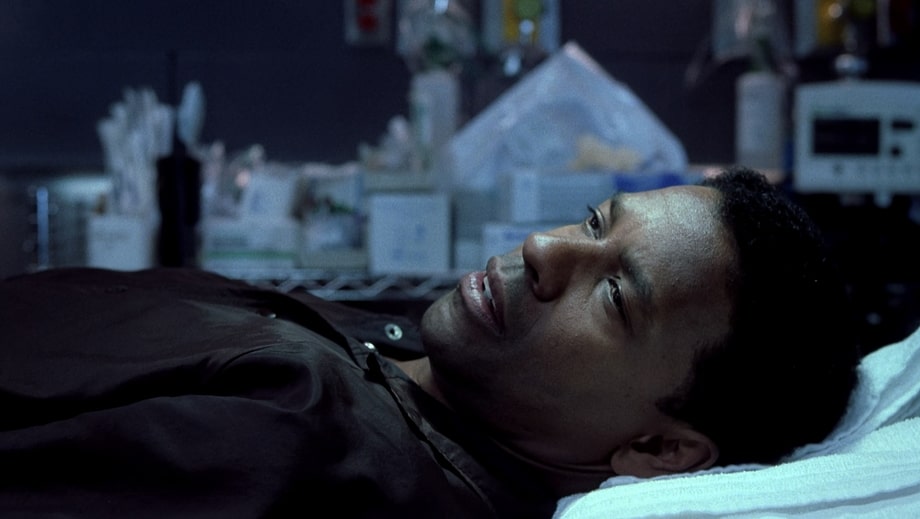
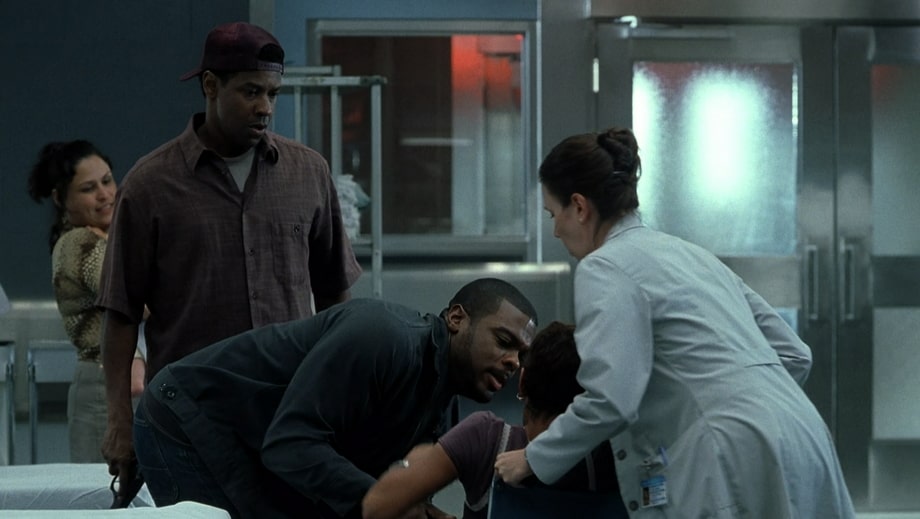
Hostage taker: John Q. He is a desperate husband and father at the end of his resources in saving his son and marriage. His wife shouts at him that he must do something right now. John Q. became a victim of social indifference and injustice after his insurance company did some legal tricks to avoid cash payments. The hospital charges 250,000 dollars to perform a surgery of heart transplantation surgery after a sophisticated process of putting a child on a list. Medical expenses constantly grow. John Q (Denzel Washington) challenges the system of indifference, which leaves its citizens to die without appropriate assistance. We get one of cinema’s most emotional negotiation scenes when John Q shouts: Sick—Help, Sick—Help.
The ultimate goal—the life of a child. John Q does not regard a money issue as a matter of the situation; he does not demand money; he wants his son’s name to be put on a list. John appeals for justice to give a chance to a child. This protagonist is the only one of the four who is ready to sacrifice himself to give life to another person. So his ultimate and undisputed goal is to save his son.
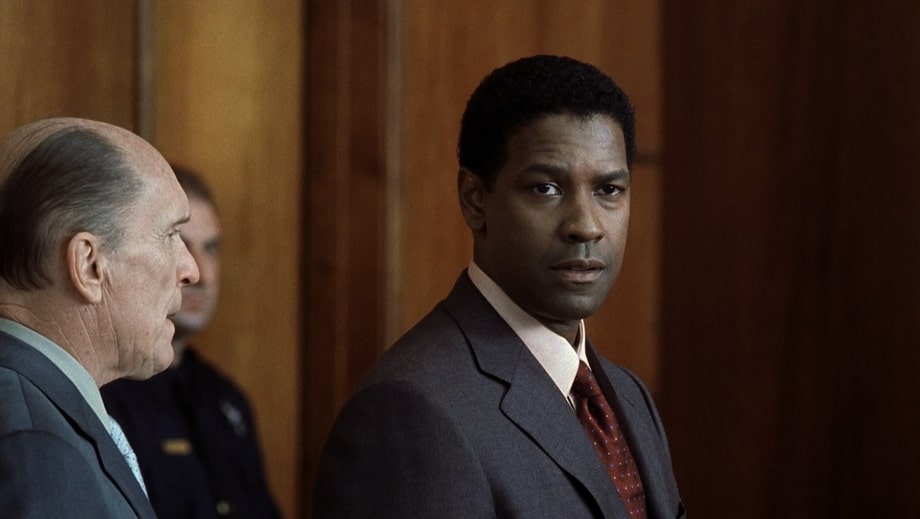
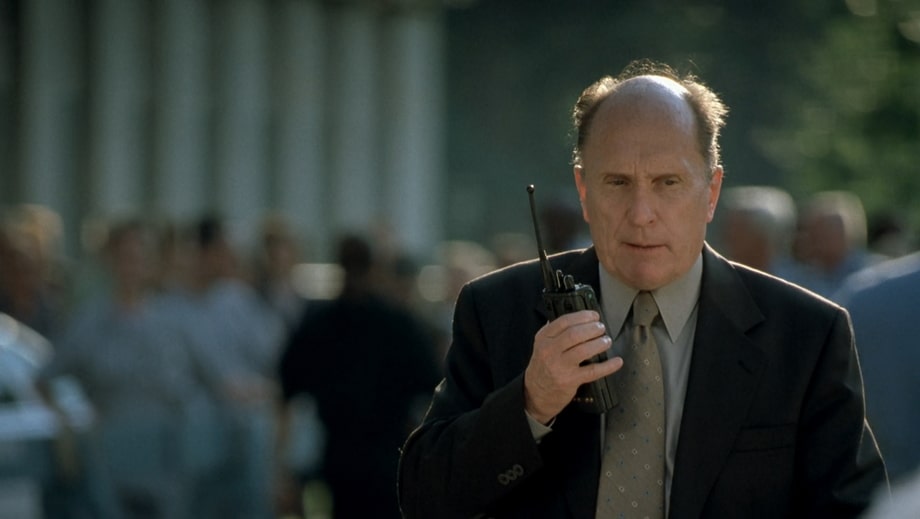
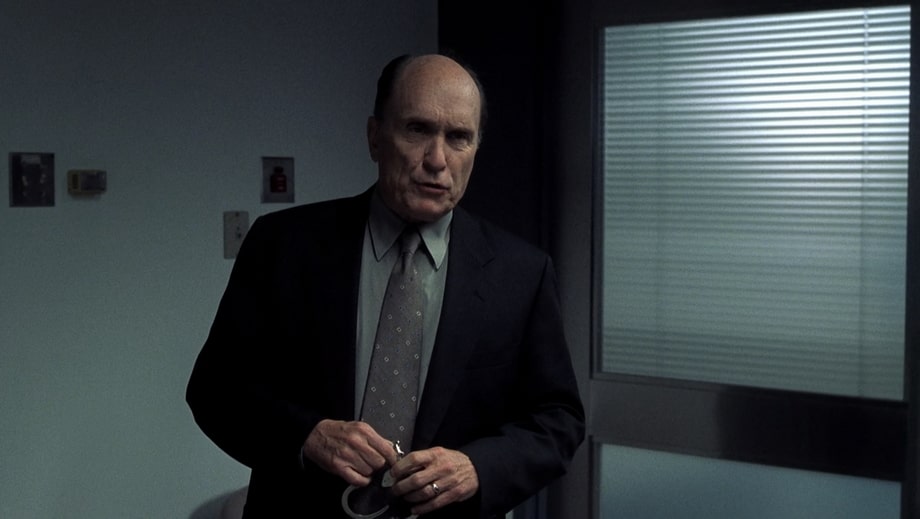
Police negotiator: Lieutenant Frank Grimes (Robert Duvall). He is an old and experienced police officer who now has to deal with this hostage situation. Initially, he does not scrutinize the matter or the ultimate intentions of a criminal. Eventually, Grimes, as a husband and father himself, shows his respect to John Q. But his final motivation is to release the victims, even if it causes the death of John. Finally, Frank is the one who figures out the forgery and asks John to put on police wristbands, and in three months, Grimes supports his former negotiation opponent in court.
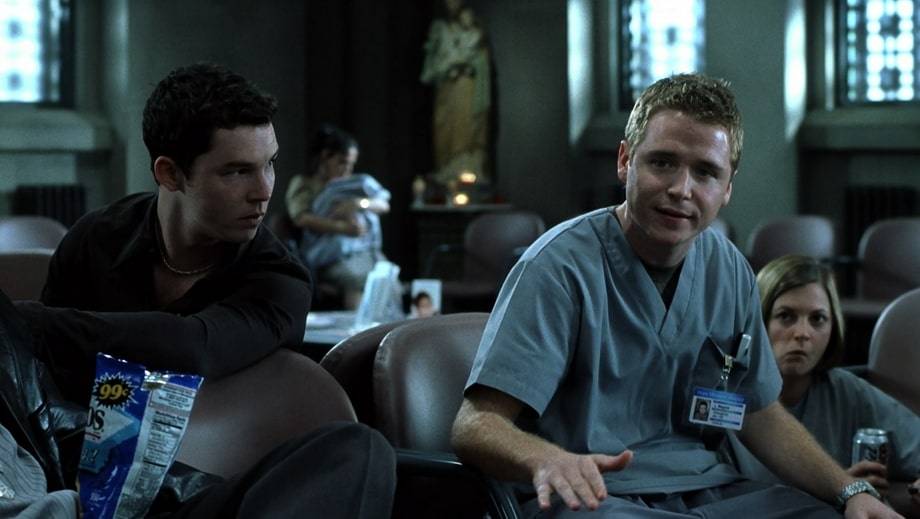
Hostages. Just like the other two best movies about hostage negotiators (“Dog Day Afternoon” and “Negotiator”), the “John Q” movie depicts a kind of psychological connection between a criminal and people who are imprisoned in the premises of a hospital. People also express indignation at social inequality and injustice, and the corrupted money-based medical system. After all the events, they even come to the court to support John Q and abandon their charges.
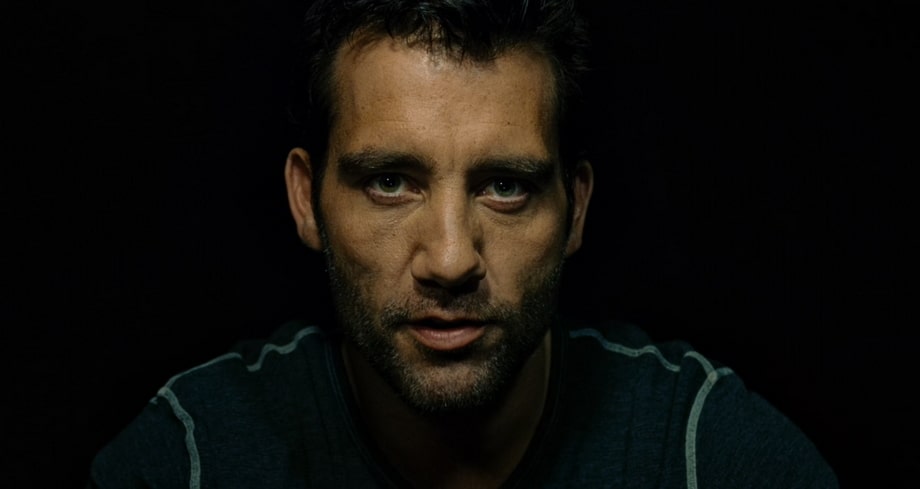
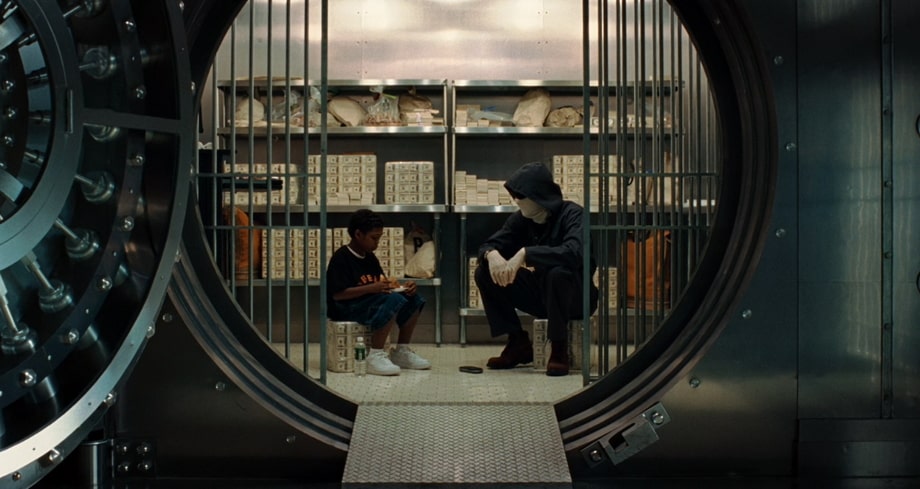
INSIDE MAN (2006)
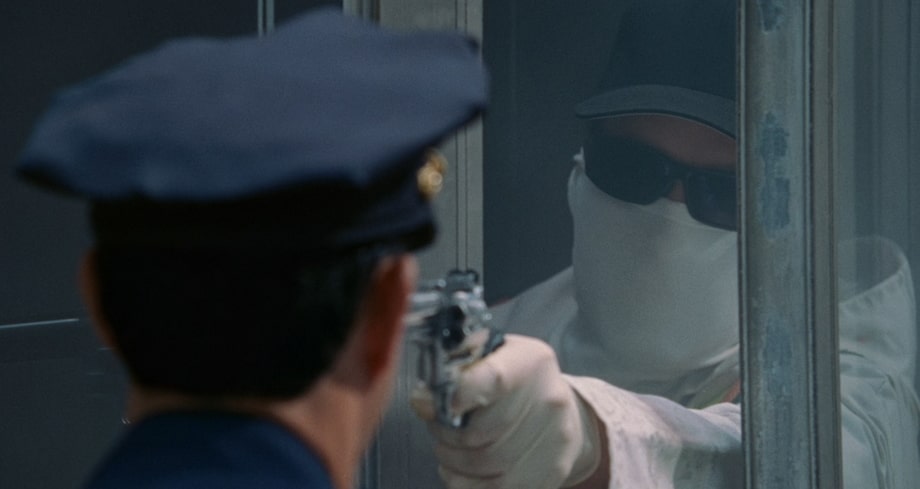
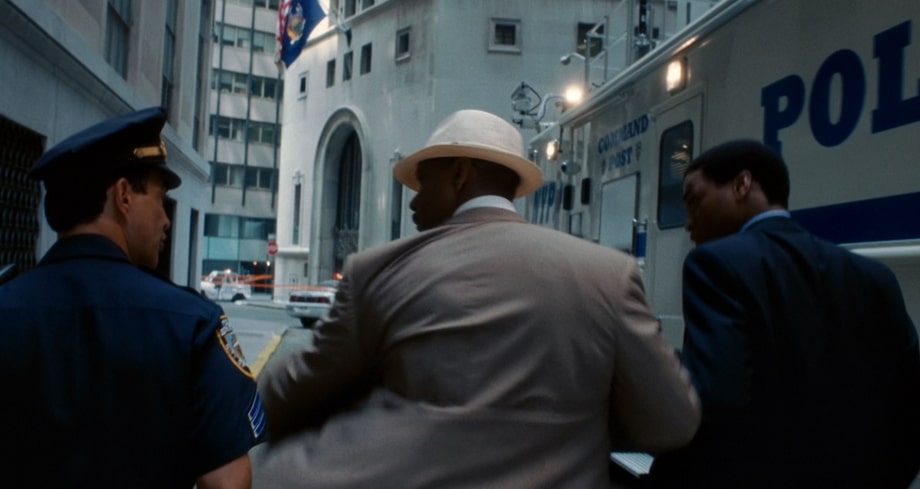
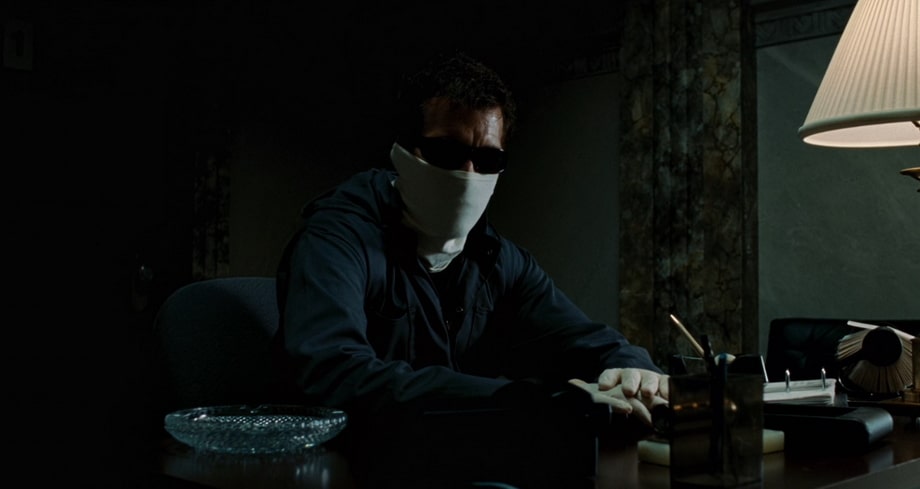
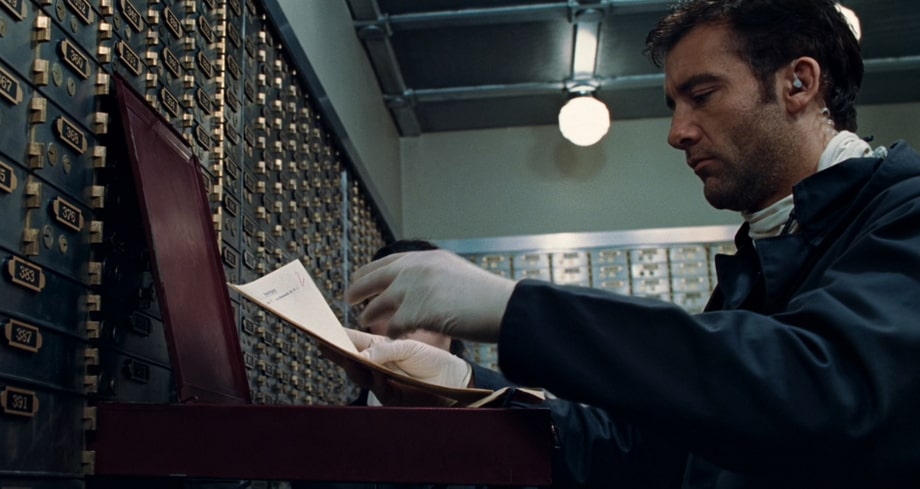
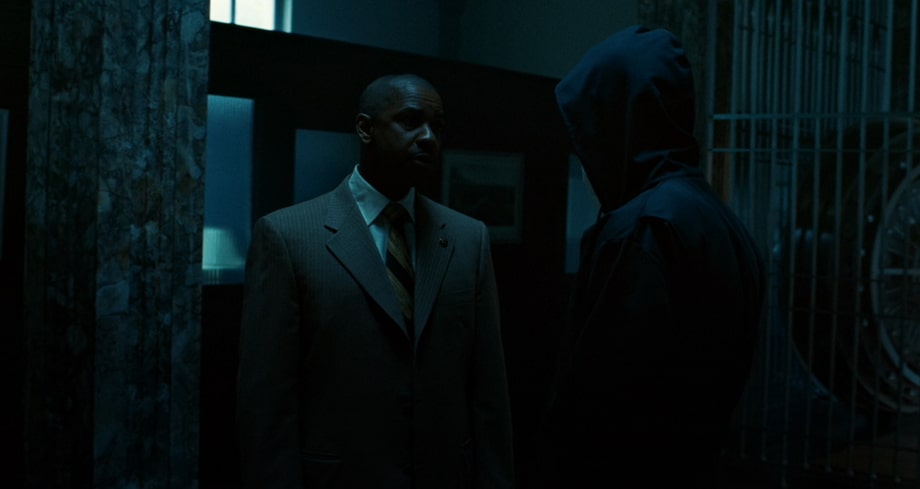
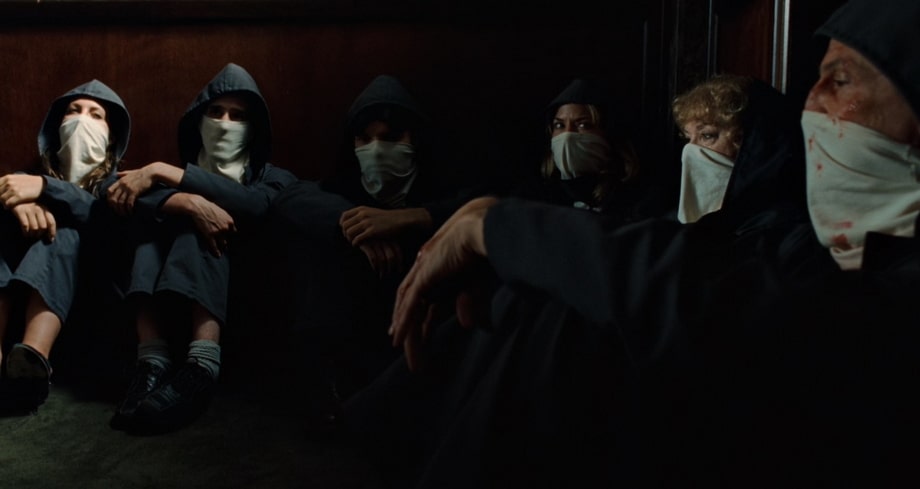
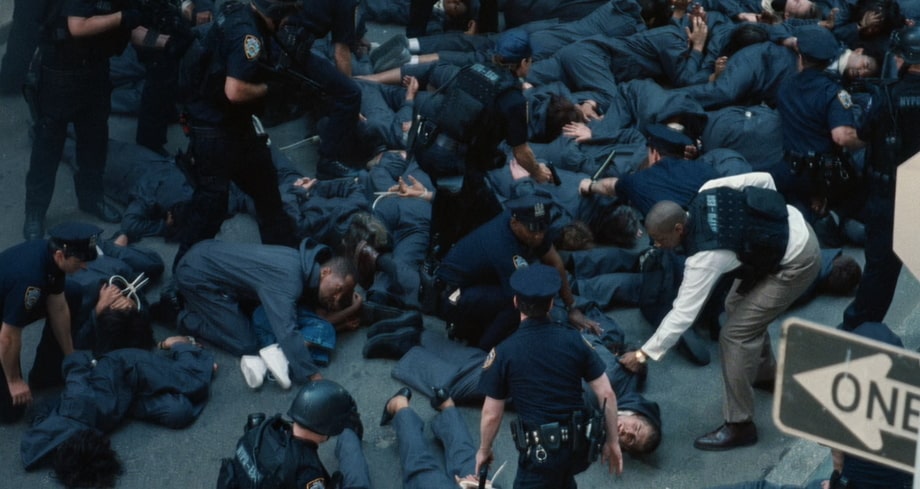
A group of armed criminals in masks barges into Trust Manhattan Bank. An ordinary bank robbery transforms into a long-term siege, where police struggle to figure out the real motives of those who control the bank and the abductees. They play a cat and mouse game with the police negotiator until some authoritative man interferes with the deal.
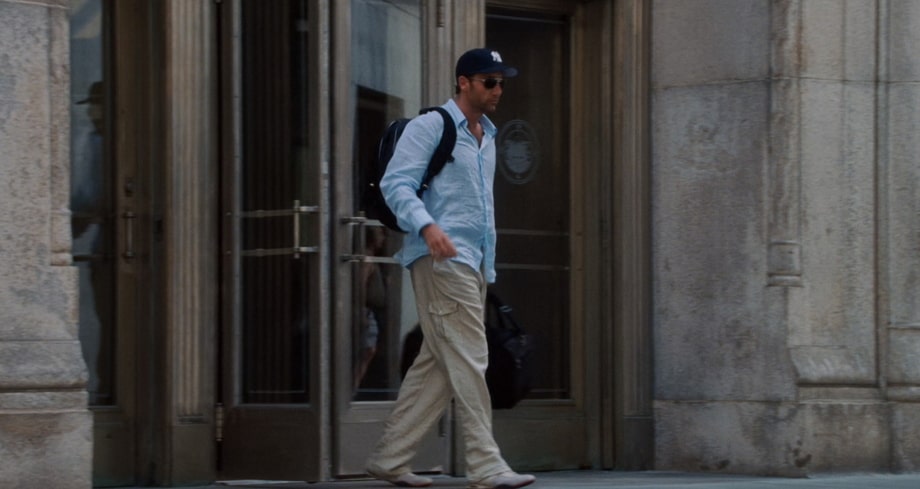
Hostage taker: Dalton Russell (Clive Owen), as he calls himself within the prologue. During the next two hours, we deal with poor information on this person, profession, or interests. Acute mind made this extraordinary robbery almost ideal. He may be a part of the highly educated social domain. Dalton Russell is depicted as a highly confident and self-controlled performer with perspective goals that are wider than just money or public attention.
The ultimate goal is to reveal the truth. Dalton Russell emphasizes that he has not only obvious financial motives to perform this robbery. He is confident; he can do this. But in fact, his choice of a bank is not random. He steals money from a man who “has sold his soul for thirty talents”, dealing with the Nazis within the Holocaust. Dalton states that it would be inconvenient for him to look into a mirror if he only pursued greedy aims. He gives some clues and evidence to the police to reveal the old, rotten crime of a respectable man.
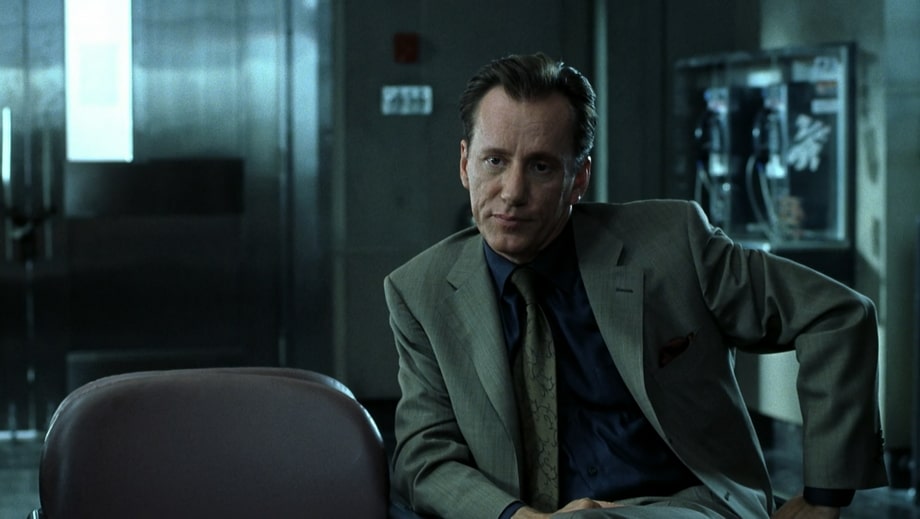
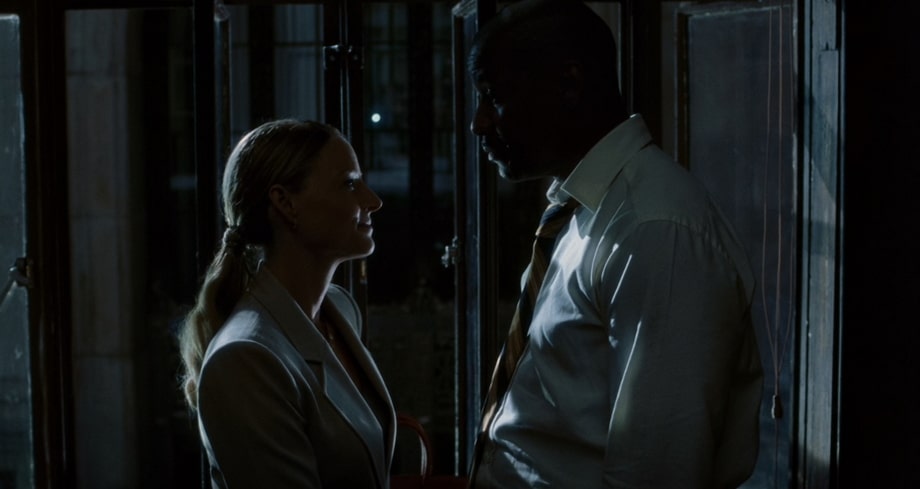
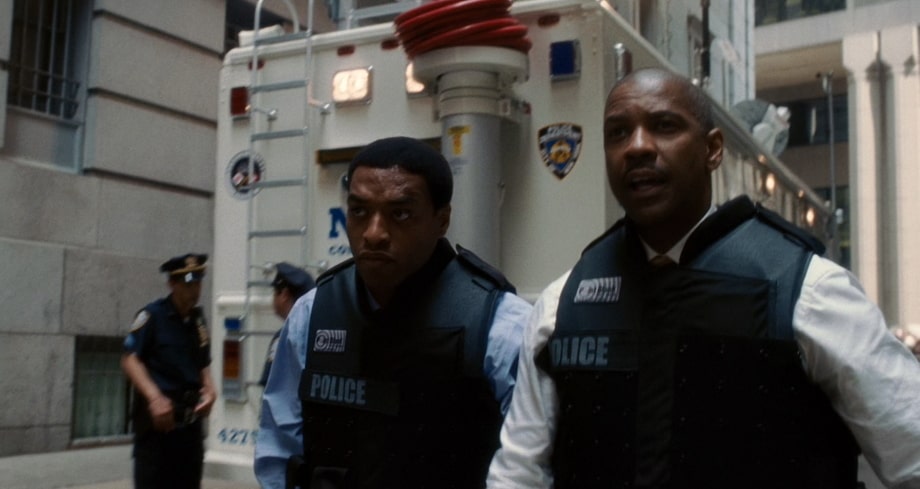
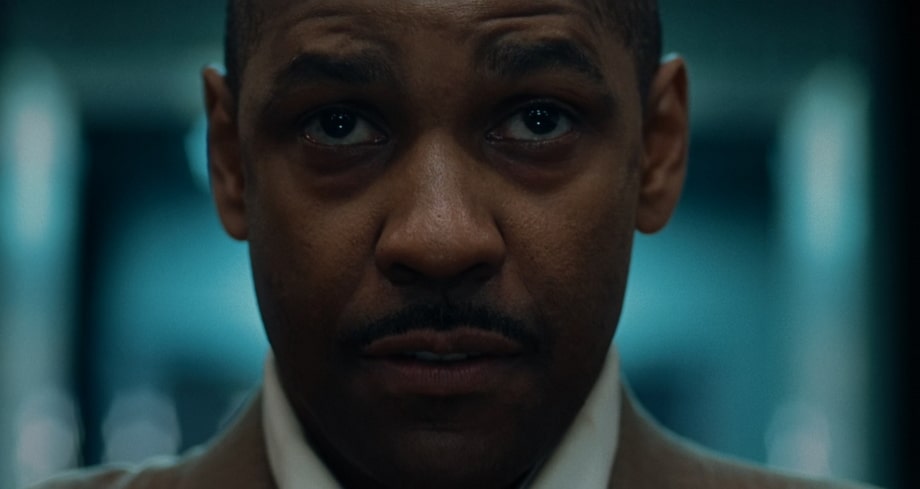
Police Negotiator: Detective Keith Frazier. Denzel Washington played the protagonist in John Q., and here he acts as an NYPD police officer who negotiateswith bank robbers. Even though he has played to someone’s script for a long time, Frazier broadens his understanding of the situation. Although police chiefs aimed to close the investigation after all events, Keith Frazier pursued revealing the truth about what had happened in that bank.
Hostages. On one side of the matter, victims are depicted as a faceless group of people. On the other hand, “Inside Man” differs from the other hostage negotiation movies in particular, as it shows eyewitness reports of the aftermath.
A walking route along the center of Munich, covering the sites associated with Arnold Schwarzenegger and two years of his life within Munich back in 1966-1968. An apartment, Universum, Gym, walking on the streets.
Charles Morse from The Edge movie grants us one of the most sophisticated and intelligent characters in movie history, and his power of doing is worth the Edge character analysis
Pirates of Silicon Valley has become famous as the Steve Jobs and Bill Gates movie, which tells the story of two profound visionaries of the digital era.
In December 2019 I walked 30 kilometers across the Tabernas desert near Almeria in southern Spain to find all key Dollars trilogy filming locations for ‘A Fistful of Dollars’, ‘A few dollars more’, and ‘The Good, The Bad, The Ugly’.










 5,00
5,00