


 5,00
5,00
Read me
The Fugitive character analysis
Let’s deepen into the character of Richard Kimble, a semi-iconic movie protagonist from ‘The Fugitive’ movie with Harrison Ford
MOVIE EXPLAINED

While mainly set and filmed in Florence, Venice, and Istanbul, the third adventure of Professor Robert Langdon, Inferno, was mostly filmed in Budapest, Hungary
Like ‘The Da Vinci Code’ and ‘Angels & Demons’, the third cinematic adventure of Professor Robert Langdon should be regarded as a breathtaking journey across the most beautiful European cities. While the first movie focused mostly on Paris and London, the second took us to Rome. ‘Inferno’ spoils its audience with Florence, Venice, and Istanbul in search of Dante Alighieri’s references. While the first two movies in the franchise mostly existed in the paradigm of shooting where the story was set, the filming of Inferno took advantage of the practice of cutting the costs of production by moving at least a part of the process, especially the studio production, to ‘cheaper countries’. While The Da Vinci Code collected 760 million dollars worldwide at a production budget of 125 million, Angels & Demons’ results were less impressive, with 495 million at the expense of a large budget of 150 million. In this vein, it sounds reasonable that Sony Pictures Company opted for Hungary as a destination to cut the cost of the third movie. Back in 2004, the country adopted a tax relaxation law that covered up to 25% of production expenses, and moving to Hungary made it possible to cut Inferno’s production budget to only 75 million dollars, twice as small as in 2008.
Budapest, the capital of Hungary, was chosen to get more accessible studio interior capabilities, and some outdoor locations look like Florence, Venice, and Istanbul. While most of the indoor action sequences, like the final scene in the ancient basilica, were staged in the studio, at least 70% were filmed in real outdoor Inferno locations. The overall filming process of Inferno lasted between April 27 and July 21, 2015, during which the filming crew spent seven weeks in Budapest. It should be mentioned that most of the Budapest filming process took place on the premises of two studios: Korda and Origo studios, respectively. Korda Studios is located approximately 30 km from Budapest and is a relatively new production facility that opened in 2007. Origo Studios was opened back in 2004 and was used for such projects as ‘Hercules (2014), ‘Spy’ (2015), ‘Blade Runner 2049’ (2017), ‘Atomic Blonde’ (2017), ‘Spy Who Dumped Me’ (2018), ‘Dune’ (2021), and ‘Dune: Part II’ (2024). Choosing Hungary as a cost-saving destination was also an efficient decision due to the qualified Hungarian workforce, especially the stuntmen, many of whom previously worked on large Western projects.
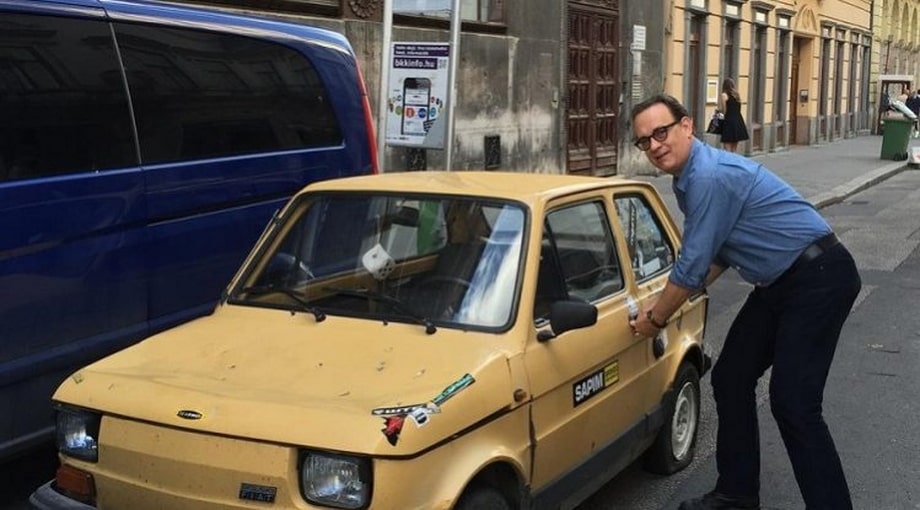
While the Inferno filming crew spent most of the time in Budapest in the studio sets, in some scenes, the outdoor locations in the city were used to look like other locations. The man who was responsible for the production design and particularly for the effort to make Budapest look like Florence, Venice, Istanbul, or Harvard was Peter Wenham. He worked as an art director or production designer on the Jason Bourne franchise with Matt Damon, ‘Blood Diamond’ with Leonardo DiCaprio, ‘Fast Five’ (2011), ‘Now You See Me’ (2013), and other projects. Wenham and his team did a great job in the cinematic transformation of Budapest into other cities, first of all, Florence. Among the most obvious details were the replacement of Hungarian street banners and automobile plates with replicas of Italian ones. Among the more sophisticated challenges was the replacement of street lighting in several outdoor scenes. In Florence, the streets are lit by lanterns that are fixed to the walls of houses on metal holders, and small lamp shades predominate. In addition, the art direction crew fixed shutters to the walls, which are so common in Florence.
The scenes in which Robert Langdon and Sienna Brooks try to escape from pursuit in the medieval chapel of St. Mark’s Basilica in Venice were filmed in the cellars of the famous Kiscelli Museum in Budapest. The Kiscelli Museum is located in a picturesque corner of Obuda and is a monastery and church in the Baroque style. For a time, the walls of Kiscelli housed barracks and then a hospital. In 1910, the castle on which the museum is located was bought by Viennese collector and industrialist Max Schmidt, who turned the purchase into a luxurious mansion. The other distant Hungarian location beyond the immediate borders of Budapest was Budapest Ferenc Liszt International Airport, which played the role of the Florence airport in a scene with Dr. Elizabeth Sinskey, the head of the World Health Organization. Getting back to the studio sets, probably the most ambitious and difficult was the creation of a Basilica sequence from the last scenes of the movie, which imitated the ancient underground palace in Istanbul.
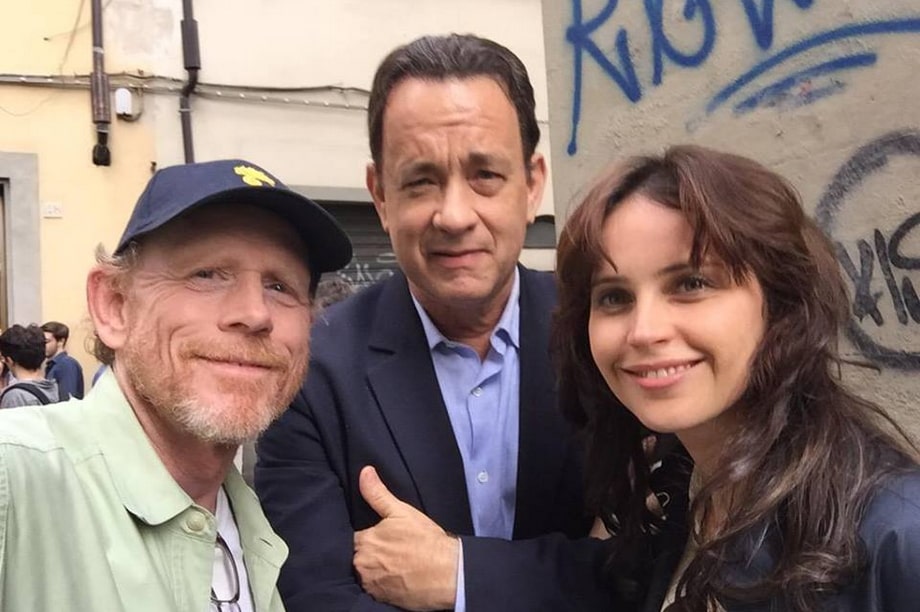
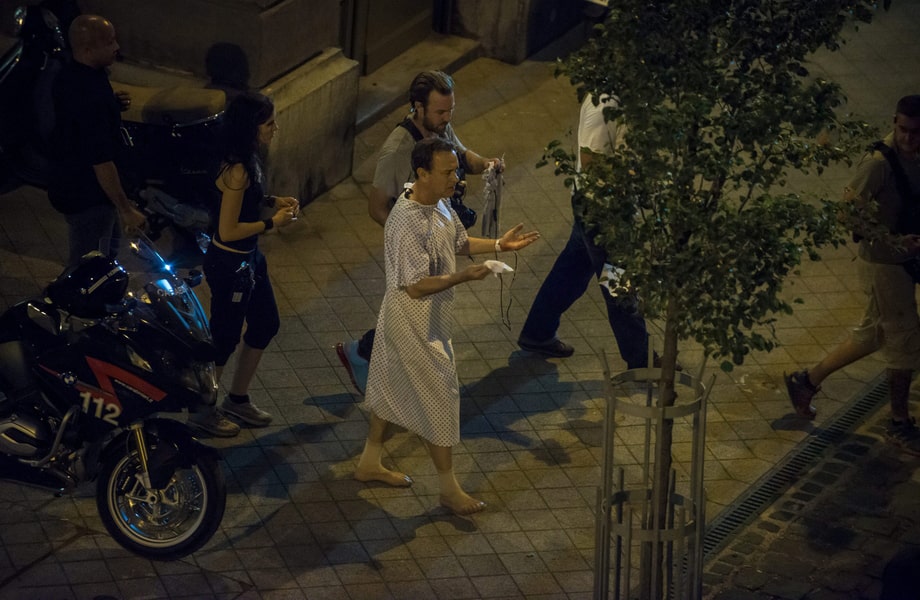
As Robert Langdon (Tom Hanks) soon finds out, the story begins in the hospital building in Florence, Italy. The disoriented and semi-conscious professor with a head injury has to rely on a young girl who calls herself Sienna to get out of the building, not to be killed by a female assassin wearing a police uniform. Sienna (Felicity Jones) drags Langdon in his nightgown across the night street of supposedly Florence, and they get into a taxi. The chaser misses a few shots, and the car vanishes into the night.

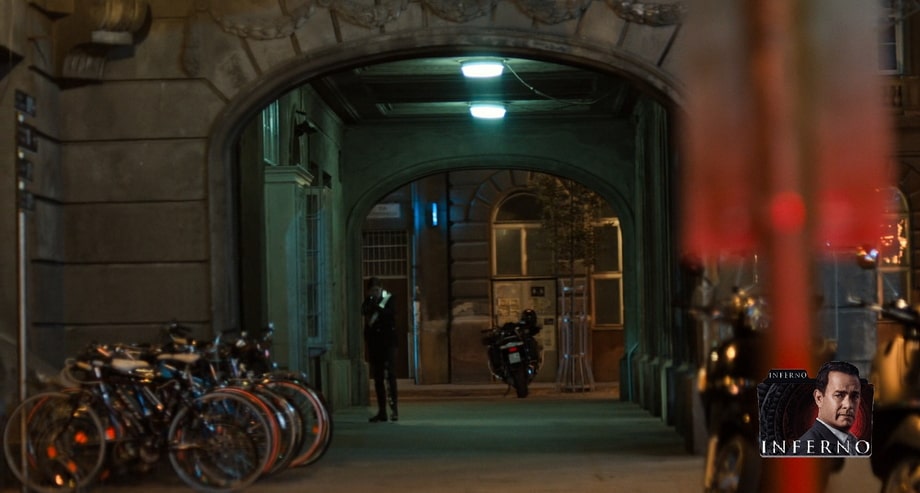
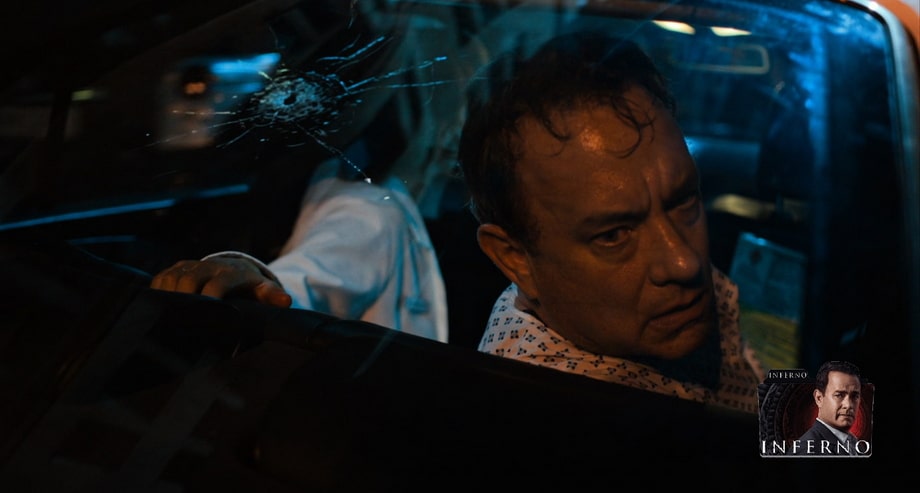
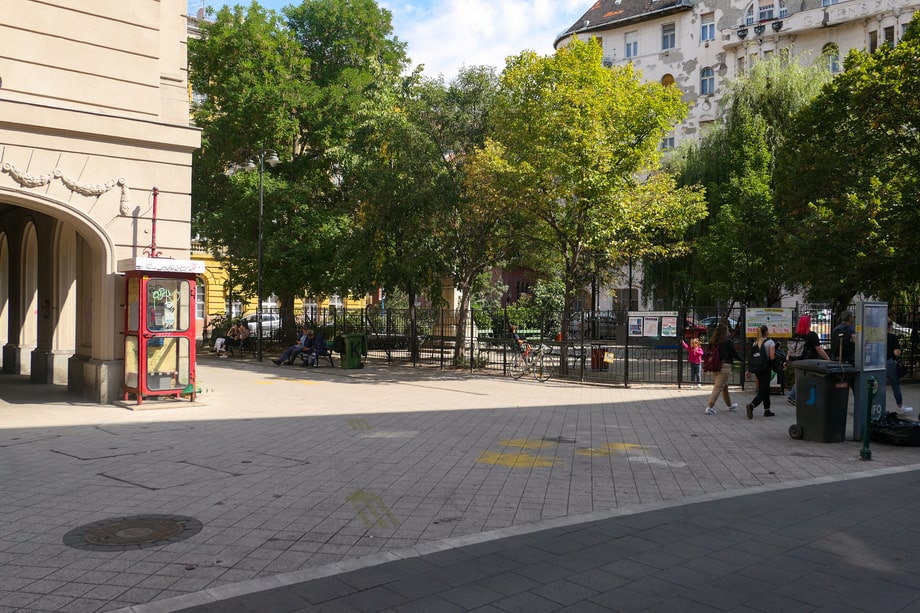
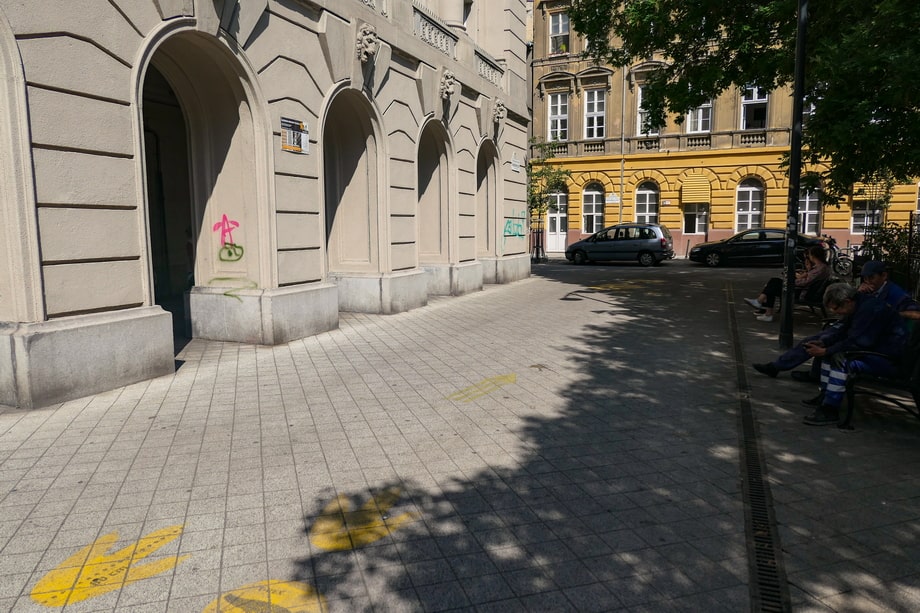
There is an interesting story regarding the filming of this sequence and Tom Hanks. It was one of the first scenes filmed in Budapest in June 2015, and the local press published a photo of Tom Hanks in a hospital nightgown and another one in shorts and a shirt with Ron Howard caught in the nighttime on a cozy city square called Gutenberg Ter (Ter means square in Hungarian). When I visited the location in 2021, it became obvious that the whole scene of getting into a taxi was filmed here. The car was parked in the southwest part of the square on Brody Sandor Street, while the assassin made her shots standing on Kofarago Street across the easily distinguishable alley of a building at Gutenberg Ter 2. The Square is at the arm’s end of Rakoczi Ter and the metro station of the same name, where one of the scenes from ‘The Spy Who Dumped Me‘ was filmed: where the girls lose their tail and the last chaser is hit by the truck.
After a usual (for the franchise) historical brainstorming session, Robert and Sienna conclude that they need to get into Palazzo Vecchio in the heart of Florence. I have previously covered in detail Inferno filming locations in Florence, and Palazzo Vecchio was one of the major real sets for the film, but at least a part of it was recreated in Budapest inside a local landmark: the Museum of Ethnography on Kossuth Lajos Tér Square across the famous Hungarian Parliament building. At least two significant parts of the whole Palazzo Vecchio sequence were filmed here. The first one, dealing with Dante’s death mask, depended on the Art department for the creation of fifteen props. Apart from the scenes in the room with the mask, another short scene was filmed in the Museum of Ethnography when Robert, Sienna, the local guide, and the guards play the video where Langdon and his colleague (played by a Hungarian actor, Gabor Urmai) stole the mask before.
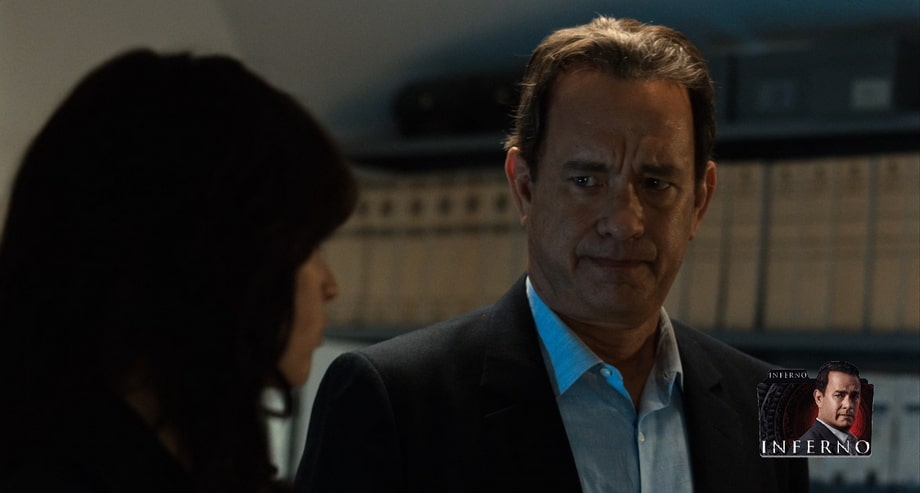
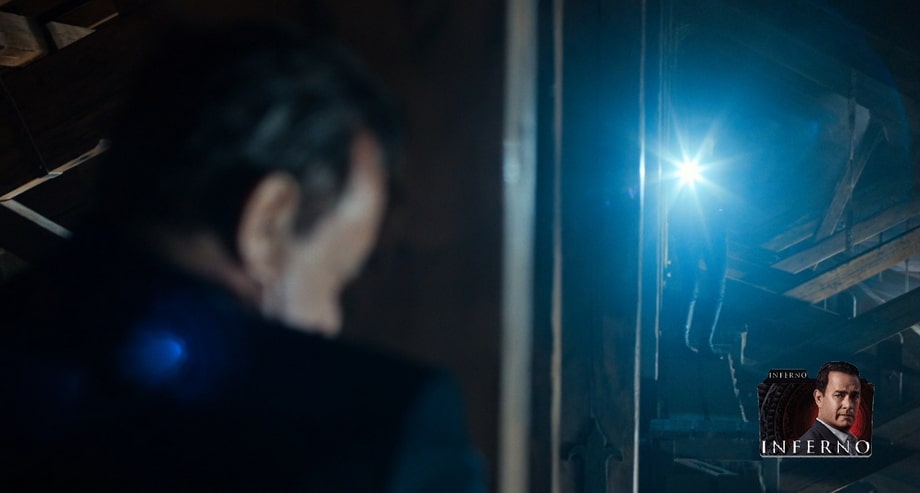
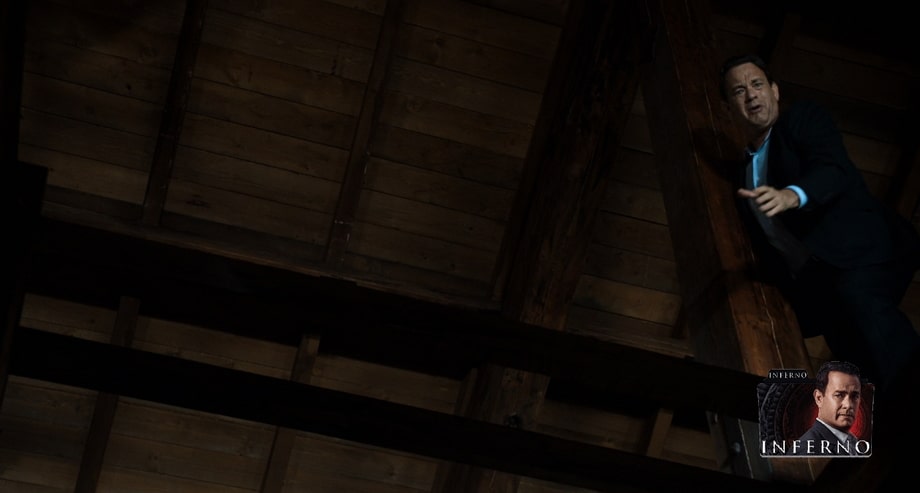
The Museum in Budapest also provided more space for the chase scene inside the palace. Compared to many restrictions in Palazzo Vecchio, the old building in Budapest provided more space and fewer limitations to the filming crew. Art Director Peter Wenham later recalled that the Museum of Ethnography in Budapest became an ideal place for shooting with its wide corridors and labyrinthine passages between different sections of the building. The Art department did a great bulk of the job in masking the museum, once created in Neoclassic style, to look like Palazzo Vecchio. To complete the transformation of the Budapest museum into an Italian one, the production designer and his team had to make a kind of costume for the entire building by attaching and painting figures made in advance from foam, foil, and latex onto the marble. After the filming ended, they removed those parts and washed the attachment points so that there was no trace left. The museum also provided its roof for the chase scene with an assassin, which Robert and Sienna got access to thanks to a hidden door Robert had learned from the ‘Secrets of the Palazzo Vecchio’ tour.
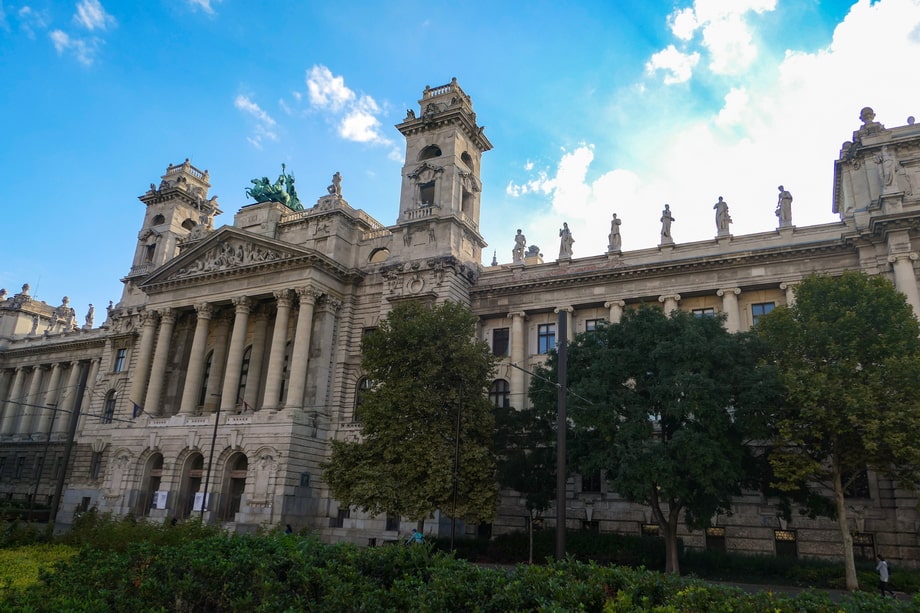
The Museum of Ethnography is located at arm’s length of the intersection of Horvát and Szalay Streets, where one of the scenes from ‘Blade Runner 2049’ was filmed: a famous shot with Ryan Gosling’s character walking on the street of the city of the future.
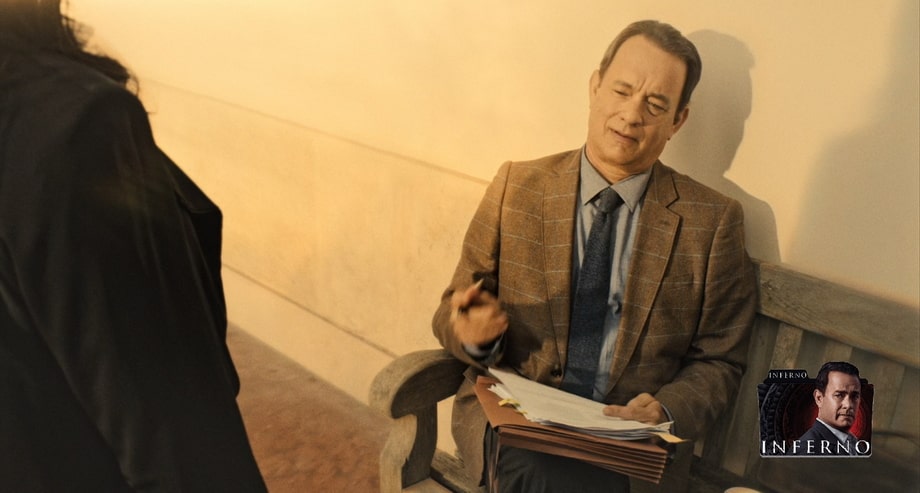
When Sienna and Robert finally find Dante’s death mask hidden inside the Baptistery of Santa Giovanni in Florence, they meet Chrispoh Bouchard from the World Health Organization. He tries to convince Professor Langdon that they have met just two days before at Cambridge, and it looks like Robert recalls the moment. Later on, during the journey to Venice, Robert recalls the actual events of that day on the Cambridge campus, and it was his friend Elizabeth Sisnkey who approached him for help, not Bouchard. In both flashback versions, we see Tom Hanks’ character sitting on a bench beneath the wall of a building with white columns. The filming crew made no journey to the actual Cambridge University and filmed this scene near the Hungarian National Museum (Magyar Nemzeti Múzeum). One of the main museums of Budapest and the country, the most important and largest collection of monuments from Hungarian history, national material and spiritual heritage, culture, and art of Hungary, its outstanding representatives, the building was built in 1847.
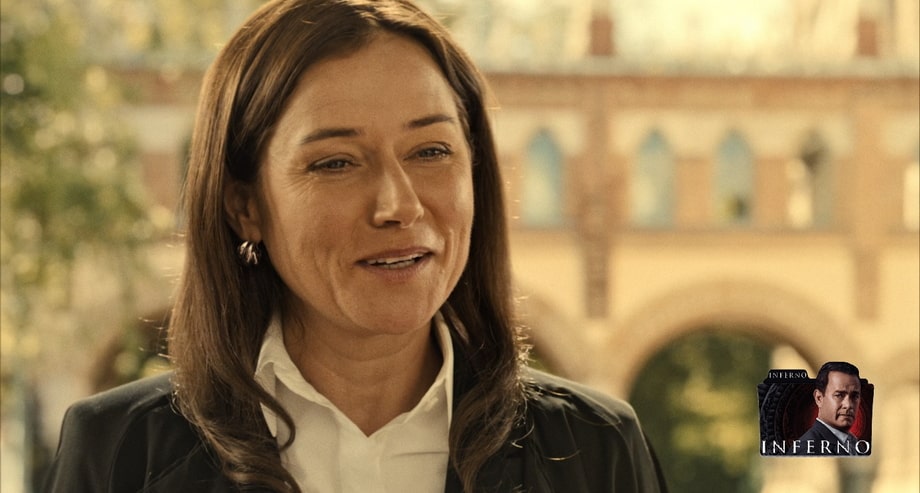
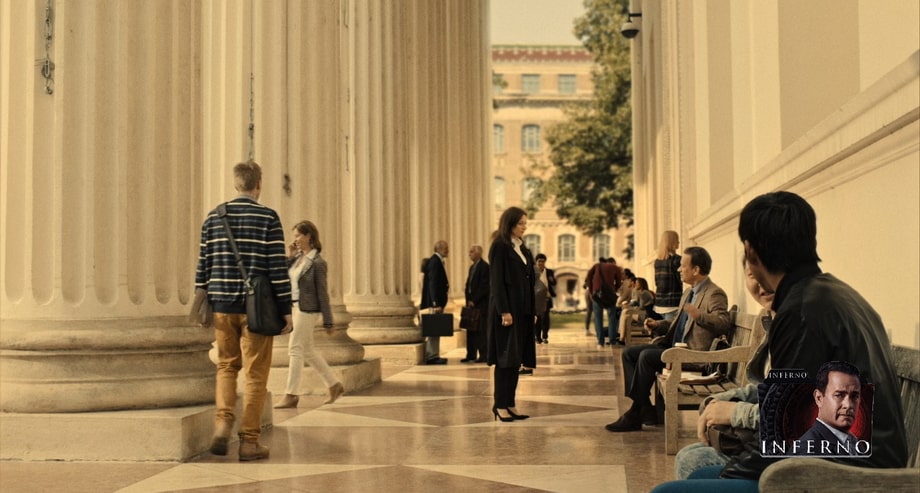
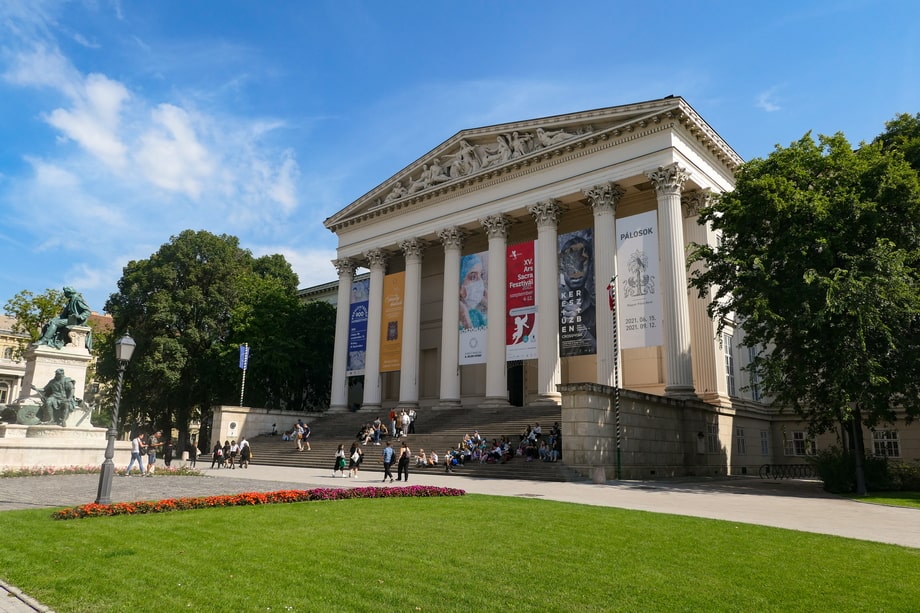
Throughout at least half of the story, Robert Langdon tries to recall what happened to him in Florence. The shards of memories were mixed with disturbing nightmares, obviously influenced by Dante Alighieri’s works and legacy. Mutilated bodies of passers-by, sinners turned upside down, burnt unfortunates, people in frightening masks, and all this is engulfed in flames from hell itself. Similar to the previous two movies of the franchise, Ron Howard added a mystic nature to the plot and made Robert a kind of prophet.
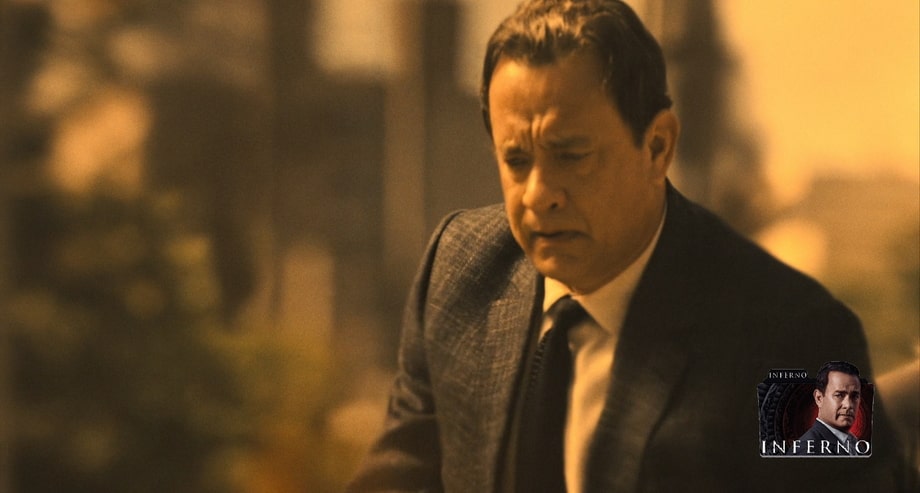
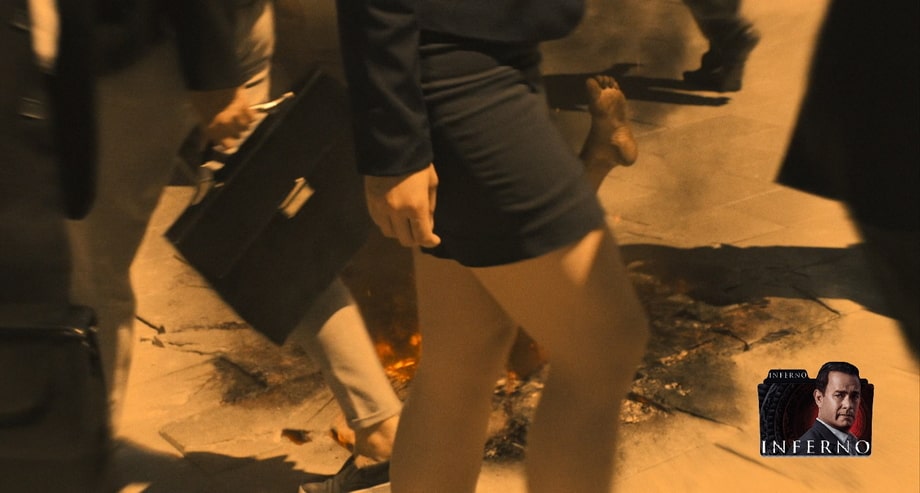

None of the nightmare scenes were filmed in Florence, but they were set on the streets of Budapest, mostly in the area adjusting to the Opera House on Andrassy ut Street. Art Director Peter Wenham later stated that his crew created a very unusual set, looking like neither in Europe nor in America. All the cars are black. The signs are painted the same color as the houses. The road workers scurrying around in the middle of the street use not crowbars but pikes, like on Botticelli’s map of hell. They incorporate subtle moments into a seemingly ordinary landscape that becomes increasingly strange as Langdon’s consciousness plunges into the hallucination. To film the scenes of Langdon’s visions, the special effects team purchased 9,000 liters of fake sugar-based blood. Several dozen Hungarian stuntmen and extras played the roles of people from Dante’s hell.
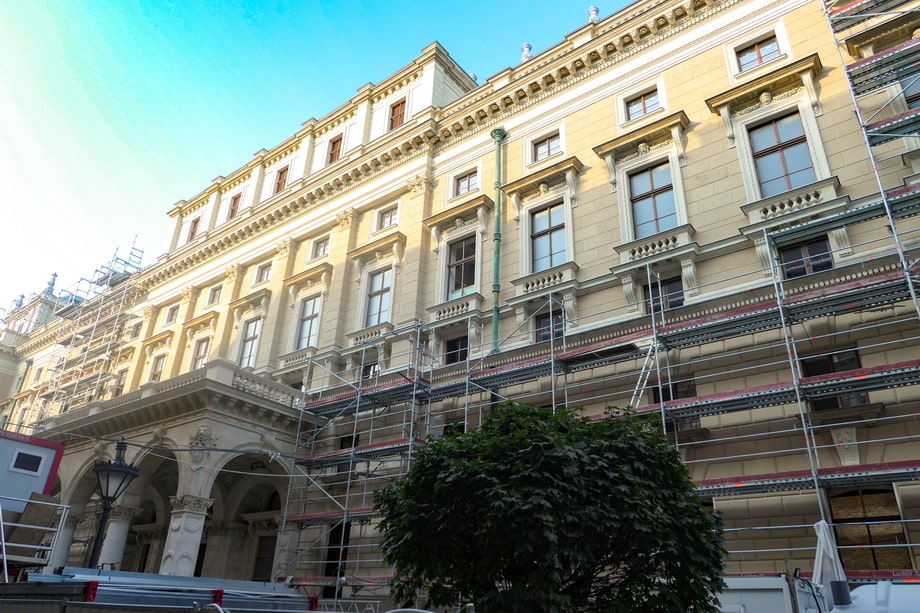
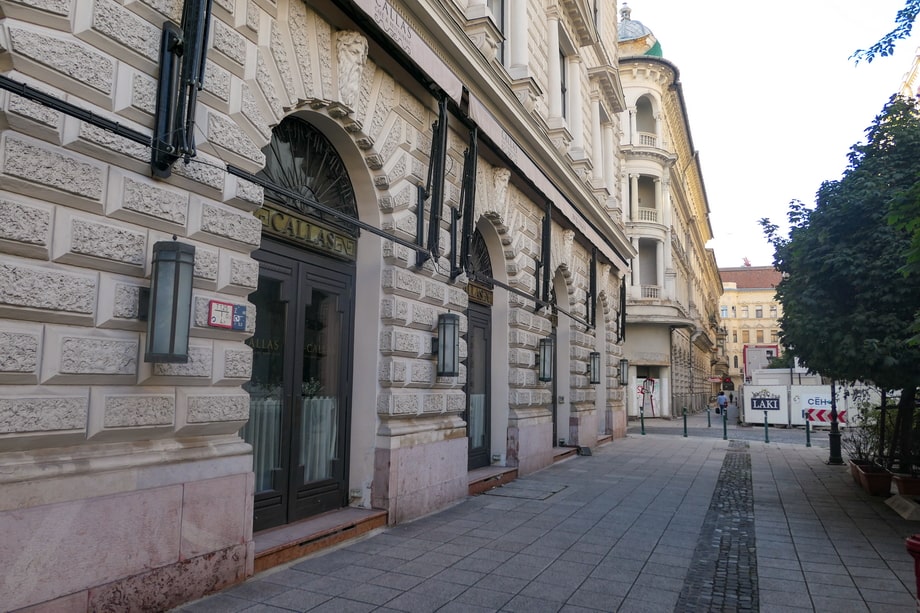
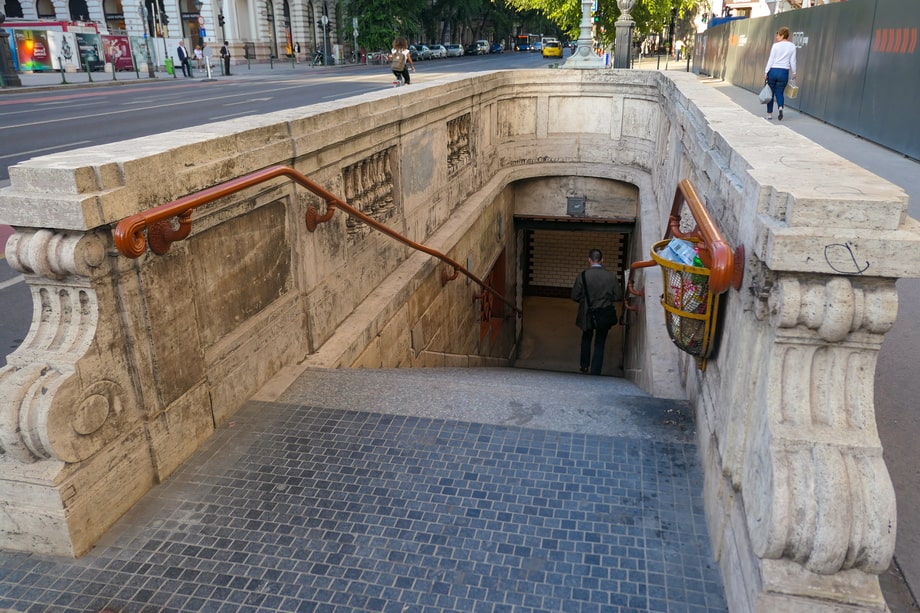
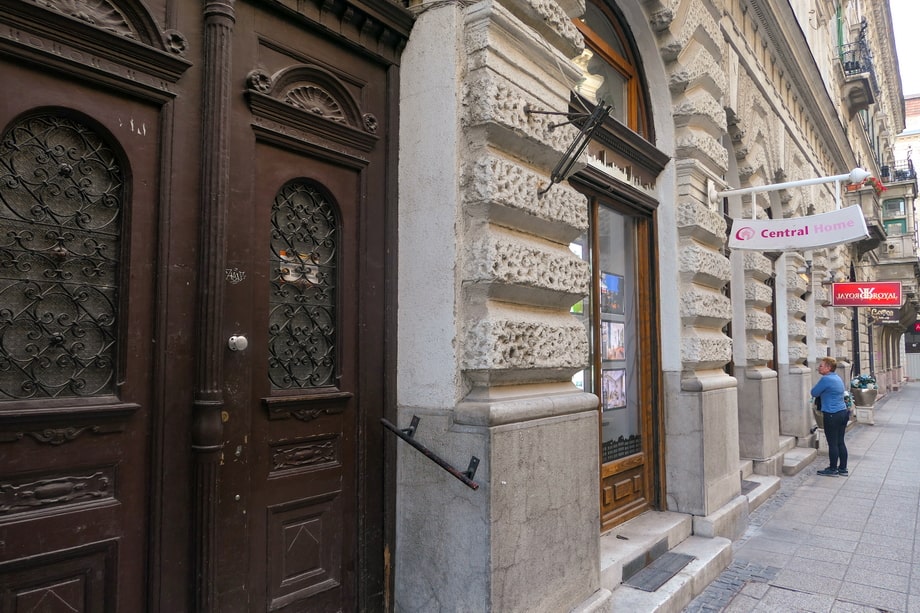
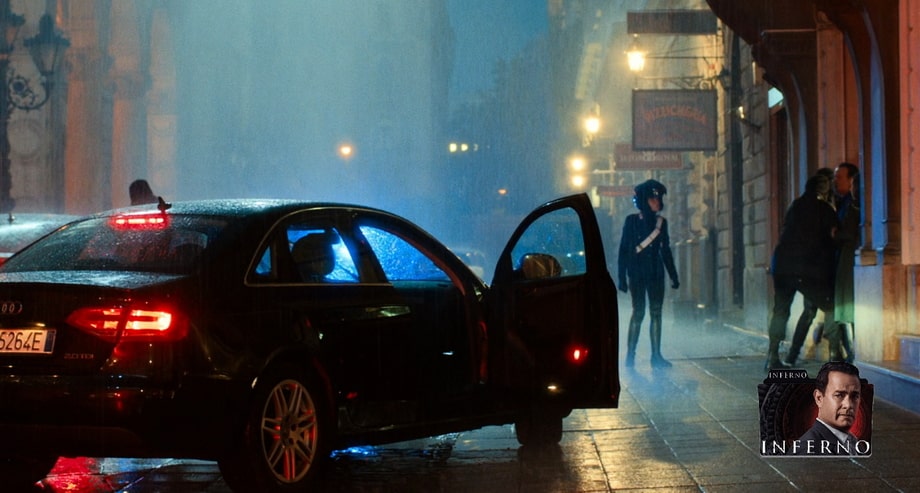
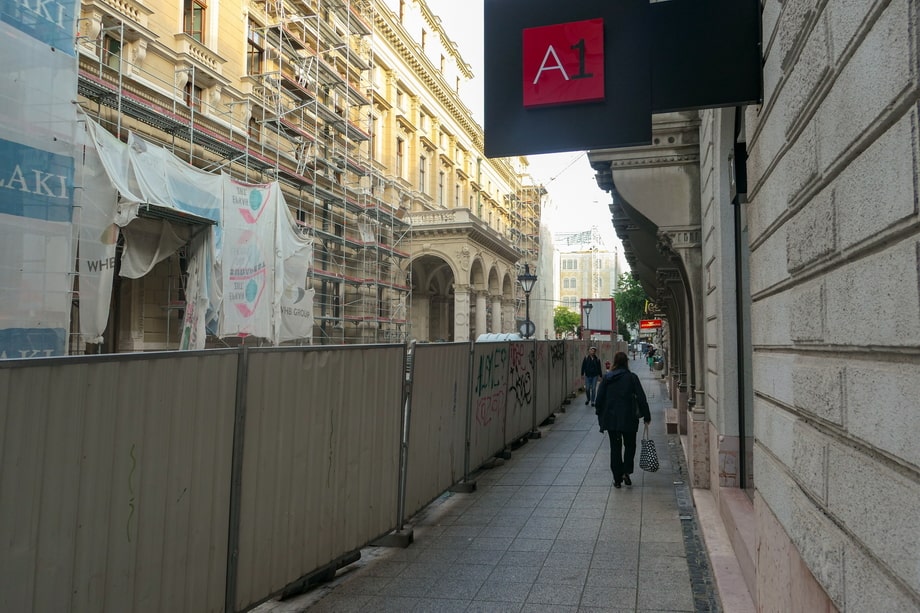
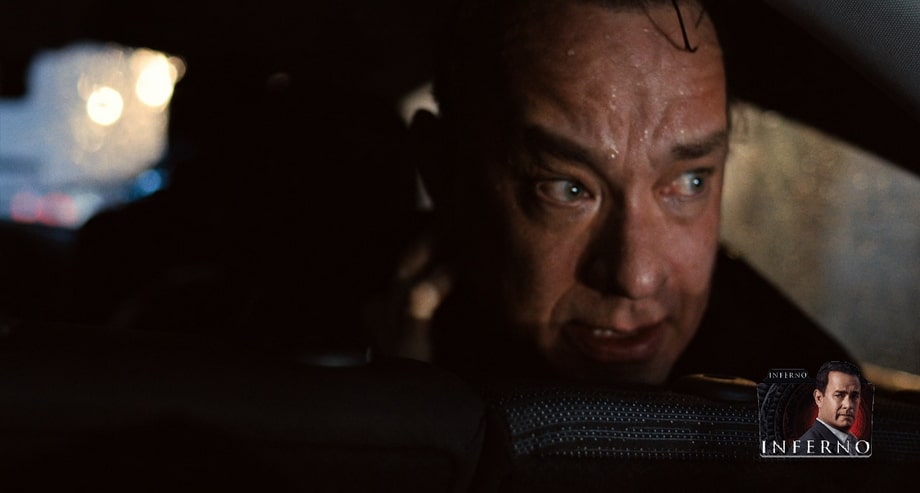
Later on, when Robert finally recalls the moment when he was kidnapped while speaking with Elizabeth Sinskey, we can identify the exact location. This scene was filmed on a cozy, narrow street called Dalszínház utca 10, which runs next to the Hungarian Opera House on its Western side. When Professor Langdon is dragged into an automobile, we can actually see the side of the Opera building. Inspired by the Operas in Paris and Vienna, the main Hungarian stage opened its doors on Andrassy ut. as far back as 1884. In the next one hundred and forty years, the Hungarian Opera House made numerous appearances in the local cinema and several in the Western cinema. Woody Allen used it for one of the scenes of his ‘Love and Death’ (1975), and in 2018 it appeared in Francis Lawrence’s ‘Red Sparrow’ with Jennifer Lawrence. In addition, the side street Dalszínház utca appeared in Steven Spielberg’s ‘Munich’.

When Sienna Brooks leaves Robert Langdon in the Venice dungeon, we understand that she had played a double game all this time with a professor. She not only knew who Bertrand Zobrist was, but she had been his lover for years, and the two masterminded a plan to spread the ‘anti-overpopulation’ virus. We see a series of flashbacks with Sienna and Zobrist, who used to play in hiding clues similar to the scenes from ‘The Da Vinci Code’, where Sophie was taught by her grandfather to solve puzzles and brain teasers.
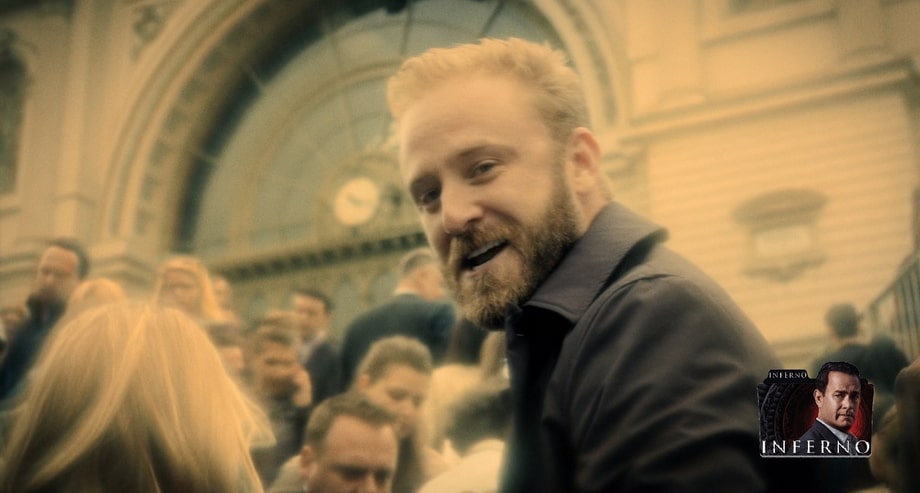
In one of the flashback scenes, we see Bertrand Zobrist in a crowd near some architecturally sophisticated building. This short sequence was filmed from a low angle at the entrance to one of the Budapest railway stations called Budapest Keleti. The building in neoclassical style was opened in 1884, the same year as the Hungarian Opera House, and is located in the city’s eastern part. In 2021, the railway station appeared in Marvel’s ‘Black Widow’ movie with Scarlett Johansson in a scene when her character arrived in the Hungarian capital.
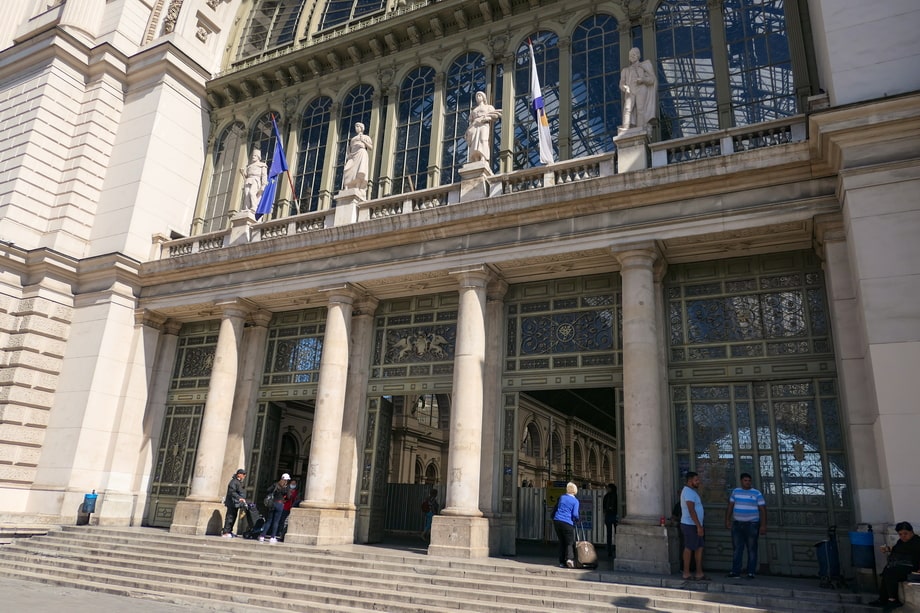
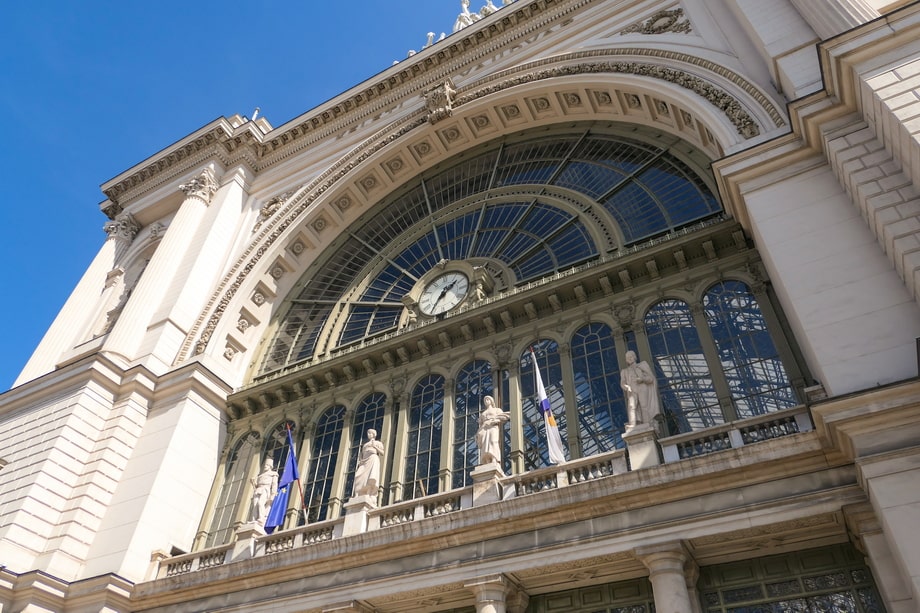
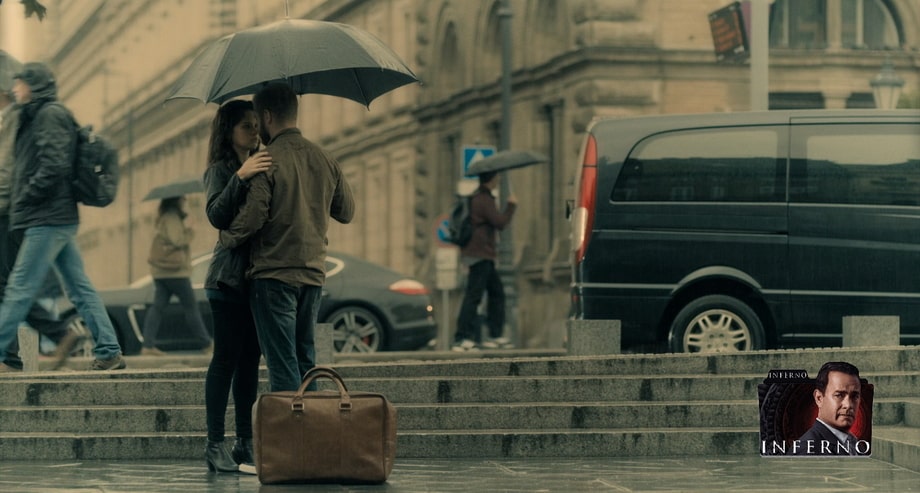
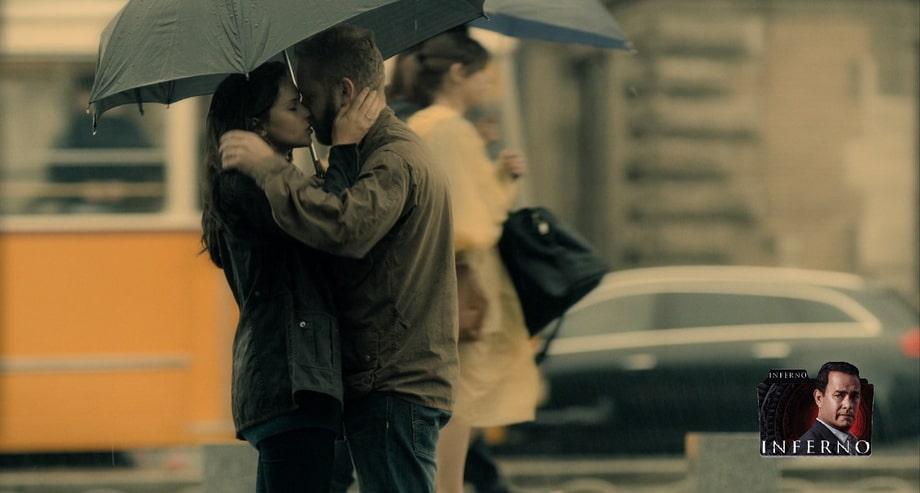
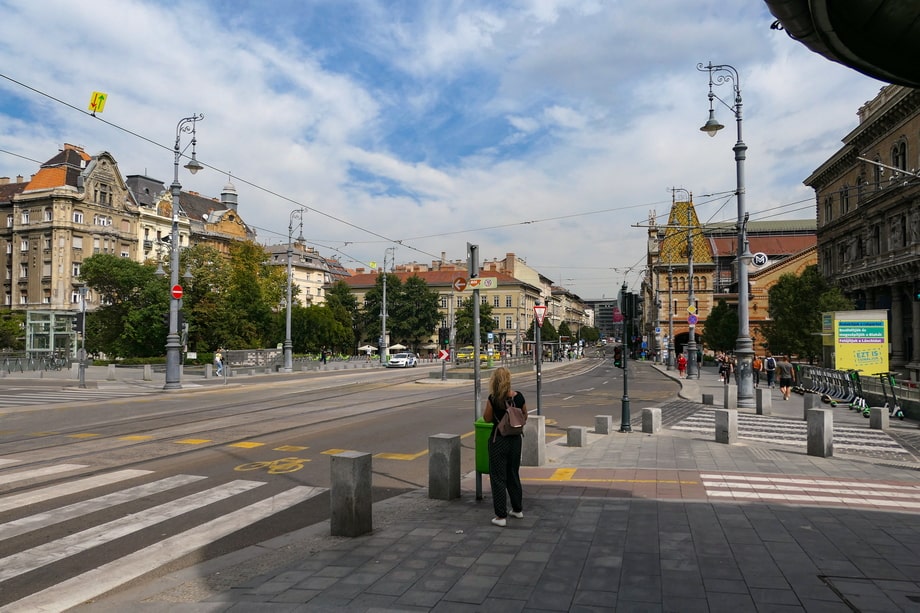
Approximately 1 hour and 23 minutes into the story, Inferno takes us to another location, supposedly in Florence, when Sienna and Bertrand say goodbye to each other in the street on a rainy day. This scene was filmed on Fovam Ter Square from the side of the Budapest Central Market (Nagyvásárcsarnok in Hungarian), another historical landmark from the late 19th century; the opening ceremony took place on February 15, 1897. The square where the scene was filmed is the adjusting Liberty Bridge (Szabadság Híd). At arm’s end, there is a merchant center called Balna, which played the role of the NASA media center in Ridley Scott’s ‘The Martian’ a year before, in 2015. We can see the distinguishable Budapest yellow tram behind Sienna and Bertrand.
Read me
Let’s deepen into the character of Richard Kimble, a semi-iconic movie protagonist from ‘The Fugitive’ movie with Harrison Ford

Read me
Let’s try to analyze all the facts, hints and clues to answer frequent question Who was the killer in Basic instinct by Paul Verhoeven with Sharon Stone and Michael Douglas?

Read me
An iconic-like Shawshank Redemption character analysis has so much to offer with it’s cult-favorite characters: Andy Dufresne and Ellis Boyd ‘Red’ Redding

Read me
I was fortunate to visit Prague, Czech Republic, and to identify every major Eurotrip filming locations across the city, which acted for Paris, Amsterdam, Rome, and Berlin
Read me
Spike Lee’s Inside Man with Denzel Washington still remains one of the best-recognized hostage-taking movies with tricky plot, multi-level characters, and an open ending

Read me
Denis Villeneuve’s Arrival stands out among the notable sci-fi movies of recent years and has pretty much to be discussed in regard of narration, scenery and characters