


 5,00
5,00
Read me
Inside Man movie explained
Spike Lee’s Inside Man with Denzel Washington still remains one of the best-recognized hostage-taking movies with tricky plot, multi-level characters, and an open ending
MOVIE EXPLAINED

A detailed cinematic research of techniques used in the cinematography of the iconic 12 Angry men by Sidney Lumet
‘12 Angry Men’ is not only a classic of cinematography with prominent actors and an intriguing plot, but it is also nominated for three Oscars. It is a classic example of how cinematographers can turn the story’s limitations into a unique experience using creativity, technical skills, and self-determination. In our current era of sequels, prequels, and franchises with never-ending budgets and scale, where smoothness of content delivery is more valued than quality, movies like this have long become niche products, underdogs at their best. It is also difficult to imagine a new generation massively confessing in admiration to a seventy-year-old black-and-white movie telling the story of twelve men sitting and debating in one room for one and a half hours. On the other hand, 12 Angry Men’s cinematography, while being old-fashioned, still works well with its main task—creating an involving narration.
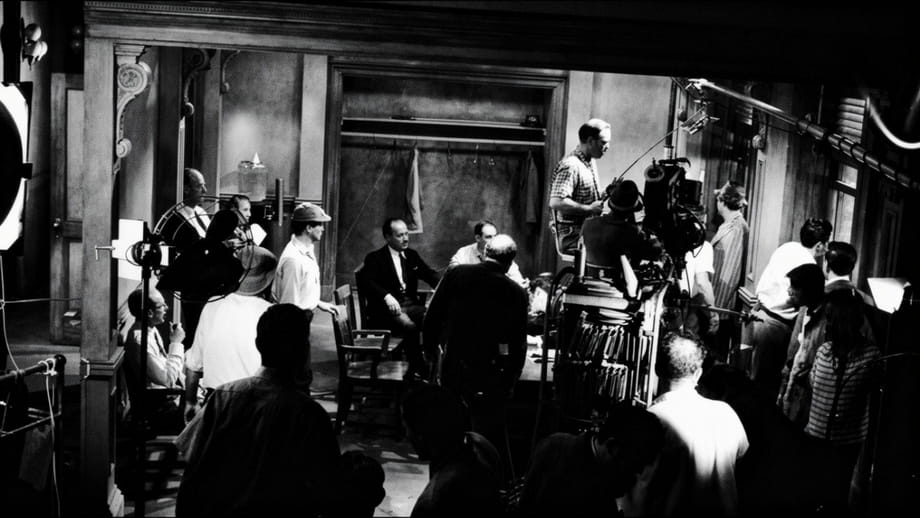
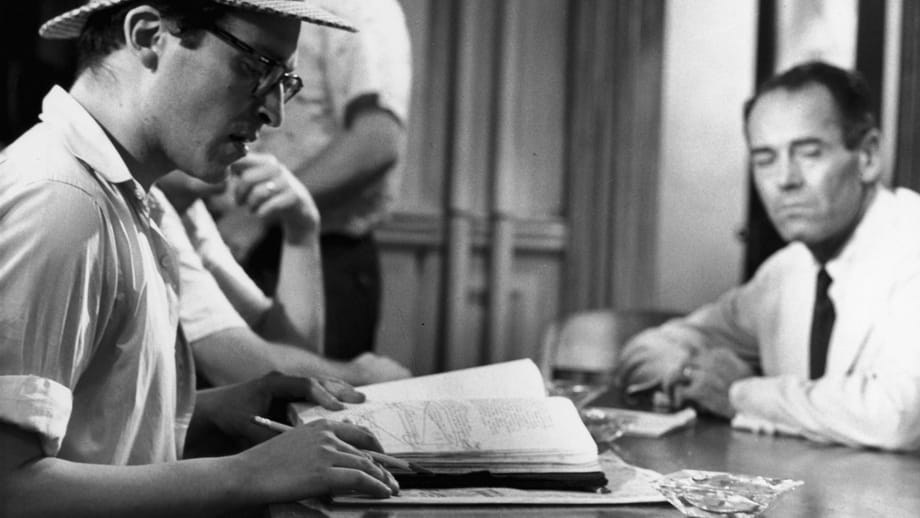
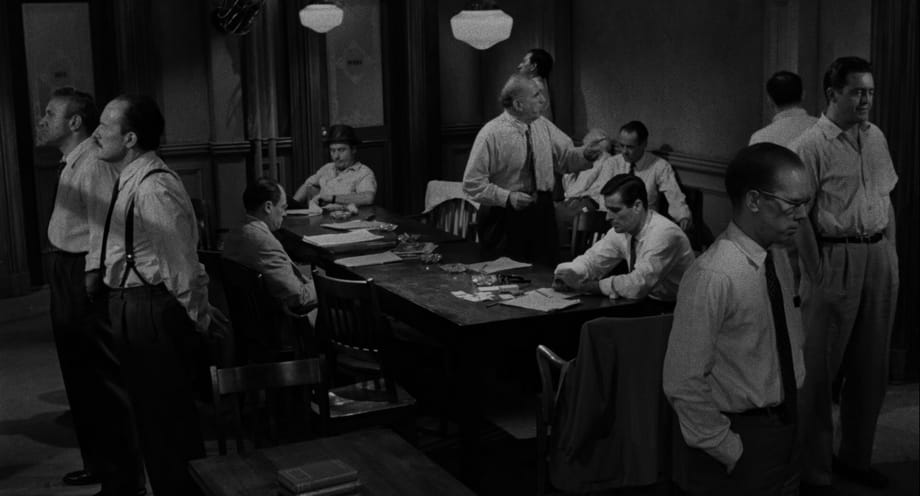
In contrast to other outstanding court dramas such as ‘To Kill a Mockingbird ’, ‘A Few Good Men’, ‘Time to Kill’, and ‘My Cousin Vinny ’, Sidney Lumet’s masterpiece works with one-set limitations, and the courtroom itself was shown only briefly. The paradigmatic battle between the Prosecution and Defense took place for 12 male jurors, stacked in one room measuring only about 35 m2, leaving only about 3 square meters for each participant. This notably cramped space, on the hottest day of the summer, was chosen to heighten the men’s psychological tension and claustrophobia as the arguments grew more heated. To free themselves from these constrained conditions as soon as possible, the jurors had to decide whether a young eighteen-year-old boy would live or die. The movie breaks our expectations, since the juror room discussion becomes an actual trial for the accused’s life in a more profound way than the whole previous court proceedings.
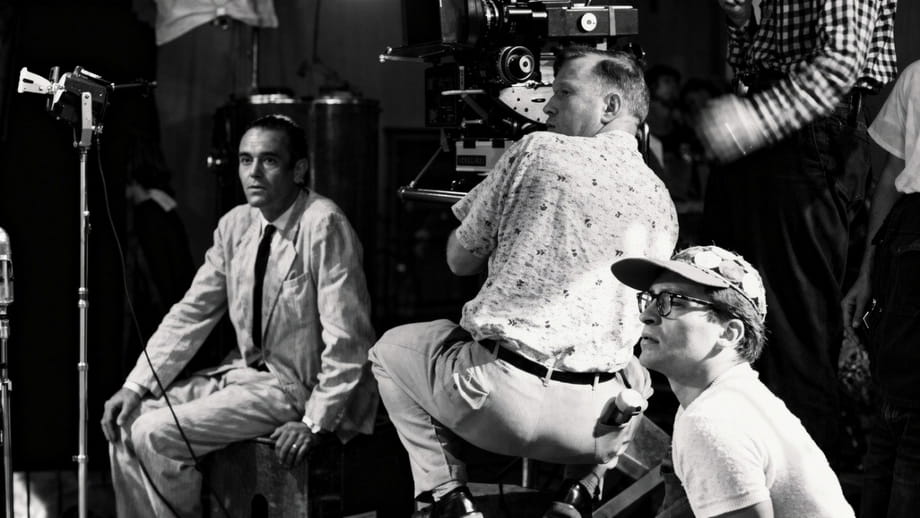
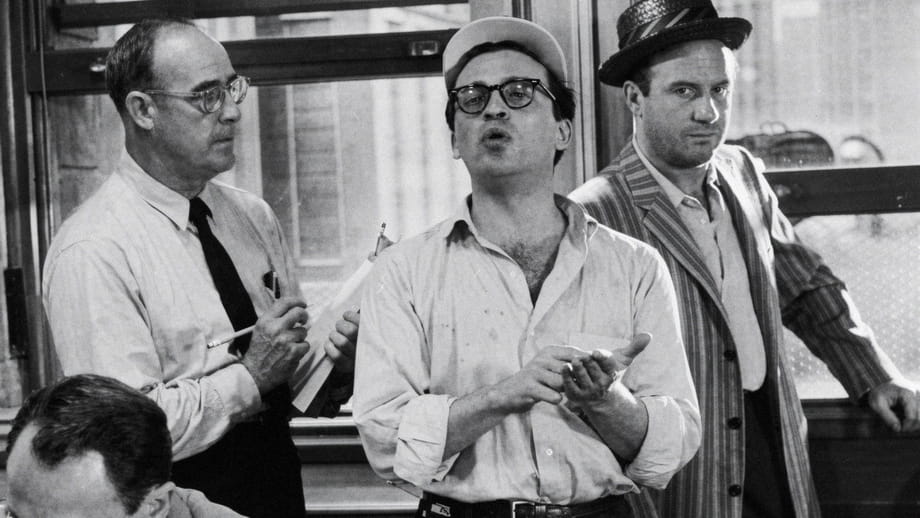
Since the entire story was staged in one medium-sized room (the opening sequence and the epilogue served as the proof-of-principle), director Sidney Lumet and his cinematographer Boris Kaufman faced a challenge to avoid the movie looking static and boring. They had to create movement and action in a cramped space, as it gets to the narrative drama, where dialogue and emotions set the tone. Considering the story, each of the twelve characters had their own unique background and emotional spectrum that had to be staged and crossed while interacting with another actor and a few of them at once. Since the jurors decided the fate of another human being and the attitude toward the case and evidence changed as the story moved forward, the cinematography in 12 Angry Men was adaptive to people’s shifting judgments and attitudes and their problems and decisions behind their arguments for ‘guilty’ or ‘not guilty.’
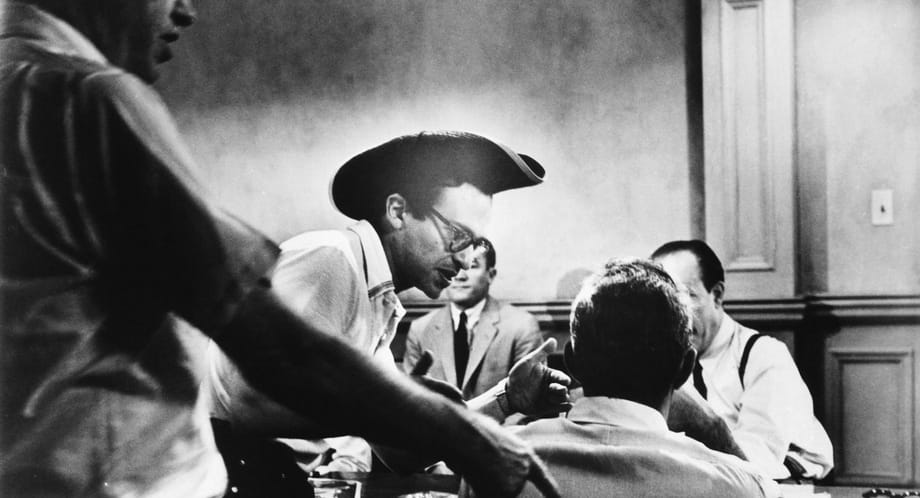
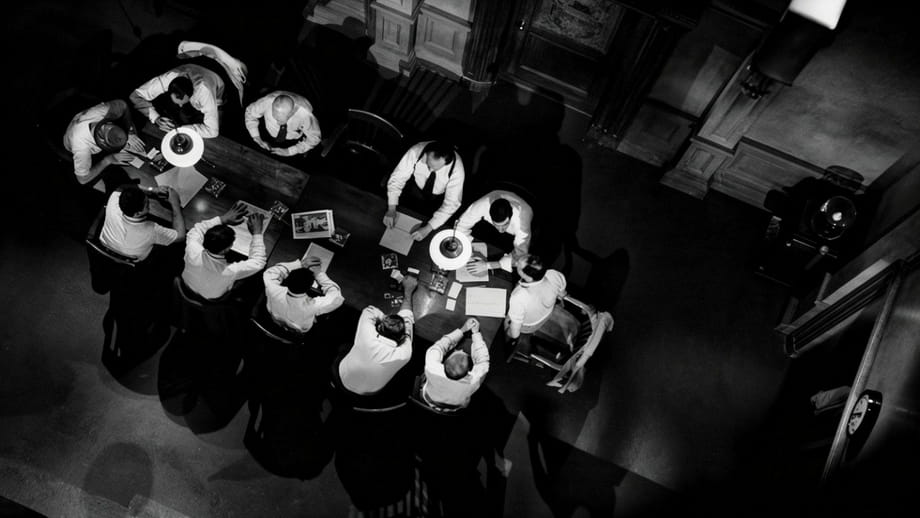
It may sound counterintuitive, but the masterful use of the camera in well-staged cinematography means focusing on the narration without distracting the audience from the story and characters. Speaking about 12 Angry Men cinematography and taking into account the later interviews of both Sidney Lumet and Boris Kaufman, it becomes obvious that each camera angle and setup in this movie was carefully planned and orchestrated the day before the actual filming took place. Both Lumet and Kaufman succeeded in making the camera in 12 Angry Men move, but it was justified by the scene or script. Considering the emphasis on characters and the main topic, the camera here never distracts the audience from the basic theme. While overcoming the one-set limitations, at the beginning, it focuses on each character one at a time and later confronts two or more men by trying to highlight psychological reasons beyond their behavior.
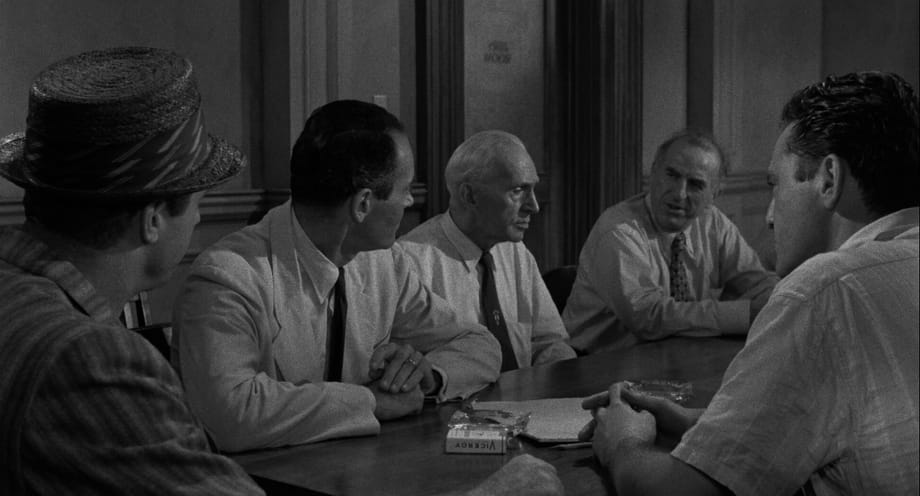
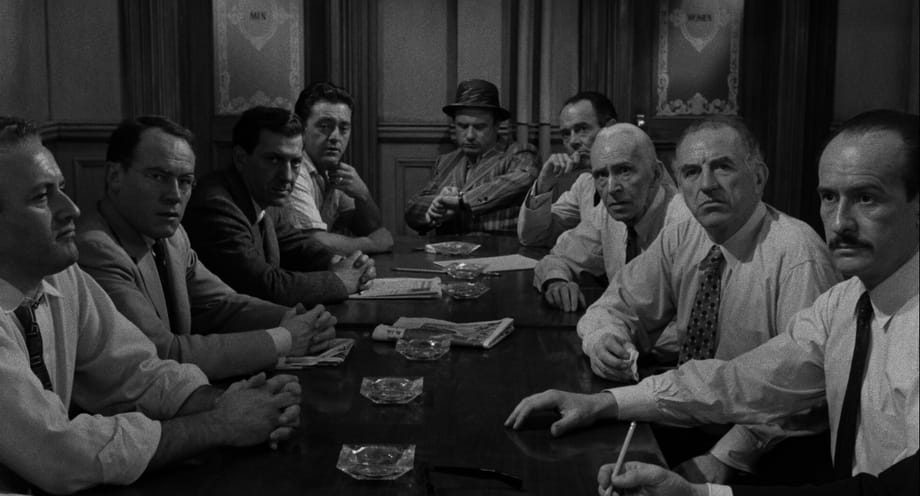
At the beginning of the story, when the intensity of emotions was still moderate, each character had more private space between himself and either his opinion opponents or supporters. As the story goes on, the camera setting and movement squeeze the space between the man, who starts to interfere with one another’s private space, thus creating a claustrophobic feeling of the lack of space in an already tight jury room. The most obvious and still underrated feature of 12 Angry Men’s cinematography analysis lies in the fact that, because of the tight room space, the camera was set consistently close to the characters. This intimacy between each man and the camera not only makes it harder to hide emotion due to documenting nuanced facial expressions, but intensify the feeling of anxiety as the debate goes further. Even though we see more general shots of the room, the camera just encapsulates all or more of the twelve men present, thus never giving us a feeling of ease.
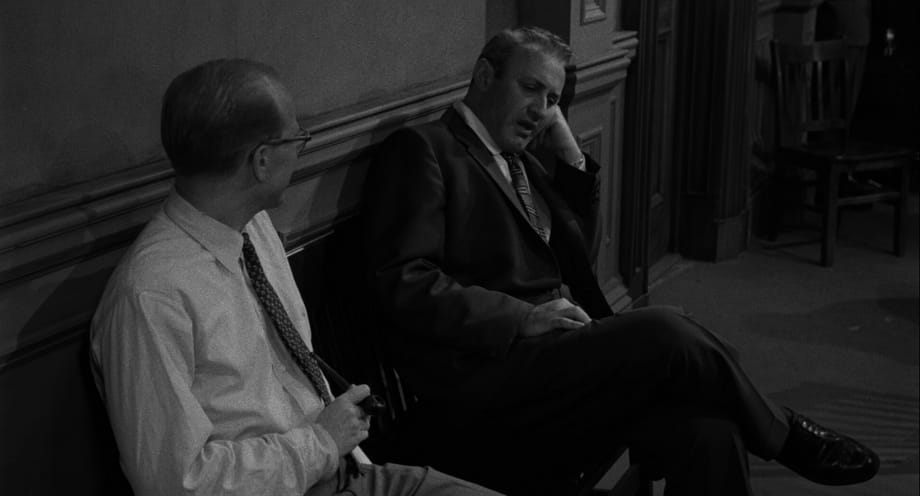
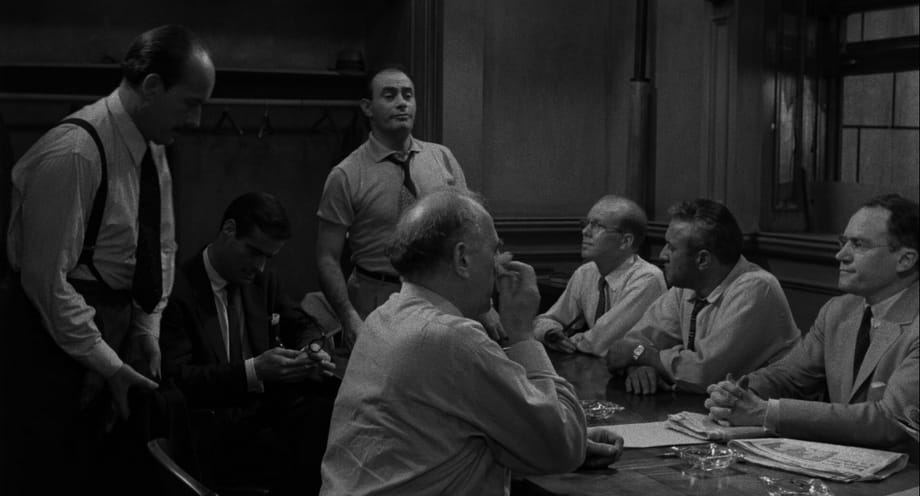
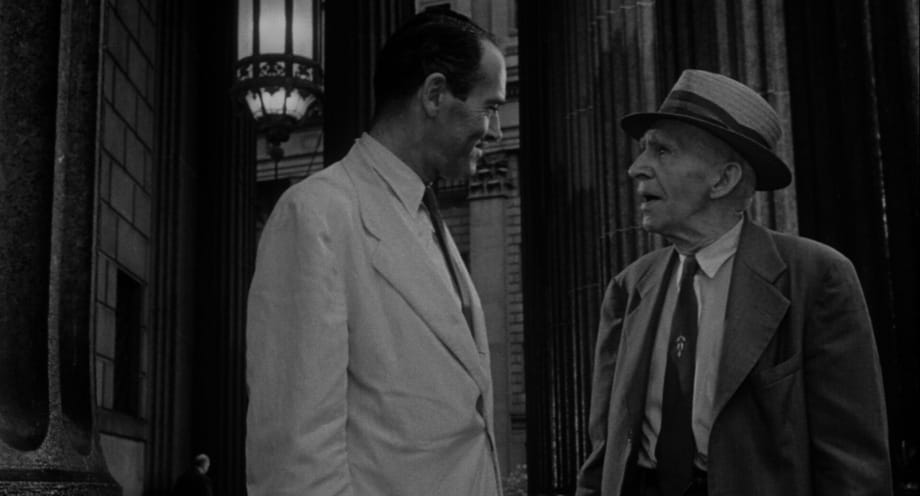
As the debate regarding the guiltiness of a young boy intensifies, the camera angles used shift from the more establishing above-eye-level shots, first to eye level, and later frequently below eye level. We should not forget that 12 Angry Men starts with the establishing shots of the courthouse entrance and the courtroom before even getting into a squeezed discussion room for juries. The camera follows accidental visitors of the building and then breaks into a courtroom and shows us not only all twelve jurors, but also the judge and later the accused boy. Cinematography here combines long shots (or wide shots) and medium shots of the men present. A few minutes later, an above-the-eye-wide shot of a room with film credits shows us all twelve men getting their places inside the discussion room, still with plenty of space between them. With this simple camera setting, the movie not only introduces us to the site but also the characters. While credits appear and twelve men pour into the room, the camera is static, while the characters get involved in casual chatting without any tension at this point. At this point, the camera creates a feeling of neutrality and objectivity.
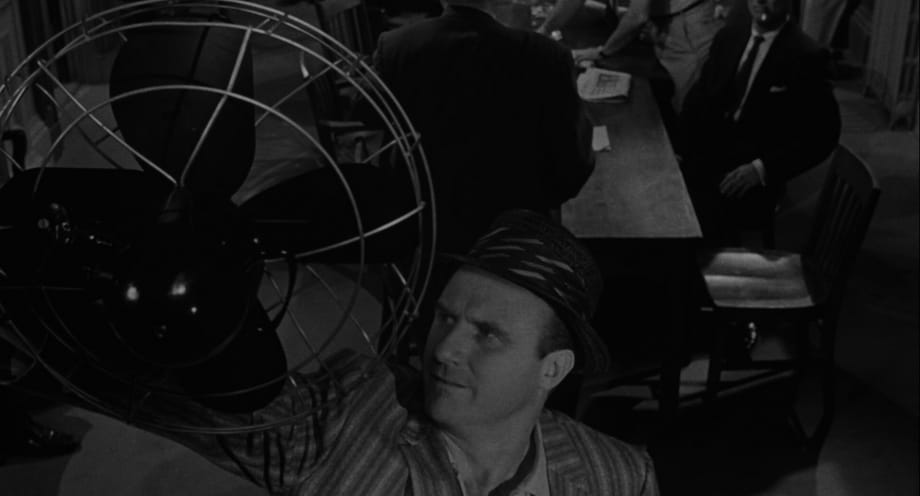
Since Juror number eight (Henry Fonda) voices a grain of doubt regarding the guilt of a boy, the present twelve men and their opinions start to polarize, and the debates intensify. In this second act, the camera meticulously shifts from the above-the-eye level with more space to the eye-level shots (creating a feeling of seeing things from an observer’s point of view), and in the final act of the story, let’s say in the last 20 to 30 minutes, Boris Kaufman used much longer lenses and low-angle shots to compress the space even more, creating a feeling of the walls and the ceiling closing in. With the long-angled shots, the subject may start to look weaker and powerless, while the environment dominates. Since in the second and third acts the reasoning behind each character’s decision becomes more weighted and emotional, the camera becomes a separate character, which gives a more dynamic representation of the debate. As an audience, we carefully follow this change in the camera angles and movement by performing an investigation into each juror. When men start to speak directly into the camera, it creates a feeling that they are addressing the audience directly.
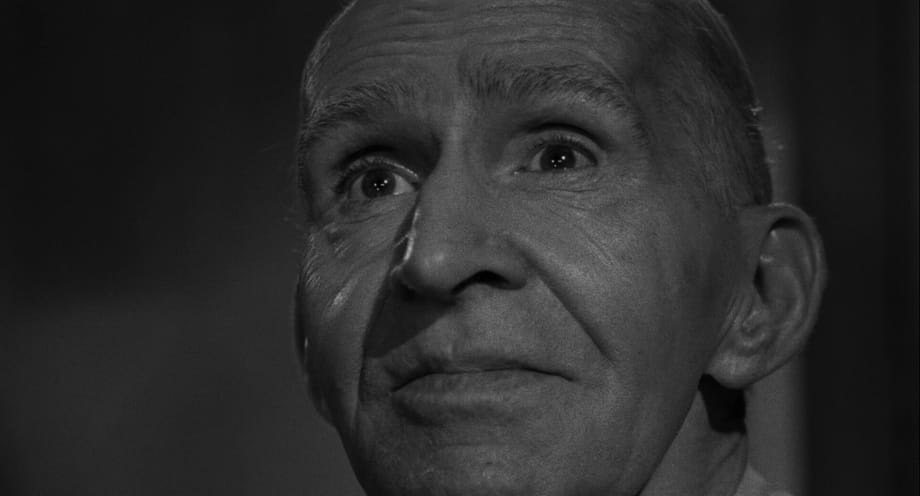
An intensive use of close-up shots helped Lumet work more precisely with jurors’ emotions. As debates became more intense and polarized, the camera could grasp micro changes in facial expressions, and the modern digitally restored version provides details such as sweat drops and even the movement of tiny facial veins. These tiny details of facial mimicry work even better when characters are confronted with their own guilt over prejudice toward the accused boy or each other. Instead of staying safely outside the accusations above the case, they got deeply involved. The use of close-ups made it possible to capture characters’ vulnerabilities and exhaustion from the ongoing debates and the emotionally charged atmosphere. While close shots of Juror №8 (Henry Fonda) first isolated his position, over time, more and more jurors were shown in separate positions, taken out of the dozen and the crowded room. After one and a half hours of tension, the final wide-open shot outside the courtroom feels like a relief for the audience as well, let alone the twelve men.
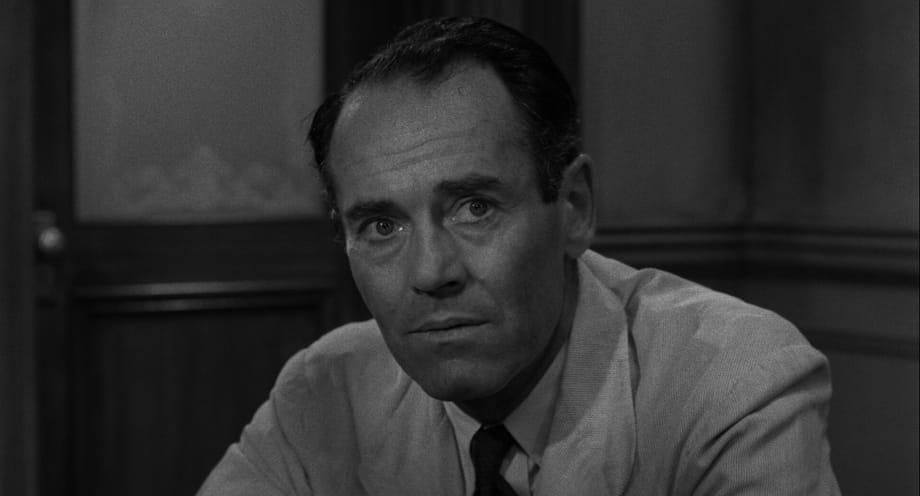
A few people generally notice that the establishing long shot in the courtroom, which starts with the fan perspective and shows all twelve men pouring into the room, then lasts for eight minutes without a single cut. It is true that Hitchcock’s ‘Rope’ premiered nine years earlier, but long takes have been unusual for the next decades, and they still impress the audience nowadays (let’s recall ‘1917’). Since the camera makes purposeful movement only and has to catch each of the characters in its own establishing way, the scene was a real challenge for the filming crew, especially for Boris Kaufman. At this point in the story, the scene depended heavily on natural light from the windows, since the final day of the court hearings was meant to become the hottest day of the year. All men feel cramped into the hot room, probably a metaphor for temporary incarceration. Some of them can’t stand an additional half an hour, while an accused boy may be deprived of his life or at least get a life imprisonment sentence.
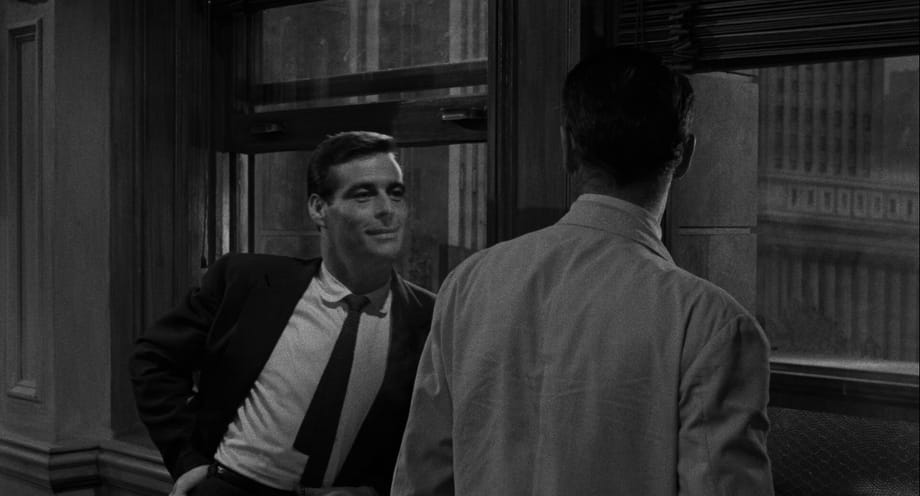
As the story goes on and an atmosphere in the room electrifies, the heat beyond the window makes space for a coming storm—obviously another metaphor for the escalating debates. The effect of electrified arguing at one moment is heightened by the darkening skies, and the lightning in the room becomes even more theatrical. A sudden darkness broke into the premises, the erupting sound of thunder in the background, and finally, the rainstorm that poured onto the streets of the city. At this point in the story, the last two jurors leave their established beliefs, especially the famous Juror №3 (played by Lee J. Cobb). It is an interesting detail that the storm starts when the fateful decision has already been made, thus giving the audience a kind of relief after ninety minutes of suspense. When the jurors leave the courthouse, we see wet columns and pavement in the foreground.
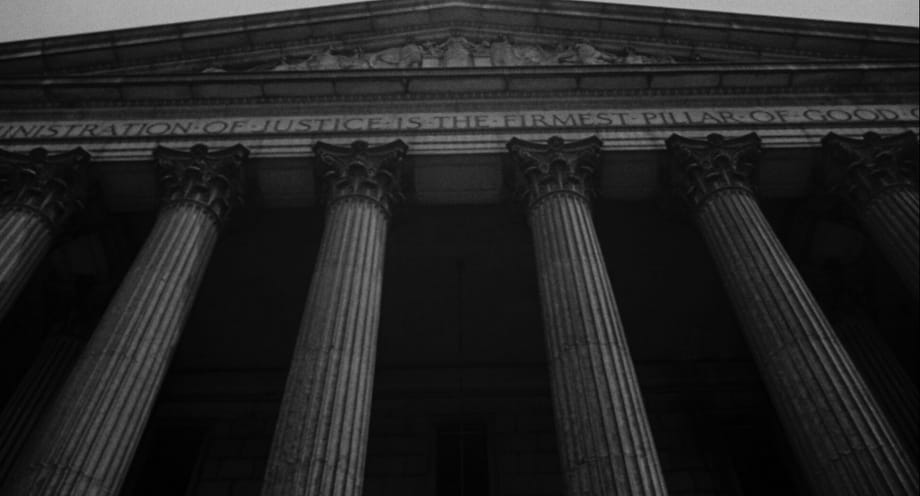
Twelve Angry Men starts with several very long shots, even before we see any of the principal characters. When the United Artists logo fades, the camera slowly moves for sixteen seconds to show the audience just the columns outside the courthouse with the famous quote: ‘The true administration of justice is the firmest pillar of good government. It is actually a quote from George Washington’s 1789 letter to Attorney General Edmund Randolph, in which the famous American president meant the importance of a fair and impartial legal system. As the story progresses and the jurors dispute around racial and social prejudices, these words become even more vivid. The legal system should serve as a cornerstone of a functional and healthy society.
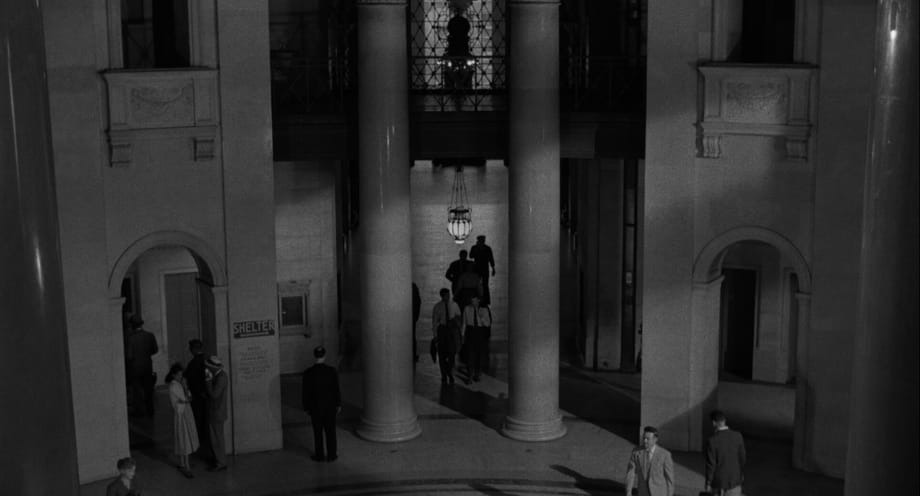
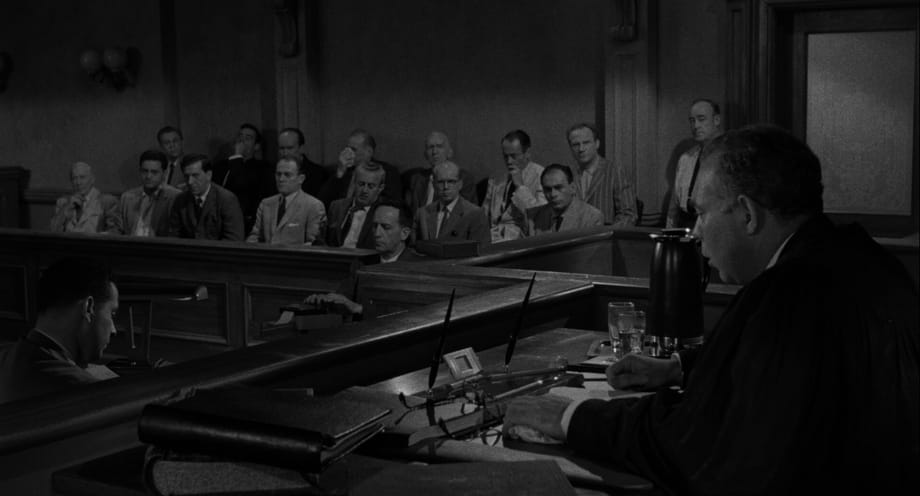
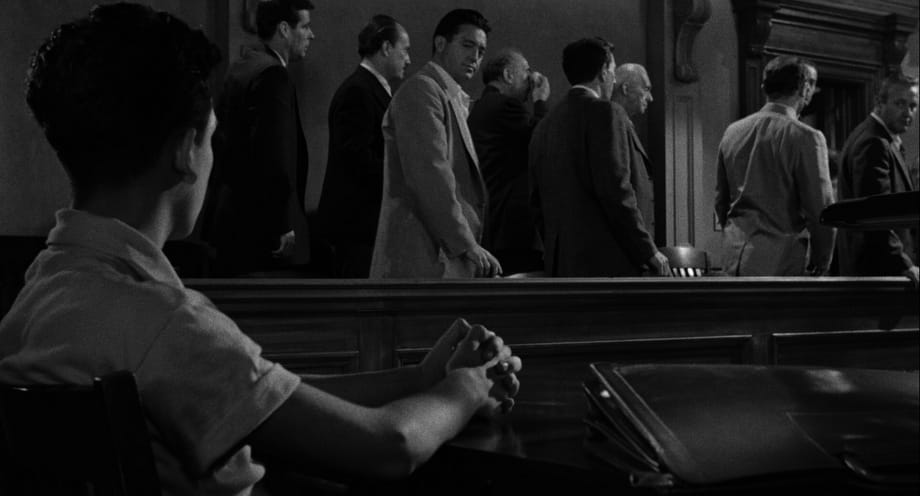
The next take does the opposite movement, slowly from top to bottom. Without any cuts, the camera starts to follow random people inside the courthouse, thus avoiding expectations regarding who the principal characters of the story are. The upcoming long take shows courtroom №228 and presents all twelve jurors in the background, with a judge delivering his speech. The camera slowly moves from right to left and captures the facial expression of each of the twelve men. After a few more seconds watching the jurors from the perspective of a judge, two important takes give the audience a perspective of the accused young men, first catching the leaving jurors from his back and then showing their disturbed mimics.
Then follows the above-mentioned seven-minute single take, which starts from the above-the-eye level and casually shows us twelve men from different social backgrounds, mainly relaxed at this point, who have casual talks and discuss weather forecasts, sports, and work. It still seems unusual that any of them should later turn into ‘angry men’. Instead of jumping around, during these seven minutes, the camera drifts around the room and among the jurors uninterruptedly. Such an abstract observance struck the audience with a feeling that all jurors form a collective group, and there are no principal characters. Such a slow pace of camera movement and calm atmosphere at the beginning show us an initial apathy among the twelve men, who are more interested in going home or doing their business rather than investing effort into the case.
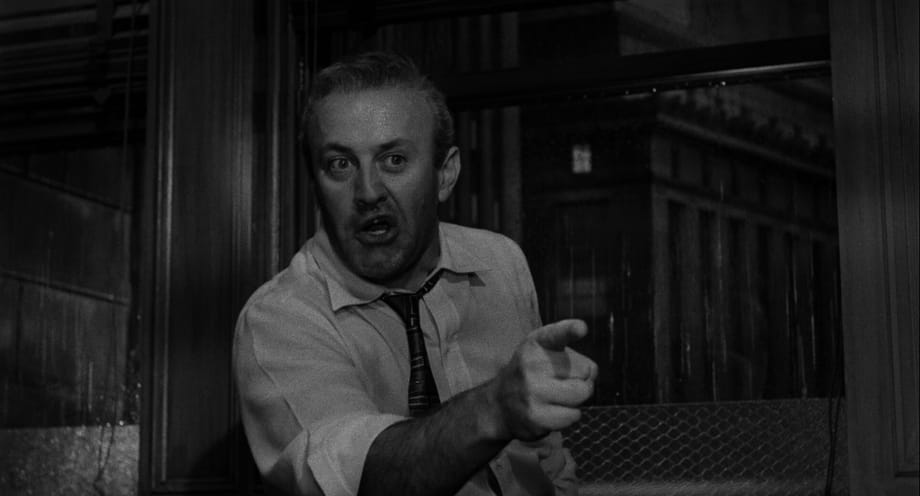
When Juror number eight, played by Henry Fonda, stands out among the group and calls the almost unanimous guilty decision into question, the editing pace of the movie changes fundamentally. As the atmosphere in the room becomes more and more electrified and intense, and the arguments confront two or more men at once, more frequent cuts with often-shot reverse shots highlight the opposing viewpoints and the clash of opinions. Since in the second half of the story, as was mentioned above, the camera uses telephoto lenses, more frequent editing, and escalating cuts, the film now feels more and more claustrophobic. As editing becomes aggressively shorter, it becomes a separate character. As a result, nearly half of all cuts in ‘12 Angry Men’ take place in the final twenty minutes of the story.
Read me
Spike Lee’s Inside Man with Denzel Washington still remains one of the best-recognized hostage-taking movies with tricky plot, multi-level characters, and an open ending
Read me
While being an entertaining movie by Chris Columbus, Mrs. Doubtfire analysis brings a powerful message to spouse and parents on how they can raise a happy family even after a divorce.

Read me
At the surface, another entertaining comedy with Jim Carrey, Yes Man appears to be a self-helping guide for seeking a balance between proactivity on the one side and staying close to people and our core values on the other

Read me
Mark Watney is a man of action, a can-do attitude who faces the challenges of alien planet and loneliness with a smile on his face and his story, though a fictional, has so much to teach us in our everyday life

Read me
An incredible true and dramatic story of the firefighter squad of Arizona comes to be one of the best drama movies of the past few years. Only the Brave story deserves attention

Read me
The best movies about slavery, racial segregation and Racism in United States ever made, among the dozens of existing ones – fictional and historical-based