


 5,00
5,00
Read me
Inferno filming locations
A detailed guide across Inferno movie locations in Florence, Venice, and Istanbul. Robert Langdon is on his way to save the world
FILMING LOCATIONS

Tim Burton’s Gothic story about a strange boy with Scissorhands reveals some common insecurities we feel toward the changing surroundings and other people and can teach us how to be human
Making a few steps back from our era of monotonous sequels and sterile plots, to 1990 and Edward Scissorhands, you start to appreciate the directors such as Tim Burton even more. A weird, grotesque story with the rising stars of Johnny Depp and Winona Ryder, thirty-five years later, still gives us an escapism journey from our routine reality. Edward Scissorhands’ character analysis is not caught only by its extravagant protagonist and non-orthodox romantic story, reinterpretation of either Frankenstein or The Beauty and the Beast. While Edward was more like a homunculus rather than a machine, or better to say robot, his artificial intelligence, you would agree, ideally matches the issues and curiosities of our time. We have seen many excellent sci-fi movies touching on what it means to be human, but a few gothic fairy tales speak on the same topic. Tim Burton used colors, music, camera angles, characters inspired by his background, references to literature and art, and his talent to make the story legendary and immortal like Edward himself. While the director may one day leave this life, his cinematic avatar will live in the hearts of new generations.
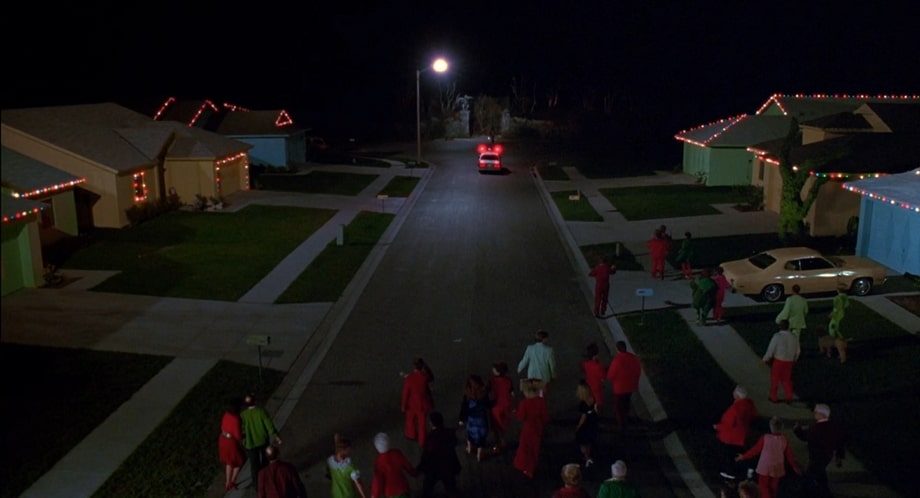
What starts in the opening scenes and does not leave the story up to the end is the use of colors and color contrast between two worlds: Edward and his gothic castle, and the town beneath. One would say that the bright yellow, green, red, and blue houses and clothes in the movie look unrealistic and are only half-true. Of course, Tim Burton exaggerated the color palette to work with his characters. Still, in a wider sense, the movie only hyperbolizes the style and the culture of consumption of the post-WW2 generation in the United States. The years of depression and war finally made space for a new, prosperous approach to living, and people were enthusiastically taking advantage of the world around them. Sometimes with excesses and overcompensation, yes, losing their identity sometimes, but we are not perfect. I suggest several interpretations of Edward Scissorhands’ unique color decision, and probably all of them are relevant.
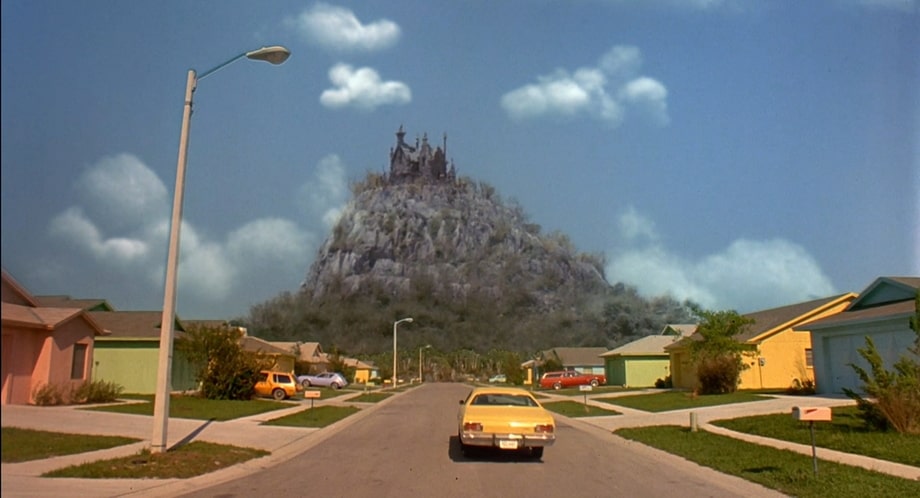
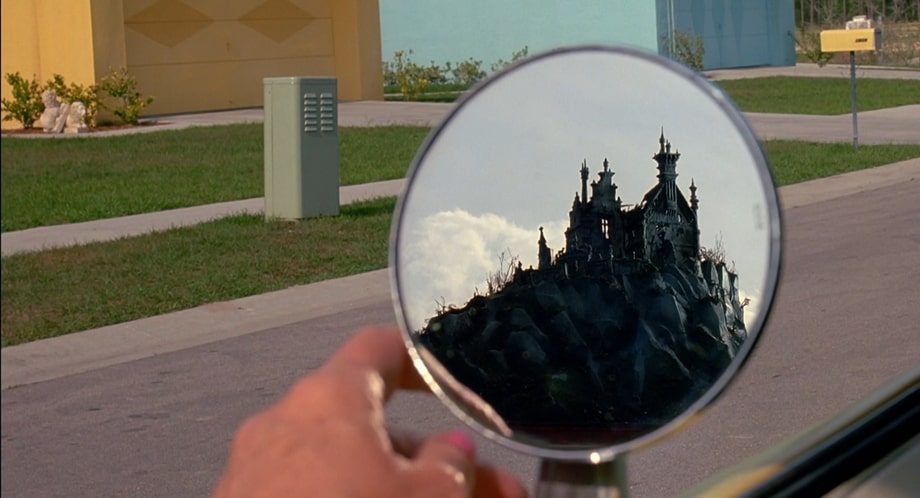
Tim Burton repeatedly admitted that Edward was a projection of himself as a weird teenager who had problems communicating with others. Since the story is meant to be seen from Edward’s perspective, the bright colors and people in the town represent the perception of a boy who gained access to the world of grown-ups. Remember his first acquaintance with alcohol with Bill Boggs, or complete immaturity when dealing with women, and the pushy behavior of Joyce, listening to the anecdotes of the men from the neighborhood, visiting a bank, or being invited to the TV studio. Edward falls in love with Kim after only looking at her photo. He behaves awkwardly in her presence and is unable to express his feelings.
Like a teenager who had just left his childhood surroundings, Edward leaves his gothic semi-devastated castle for the first time in his life (or existence) and opts for a new world beyond it. Sticking to this metaphor, his old house of land shades of grey and black represented his past, with his father and the limited things he had told his son before passing away. For the generation of children who lived after World War Two and lost their fathers before the latter had had enough time to teach them, the bright colors of adulthood look even more vivid. In this way, the grey tones of the castle represent the shell Edward had left and the loneliness he experienced after the loss of his parent, the only living souls in that place. Leaving the castle and going to the town is not only a chase for bright colors, houses, cars, and dishwashers, but an aspiration for socialization, meeting other people, and making relations: unique values we all need in our lives.


Returning to the topic of artificial intelligence, another metaphor explains the contrast in perception of the two worlds. Regardless of his uniqueness and ability to look like a human, Edward is not a real person but a creation of an inventor. His brain is sophisticated compared to the machines in the castle that baked cookies, but he still lacks emotions at the beginning of the story. His father gave Edward basic knowledge and taught him to speak, but Edward acted more like a robot in the movie’s first half. In this vein, by leaving the castle, the laboratory of his birth, Edward goes beyond the algorithms and the books he had read. Compared to his basic knowledge or even to installed software, the world of human emotions, their indeterminism, and accidentalness looks bright to an artificial human being.
As the story goes on, Edward is himself absorbed in emotions and imperfections, and the world around him does not look as vivid as before. Speaking about the challenges of our times in the issues of artificial intelligence, it potentially just needs time, not just to emulate human emotions, but to experience them and forget that it is not human. Toward the end of the story, Edward returns to his castle not so much because of the fear of police or public ostracism, but to avoid hurting Kim and her family, and after realizing that he does not belong in the town. In the final scene, we see pretty much the same castle with mixed colors of black and grey, but also with flowers in the garden. It is not an exaggeration to say that the most important transformation occurred inside Edward, and he brought the colors of life from the town, especially his love for Kim, with him. Maybe he had a heart made of something more substantial than a cookie.

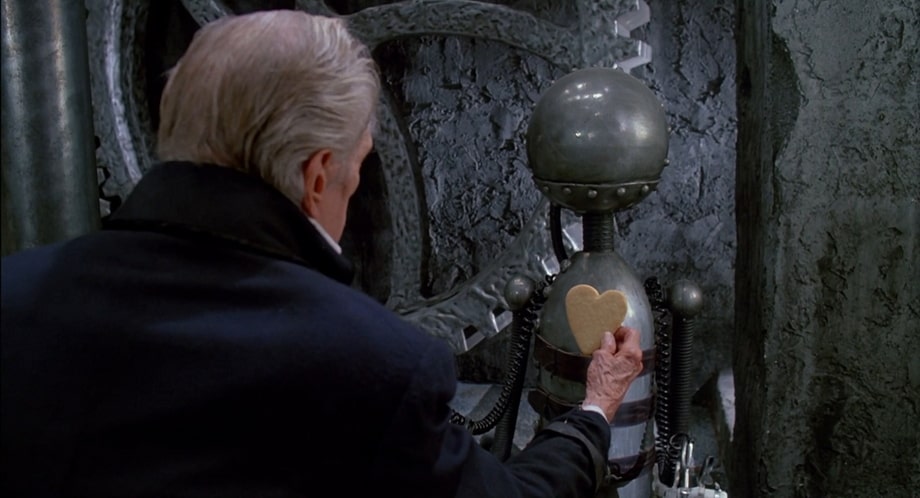
The third motive I want to investigate is the visible time gap between the inventor and his castle and the outside world. Compared to the outdated references to the 1950s, the mansion above the hill looks like something from another era, the 19th century at least. The inventor, performed by Vincent Price, looks like a romantic creator of the past era, a man from another century, which was almost true for the actor born in 1911. The interior of his home and laboratory, and even his creations, look archaic and bring us back to the times of the Industrial Revolution. Even his cookie-baking line looks from the middle of the 19th century. Speaking about other stories and movies, we can remember Tarzan, Adam from the excellent film ‘Blast from the Past’ (1999), or Leo from ‘Kate & Leopold’ (2001). They were all strangers in the modern world, but had better chances to live happily. Even the protagonist’s name, Edward, is probably a reference to the so-called Edwardian Era.
The inventor wanted to make the world a better place and change it for good (even though probably no one knew about his inventions). He was guided by his best motives while creating Edward, an artificial man with a cookie heart. He tried to make a boy a gentleman and taught him based on the old books from another era. He brought Edward in a way that had been outdated for decades and did not fit the world around them. He could have become an apogee of progress a hundred years ago, but he is a stranger to the world of the late XX century. More than that, the inverter was a genius, but he missed the point of just how Edward, an immortal human, would live after his father passed away. We may even assume that with real functional hands, he could live an almost normal life, but the scissors made this impossible. Being immortal, Edward was destined to see how people he cared about would get older and die, leaving him alone.
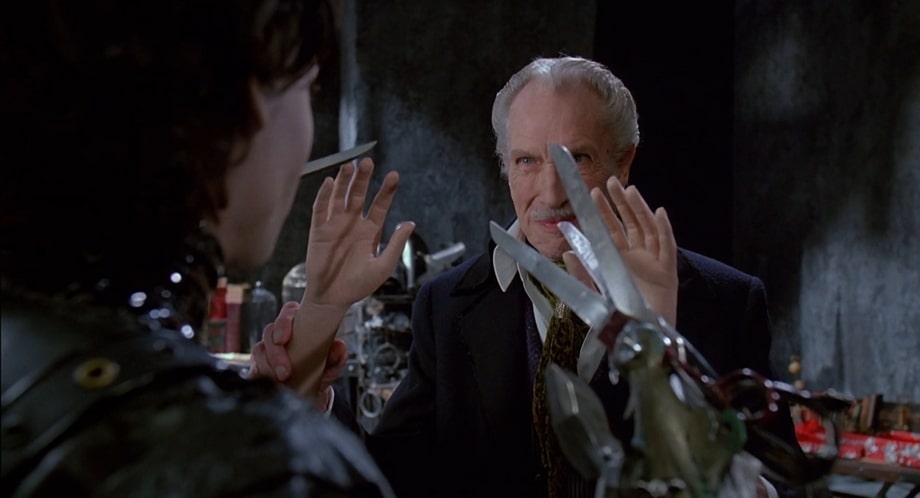

Despite being a host in the Frankenstein-like castle, a man with pale skin and scissors instead of hands, initially, the coming of Edward to the town below the hill, makes a fuss among the citizens, mainly women. The first person who couldn’t pass by Edward was Peg Boggs, a local housewife and an Avon seller. It seemed that for decades, no one cared about the mysterious castle on the hill, and Peg went there in desperation after being unable to sell her products to the people she knew well. Sticking close to the motives of progress, science, and inventions, Mrs. Boggs opts for something new in her life and gets outside the box of doing the same things every day. As the story goes on, we discover that Peg was probably the only kind person in the town, who, among other differences from her neighbors, was not interested in Edward as a man. Toward the end of the story, she realizes she is too naive to try to make Edward fit into this world and become a part of their family.
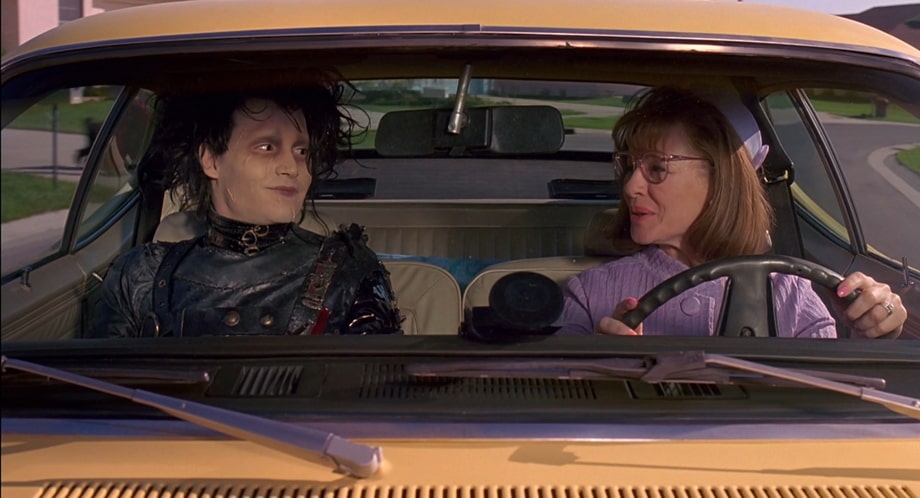
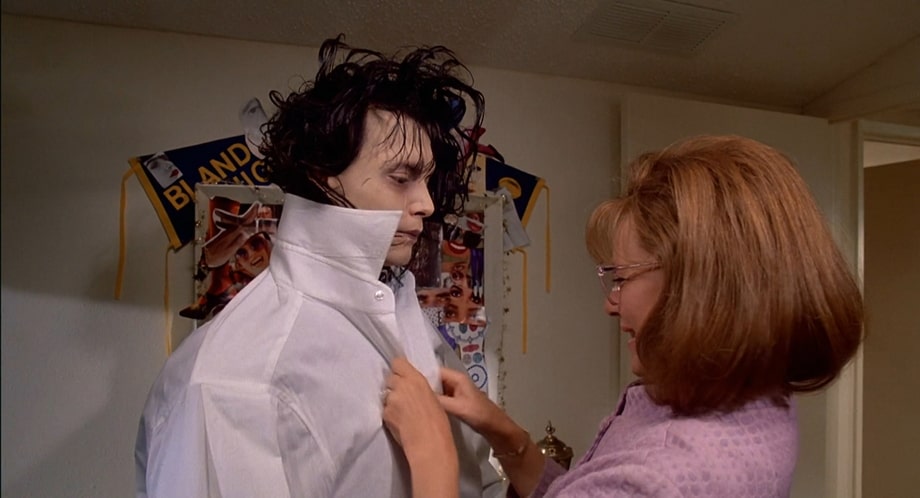
Speaking about other women on the street next to the Boggs family, they lived in an endless circle of everyday routine for years. This detail was introduced by the scriptwriter and director intentionally, thus making another reference to the sugar-like image of American families, which has always been only half-true. The movie hyperbolizes the boredom in the town with people going around in circles, leaving for work at the same time every morning, coming back simultaneously in the evening, and spending time in front of a TV set or the kitchen. Take note that the women became enthusiastic even without seeing the newcomer, but just because some new men came to the town. Even Edward’s pale face, a leather suit instead of skin, and his Scissorhands do not prevent those women from making fantasies about the stranger. Some of them are twice as old as Edward. With all this, the movie shows how desperate these provincial women were.
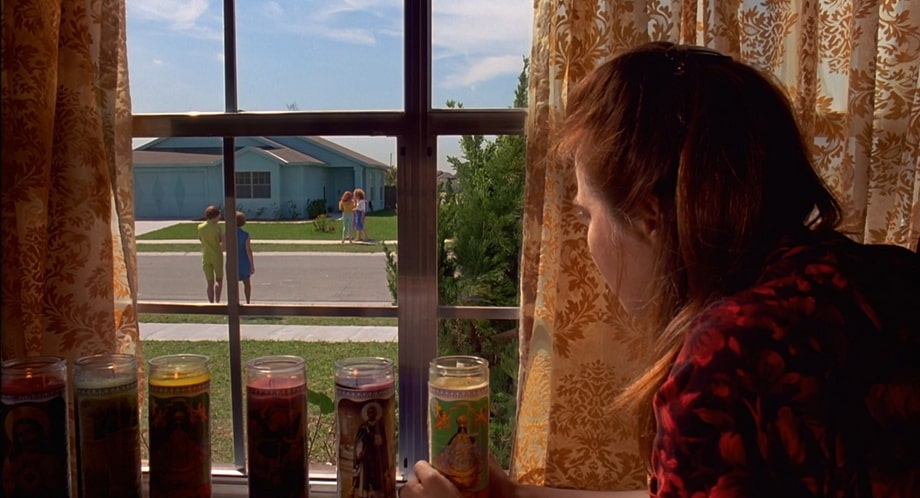
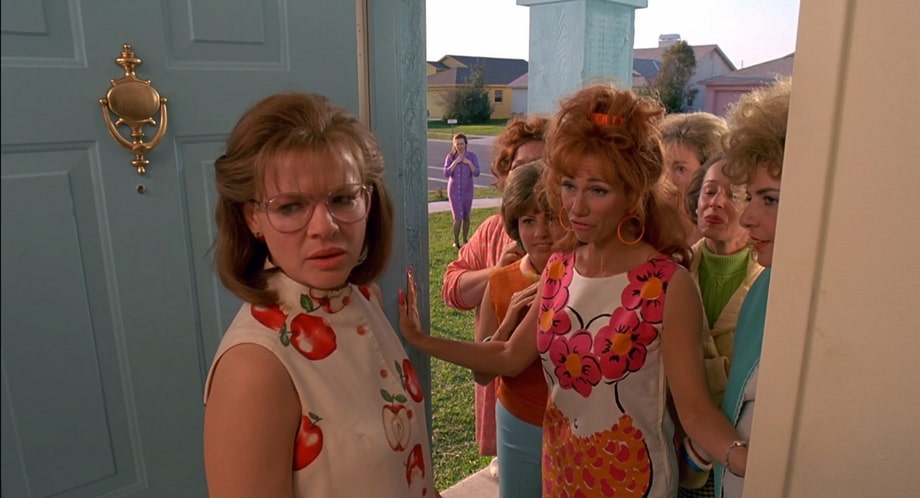
One may assume that their attitude toward Edward changed after some unpleasant accidents, such as his arrest, mainly based on Joyce’s false accusations. In reality, they treated Edward with curiosity and some uniqueness, trying to fill the gaps in their lives, but it took them only several weeks to do the same thing they had previously done with all the good things in their lives: they got bored. Being a post-war generation of big possibilities, superfluity in food, cars, green lawns, dishwashers, and TV, they got used to it and took all the good in their lives, including their relations with close ones, for granted. They got the bellyful of little things of life, stopped changing themselves, tried something new, and thanked each other for their very presence. In the beginning, everyone was thrilled with Edward when he personified something new, but since they were used to it, the initial fleur vanished. They hated him like they hated each other in one way or another, but it was easier to ostracize a stranger with Scissorhands than people who were just like them.
Even Peg, evidently the second kindest person in the story after Edward himself, who sincerely wanted to help him, treated Edward in her own way. She took him to her home because she considered Edward lonely and abandoned in the old castle, which was, of course, true. On the other hand, she did not think properly about whether it was possible for Edward, a pure soul, to live in their neighborhood, where she had no friends or people who cared about her life. It is safe to assume that Peg Boggs, with all her good intentions, also treated Edward with novelty and a challenge, whether she could treat his scars with Avon cosmetics and make him fit the surroundings. When Edward showed his unique haircuts and tree trimming skills, Peg suggested opening a business like other people usually do in their world, but Edward was never like other people. Another example is her husband Bill, who is shown as the most boring middle-aged man. He also tries to change Edward to fit the environment rather than to help him preserve his uniqueness. Ultimately, they both saw the boy becoming a fully-fledged member of the local society, with a business, real hands instead of scissors, and the same boring life.
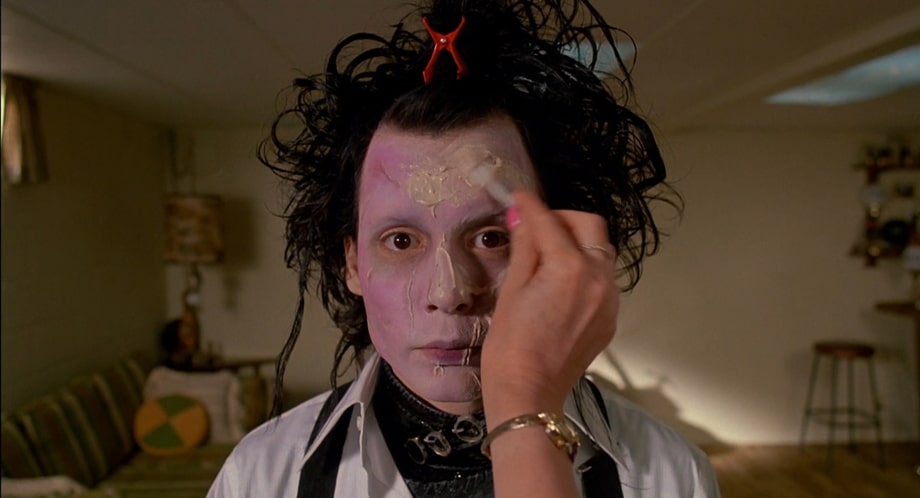

Returning to the bright colors of the surroundings, people in the town, mainly on the same street, appeared very self-centered and judgmental. In many ways, their skills of bullying other people or rumoring bad things have developed as compensation for their boring, uneventful, and even, to as,y pathetic lives and self-esteem. They treated Edward with novelty, wanting him to bring something new into their lives. They got new haircuts and tree statues, but when this was not enough, they hated Edward because he was unique and because he could never become one of them, one of the boring neighbors. When Edward was confused by Joyce’s action, actually acting like the child he mentally always was, she accused him of her sins. Everyone in the neighborhood knew Joyce well and could easily guess that her accusations were false, but they took her side just because she had always been one of them. Edward was a stranger who refused to become a banality and fit what they wanted to the extent they wanted. Joyce wanted Edward to work in her beauty salon as entertainment, while he thought about giving Peg a place to sell her Avon cosmetics.
One of the vivid examples of how quickly the local people got bored with Edward is Kevin’s loss of enthusiasm toward his new friend. During their first meal on day one, Kevin asked many questions and was thrilled by the presence of Edward, and later on, he took him to school like a pet. Several days later, Kevin lost interest and rejected Edward’s suggestion to play with him in rock-paper-scissors. After taking Edward’s uniqueness for granted, the local townspeople tried to absorb his novelty and turn him into themselves. When this process failed, they hated Edward to excuse themselves for their mediocrity. His immersion into this boring middle-class community came to nothing because Edward was a unique and gentle person, of whom most of the local people tried to take advantage. When they sucked something novel from Edward: a haircut, pet grooming, a TV show, a tree statue, and assistance with a lock during the robbery, they abandoned him.
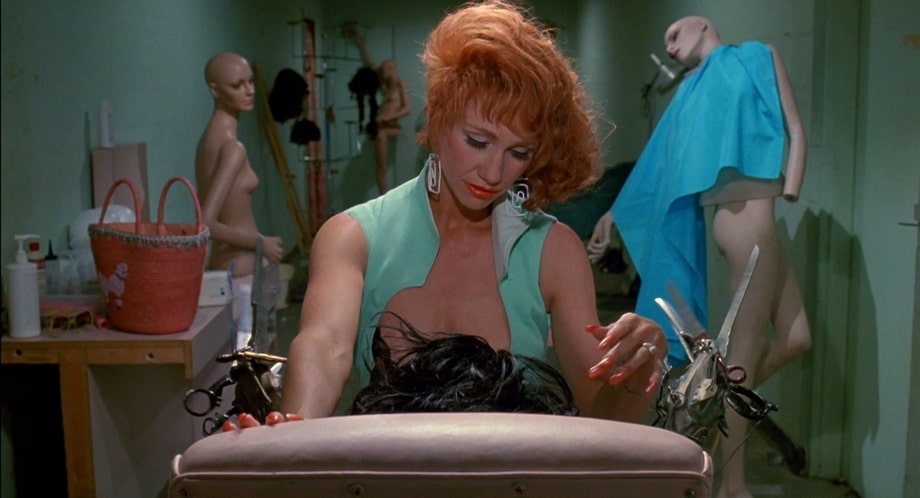
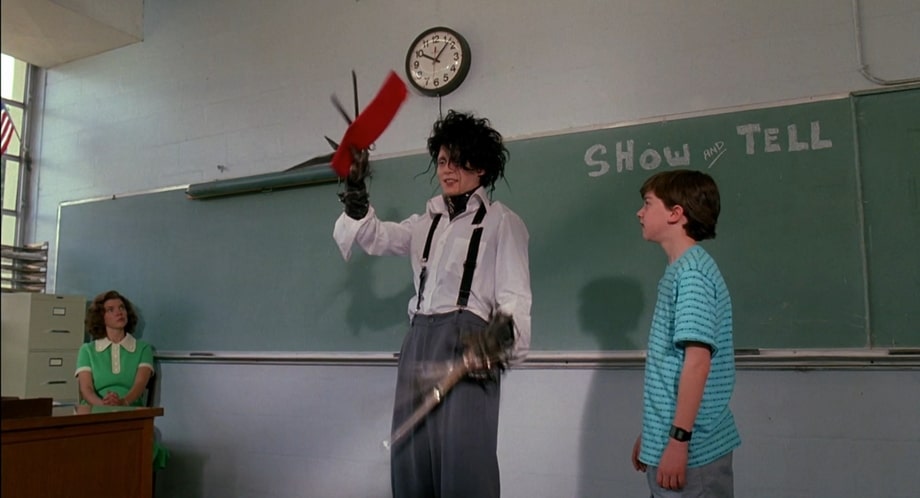
He was manipulated several times, and it is not the attitude people should implement if they care about someone. Regardless of his naivety as a child, Edward understands the rotten nature of most of the people around him. He tried to adapt himself to the local society, but his innocent nature made him an easy target and an object for manipulation. What hurt him the most was Kim’s behavior when she left him behind to face the police. Toward the end of the story, each of the Boggs family realizes that Edward does not fit their world and can not live with them. The local people turn into a mob, who chase Edward for their sins and get back to the references to Frankenstein, evidently, they are monsters, but not Edward. When Peg Boggs brought Edward to the town, she did not think enough about his chances for socialization with local people, who are mostly cruel, especially toward gentle and kind individuals. She saw a new purpose in her life after being a housewife who had been losing contact with both her passive husband and her children, but in the end, this new reality vanished, and she got back to her true self like Edward did.

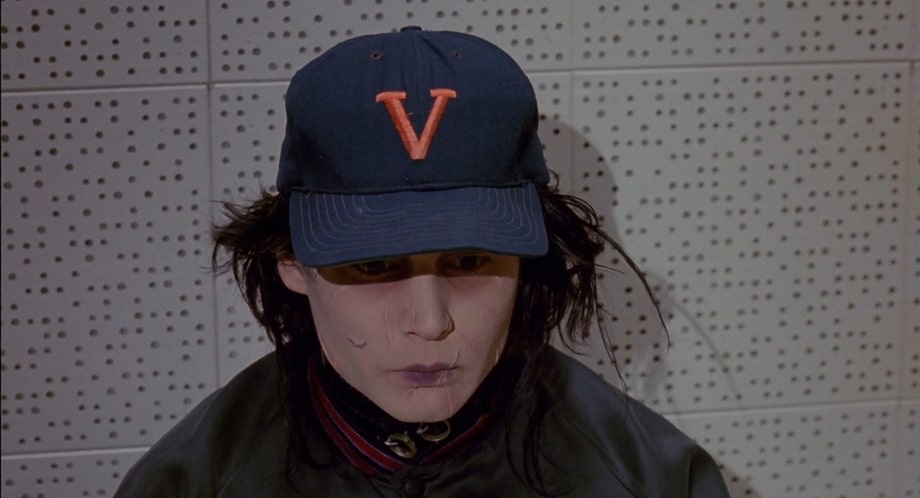
The townspeople could never understand Edward for who he is because they lie to themselves and rarely live their truth, even if it is unpleasant. Their year-long manipulation of emotions and true intentions, hidden beyond vivid color palettes, cars, dishwashers, green lawns, and what is more importantly, false smiles, inevitably lead to betrayal, anxiety, grief, corruption, break of relations, and loneliness. Having their families and neighbors around, most townspeople were as lonely as Edward in his dark castle. Probably if both the Boggs family and other people appreciated Edward for who he was from the beginning, or at least tried not to make him fit their own lives, the story wouldn’t have ended so tragically. At the culmination of the story, the cruel mob manages to turn an innocent, gentle, child-like individual into a murderer. Such a climax shows what can happen when people try to change someone into one of their own. Even considering the need to protect himself and Kim, Edward kills Jim and thus loses his innocence.

I said a lot about Peg Boggs, but we should say a few more words about a young Kim. At the beginning of the story, she treats Edward more like a monster than a novelty. Yes, she pretended to be someone else, mostly because of her toxic relations with Jim, but she has not yet covered this past like most of the people around her did. With time, as the attitude of other people began to harden toward Edward, she instead felt affection and admiration for him. It is difficult to call this love, but after Edward sacrificed his comfort of being taken to prison because she had asked him to help, she sees the difference between her abusive boyfriend Jim and Edward. Jim, a boy from a wealthy family, is a rotten, cruel person who would have become a home tyrant if Kim had stayed with him. Kim understands that there is no way for her to stay with Edward, simply letting him live is relatively safe since their relationship could lead to another tragedy.
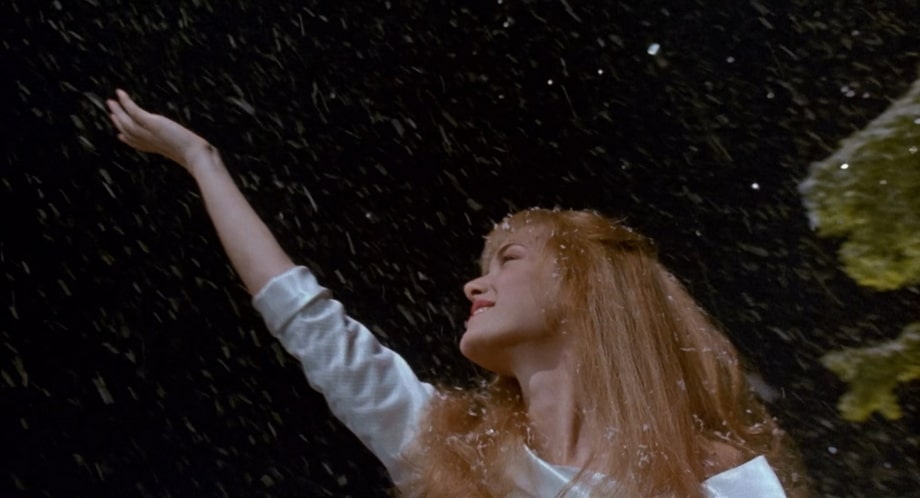
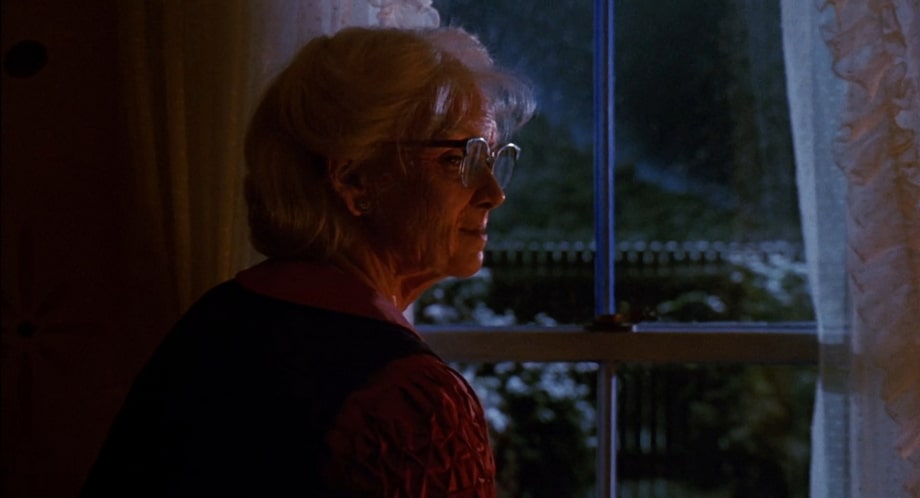
She tries at least to save a part of the former good perception of him, telling the mob that both boys killed each other. While other people covered the way from enthusiasm to hatred, Kim went from disgust to seeing who he truly was. At the end of the story, she is the only person who did not abandon Edward. The tragedy of their separation is her understanding of what a kind and protective person Edward was, and the need to end this relationship and live the rest of her life without Edward. She did not tell anybody about her experience and Edward’s secret (that he survived) until her elderly days, and then in the form of a fairy tale to her granddaughter. It is safe to assume that Edward saved Kim from becoming a cruel and indifferent person, another boring housewife, and we hope that she has lived a good, respectful life.
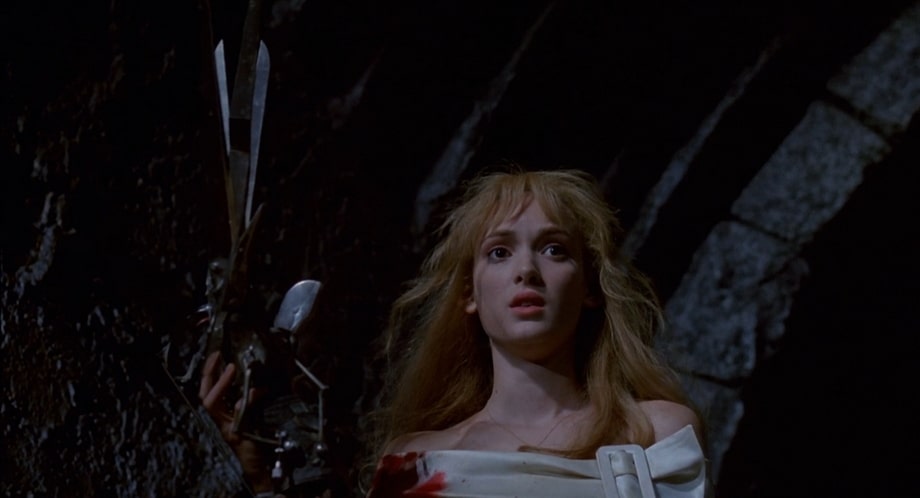
As I explained above, every notable character among the townspeople tries to put Edward into their worldview. Peg initially regards his castle as the home of a potential new client, then she regards him as a child who needs help since her relations with her own children are shaky, then she takes care of his scars with Avon Cosmetics, and even discusses his problems with a local boss. She reinterprets him into the Boggs family and the local community, thinking that medical intervention or a bank loan can make him happy. Bill Boggs either teaches the protagonist like another child or shares a glass of hard liquor while trying to make the latter a respectable man from the neighborhood. Kevin initially treats a guest like his buddy, but later loses interest. The local religion weirdly calls Edward a devil, trying to put his appearance in her paradigm. Joyce regards Edward as a novel sexual partner, better than a dishwasher repair master, because of her way of life and cheating on her husband. Even a local elderly war veteran initially tries to comfort Edward by speaking about physical defects but later, when the tide of public opinion changes, he calls Edward ‘that cripple’. Probably the only caring character is the local policeman, who admits that he lost his sleep because of Edward, and in the end, he lets him go to protect himself from the mob.
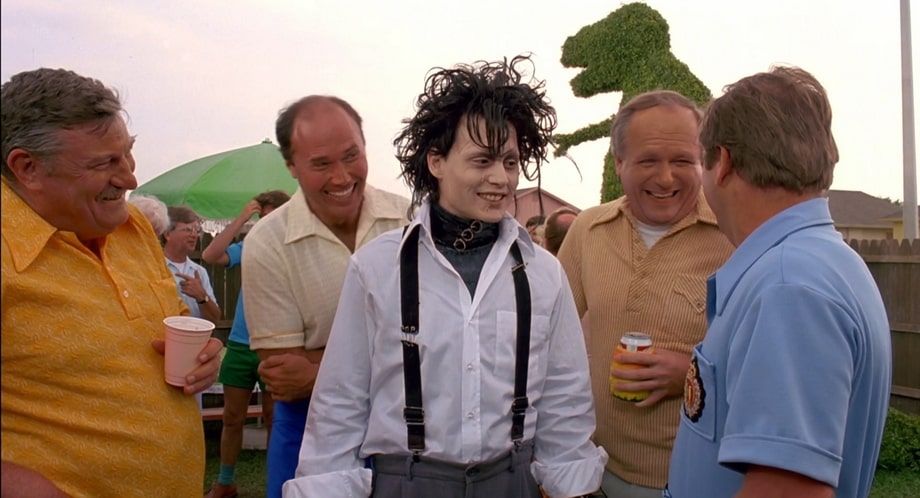

Speaking about Edward, as the story progresses, we see that his character has slightly changed, except for his affection for Kim and taking care of the whole Boggs family. He wore casual clothes, slept on a waterbed, ate green peas, visited the local TV studio, and did many other things that other people expected from him. Still, he remained the same Edward from the castle, which contradicted the local bedroom conformity, and at the end of the story, made them hate and pursue Edward like a beast, acting like a mob in the Frankenstein story. Take note that the townspeople not only suppressed their emotions in a stagnated environment but also simulated and imitated each other. When Edward gave Joyce a haircut for Joyce, all other women craved to get the same, as well as green statues after seeing Edward’s works for the Boggs family, or haircuts for dogs. They used to copy colors, cars, work schedules, clothes, habits, men’s shorts, and finally, behavior and public judgment. One of the most catchy phrases of the movie actually originated from Peg, who said: We blend and blend; blending is the secret’, thus explaining the established conformity in the town, making an individual look, sound, and behave the same as the others. At the story’s beginning, people in the town look so full of life, united in contrast to a Gothic Edward and his shady castle, but the reality is the opposite.
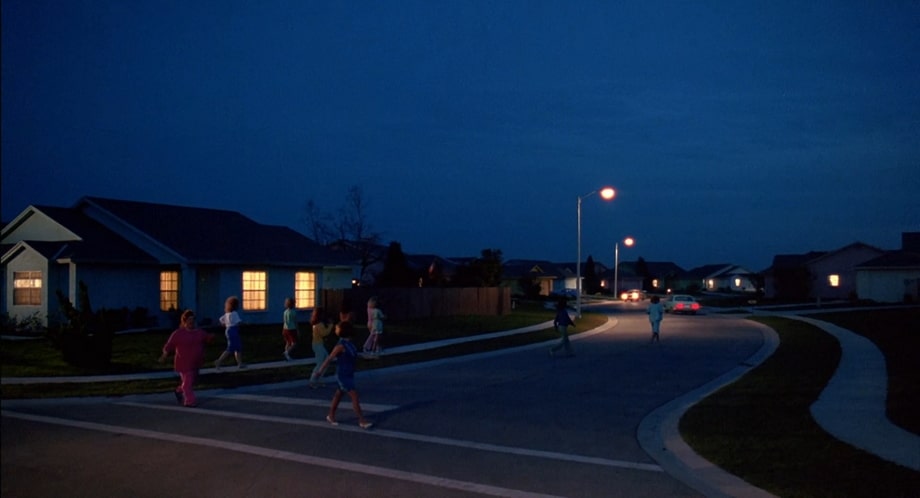

By rejecting Edward’s individuality, the townspeople exclude the strangers from their established lives, thus recognizing their lack of humanity. Edward is unique because, in most cases, he acts more like a human than all these educate,d mature people around him. We can refer to children, who are born unspoiled, and see the first years of their lives through the pink glasses until they find out the rules of the world and adapt themselves to everyone else’s expectations. Recalling the fact that the protagonist was an artificial human, he fortunately lacked many of the faults natural to humanity. Yes, Edward made efforts to adapt to the surroundings, but mainly for the sake of the Boggs family, to make them feel comfortable next to him. Throughout the story, he remains himself while the townspeople beneath only follow the common models of behavior, and in this sense, they look more like robots than Edward himself. The never-ending topic of what it means to be human, so common in classic sci-fi stories, gets a new life in Tim Burton’s ‘Edward Scissorhands’.

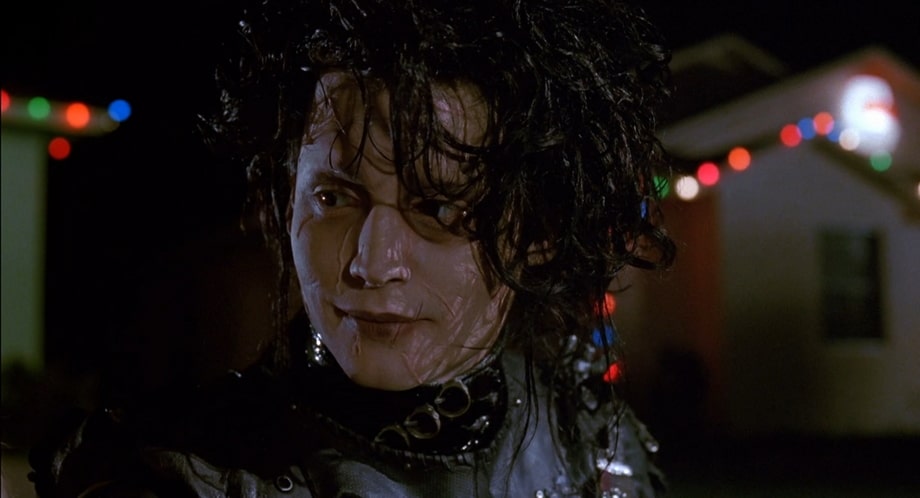
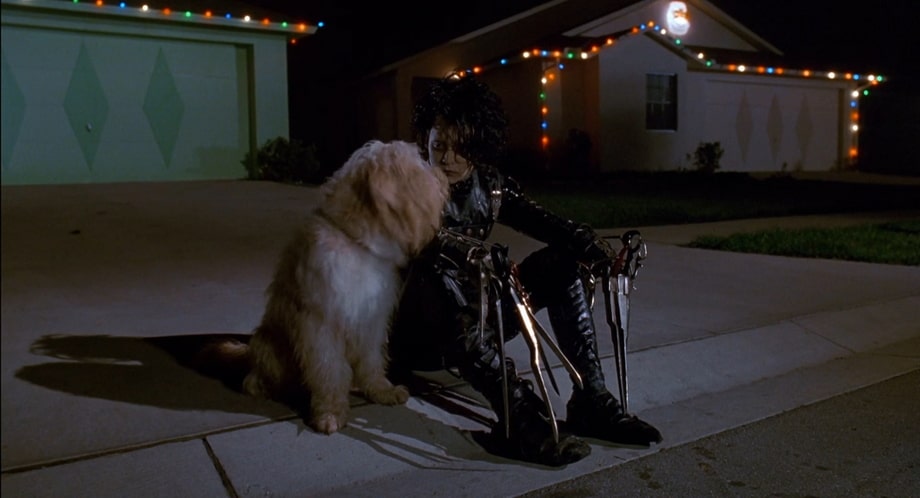
Edward’s emotional turning point comes in a scene when he feels furious and frustrated when he sees Kim next to her rotten boyfriend Jim. He cuts his clothes, thus rejecting the new false identity, and later, he even ruins some of his green statues. When it seems that Edward goes mad, he helps a dog to relieve his eyes from excessive hair, and we understand that Edward remains the same gentle person. None of the doctors that Peg Boggs suggested can help with Edward’s hand, can help because he needs a genius engineer to fix this, not a doctor, since Edward is a unique creation, an artificial person. On the other hand, regardless of lacking hands, he is more human than most of the people around him, except for Peg, Kim, and the policeman. Although at first, it seems like Edward is an artificial character in this real world, he and several other characters are real people in artificial surroundings. Most of the people in the town do not feel affection for anyone, even close ones, and being human also means loving and taking care, remaining loyal to people whom you care about, protecting them, showing compassion, and being ready to sacrifice your comfort to make their lives better. Both Edward and Kim do this in the end. The movie’s main idea is that it does not matter how you look (don’t judge a thing by the outside), but what is the person you are inside and how you treat other people, even with Scissorhands.

Read me
A detailed guide across Inferno movie locations in Florence, Venice, and Istanbul. Robert Langdon is on his way to save the world

Read me
National Lampoon’s European Vacation has made its place in history as one of the best travel movies, and this time they came to blend in the crowd of French people in Paris.
Read me
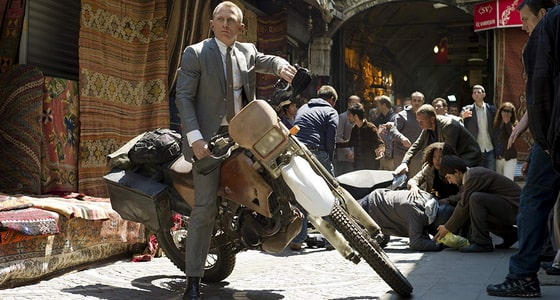
The opening five-minute sequence of the Skyfall movie takes us on a memorable journey across the street of Istanbul. Let us find every Skyfal Istanbul location

Read me
This comedy from the 90s indeed has so much to teach us even today, especially in regard to putting high value into what we have in our lives. Mr. Destiny deserves two hours of your life

Read me
The story goes far beyond a pure entertainment nature and its leading characters lead us through a story of finding a balance between work and family, keeping your own truth and helping other people

Read me
Whether some find inspiration in this story and others are frightened by its villain character, Whiplash characters test the line between ambitions and making sacrifices for success