


 4,80
4,80
Read me
INTERSTATE 60 Explained
The story of Interstate 60 personifies the journey that each of us should early or later take to suit one’s existential coordinates
MOVIE EXPLAINED

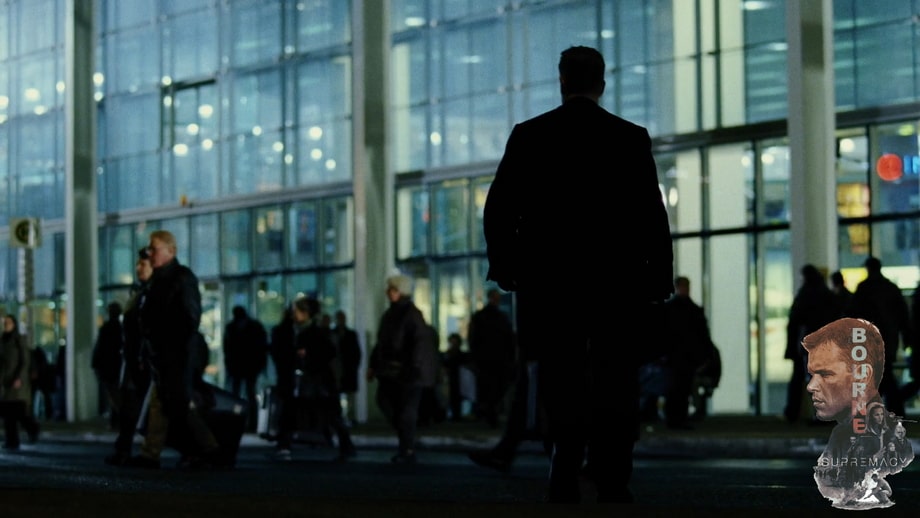
Bourne Supremacy took great advantage of Germany and particularly Berlin as the key filming location. Let’s study Jason Bourne Berlin locations
Back in the winter days of January 2004, a few hundred people, with some journalists among them, were delighted to welcome Matt Damon in the character of Jason Bourne in Berlin. Similar to the icon-like 007 franchise, the geography of the Bourne series about the former CIA agent is indeed wide-reaching. The first part with Matt Damon saw the cinema lights in 2002 and took its audience for a journey to the waters of Italy, to Zurich (the scenes were filmed in Prague, Czech Republic), Paris and Greece, and the United States (the insight scenes from Langley). Whether the starting point of the movie franchise focused on Paris, ‘The Bourne Supremacy’ therefore gave the garland of favor to Berlin. Large multinational cities, megacities with sophisticated infrastructure, and age-old history have long become the prerequisite for spy thrillers and detective stories. Each of the chosen cities grants a diversified variety of Bourne filming locations to support the multi-level story and to make the chasing and fighting scenes even more effective.
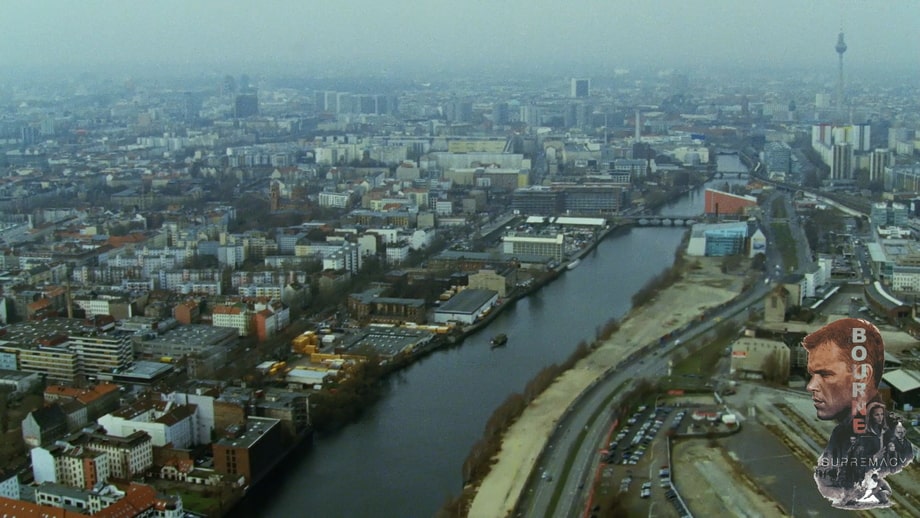
As the second film in the series unveiled the new adventures of Jason Bourne, Berlin has become the key filming location, both interior and open-air, not only from the narration but also from the practical point of view. Apart from playing a part in itself, the heart of Germany was chosen to depict Naples, Munich, Amsterdam, and Moscow as well. By preserving the lead-up of The Bourne Identity, the sequel mostly ignores the beaten-tracked landmarks of the city like the Brandenburg Gate or the Reichstag. Regarding this, some of the most ‘important’ scenes of the story take advantage of the admired Jason Bourne Berlin locations, such as Alexanderplatz Square and the Friedrichstrasse bridge. The movie makes no intended impact on the multi-level history of Berlin, though the story in one way or another takes its audience to either side of the notorious ‘Iron Curtain’. The paced intro scenes with Jason and Marie in India are changed with the urbanistic night panoramas of Germany’s capital.
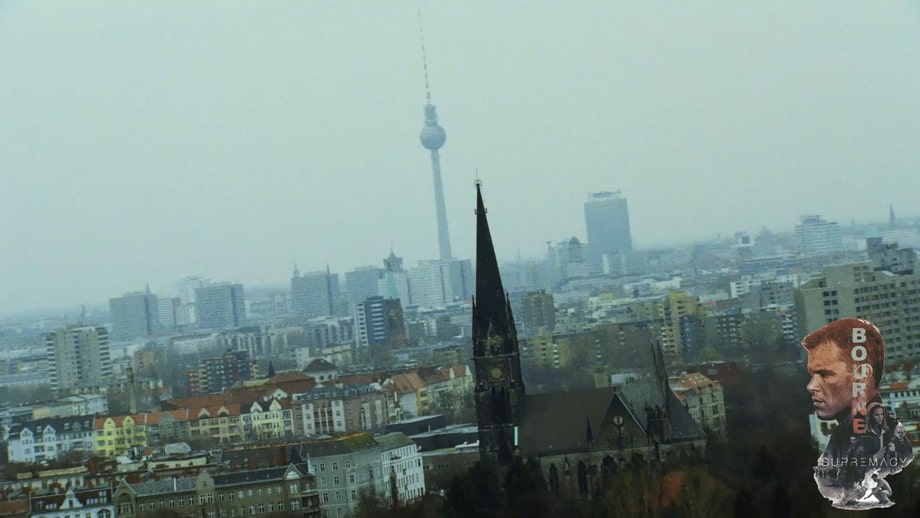

Speaking about the very first shots of Berlin, the opening sequence luxuriates us with the panoramas of the two highly praised squares, the two most well-known. The camera soars up above the 368-meter-high ‘Berliner Fernsehturm’, the tallest erection in the whole of Germany and one among the ‘carte-de-visite’ of the city. This round-like panorama of a few seconds, therefore, takes its viewer to the location at the arms’ end of Alexanderplatz Square, a site of great importance for the story as a whole. The oncoming night shots of Berlin then carry the story over for a few kilometers to the southwest, and the panoramic camera rises above the Leipziger Square. Another appraised landmark is Potsdamer Platz, as well as the ‘Bahntower’, a 26-story skyscraper, and the headquarters of the German railway, which are coming into view. The futuristic, rounded construction beyond it is a complex of eighteen buildings known as ‘Sony Center’. Both landmarks (Bahntower and Sony Center) were opened in 2000, only four years before the Bourne Supremacy filming in Berlin.

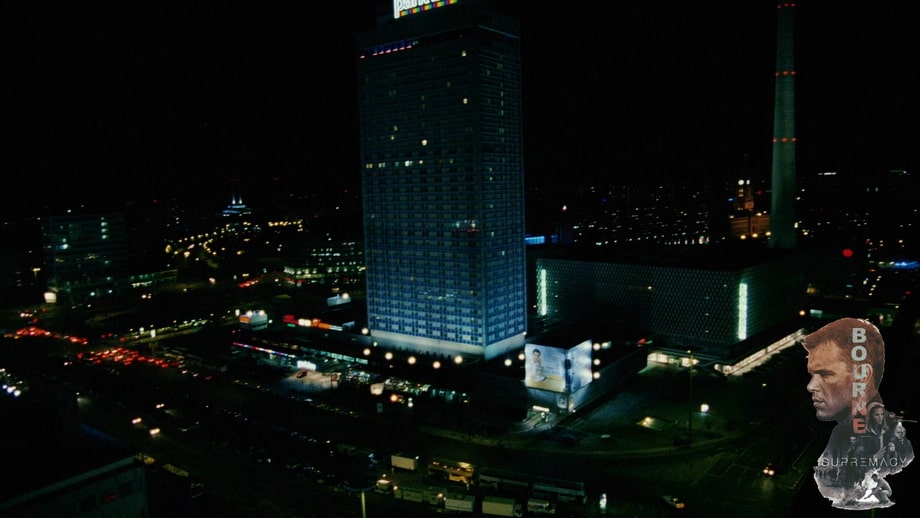
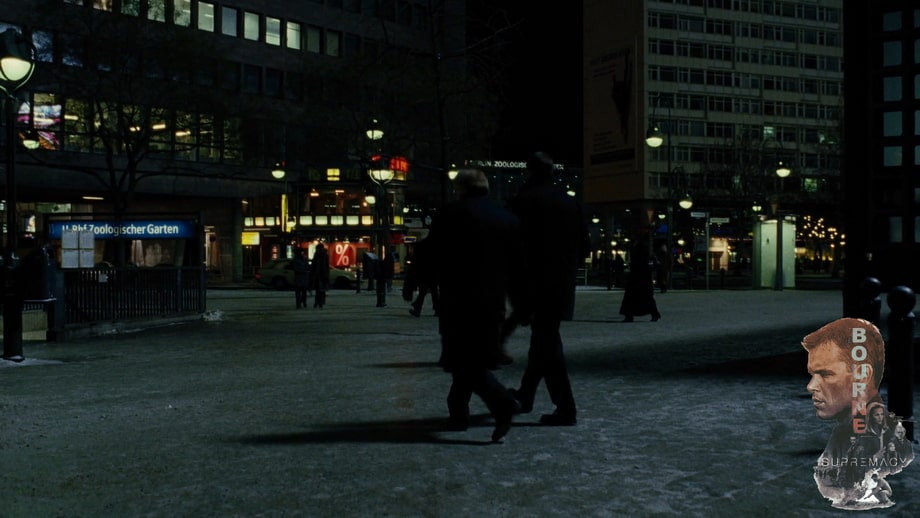
The next location takes the form of a particular giant-like office building, the headquarters of the CIA operative group. The building is the now non-existent erection of the Cold War era on Karl-Liebknecht Str. 32, a location, which I will write about in detail further in the article. One of the oncoming shots shifts the focus for thousands of miles to take a glimpse of the Langley CIA headquarters in the US. Followed by such ‘saturated’ (with the shifts of the Jason Bourne locations) opening scenes, the movie finally slows down to focus on Berlin. The story introduces two unnamed men, the CIA agents undercover, who make their way to the scheduled encounter. The focus of the mission lies in getting the so-called ‘Nesky’s files’, the compromising material from the Russian politician, who had been killed a few years before. The ongoing overflight above Alexanderplatz (easily identified due to the ‘Berliner Fernsehturm’ tower and the PARK INN hotel) gives the audience the untrue impression that the mission itself takes place somewhere next to the square. Getting into details with these scenes helps to reveal the U: Zoologischer Garten sign of the particular Berlin metro station. The depicted location can be guessed as the Kantstrasse/Hardenbergstrasse crossroad. It becomes even more exciting to identify the particular building, as since 2004 (the filming), the so-called Schimmelpfeng-Haus has been demolished to make space for a complex of commercial buildings.
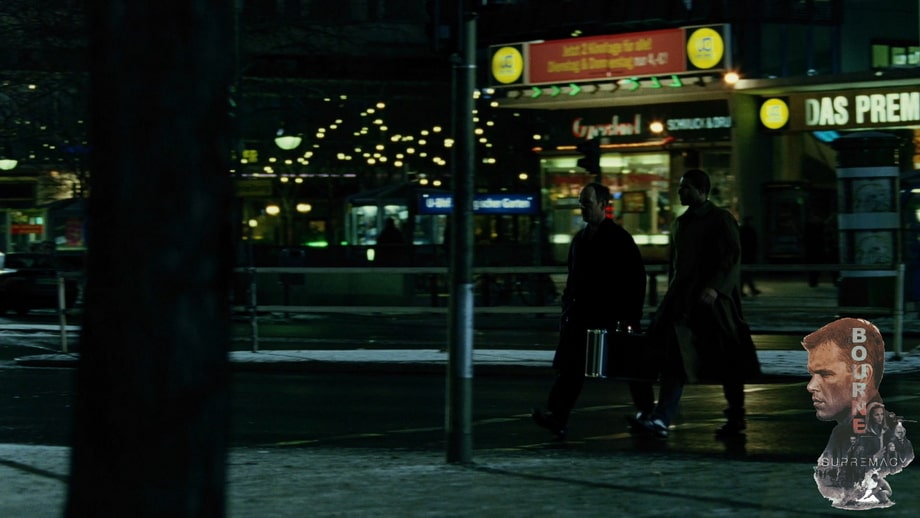
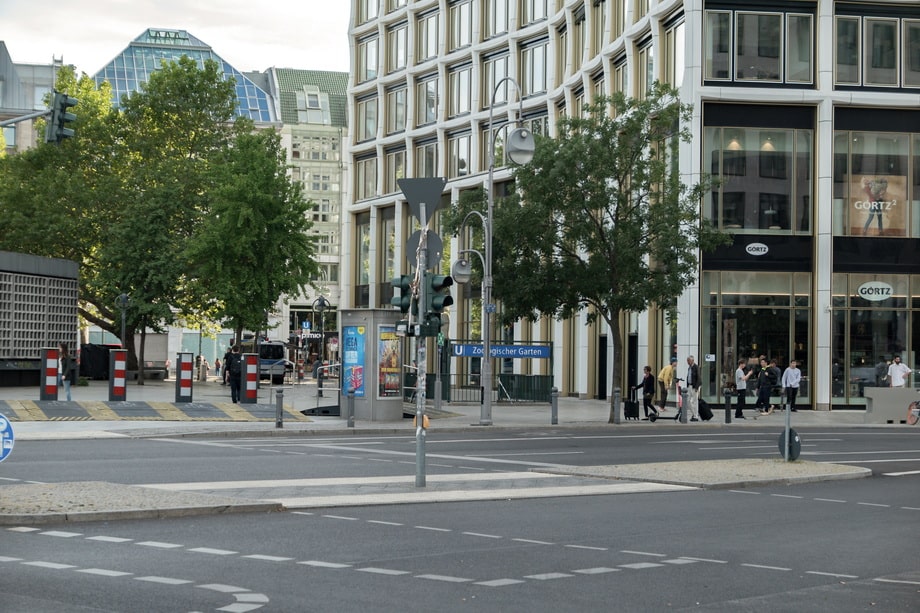
The history of ‘Schimmelpfeng-Haus’ harkens back to the 1950s, when the extensive ruins of the pre-war Breitscheidplatz were assigned to make space for the erection of commercial buildings. Then, this part of Berlin was a part of Western Berlin, and the new buildings in the ‘American’ style were planned to renew the image of the post-war city, which had been mostly lying in rubble in the previous years. Two Austrian architects were assigned to create a nine- to ten-story office complex. The two had already proven themselves during the reconstruction of the few embassies in Berlin, a residential quarter, and even the office of the Berlin Stock Exchange and the local university. The new complex of buildings accommodated the whole city quarter and had a crossbar above Kantstrasse Street. Decades later, the decision to demolish the Schimmelpfeng-Haus complex has been under debate since the late 1990s, yet the final decree was signed in 2004, in the year of The Bourne Supremacy shooting on the location. The demolition was scheduled to take place in the years from 2009 to 2013, and nowadays the site of the Bourne’s opening scenes is taken up by a few modern commercial buildings.
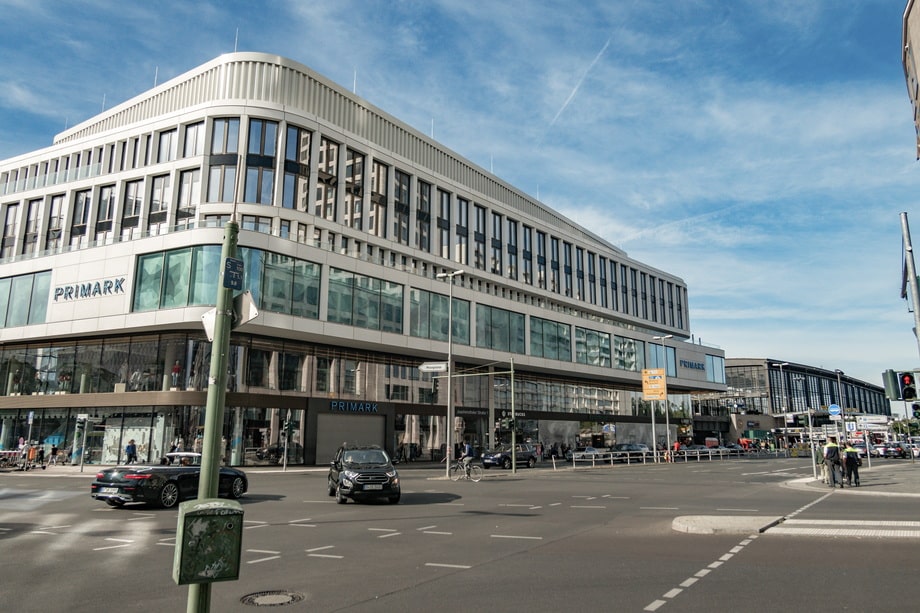
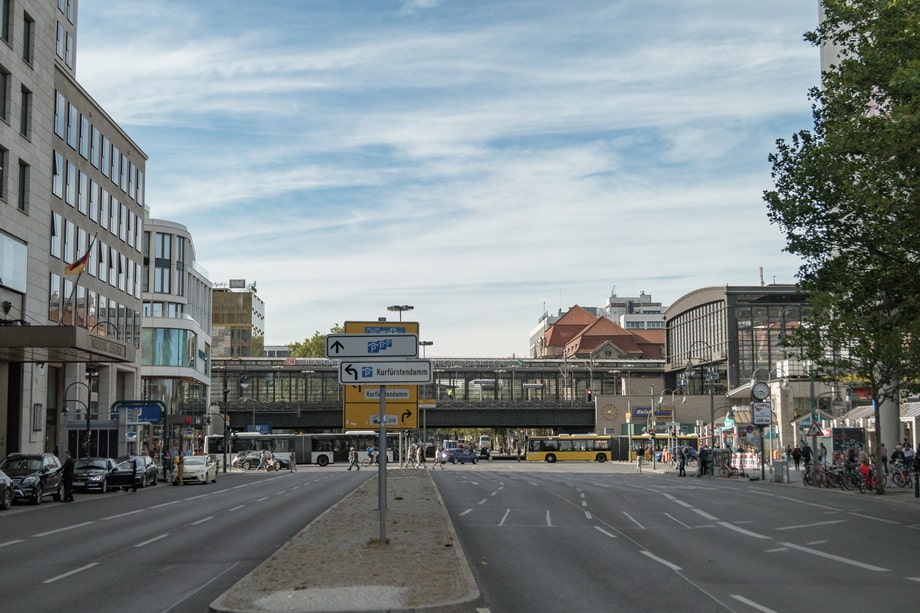
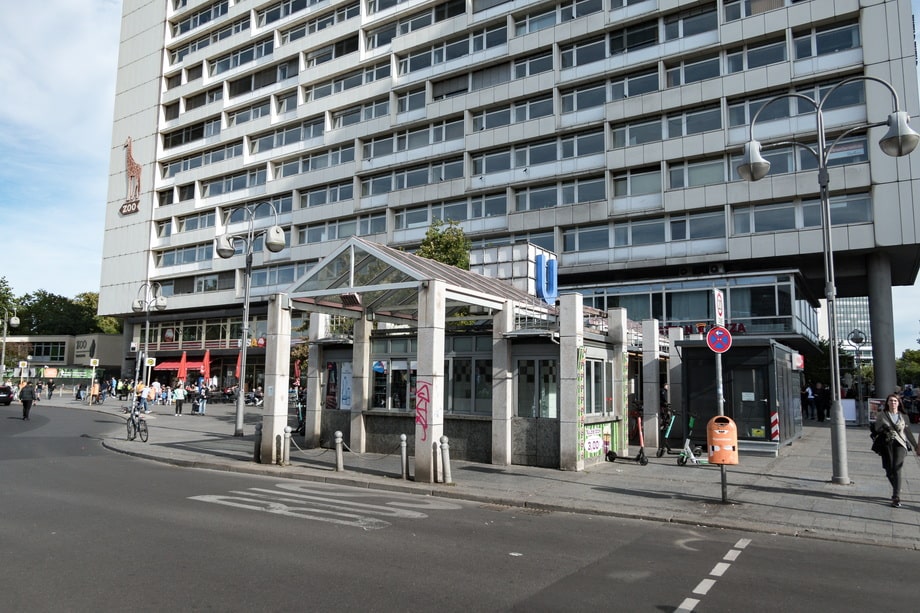
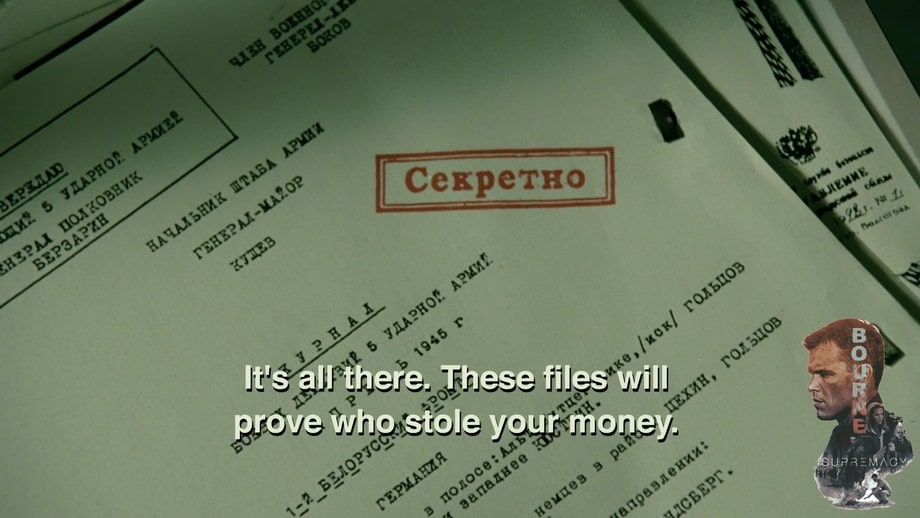
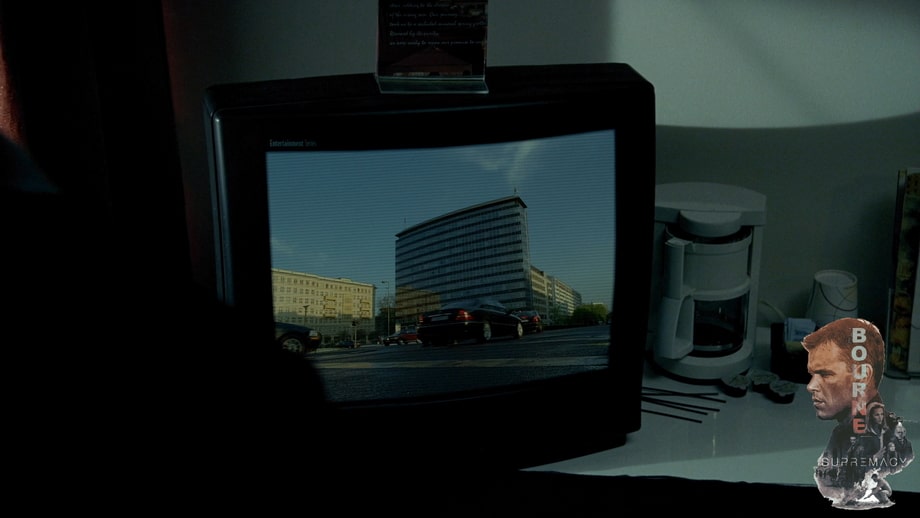
It is worth noting that the so-called ‘Nesky’s files’ make their appearance for a few moments in the 8th minute of the movie, and the attentive viewer has every chance of not finding the information about the stolen CIA’s twenty million. By taking a closer look, one could see that the papers are the report of the executive officer of the Red Army from the time of World War Two. The movie uses the operations record book of the 5th attack army within the 1st Belarusian Front back in April 1945. As for ‘Schimmelpfeng-Haus’, the 19th minute of the story reveals the daytime panorama of the complex of buildings, the site of the failed CIA mission. The shot offers a clear glimpse of the crossbar above Kantstrasse Street and the entrance to the Zoologischer Garten metro station. Later on, Kirill (the character of Karl Urban) makes a stop near ‘Hotel Avus’ at Halenseestraße 51 and later finds his boss Yuri in his office at Karl-Marx-Allee 90a.
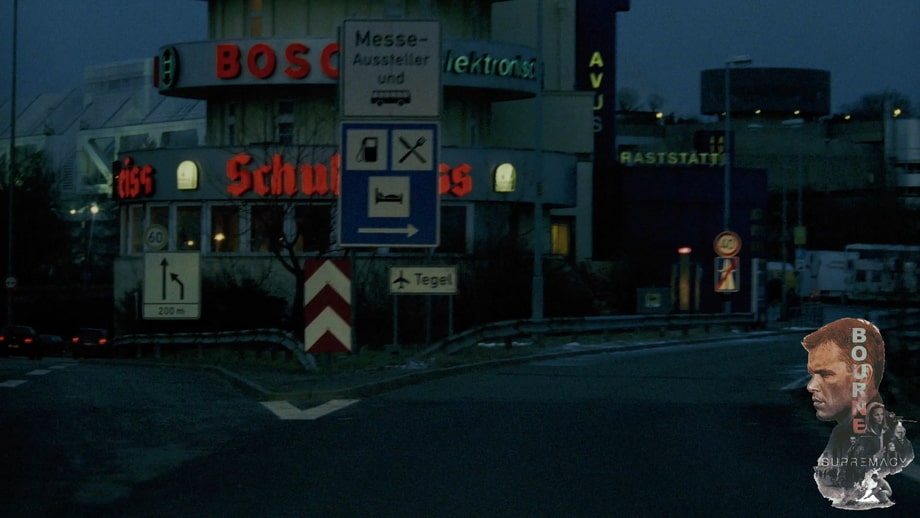
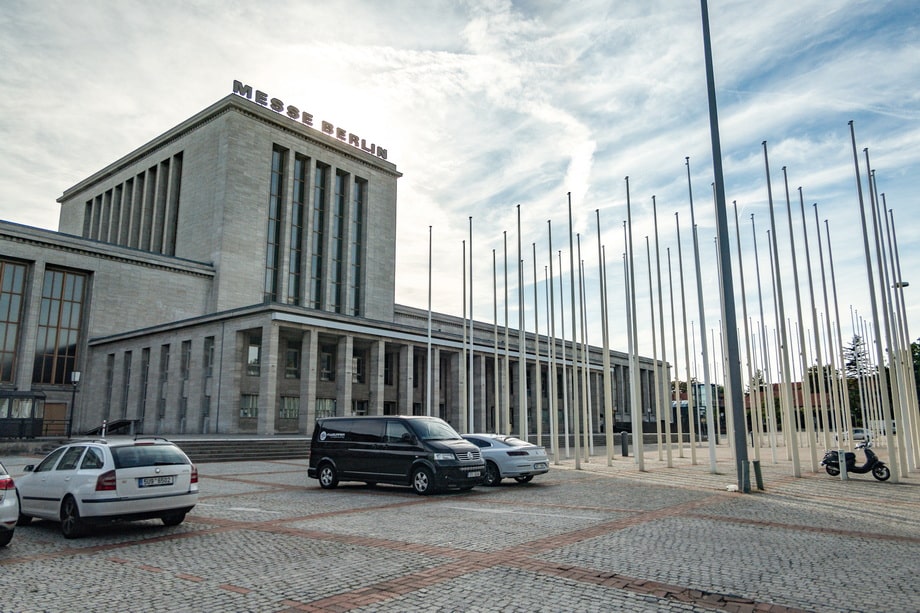
In the course of the next few minutes after Kirill’s summary of his mission in Berlin, the movie whirls the audience away to Moscow, Langley, Goa, and even London before the moment when Jason Bourne’s passport makes its appearance in Naples, Italy. The key character is being held within the building of ‘Stazione Marittima di Napoli’ (Naples Maritime Station). The blue neon-like sign is visible first in the scene of the local agent’s arrival and later with Jason himself on the parking site. It is worth noting that the real Naples indeed comes into appearance for a short sequence with Jason setting ashore. The scene was filmed by the second unit in Italy. The main character expresses his preference for BMW, which is symbolic because the scene was filmed in Berlin at the Hammarskjöldplatz square in the former West Berlin. The well-known open site bears the name of the former Secretary-General of the United Nations and Nobel Peace Prize laureate, who died in a plane crash back in 1961. In actual terms, ‘Stazione Marittima di Napoli’ was depicted in front of the northern entrance to the Berlin Exhibition Grounds. In summer-autumn 2007, the building would make another cinematic appearance in Valkyrie with Tom Cruise, being decorated with Nazi symbolics of war-time Berlin.
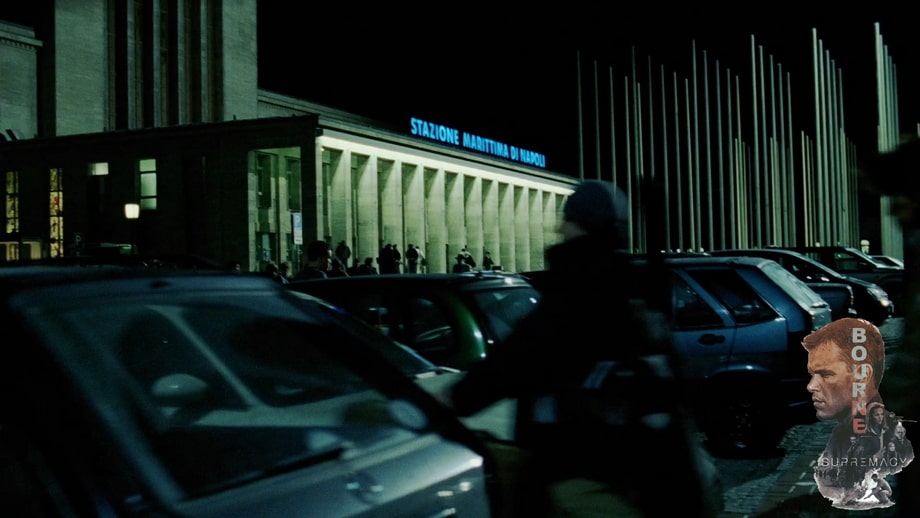
The Berlin Messegelände exhibition grounds are a less recognizable landmark than Alexanderplatz or Potsdamer Platz squares, yet with its multi-layered history. The very first exhibition pavilions on this site welcomed guests as far back in time as the year before WWI. In the 1920s, these initial erections made space for more ambitious buildings, the great share of which, therefore, has not survived the massive air raids of the 1940s. ‘Ehrenhalle’, the building that makes its appearance in ‘The Bourne Supremacy’, was built in 1936-1937. After the end of the War, the pavilion was rebuilt and renovated, as well as another historically integral part of the Exhibition grounds, known as the ‘Funkturm’ radio tower. The tower of 147 meters was erected back in 1926 and has a similar look to the famous Eiffel Tower in Paris. At present, the total rentable area of all the exhibition pavilions amounts to 170,000 m2.
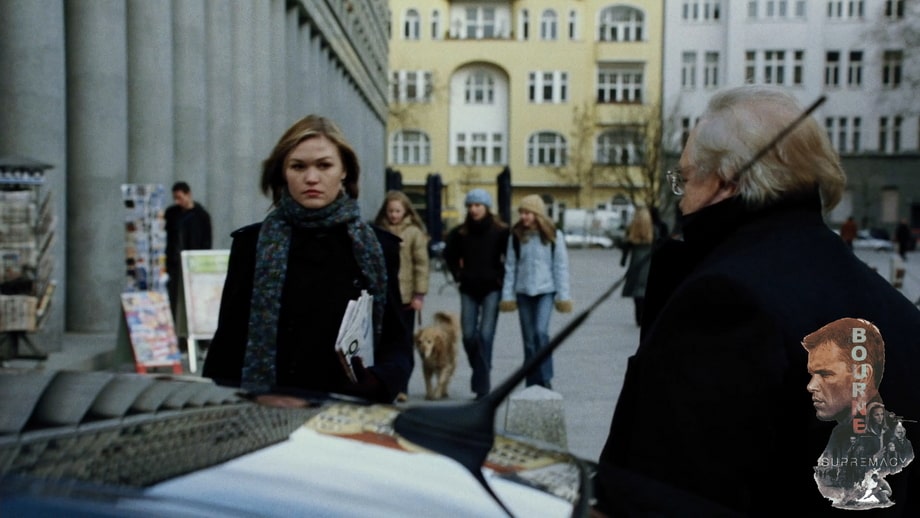
The pace of changing the filming location in Berlin is by no means to pump the cinematic brakes. The short sequences within the CIA headquarters in the US give way to the scene with Nicky Parsons in Amsterdam, actually staged within one of the squares of Berlin called ‘Walter-Benjamin-Platz’. As the 37th minute materializes, the CIA agents, including Pamela Landy, Nicky Parsons, and Ward Abbot, are making themselves board a small private plane inside the hangar of the Amsterdam airport, supposedly Schiphol International (AMS). The truth is that both the scenes of the Amsterdam departure and the Berlin landing were filmed within the same TEMPELHOF airport. The second sequence even included the BERLIN-TEMPELHOF sign in the background.
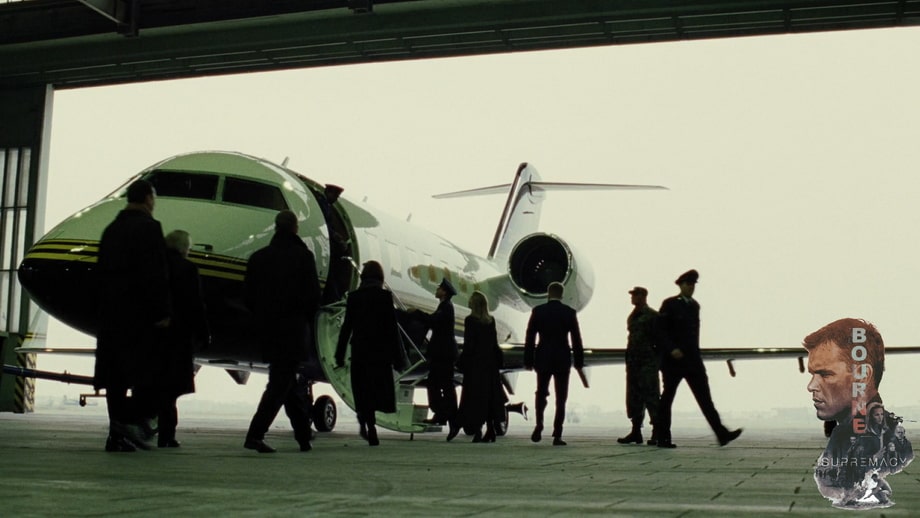
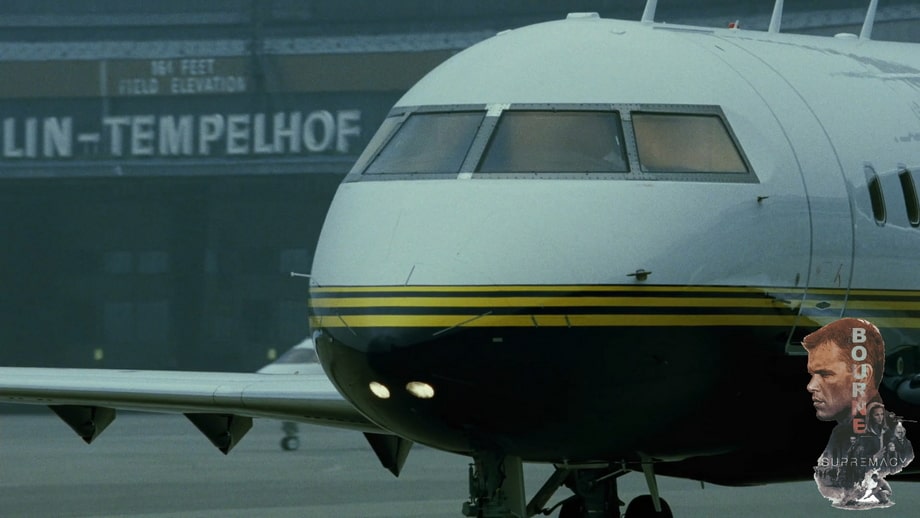
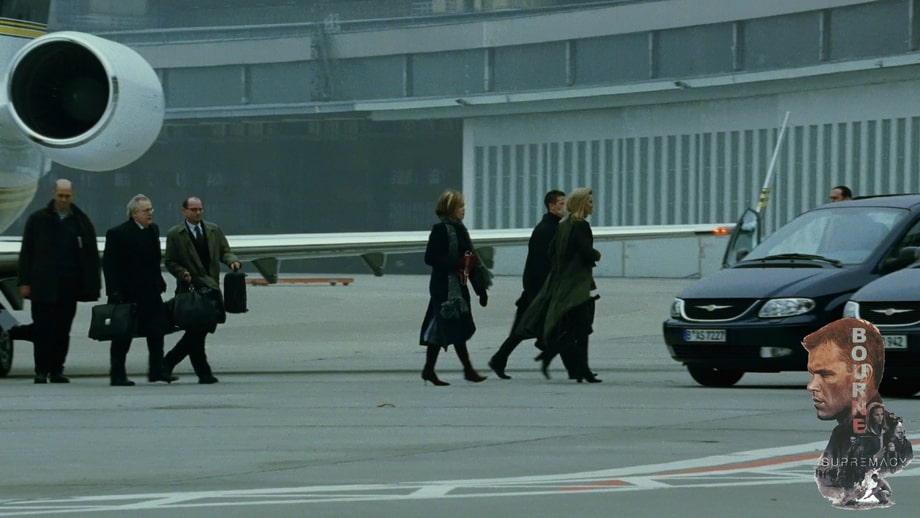
The Tempelhof Airport, built as far back as 1923 on the site of the former places of arms and airfield of the early XX century, was later renovated and expanded in the times of the Nazi regime in Germany in the 1930s. At that time, the complex of Tempelhof buildings was the largest in the world. As opposed to the common belief that the eagles on the frontispiece were carved in the Third Reich era, these elements were added in the 1920s. In 1948, Tempelhof came into the front pages of the world newspapers as the only supply artery of Western Berlin during the ‘Berlin airlift’. At the time of The Bourne Supremacy shooting in the 2003-2004 winter months, the legendary air gates were still in active operation, although the governments had been arguing the termination since the 1990s. The very last plane departed from Tempelhof in November 2008.
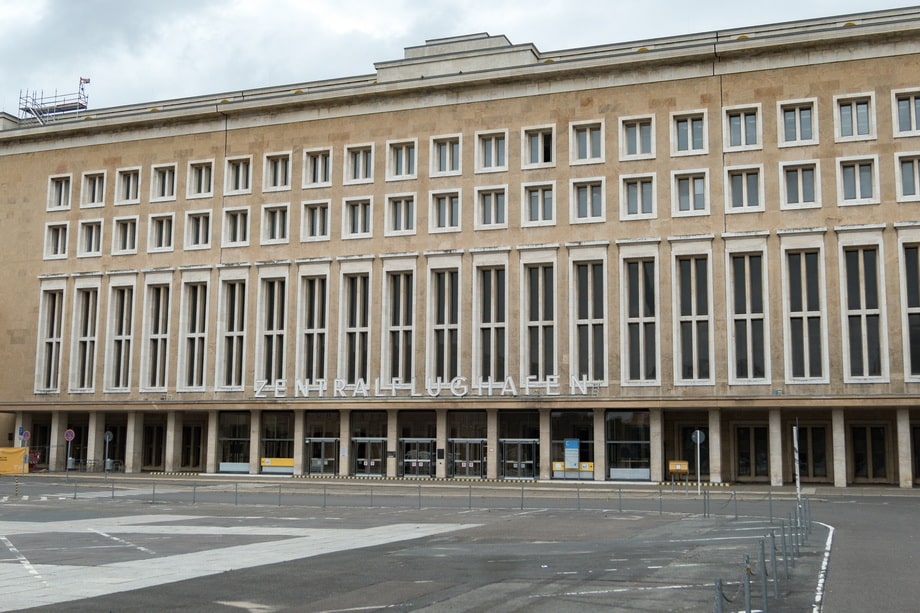
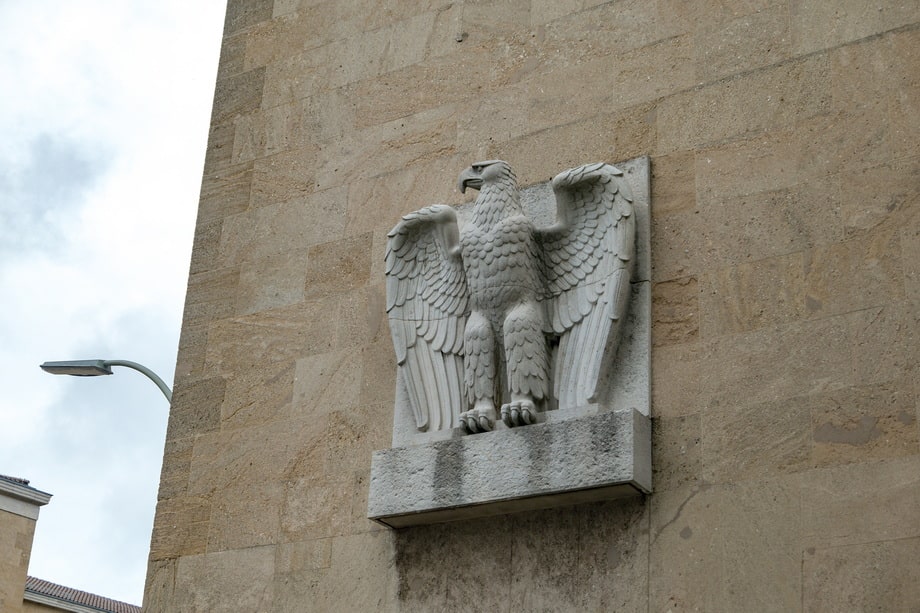
Since the final shutdown as an active airport in 2008, the former air gates of Berlin have been extensively used as a public open space, the cyclists’, skaters’, and rollerbladers’ training grounds, and a stage for musical concerts. The filming career of Tempelhof, on the other hand, originates from the years before the Bourne series. Speaking about the large ‘Hollywood’ projects, in 2002, a part of the exterior was transformed into a checkpoint, passed by the character of Sean Bean in ‘Equilibrium’. One year before the shutdown, the filming crew of ‘Valkyrie’ took advantage of the facility. All while the real Claus von Stauffenberg did not use Tempelhof on his way to and back from Hitler’s Prussian headquarters on July 20, 1944, the airfield has become an integral part of the cinematic story. Another ‘Valkyrie’ scene with the formation-up of the battalion under the character of Thomas Kretschmann was filmed within one of the inner yards of Tempelhof. Apart from this, the former largest building in the world, Hauptzollamt, played the role of the Wehrmacht headquarters. In mid-2014, the filming crew of ‘The Hunger Games: Mockingjay—Part 2’ turned the park into District 2. Tempelhof also made its latest cinematic appearance in ‘The Bridge of Spies’ in 2015 in a scene when Tom Hanks’ character comes to Berlin from the US amid the Berlin crisis.
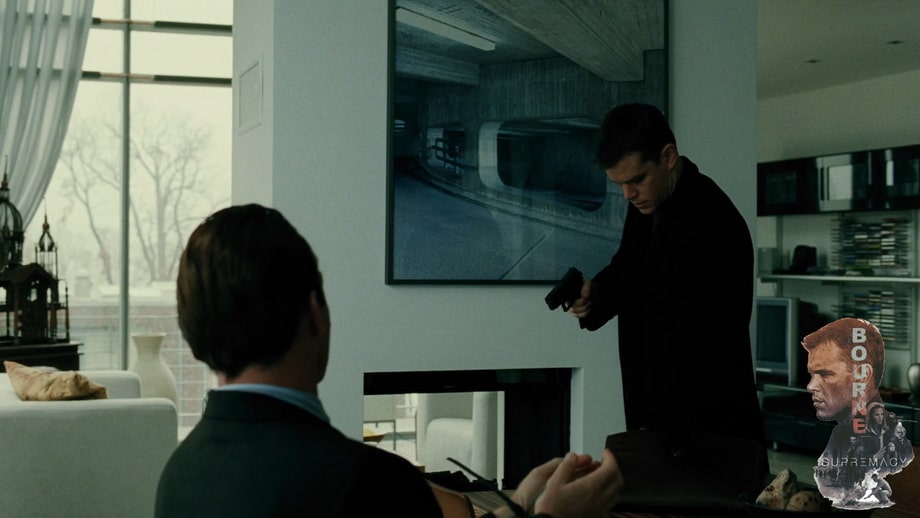
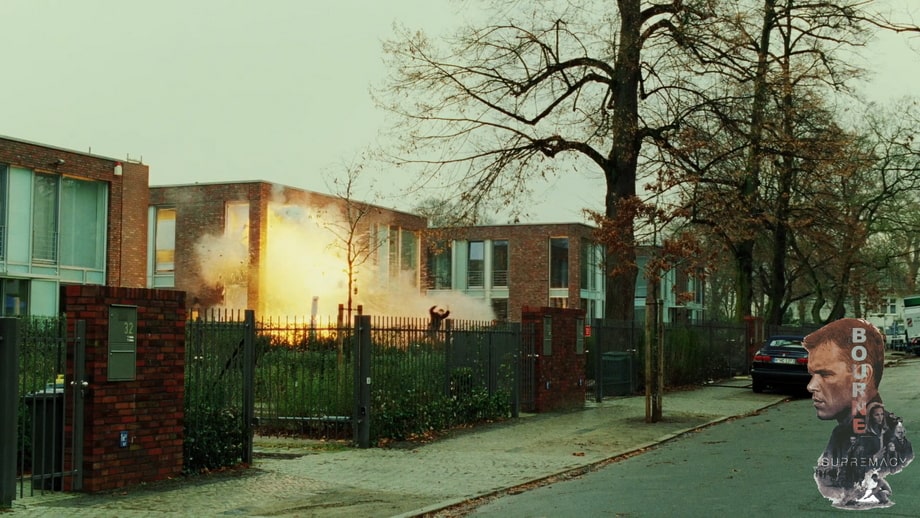
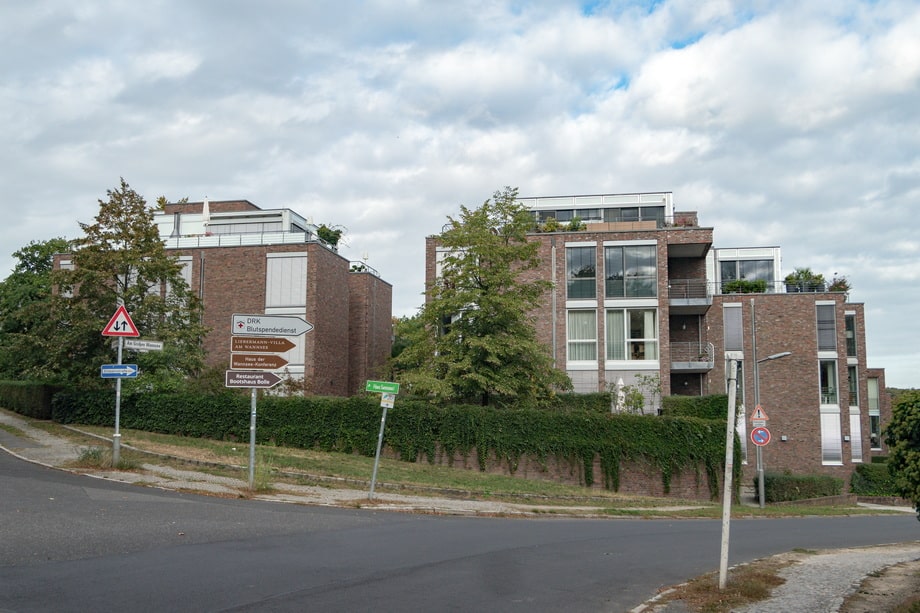
Following the short CIA headquarters sequence, a cozy, silent street covered in the morning mist is called to be in Munich. The man, who can hardly be taken for a former Treadstone operative codenamed ‘Jarda’, finds the former colleague Jason Bourne inside his modern two-story house. Regarding the previous favors to Berlin, it is easy to guess that the street and the exterior shots of the house were staged far from Munich. To be precise, the opening panorama shot was filmed at Kaiserstraße in the direction of Conradstrasse Street, both in Wannsee, a suburb of Berlin. The first one pays tribute to the age-old tradition of glorifying the German emperors, and the second commemorates Konrad Adenauer, the first Chancellor of the Federal Republic of Germany (West Germany).
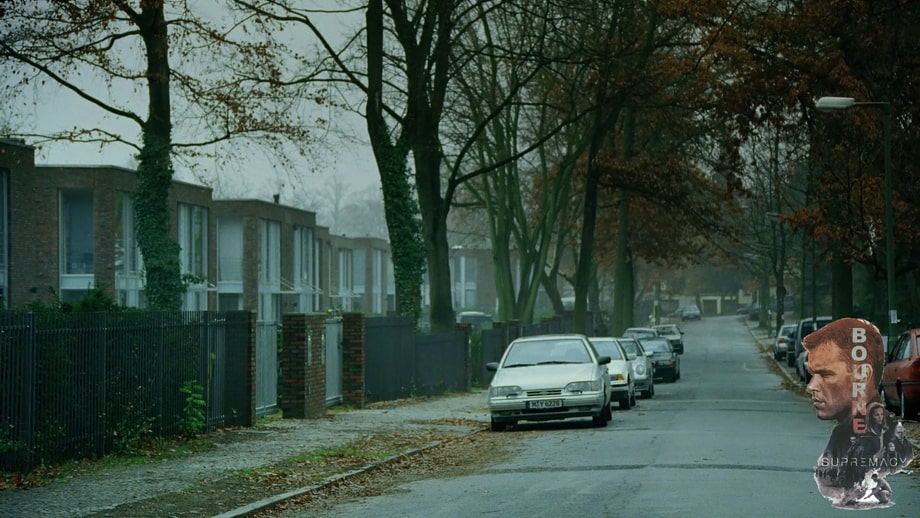
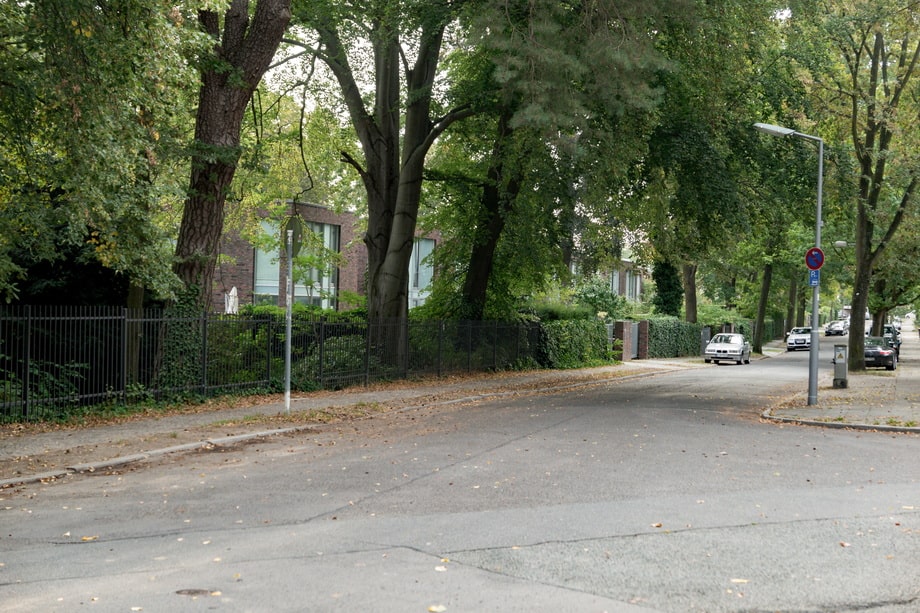
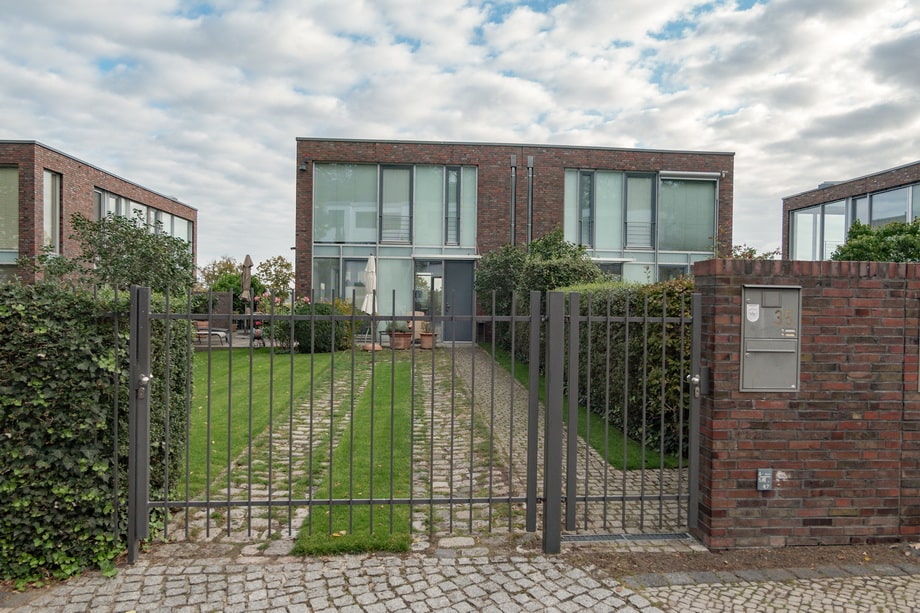
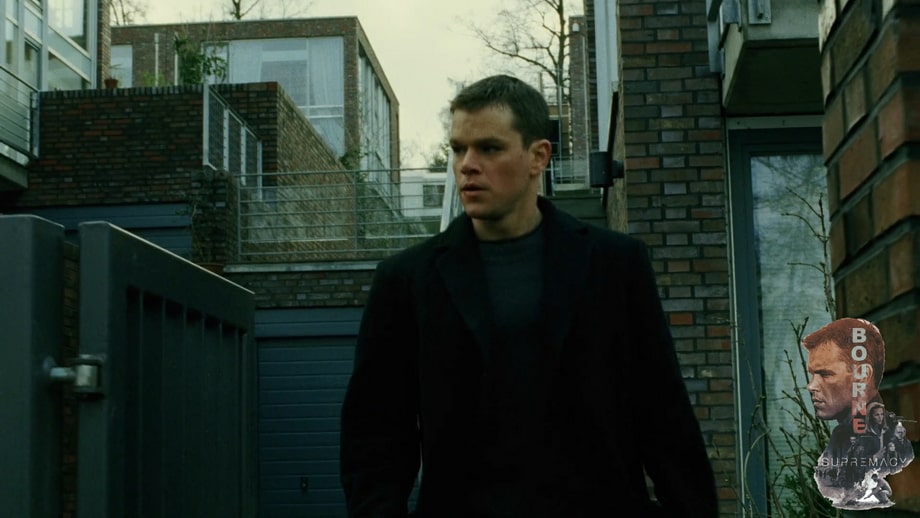
The Bourne Supremacy filming crew indeed made use of the house at Kaiserstraße 35-36 in both exterior and interior scenes. The fight scene of the two former CIA agents was staged inside the house, and the carefully delivered pyrotechnics created an illusion of a massive explosion. The details of this scenery could be found in a behind-the-scenes documentary. Jason makes his way through the backyard and to Am Grossen Wannsee Street. A few minutes later he bypasses the crossroad of Kaiserstraße and Str. Zum Lowen in the South direction and observes the arrival of the local ‘Munich’ police. It is worth noting that the authentic villa of Claus von Stauffenberg, another filming location of the ‘Valkyrie’ movie with Tom Cruise, is located merely 1.5 kilometers from Kaiserstraße 35-36. The infamous ‘Wannsee villa’, the location of the notorious 1942 Nazi conference on the Holocaust, can be found 1.2 km to the north of Kaiserstraße as well. The world-famous Babelsberg movie studio in Potsdam is located 5 km to the southwest.
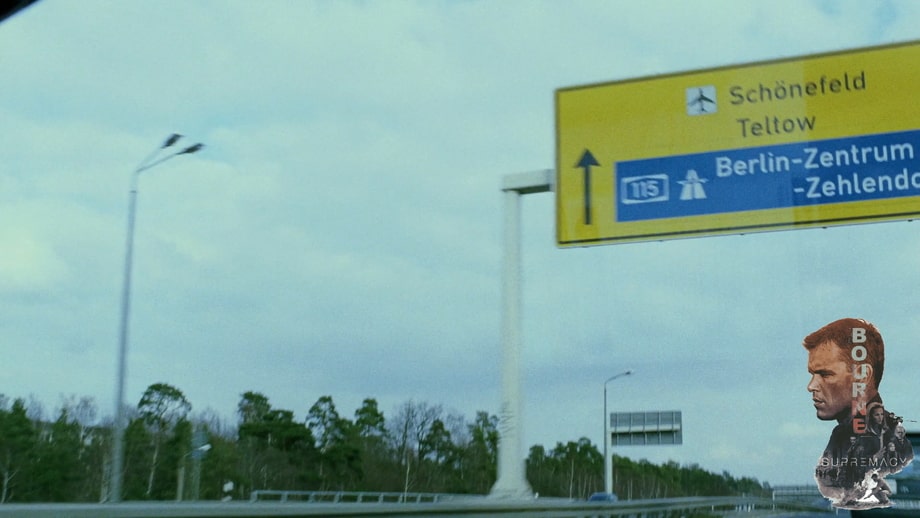
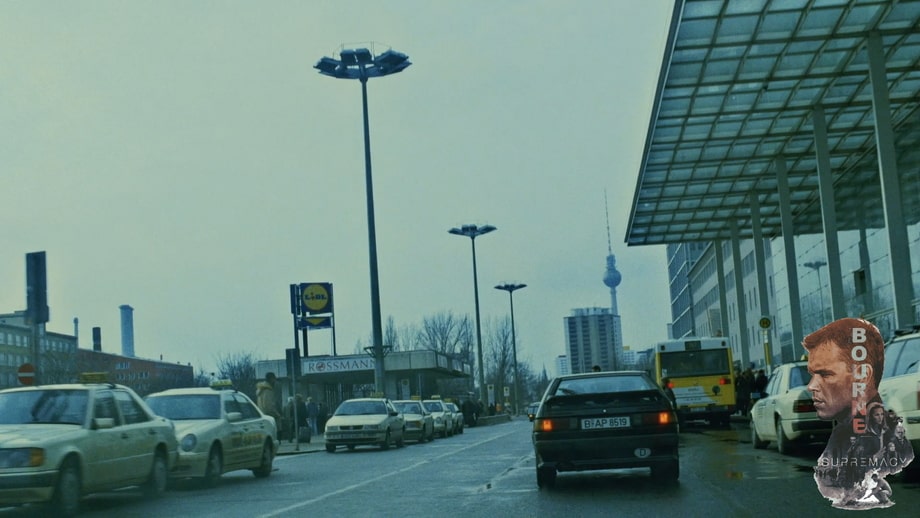
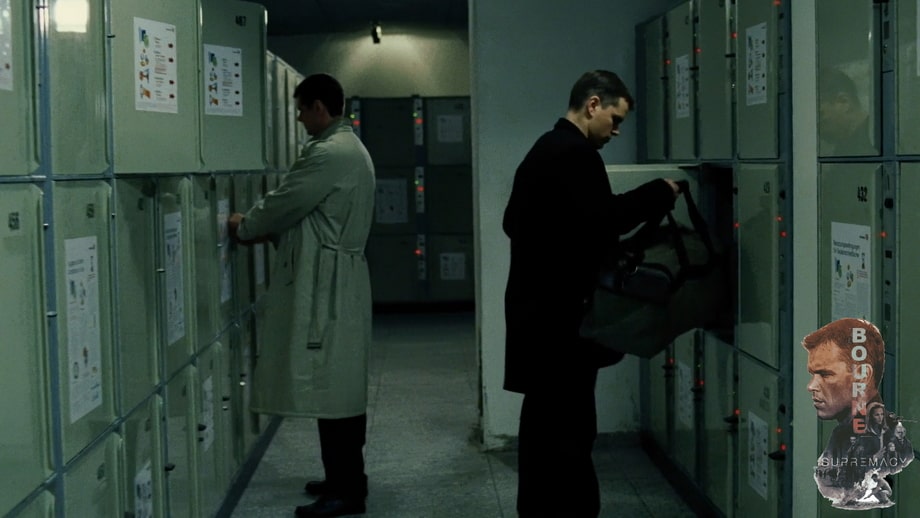
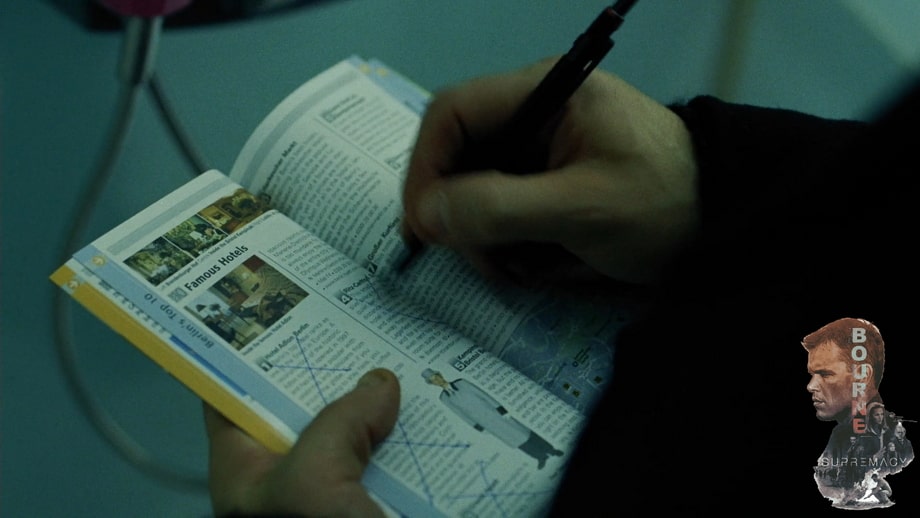
Following a short sequence with Jason washing his hands of the blood inside a toilet, he finally comes to Berlin from Naples. Near the entrance to the city, the Southern one, he is welcomed by the ‘Schonefeld’ road sign, which indicates another Berlin airport. As early as the next scene takes advantage of the ‘Berliner Fernsehturm’ tower is once again, which seems to become an integral reminder to the viewer that the story develops in the heart of Germany and anywhere else. The shot was taken in the West direction on the street with a self-explanatory name Am Ostbahnhof (at Eastern Railway Station), in the direction of Alexanderplatz. The railway station itself makes its appearance to the right. Jason Bourne makes his way through the main entrance of Ostbahnhof, beside the souvenir shop, and heads off toward the luggage lockers. Despite the partial amnesia, Jason has a good sense of direction inside the building. He takes advantage of the ‘Berlin’s top 10’ guidebook and particularly the section called ‘FAMOUS HOTELS’. Bourne one-by-one scores out Hotel Adlon Berlin and Ritz-Carlton Berlin in an attempt to find the residence of Pamela Landy.
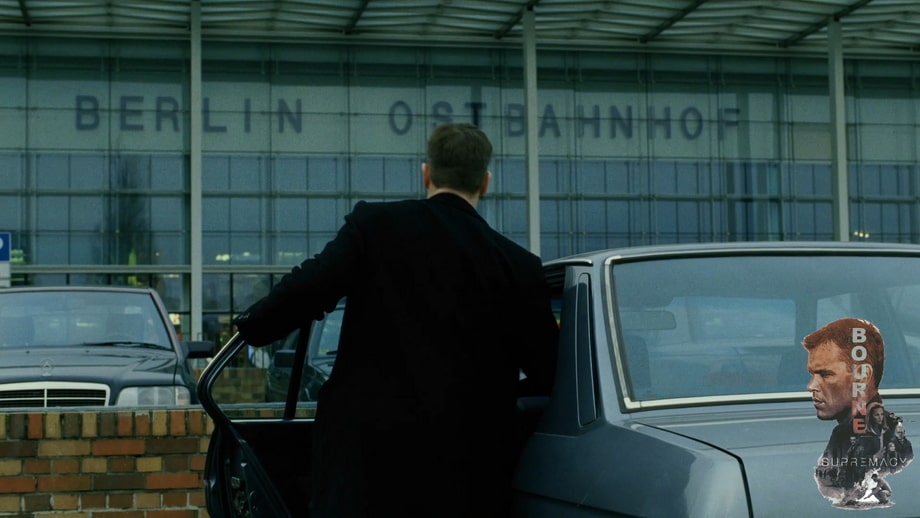
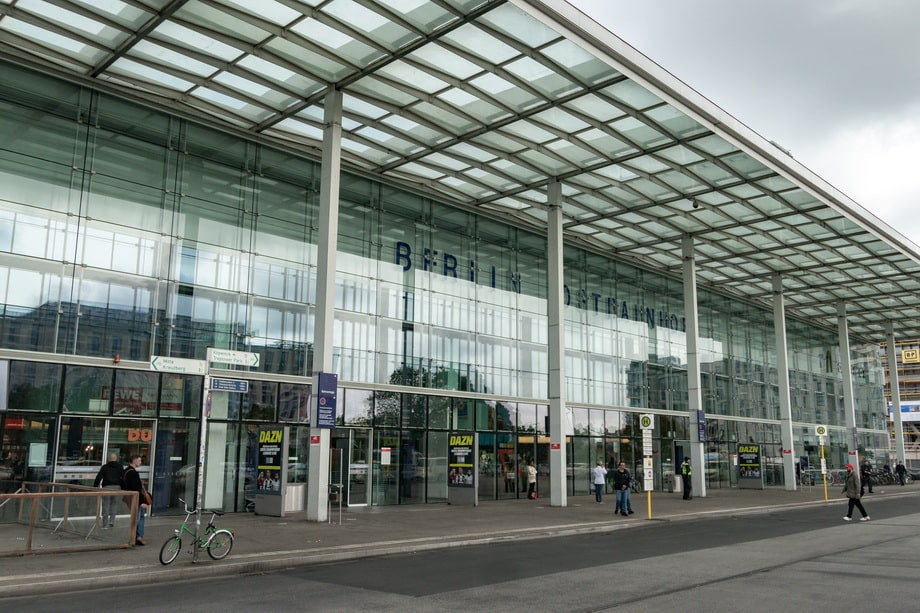
The history of the Eastern railway station in Berlin harkens us further back than the Cold War era and the partition of Berlin into two divided worlds. The very first station on the site, a little bit to the north of the modern one, was built in 1842 and, at that time, was known as the ‘Frankfurter Bahnhof’ and was the terminal station of the line between Berlin and Frankfurt-am-Oder. In only four years, it was renamed ‘Schlesischer Bahnhof ‘(Silesian Station) and later known as ‘The Gate to the East’. In the course of the next fifty years, the station served as a junction to Vienna, Budapest, Constantinople, Saint Petersburg, and Moscow. Regrettably, similar to thousands of buildings in the city, the station was severely damaged during the Allied air bombardments and later Soviet seizure of the city. It would be later rebuilt inside the so-called ‘German Democratic Republic’ or GDR. As early as 1950, the station was named ‘Berlin Ostbahnhof’, which would be preserved for the next thirty-seven years before the full renovation of the station and naming it nothing less than ‘Berlin Hauptbahnhof’ (Berlin Central Station). It was, of course, a half-truth, as the station was a part of only Eastern Berlin. It is worth mentioning that this naming was in use until 1998 despite the unification of Berlin, and in 2002, the station was once again demolished and rebuilt almost from scratch, preserving only some elements of the 1987 version. In this respect, on the date of the shooting in the winter months of 2003/2004, ‘Berlin Ostbahnhof’ was, in fact, a new train station. In a wider sense, Bourne had no chance to leave this behind in the years before his amnesia and keep it untouched.
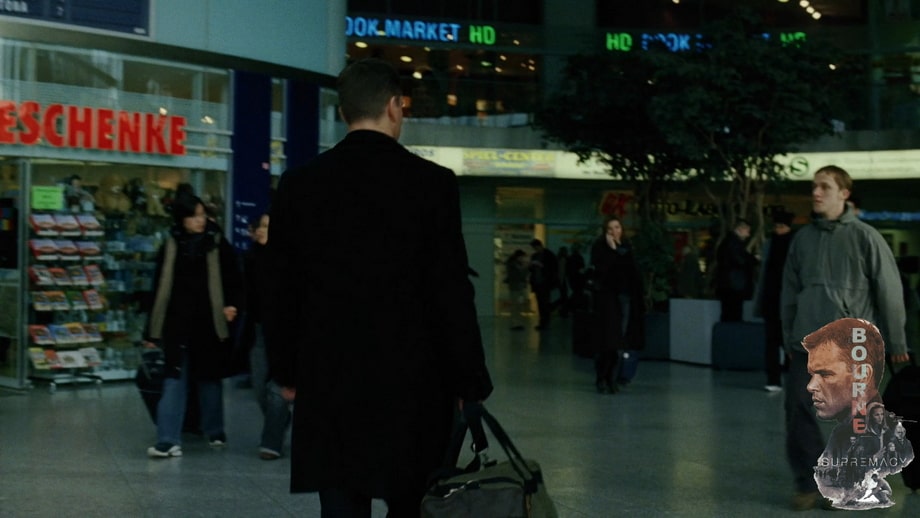
Following the reconnaissance information on Pamela Landy’s stay at the Westin Grand Hotel, Jason takes a taxi to cover the distance from his initial point: the Ostbahn Train Station. A few seconds later, the panoramic camera takes advantage of the birdseye view over another historical landmark of Berlin: the Oberbaumbrücke Bridge over the Spree. In parallel to the taxi with Jason Bourne crossing the river from North to South, the city metro train is doing the same above the highway. ‘Oberbaumbrücke’ may be regarded as a hardened filming location with its cinematic history in recent decades. It is worth mentioning that as far back as 1998, it became a part of the ‘Run Lola Run’ movie with Franka Potente in a leading role, the same actress who would later impersonate Marie Kreutz in the first two movies of the Bourne franchise. The year 2010 witnessed the filming of one of the key scenes in ‘Unknown’ with Liam Neeson: his character’s car tumbled into Spree from ‘Oberbaumbrücke’. Jason Bourne would later make a comeback visit to the site in the fourth movie in 2016. In that scene, he would check the Kollwitzplatz 49 address, left by Nicky Parsons: the scene was filmed nowhere other than near Oberbaumbrücke.
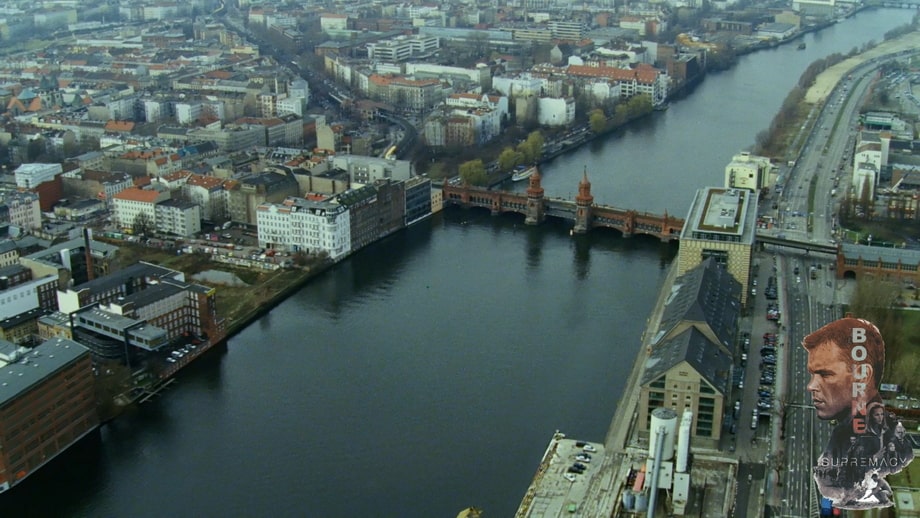
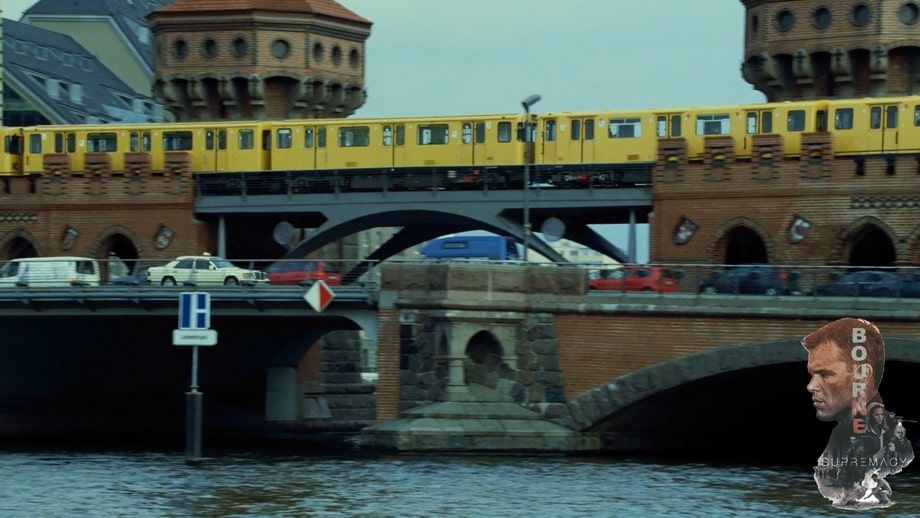
While the majority of people appraise Venice and Amsterdam for the number of river crossings, very few are aware of the fact that Berlin is home to more than 900 bridges. Although in actual terms Berlin is of course much bigger than Venice, the statistic by itself is impressive. Historically, regrettably, the greater proportion of the authentic Berlin bridges were not destined to survive WWII and were devastated during the air raids and the later seizure of the city in 1945. ‘Oberbaumbrücke’ bridge was lucky enough to be preserved and later became one of the most appreciated landmarks. By itself, the name Ober-Baum-brücke, which may be translated as the ‘Upper-Tree trunk-bridge’, is worth a little without the appropriate historical context. The matter is that back in the XVIII century, this very section of the Spree had a narrow passage for boats, which used to be blockaded during the nighttime with a huge tree trunk to prevent the activity of the smugglers.
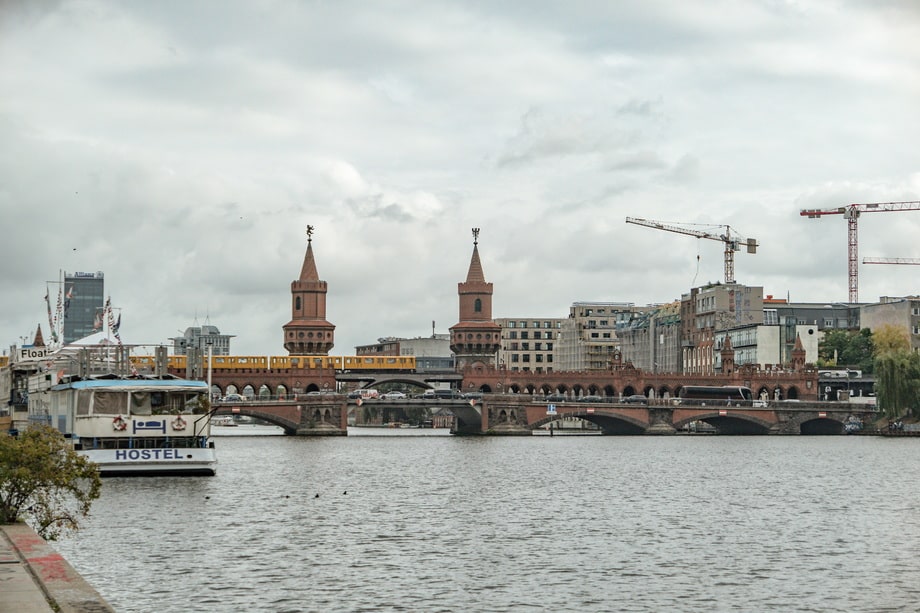
By 1879, the very first wooden bridge had been reinforced, yet the ever-increasing traffic demanded the building of its more sophisticated concrete replacement. The new bridge, 154 meters in length, was finished as early as 1896, and six years later it became a part of the first metro line in Germany, the elevated line at that time. The bridge foundation and the body are made of reinforced concrete and faced with distinctive red brick. A pair of Neo-Gothic towers dominates the central arch. At the time of the partition of Berlin, one could cross the bridge, one of the dividing lines between the West and the East, only with a special warrant. The 1990s renovation made it possible to finally replace some parts of the erection, previously damaged during WWII. The ceremonial opening of a repolished Oberbaumbrücke took place in 1994, toward the fifth anniversary of the fall of the Berlin Wall.
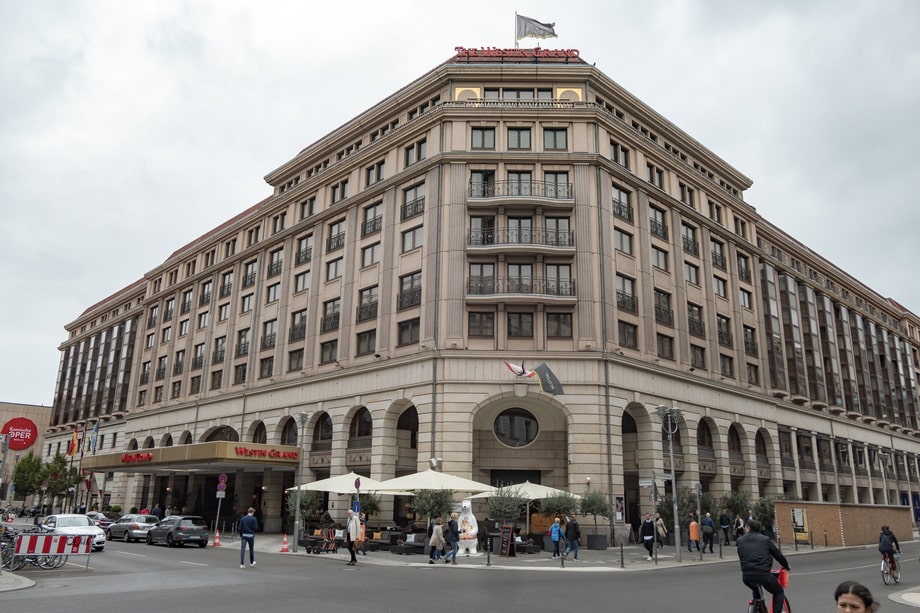
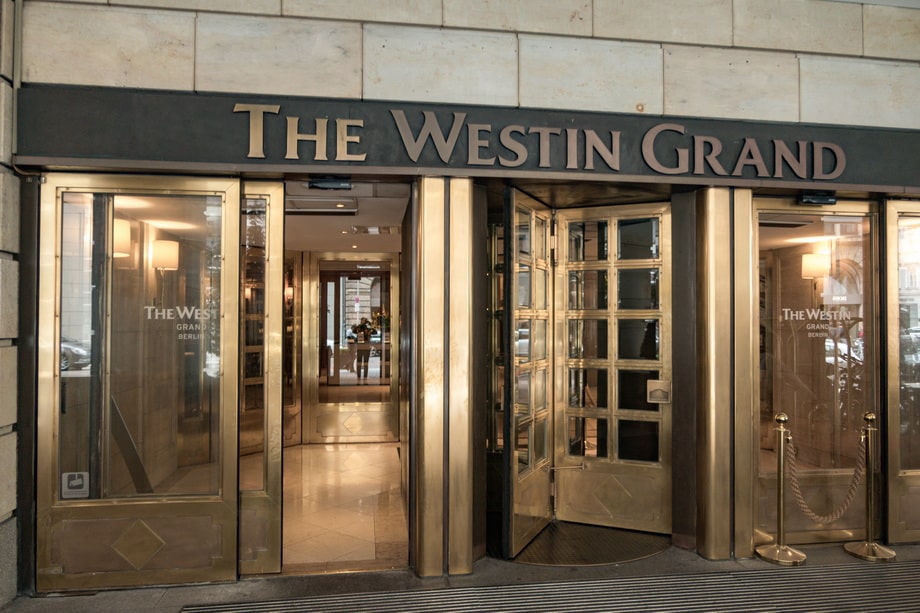
The next of the Bourne Supremacy filming locations in Berlin asserted itself several times throughout the story and would become the epitaph for one of the key antagonists of the franchise: the CIA old warrior and hardliner Ward Abbott. Following the information that Pamela Landy had accommodated the Westin Grand Hotel, Jason takes a taxi to perform reconnoitering on the site and to get to know his pursuer by sight. After crossing ‘Oberbaumbrücke’ and taking notice of the banners (which call to run a rally at Alexanderplatz), we see Friedrichstraße street, which can be easily identified due to the road sign. The scene was shot at the crossroads of Behrenstraße and Friedrichstrasse, 5 kilometers to the west of Oberbaumbrücke. Regarding this particular location, the route from Ostbahnhof through ‘Oberbaumbrücke’ and then to the West looks logical and practical. Jason Bourne reveals room number 235 to be Landy’s temporary residence within the Westin Grand Hotel, and the scene next to reception offers a glimpse of the flow area of one of the most prestigious hotels in Berlin. Later on, Jason sees his object of interest, Landy, from the 4th floor and comes downstairs covered with a red carpet to leave the building. Bourne would make his way back to the hotel in the 76th minute of the story to obtain Ward Abbot’s confession.
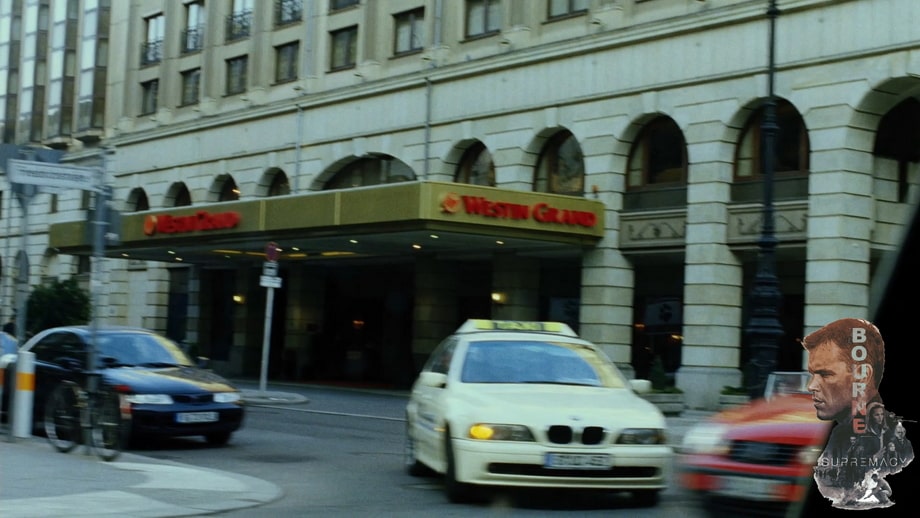
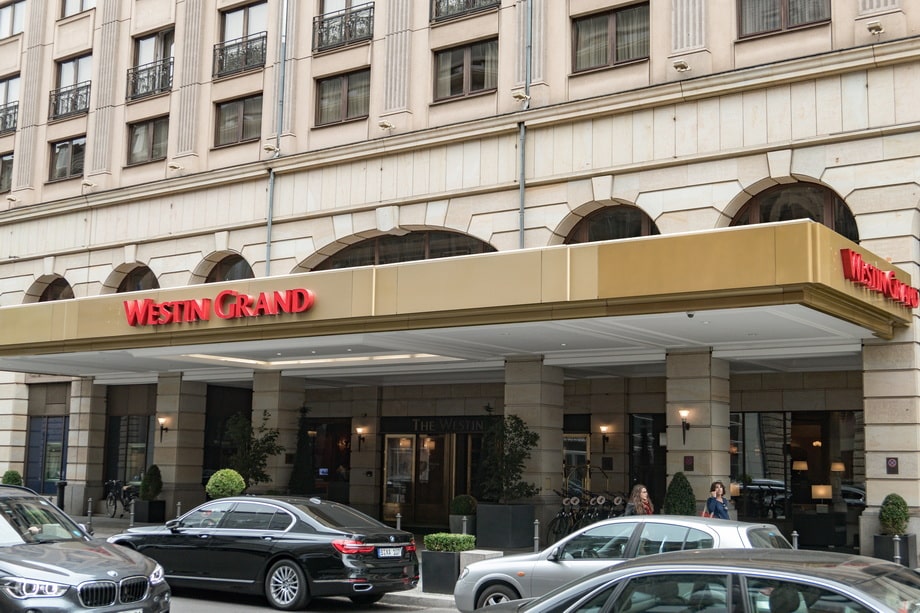
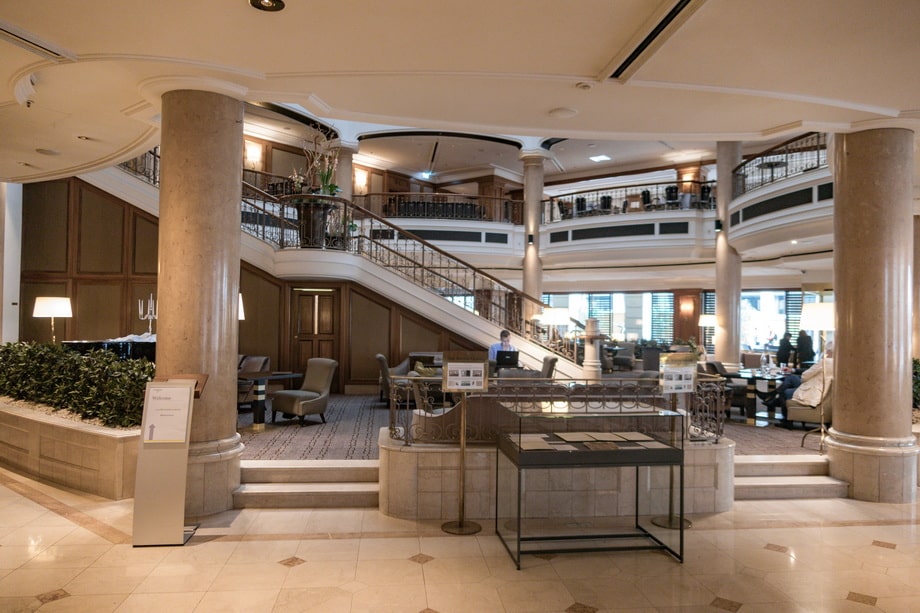
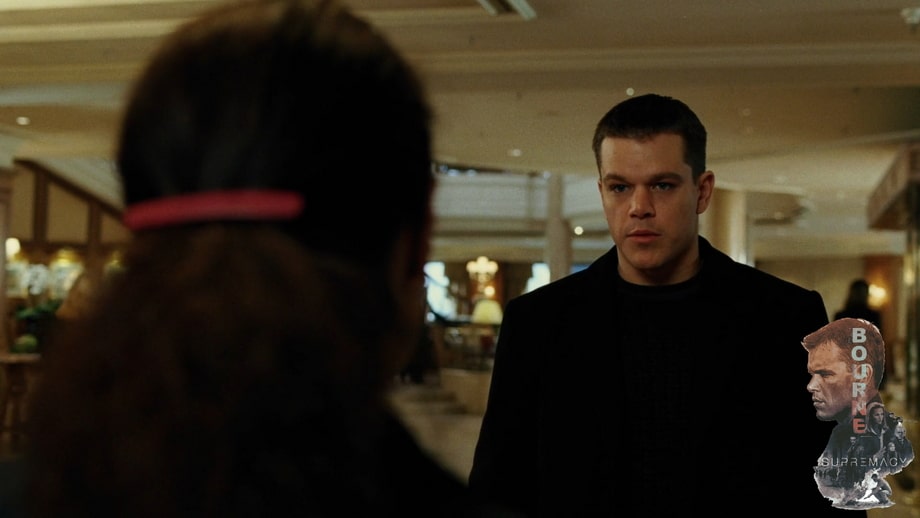
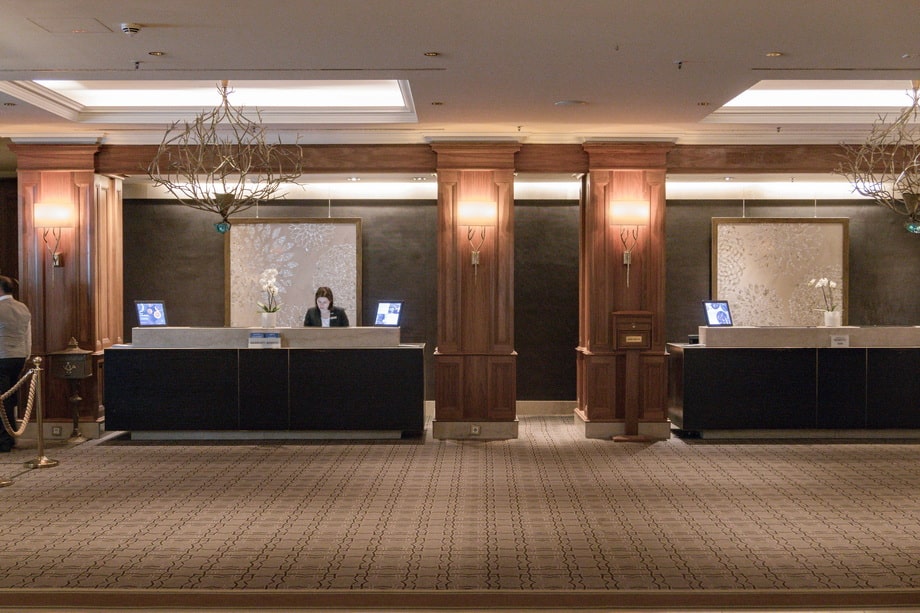
As opposed to the age-old historical heritage of most of the European VIP hotels, the Westin Grand Hotel made its appearance on the map of Berlin as early as seventeen years before the filming of The Bourne Supremacy. Back in the 19th century, since 1873 actually, the site was accommodated by Kaisergalerie, a three-story complex of buildings with a 130-meter passage gallery, used as a shopping center of that time. The spacious shopping center, which had once been inaugurated by Emperor Wilhelm I, was heavily damaged in 1943, and the remaining ruins were once again burned out two years later. The ruins had been a part of the local landscape until 1957, yet the cleaned site was of no use for another thirty years.
In the 1980s, the authorities of the so-called ‘GDR’ (German Democratic Republic) made up their mind to build a flagship luxury hotel in Berlin. The pompous design even included the huge glass dome, a kind of architectural reference to Kaisergalerie. The newly built hotel welcomed its first guests as early as August 1987 to get the timing right for the celebrations of the 750th anniversary of the founding of Berlin. It’s a matter of fact that this GDR hotel was not accessible to the inhabitants of socialist East Germany, as only the hard currency of the FRG was accepted here. The hotel changed its owners several times after the reunification of the country and gained its modern name ‘The Westin Grand Berlin’ as early as 1997, seven years before Jason Bourne’s visit. The year 2008 witnessed an ambitious renovation, adding one additional floor and forty-one rooms to the initial design. In less than two minutes of walking, any movie enthusiast can find ‘Gendarmenmarkt’ square, one of the key filming locations of ‘Around the World in 80 Days’ 2004 adaptation.
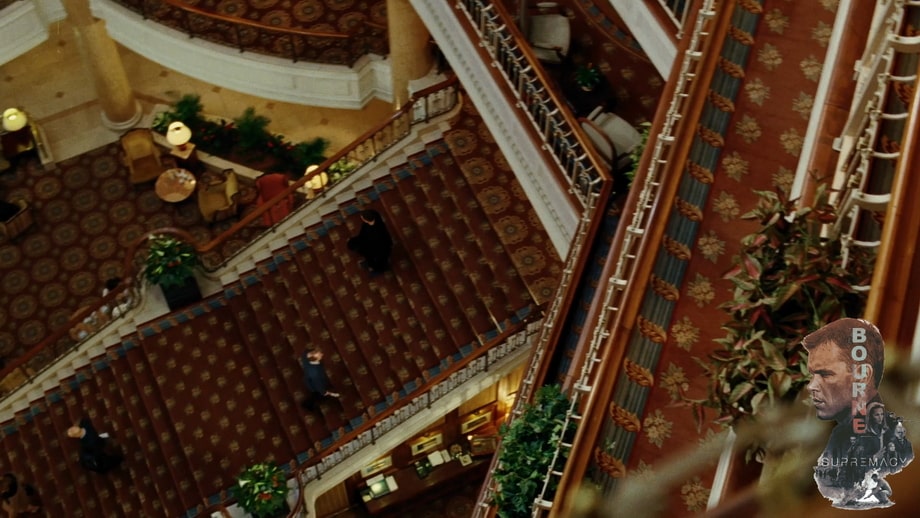
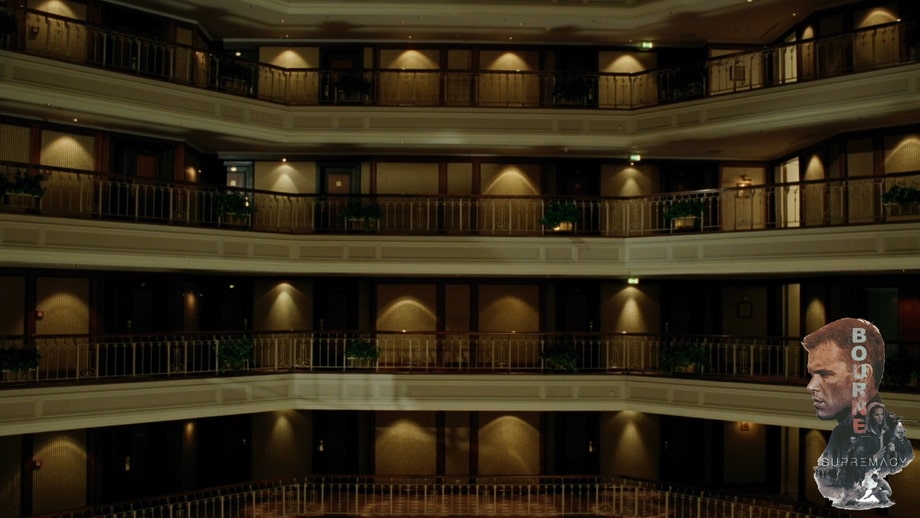
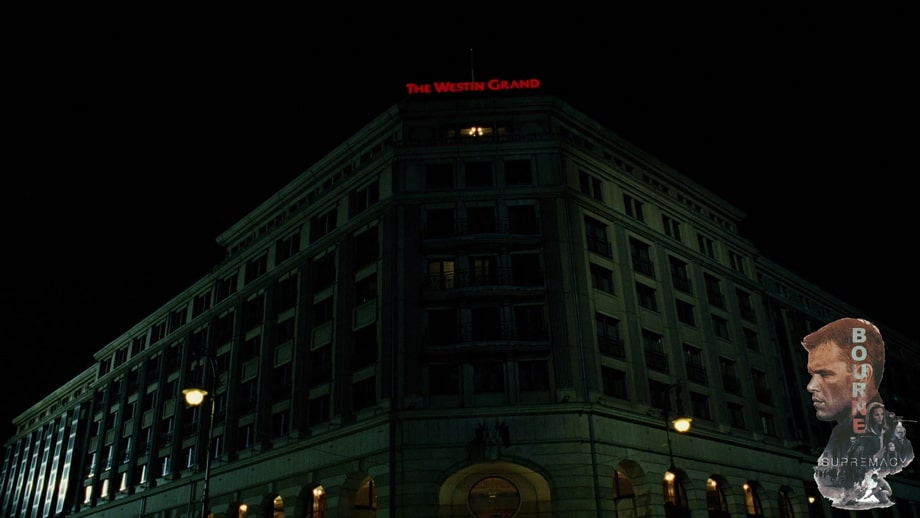
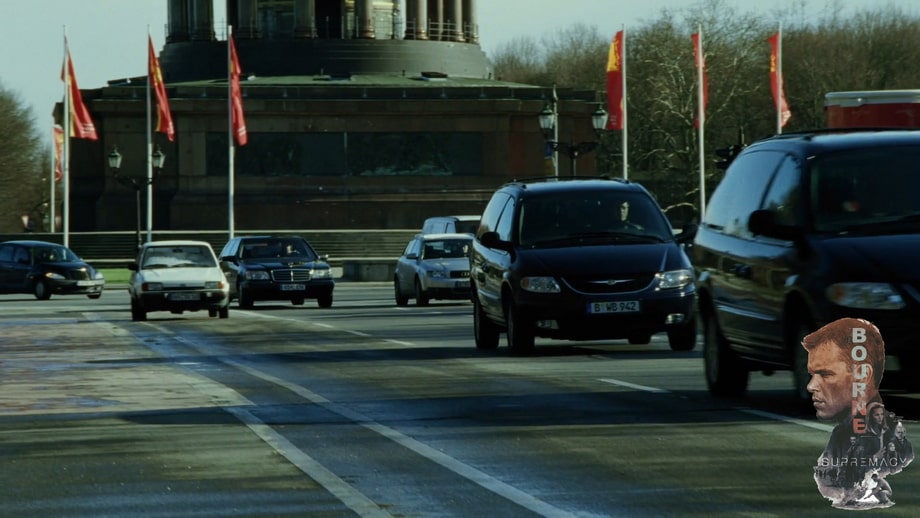
By being consistent in analyzing Jason Bourne Berlin locations and their appearances down the road of the story, this very location makes its previous appearance in ‘Bourne Supremacy’ within minute 38, even before the scene with Jarda in ‘Munich. In that scene, the CIA procession of cars with Pamela Landy, Ward Abbott, Nicky Parsons, and Danny Zorn makes its way throughout the streets of Berlin from the Tempelhof airport, passing Siegessäule (Berlin Victory Column of 67 meters high) and Palast der Republik (Palace of the Republic). Later on, they enter the building with the distinctive number 32 on the front side. The actual address of the location is indeed Karl-Liebknecht-Straße 32, at arm’s length from Alexanderplatz. The building made its very first appearance in the 5th minute of the movie during the failed CIA mission of gaining the so-called ‘Nesky’s files’. Pamela Landy was present in the operations room here.
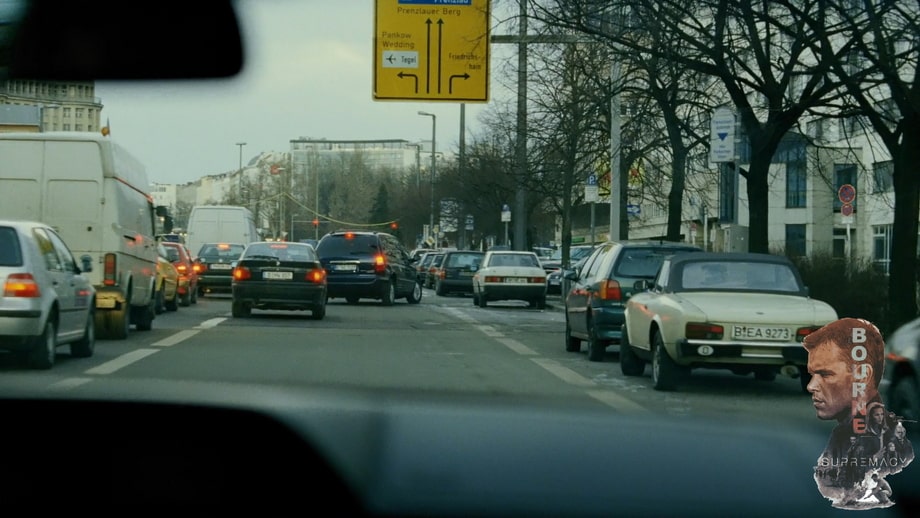
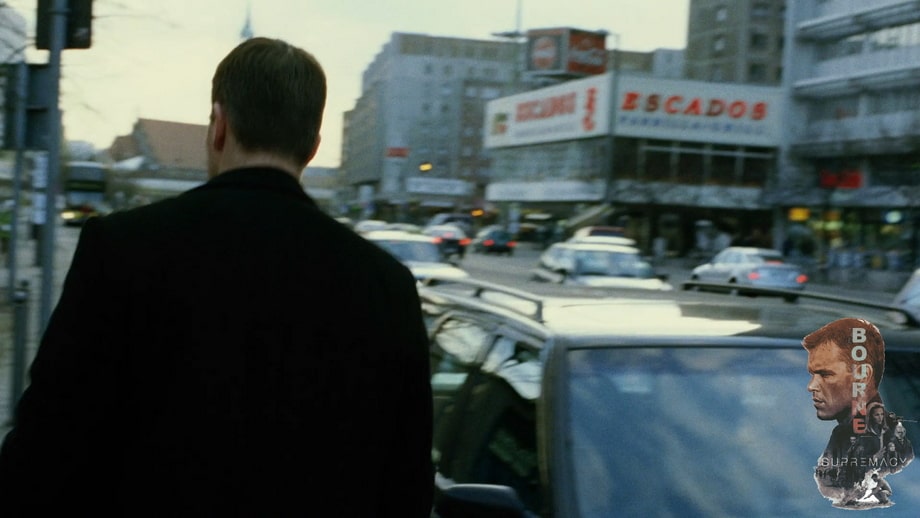
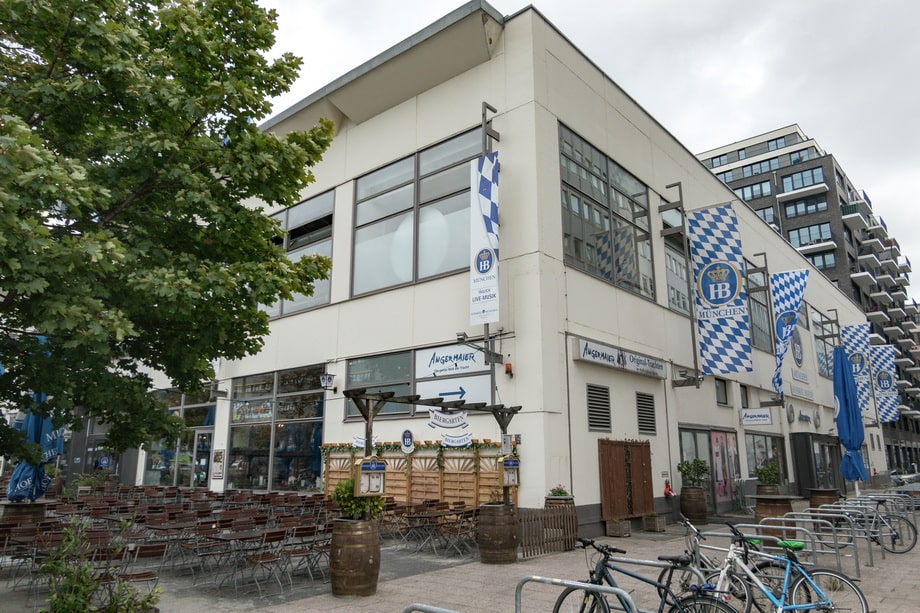
Getting back to the timeline after the Westin Grand Hotel and Bourne’s shadowing Landy, we can see his taxi moving through Karl-Liebknecht-Straße in the North direction. The sign marking Prenzlauer Allee ahead is clearly visible, as well as the ‘Soho House’ to the left. The building of Karl-Liebknecht-Str. 30 could also be identified from his car window: today it accommodates Hofbräu Wirtshaus, the Berlin philia of 4000 seats of the world-famous Bavarian beerhouse.
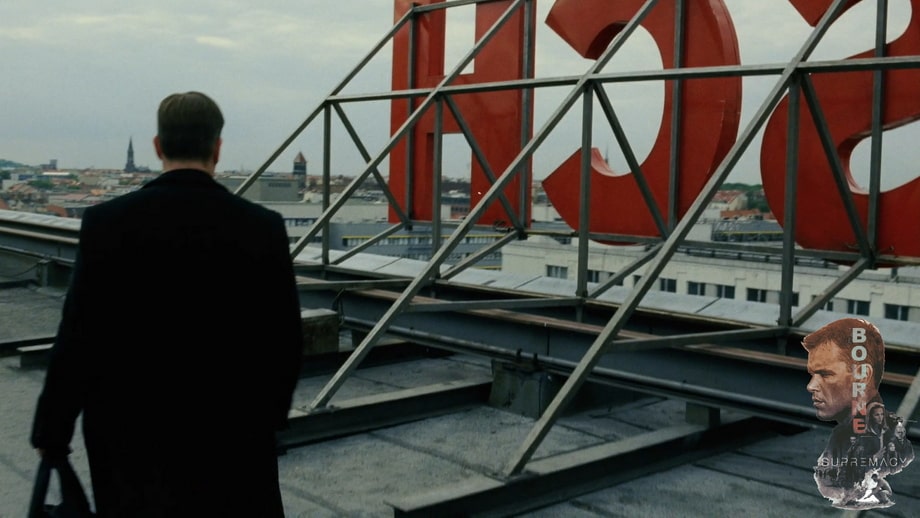
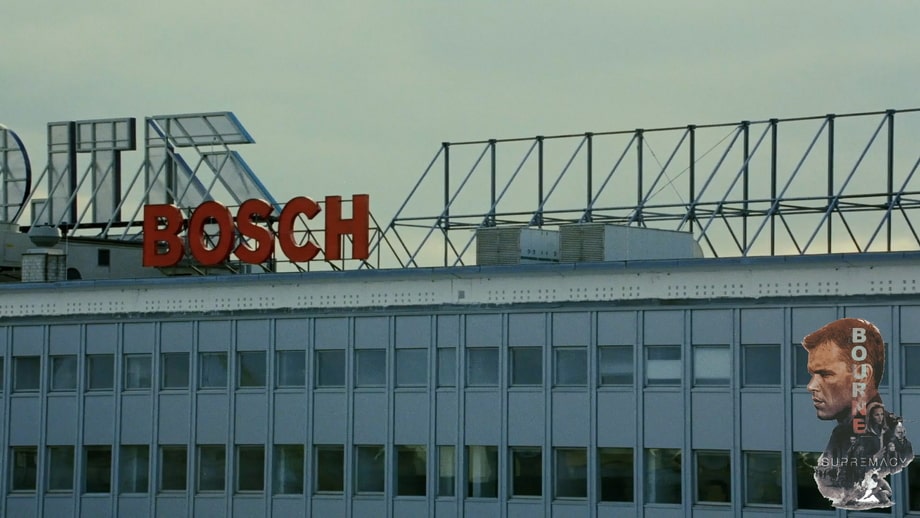
The building, which was chosen to accommodate the cinematic version of the Berlin CIA headquarters, makes its appearance several times in the course of the narration, most particularly in the scene when Jason makes a call to Pamela Landy and underlines her half-truth about the involvement of Nicky Parsons. The next shot, taken from the roof from Bourne’s perspective, suggests to us that Bourne took his position in the building of Karl-Liebknecht-Straße 29 across the road. The truth is it was no more than a perspective over the main location, as Jason, as it becomes evident, oversees his chasers from the roof of Alexanderstraße 1-3-5. It’s better known as ‘Haus der Elektroindustrie’ (House of the Electrical Industry), and at the time of shooting in 2004, it had an address of Alexanderstraße 6. The building was erected back in 1969 and has become one of the carte-de-visite of East Berlin at that time and an integral part of Alexanderplatz since then. Despite the 1990s plans for demolition, the 221-meter-long building was preserved and later accommodated by many German governmental institutions and commercial companies. Part of this ‘commercial’ may be identified with the huge banners of BOSCH and ATLC.
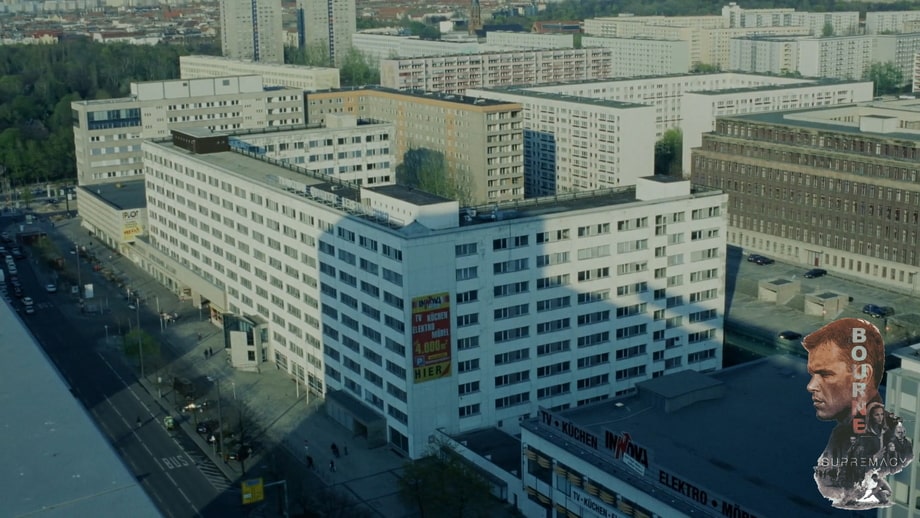
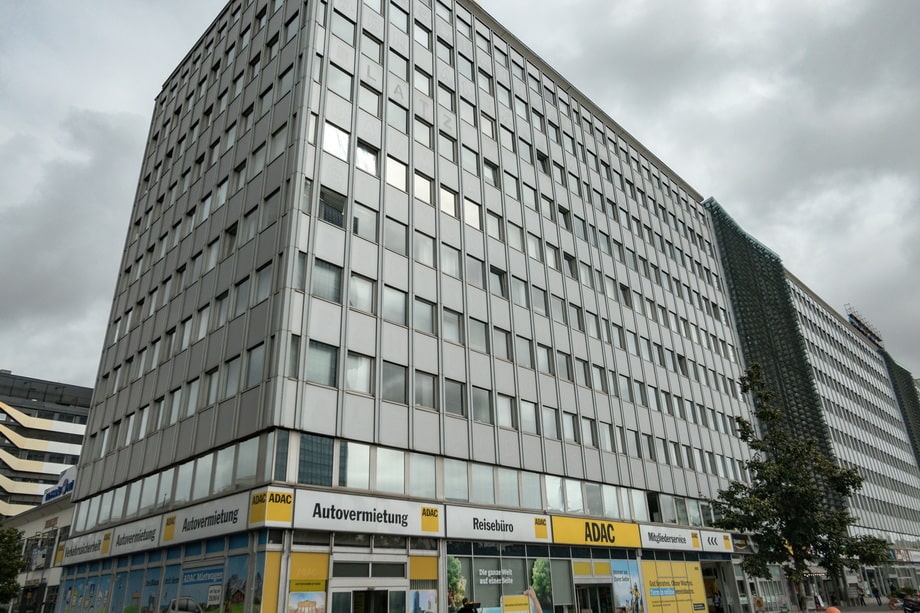
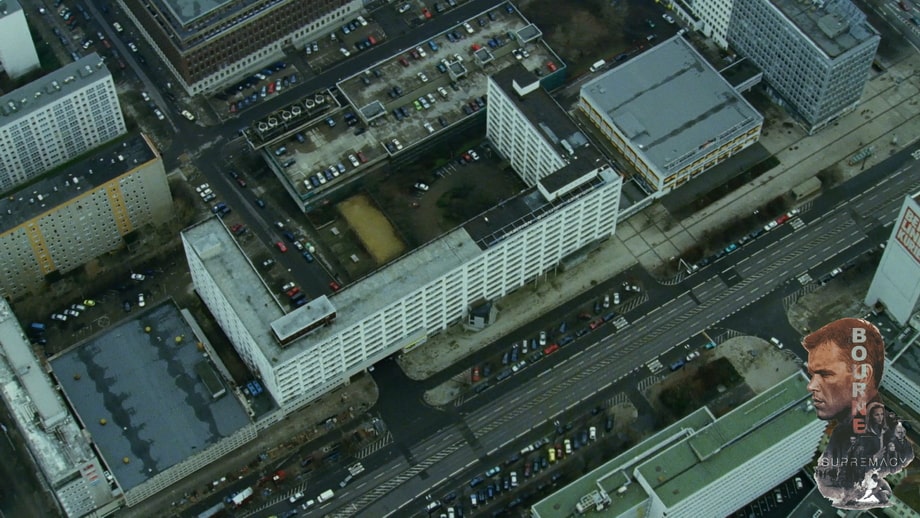
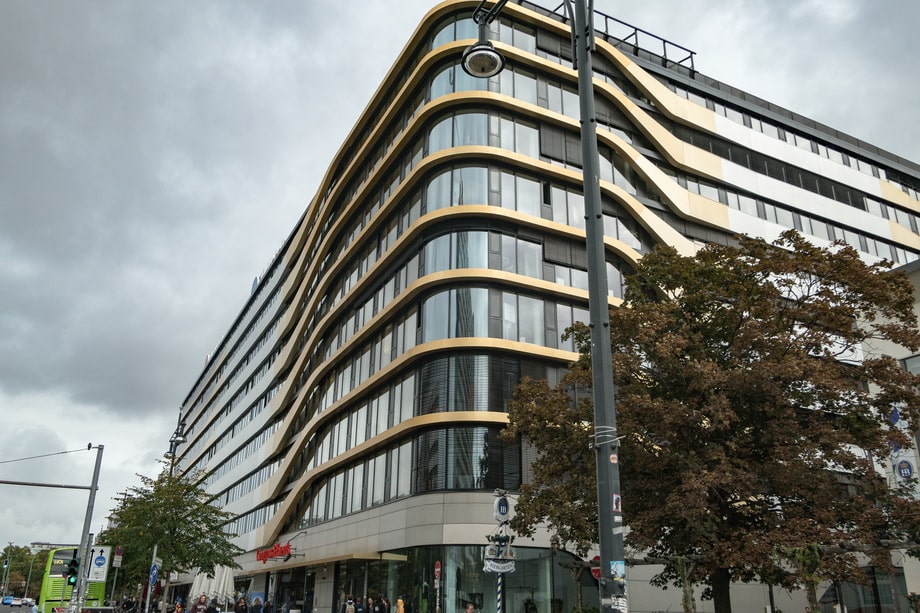
Speaking in detail about the Karl-Liebknecht Str. 32 building, the key location of this section of the article, was demolished in the mid-2000s. At the time of The Bourne Supremacy shooting, it was the headquarters of the ‘Freenet digital GmbH’, a German mobile operator. After a few years in the role of an open-air site of a parking lot, the location was built with ‘H4 Hotel Berlin Alexanderplatz’, which welcomed its first guests in 2011 and preserved the authentic Karl-Liebknecht Str. 32 address.
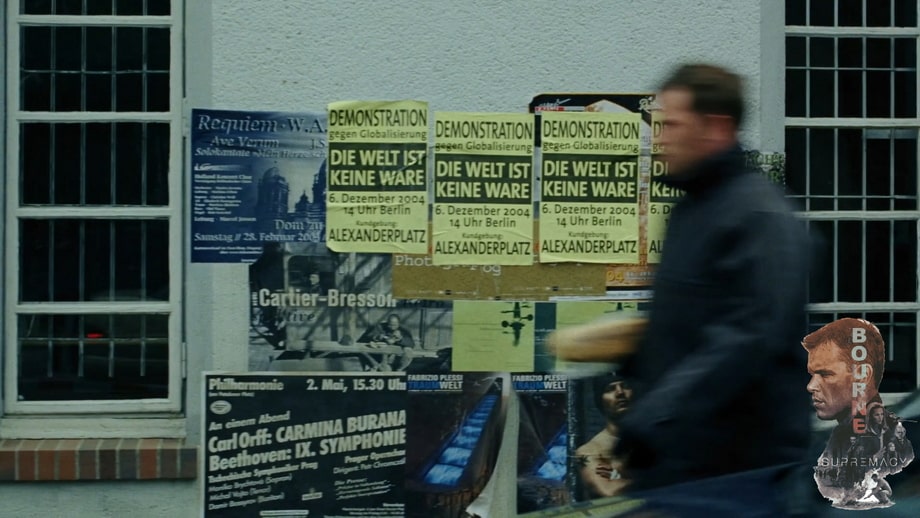
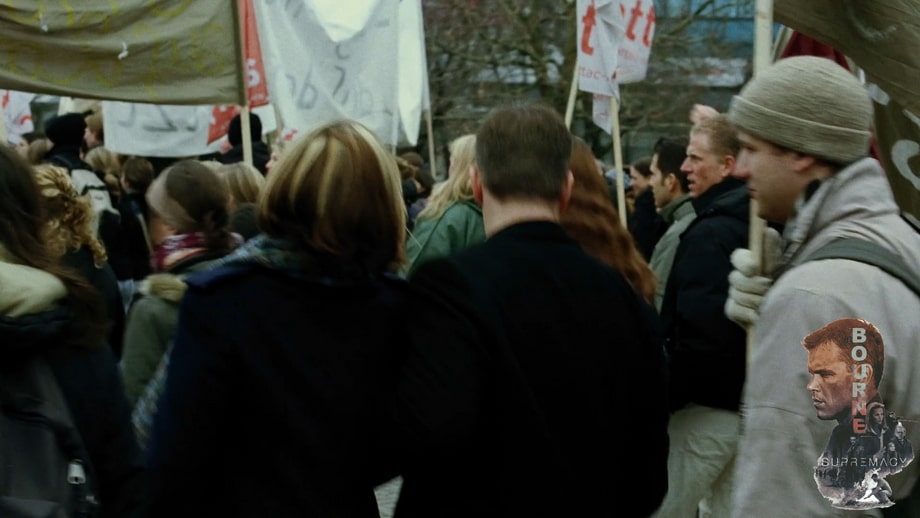
As I have stated above, Alexanderplatz Square draws attention to itself as early as the very first glimpses of Berlin and tends to make one’s importance felt as the story goes on. The few attentive viewers may pay regard to another less knowable appearance in the 47th minute of the movie in the format of the banners, being passed by a taxi with Jason Bourne. The lettering in German is: ‘DEMONSTRATION. Gegen Globalisierung. DIE WELT IST KEINE WARE. 6. Dezember 2004, 14 Uhr Berlin. Kundgebung: ALEXANDERPLATZ’. It can be translated as: ‘DEMONSTRATION. Against globalization. THE WORLD IS NOT A COMMODITY. December 6, 2004, 2 p.m. Berlin. The place of a rally: ALEXANDERPLATZ. In this narrow sense, Jason’s choice of the ongoing encounter with Nicky Parsons was forged not only by the fact of the eventual populousness of Alexanderplatz but also motivated by a particular mass gathering within the already crowded square.
Jason gives the instructions to make arrangements with Nicky Parsons at ‘Alexanderstrasse, 30 minutes, under the World Clock’. The oncoming panoramic bird’s view takes us once again above Spree with a distinctive ‘Berliner Fernsehturm’ and thus Alexanderplatz in the far background. The following shot sweeps above the already recognizable Karl-Liebknecht Str. 32 building. The truth is that the CIA headquarters were located merely 200 meters from Alexanderplatz, which was, in fact, a great advantage for the agency. At the same time, regarding the number of people on Alexanderplatz, the agents call the place a ‘security nightmare’.
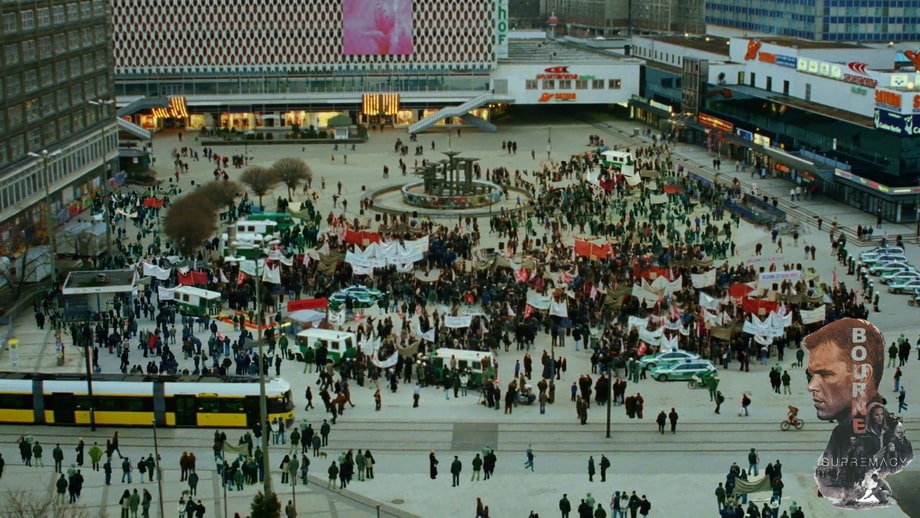
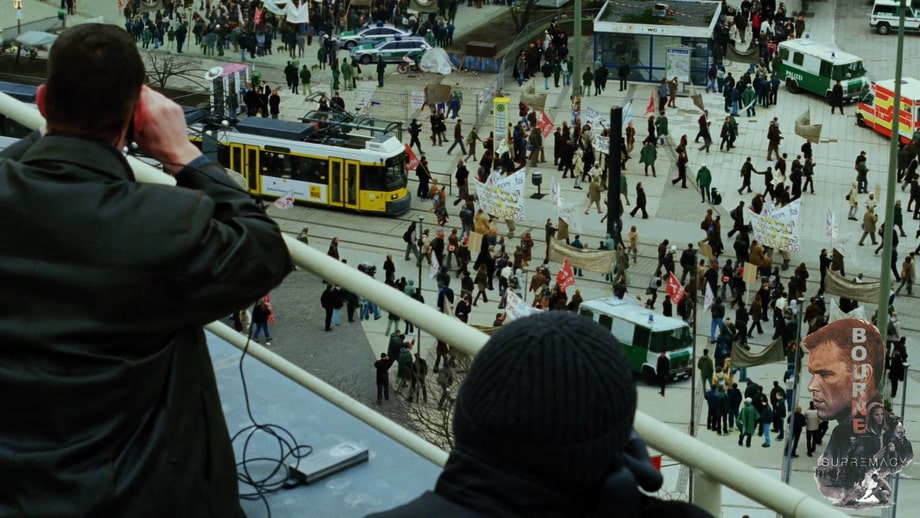
The locality was once, in fact, a cradle of Berlin, with the very first settlements on the site of the modern Alexanderplatz originating back in the 13th century. The fact is reflected in the oldest preserved church in the city, known as ‘Marienkirche’ (located next to the Tower), founded back in 1280. Once called ‘Ochsenmarkt’ (oxen market), the square was known as the site of a cattle and wool market. Regarding the modern naming, the spacious open site was named after Tsar Alexander I, the Russian ruler, who himself visited Berlin in 1805. It’s intriguing to note that the first office buildings here came into existence as early as the 1930s with the building up of ‘Alexanderhaus’ and the ‘Berolinahaus’. Both buildings survived the WWII devastation as opposed to the great part of the pre-war Alexanderplatz, which was rebuilt later, primarily in the 1960s.
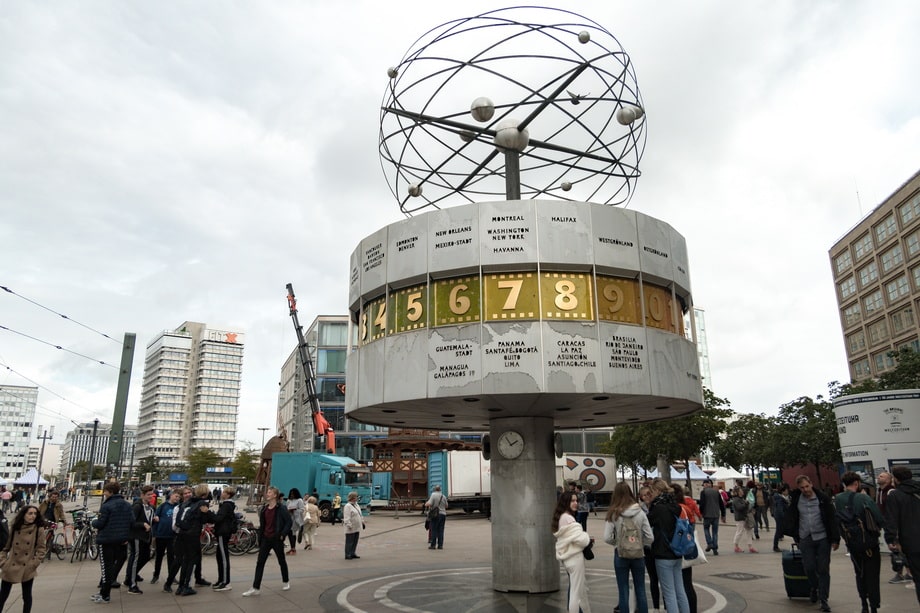
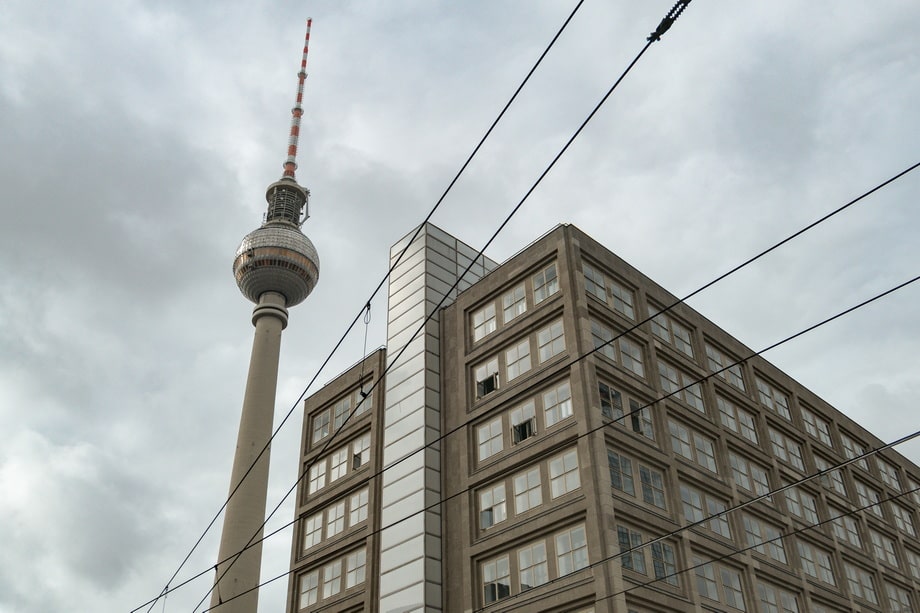
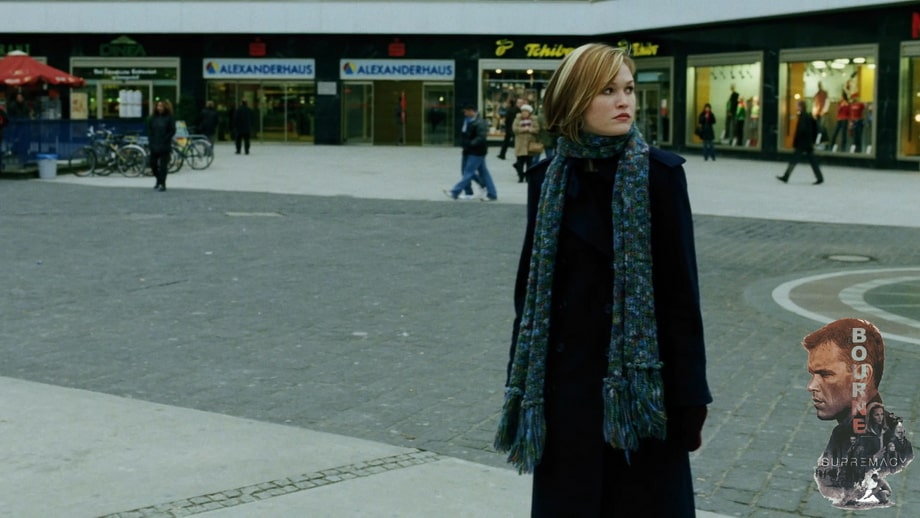
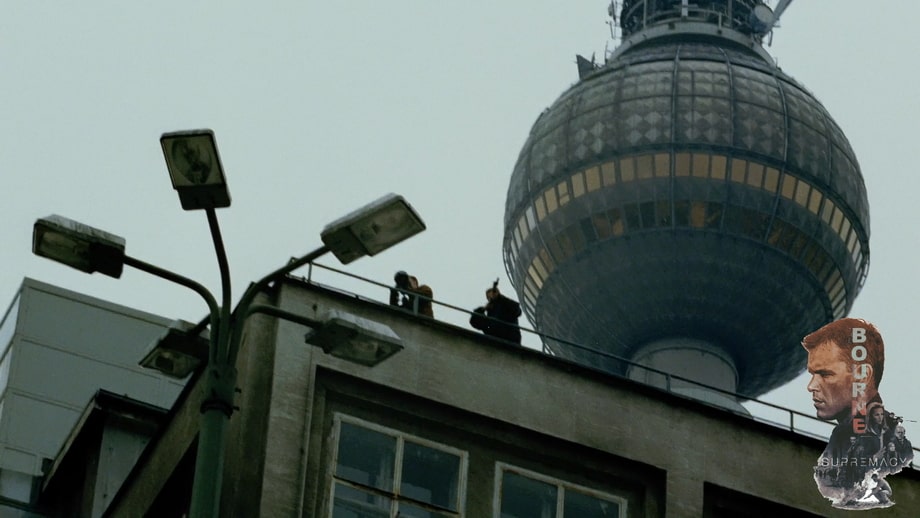
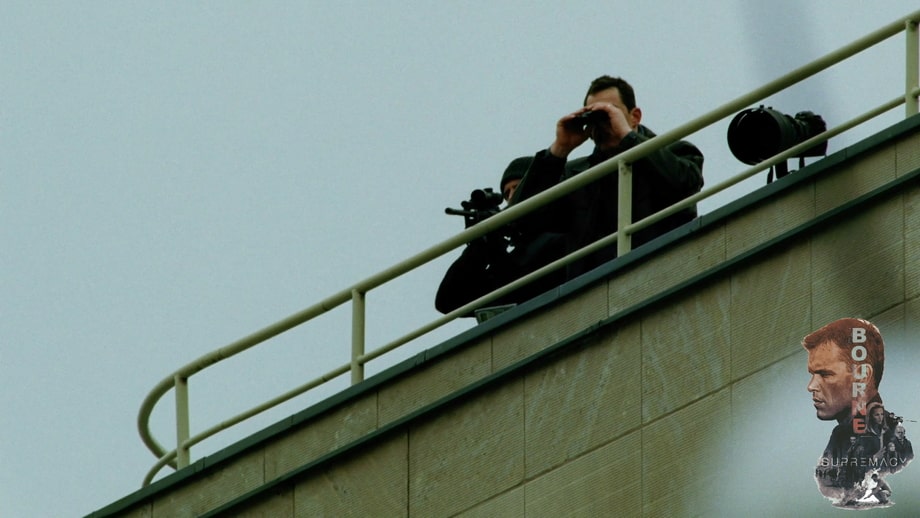
We can see Nicky Parson in front of ‘Alexanderhaus’, merely a few steps from ‘Weltzeituhr’ or the ‘World Time Clock’. It’s worth mentioning that since its very opening in 1969, the clock, which tells the time from more than 140 world locations, has become a place for meetings and a guiding light regarding the never-ending crowds of people at Alexanderplatz. Only seven years before ‘The Bourne Supremacy’ shooting, the clock was renovated and added some new localities; some others were renamed. The next shot reveals two separate sniper squads, one of which is positioned on the roof of Berolinahaus, an example of historical modernism built in 1932 at Alexanderplatz 1. On the date of the filming in 2004, the building was merely empty after all governmental institutions had left it for new residences. It would take another year until the new private owner would initiate the restoration works and re-energize the landmark building.
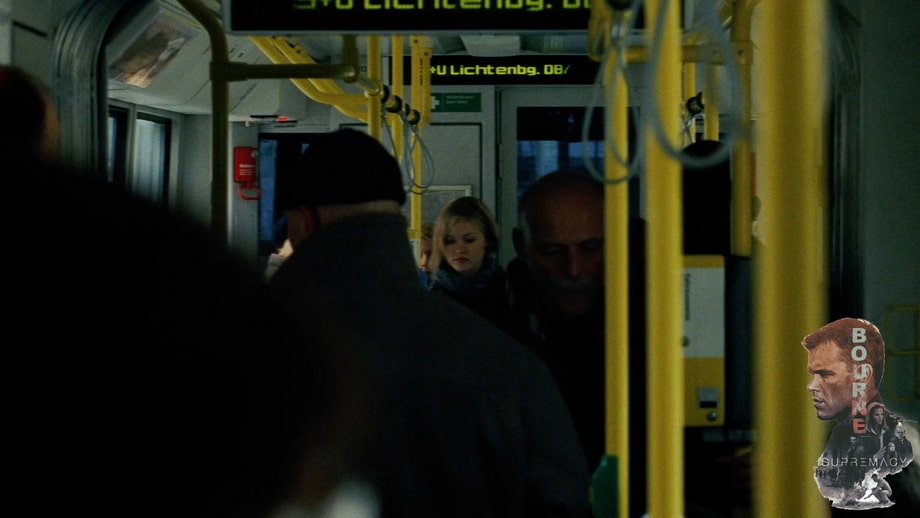
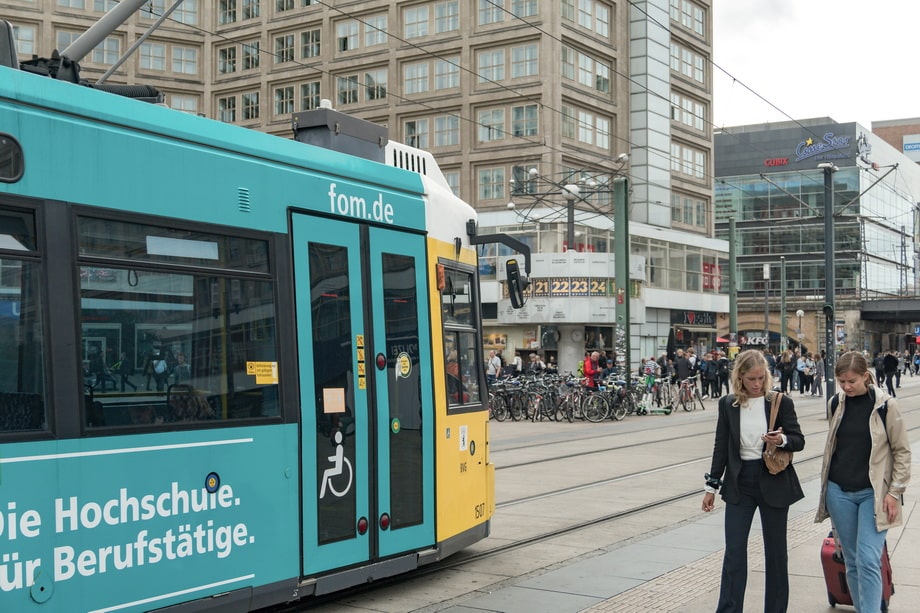
Nicky Parsons enters the bypassing tram, which indicates the panel shows us «S+U Lichtenberg» as the oncoming stop. A few moments later, when the CIA agents ransack the vehicle, we have a chance to see the «Gudrunstraße» lettering. These two details make us understand that the interior scene was shot far from Alexanderplatz. They were filmed on the lines, which do not include Alexanderplatz in their routes: lines № 21 / 37. The thrilling scene goes on as Jason and Nicky leave the tram and find themselves later within an underground walkway under Alexanderplatz. It is indeed a fact that the square serves as one of the largest in not the one transport hubs in Berlin, with a number of both S-Bahn and U-Bahn lines crossing it.
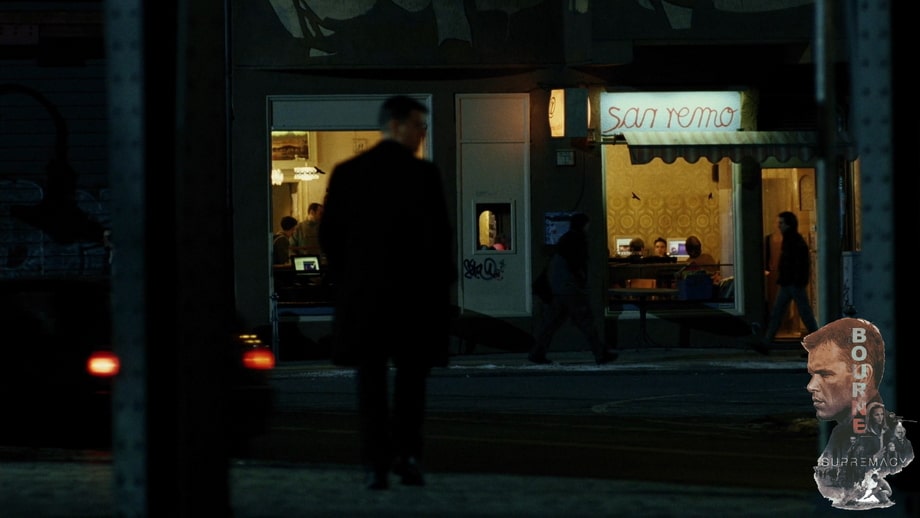
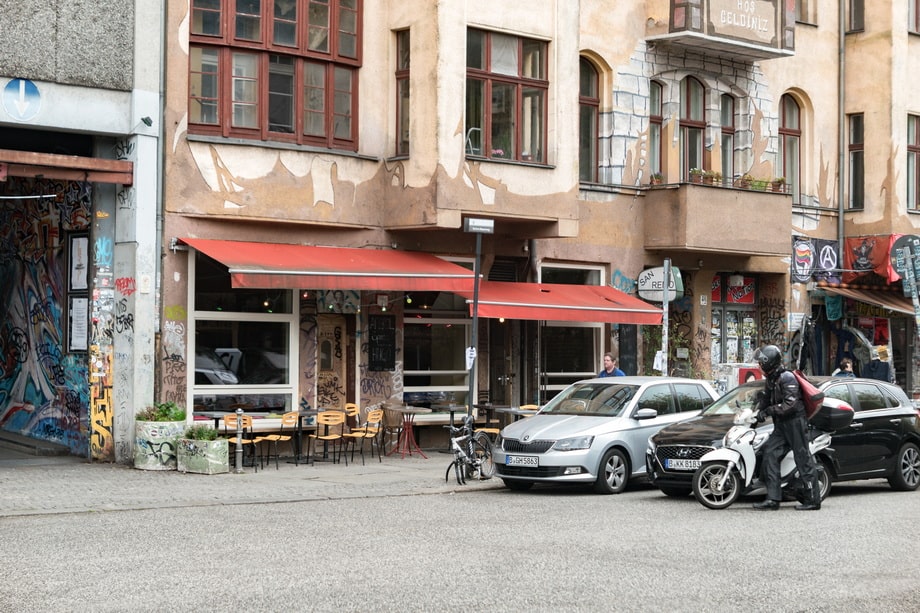
Following the encounter with Nicky Parson and the given information regarding Bourne’s first mission in Treadstone, he makes up his mind to check the information on the web and takes his time in one of the internet cafes in Berlin. The exact place can be identified as Falckensteinstraße 46, in fact, at the arm’s end of the ‘Oberbaumbrücke’ bridge. The street was once named after the Prussian general Eduard Vogel von Falkenstein (1797-1885). Jason already had to bypass the cafe on his taxiway from the Ostbahnhof to the Westin Grand Hotel (moments after crossing the bridge). He likely took notice of the place with his legendary peripheral vision. In the next shot from inside the ‘San Remo’ cafe, we can see the overhead metro line, which negotiates two smooth corners within the section between the «Warschauer Straße» station across Spree and «Schlesisches Tor» next to Falckensteinstraße 46.
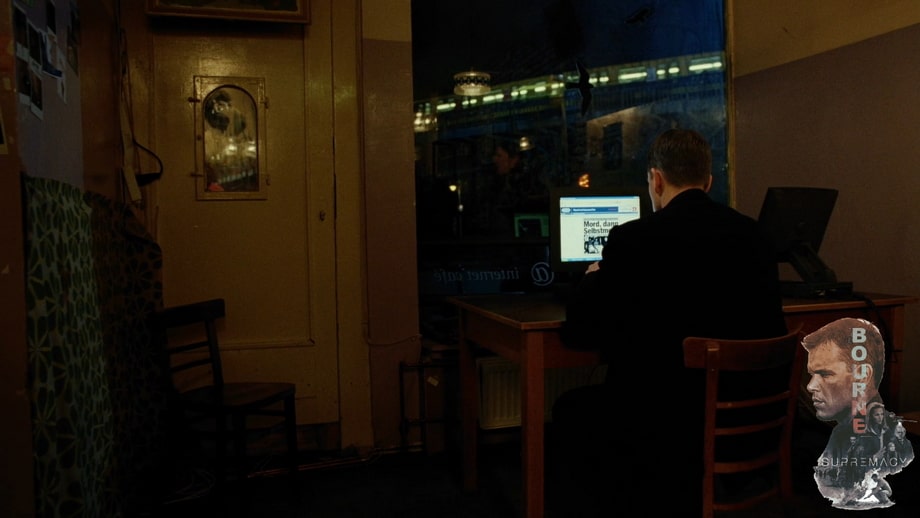
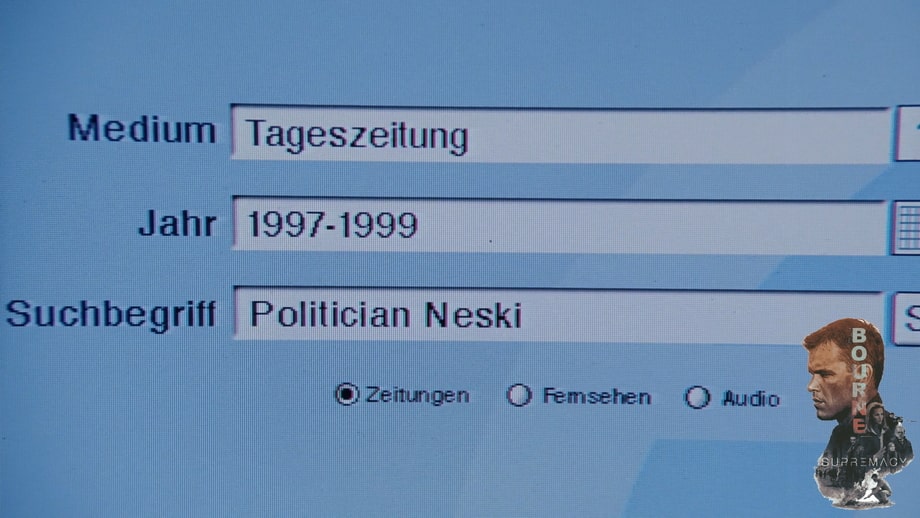
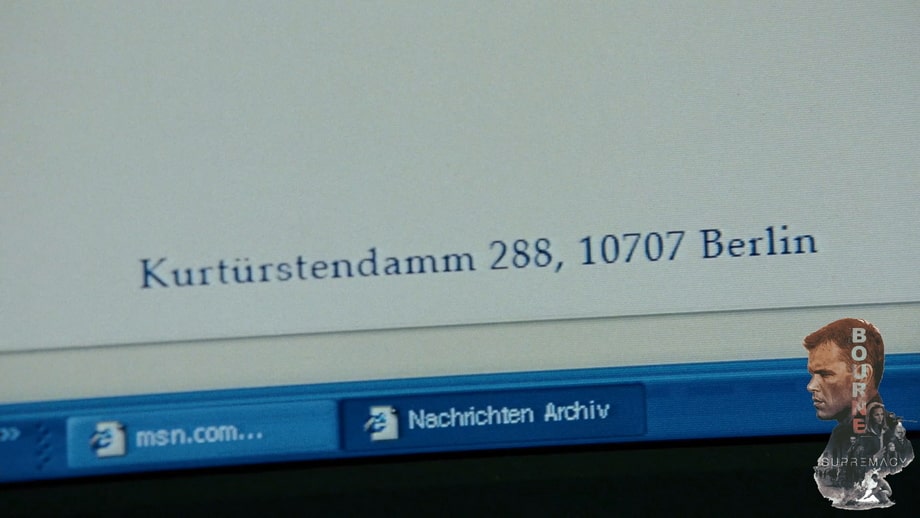
Jason takes a closer look at the website called Nachrichtenarchiv.de. The domain name was registered as early as 2013 and has never had any connections with the news portal. The obtained articles tell the story of the Russian politician Alexander Neski, who was killed in the Hotel Brecker in Berlin. The truth is, there is no hotel of such a name in the city, though Bourne uses search and reveals the following address: Kurtürstendamm 288. There is no such address in Berlin for two reasons. The first one is the simplest: there is no Kurtürstendamm street in Berlin. Speaking about ‘Kurfürstendamm’, the ‘Cumberland’ hotel at Kurfürstendamm 193-194 was filmed for the exterior scenes, yet there is no 288 number on this street.
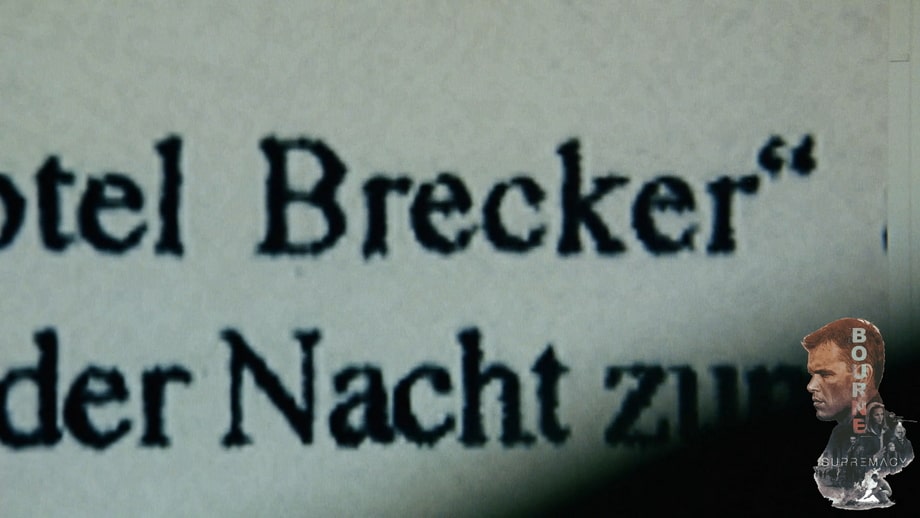
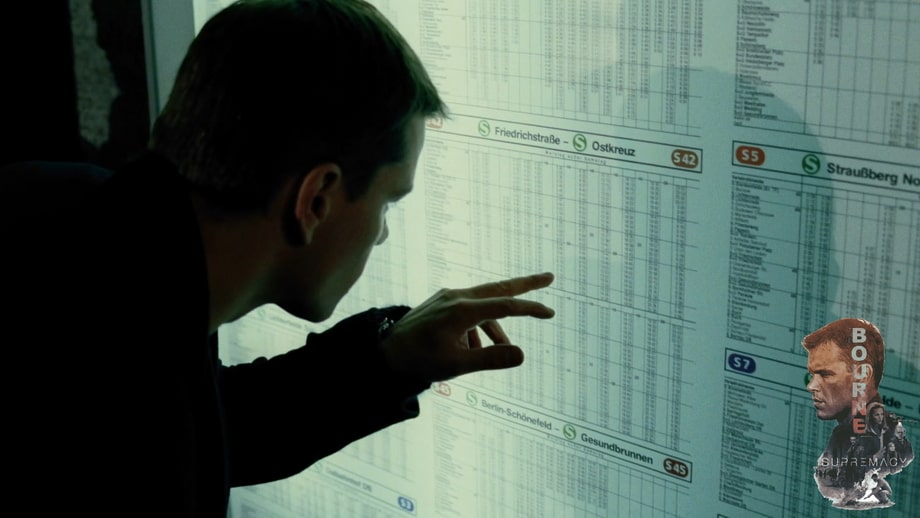
After getting back to the crossroad of Kantstrasse/Hardenbergstrasse, где Abbot kills his young assistant and the encounter near ‘Hotel Brecker’ (in fact, was shot at ‘Haus Cumberland’), Bourne looks at the transport banner with information. It stands to mention that his attention is occupied by the S42: Friedrichstraße-Ostkreuz line and its timetable. Speaking about the existing transport routes in Berlin, line №42 indeed exists, and one of the two terminal points is ‘Südkreuz HBH’. At the same time, the ring-shaped line does not include ‘Friedrichstrasse’. All while Jason spends moments at the timetable, he is being identified by one of the German policemen, which initiates another head-spinning chase across the streets of Berlin: the trademark of the Bourne series. ‘Zoologischer Garten’, the site of the failed CIA mission, is, in fact, the starting point of this pursuit.
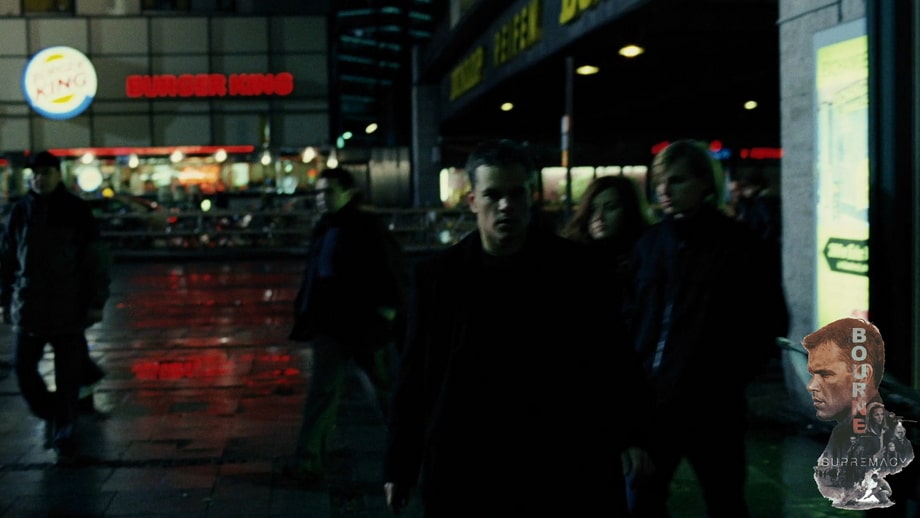
Following a few changes in the camera perspectives, we find ourselves near the distinctive section of the overhead metro line above Albrechtstraße Street in the district of Berlin-Mitte. Back in the 19th century, this nowadays central part of Berlin was no more than a suburb. The Albrechtstraße street has been bearing this name since 1827, when it was named after Albrecht, Prince of Prussia, one of the royal princes of his time. It is interesting to note that the building of Albrechtstraße 13/14 at the arm’s end from Bourne’s route may be identified as another filming location from the ‘Run, Lola, Run’ movie with Franka Potente (Marie Kreutz). Speaking about the existing topography of Berlin, Bourne would need from 4 to 5 kilometers of running, depending on the chosen route, to cover the distance between ‘Zoologischer Garten’ and ‘Friedrichstraße’ stations. In the course of the next few minutes, Jason jumps down the cargo boat and once again climbs to the bridge over the Spree to get into the metro car. The very first version of the Bahnhof Friedrichstraße station was built back in 1882, and by 1925 it became sheltered with a roof. During the Cold War, the station was known as Tränenpalast, the “Palace of Tears”, as it served as a dividing line between East and West Berlin and a place of saying goodbye.
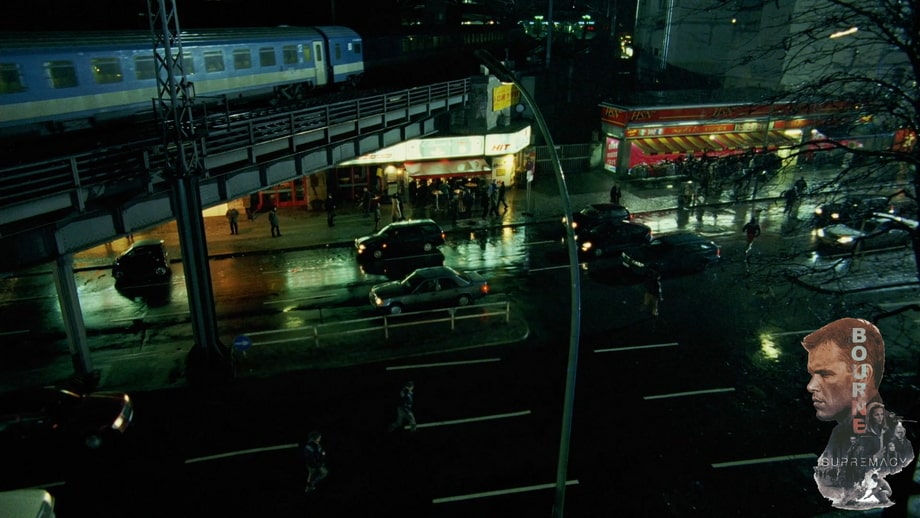
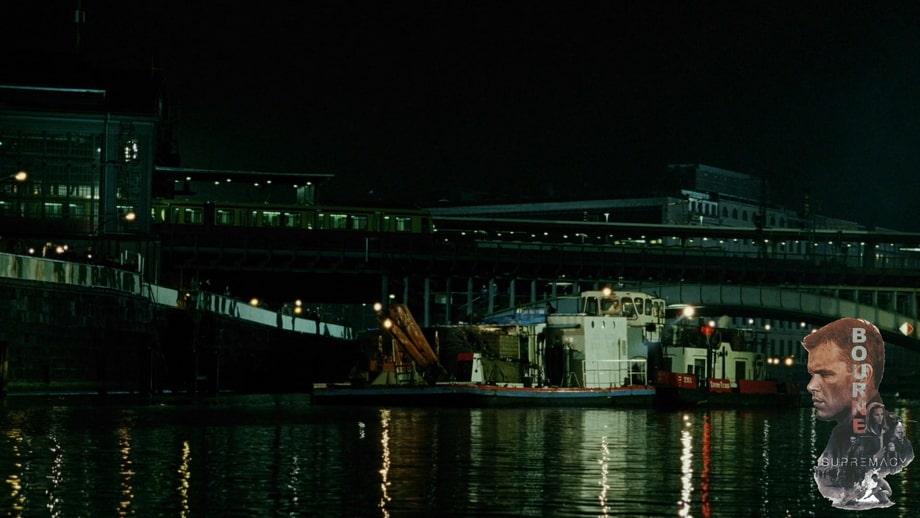
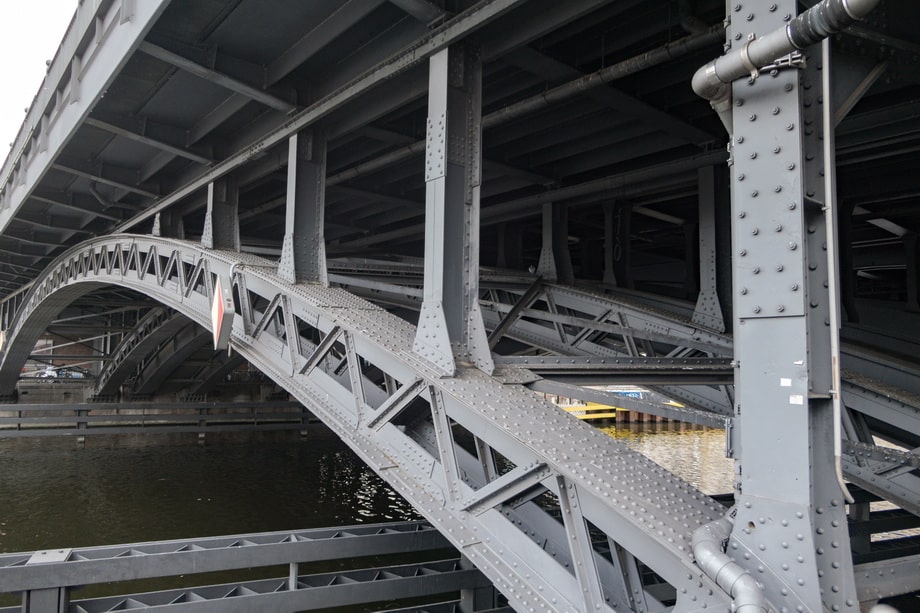
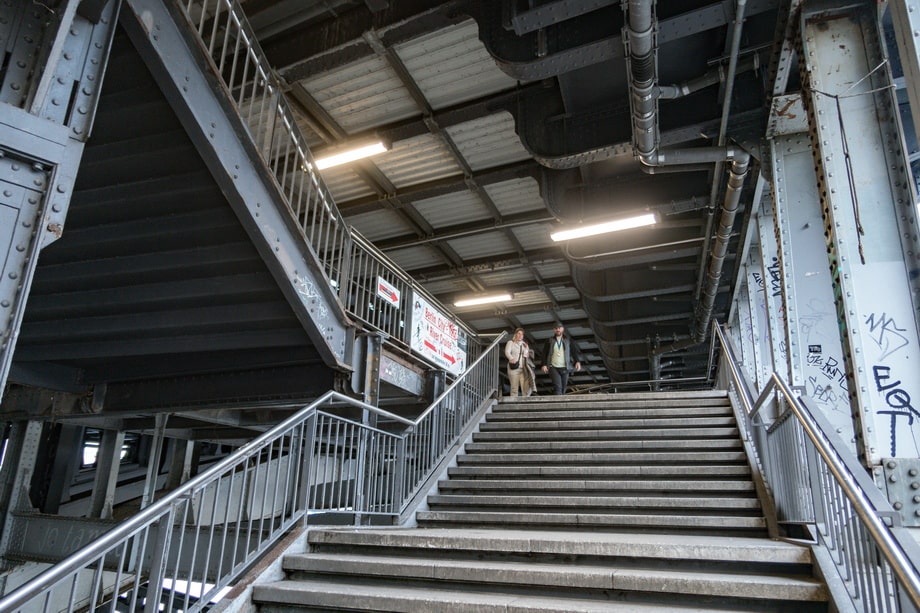
As it turns out, Jason Bourne has another unfinished encounter in Berlin. Following the chasing scene at ‘Friedrichstraße’, the story focuses on Ward Abbott in front of the Hotel Brecker. The scene was once again filmed next to the ‘Cumberland’ hotel at Kurfürstendamm 193-194 (to my regret, I have not visited the site). As if a run-down animal, sodden in lies and corruption and now in murder, the aged CIA veteran makes his way back to the ‘Westin Grand Hotel’, with Jason Bourne in the dark waiting for him. All while Pamela Landy reveals the truth about Abbott, Jason comes back to the ‘Ostbahnhof’ train station to take his belongings from the same locker before his long trip to Moscow.
Even though the filming crew indeed paid a visit to the East for some exterior scenes, the largest proportion of the so-called ‘Moscow’ scenes were shot in Berlin. For example, Scharrenstraße 17 in Berlin played the exterior role of the former ‘Moscow’ apartment of Neski; Yuri was stopped by police at the Gertraudenbrücke bridge, and the final tunnel scene was staged under Tiergarten. In the context of this article, I have previously made an emphasis on the locations in which Berlin plays itself (except for some intriguing exceptions for Naples and Amsterdam), yet at least one other Berlin landmark is worth noting in a separate way. At the same time, it does not include shots with Matt Damon. Following the shots with Jason Bourne inside the train from Berlin, the movie takes us to the dungeon-like red interior of the noisy nightclub. One of the three main antagonists of the movie Yuri, makes his man Kirill (Karl Urban) leave the place. As opposed to the typical Soviet urban development in the scene and the banners in Russian, the scene was staged nowhere other than in Berlin, particularly in the former East Berlin on Karl-Marx-Allee Street to the east of Alexanderplatz Square.
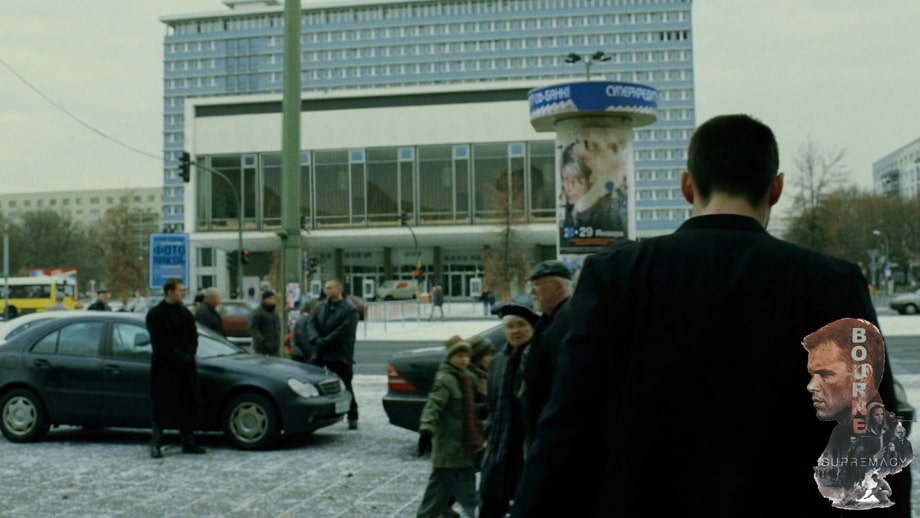
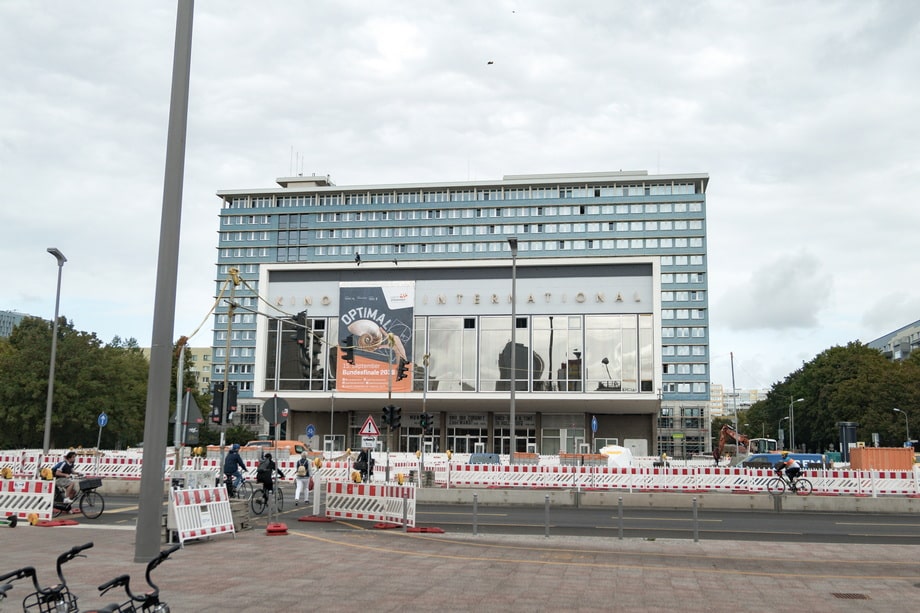
Karl Marx-Allee is internationally well-known beyond Berlin for its post-war erections in the style of Soviet classicism. In the course of WWII, this part of the city was almost completely devastated and lay in ruins until the GDR government was finally obliged to rebuild the area as early as a quarter of a century after the war ended. As the budgets of the Soviet bloc decreased toward the 1960s, the idea of building monumental buildings gave place to typical panel nine-story apartment buildings, popular in the Soviet Union at that time as cheap and unfortunately, low-grade accommodations.
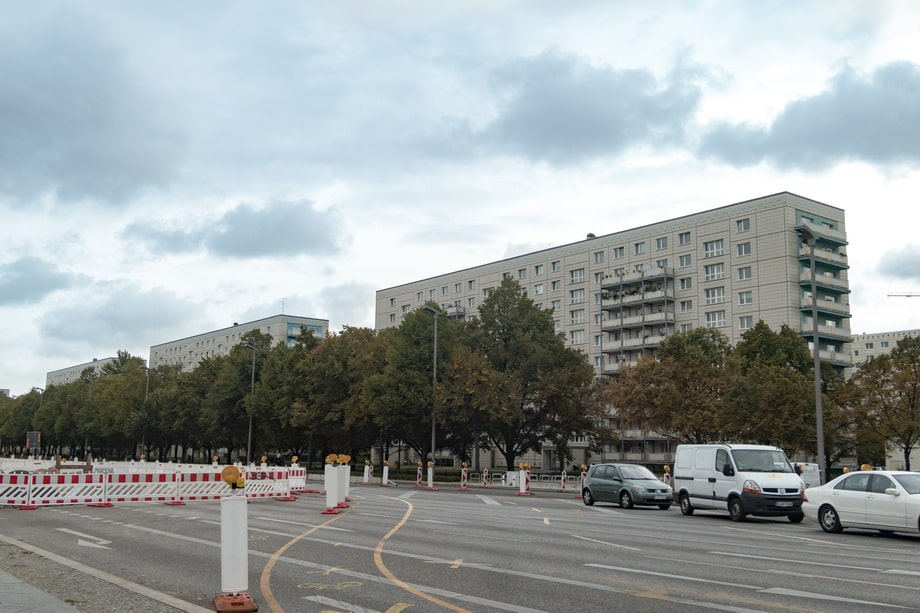
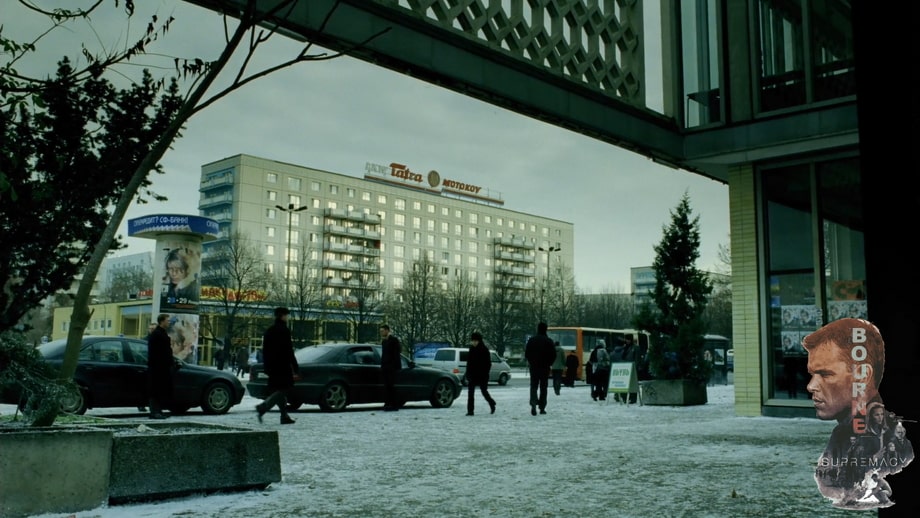
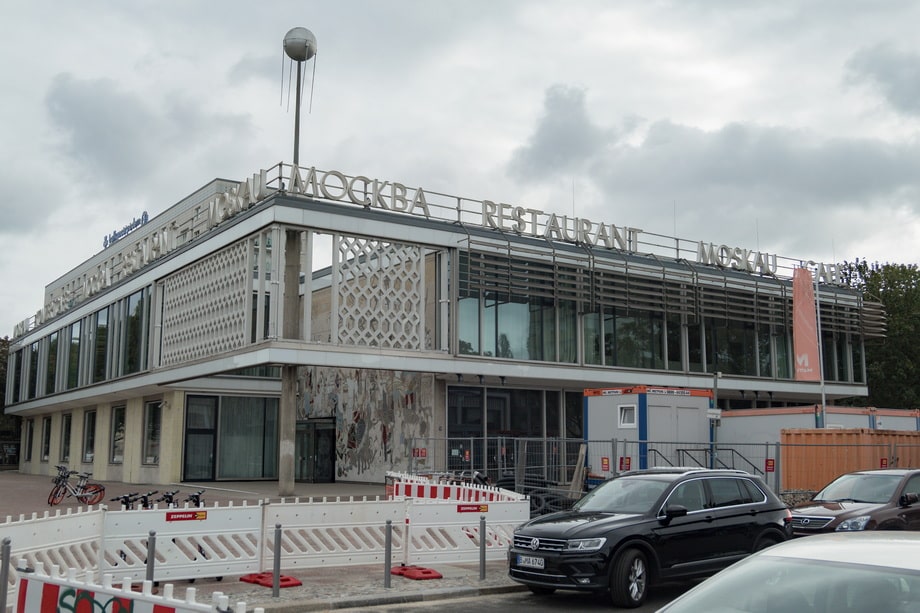
‘Cafe Moskau’ (Moscow Cafe) has become one of the rare places which was to breaks the monotony of the grey socialistic urban landscapes. The place is recognizable due to ‘Kino International’ across the road and the part of the cafe itself. The camera catches the typical nine-story panel house with an ‘LKW TATRA MOTOKOY’ banner on the roof. The truth is that the sign itself was not a filming prop for ‘The Bourne Supremacy’, but the authentic banner from the socialist times, which adorned the building more than thirty years ago. The advertising refers to the automobile manufacturer “Tatra’, whose banners were common in the countries of the so-called Soviet bloc. Speaking about the cafe itself, staged as a Carl Urban sanctuary, the restaurant for 600 seating places was opened back in January 1964 to become the heart of the former socialist part of Berlin. The visitors with hard currency could be served with traditional cuisine, have a dance, and listen to music before buying souvenirs from the Soviet Union. The model of the 1957 Sputnik above the entrance was and still is (has been preserved) the visiting card of the place. After the reunification of Germany, it was desolated until the early 2000s and nowadays is intensively used for mass occasions and expositions.
Read me
The story of Interstate 60 personifies the journey that each of us should early or later take to suit one’s existential coordinates

Read me
More than thirty years after the premiere, ‘BIG’ family movie by Penny Marshall still has so much to teach us, especially the grown-ups
Read me
Despite comedian nature, the story of Viktor Navorski can teach us kindness to others and an ability to take life as it is, with all its challenges and setbacks

Read me
Scent of a Woman analysis presents two memorable characters in movie history. Lieutenant Colonel Frank Slade and Charlie Simms gave us one of the most prominent monologues ever acted

Read me
National Lampoon’s European Vacation has made its place in history as one of the best travel movies, and this time they came to blend in the crowd of French people in Paris.

Read me
DEUTSCHES FILMMUSEUM (German Film Museum in Frankfurt) is an impressive eye-opening experience that could be characterized as the must-see place for all who have a passion for movies