


 5,00
5,00
Read me
Passengers movie explained
An unlooked-for inspirational romantic story of the Passengers movie correlates with SCI-FI origins and a space odyssey by those ‘lost in space.’
MOVIE EXPLAINED

Toward the third movie, the franchise keeps the pace of international journeys and ‘The Bourne Ultimatum’ takes a great advantage of Madrid as one of its primary filming locations
By being a modern cinematic reincarnation of Robert Ludlum’s spy fiction books, a franchise of movies with Matt Damon has assimilated the features of all great stories in the genre, from James Bond to Ethan Hunt: a spirit of adventure and travels around the globe. The opening, The Bourne Identity, took its viewers to Northern Italy, France, mostly Prague, and finally to the Greek islands. The second installment began in India and spent most of the story in Germany, with brief visits to Moscow, Amsterdam, and New York. Matching the ambitions of the two movies, The Bourne Ultimatum was supposed to conduct its international journey: Berlin, Paris, Turin, Tangier, New York, London, and finally Madrid in Spain. Similar to the predecessors and the opponent franchises of 007 and Mission Impossible, some of the locations served others, and some for themselves. The production of the new adventures of Jason Bourne reportedly commenced in October 2006. It lasted over half a year until the additional shooting was finished in May 2007, leaving three months for editing for a world premiere in August.
The story starts by reminiscing about the final chapter of The Bourne Supremacy, which was shot not in the notorious Moscow but in Berlin, particularly at the Lichtenberg train station and at Frankfurter Allee. Paris, a major location in the first movie, now stands for itself in a brief sequence with Jason and Martin, a brother of Marie. Apart from Martin’s solo appearance at the Sèvres-Lecourbe métro station, Bourne found his way to Gare du Nord train station, which he also used in Bourne Identity. While Madrid mainly depicted Turin, the filming crew visited Italy to take a few panoramic shots (including Piazza Vittorio Veneto). The crew spent a great proportion of production time in the streets of London, playing itself, and also in New York, and the world-renowned Pinewood studios opened their doors as well. The production of several key scenes took place in New York, particularly the finale, and took advantage of the Kaufman Astoria Studios. Leaving Europe for another continent took the crew to Tangier in Morocco for the most intense chasing scene in the series.
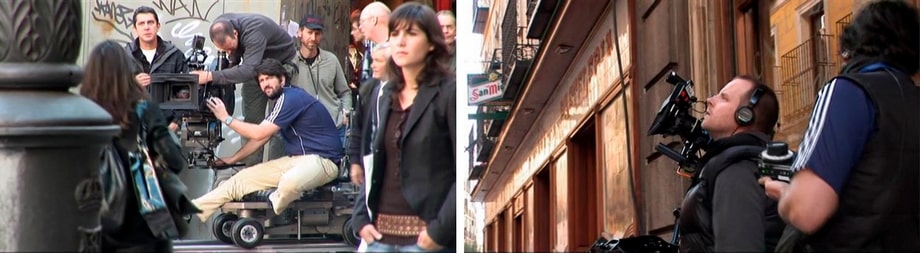
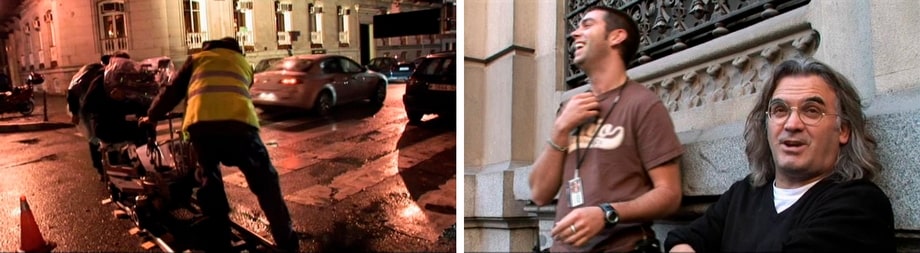
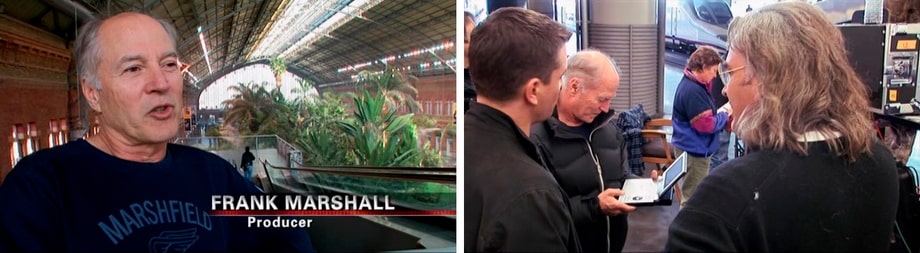
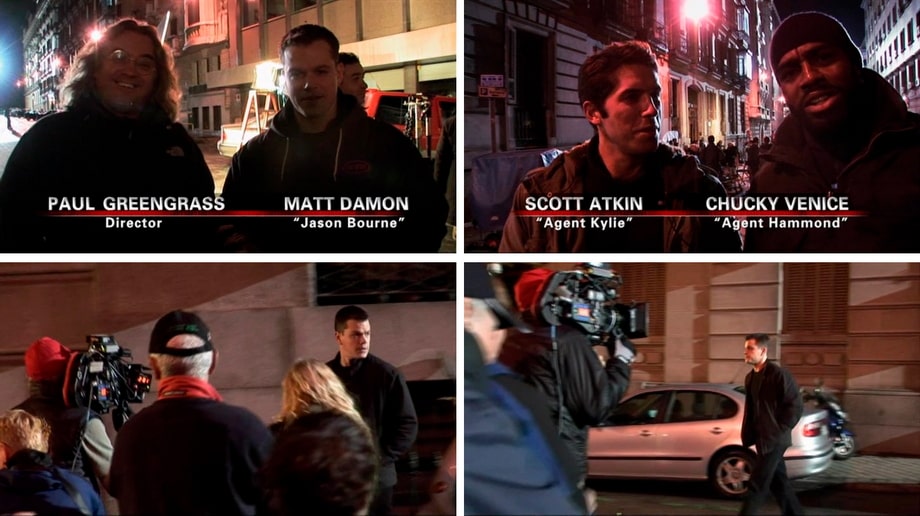
When it comes to Madrid, the filming crew and Matt Damon in particular spent only a small proportion of the production in the capital of Spain. The first period covered only five days in mid-November 2006, and after finishing shooting in Morocco, the crew came back to Madrid in early May 2007 for additional scenes and locations. The locals were astonished to come across Matt Damon in his star role walking in the narrow streets of the city center and the local train station. The Making of’ documentary provides us with plenty of shots of Matt Damon and the director Paul Greengrass having fun in Madrid. It is worth noting that the Madrid Film Commission has done an outstanding job of obtaining permits for the shooting. Allowing Jason Bourne to find out his truth in the city demanded the close cooperation of the Film Commission, the Culture Council of the Community of Madrid, Airports and Air Navigation (Aeropuertos Españoles y Navegación Aérea), and the Railway Infrastructure Administrator (Administrador de Infraestructuras Ferroviarias) to make the shooting of The Bourne Ultimatum in Madrid possible.
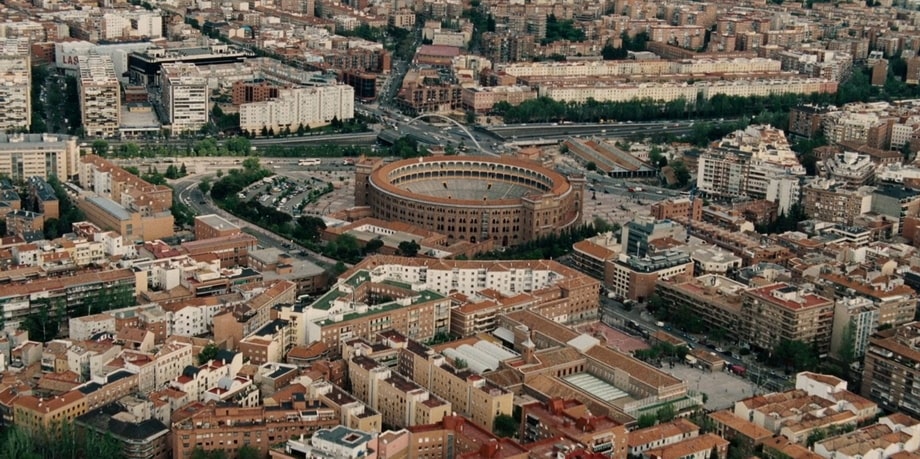
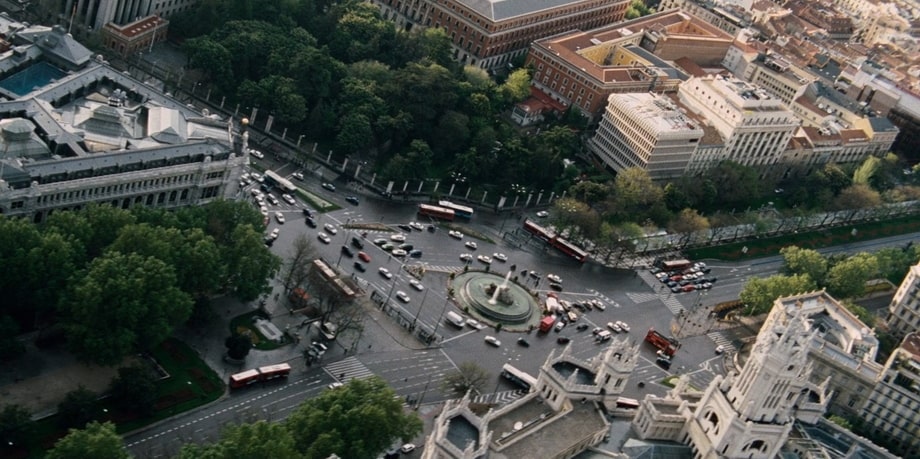
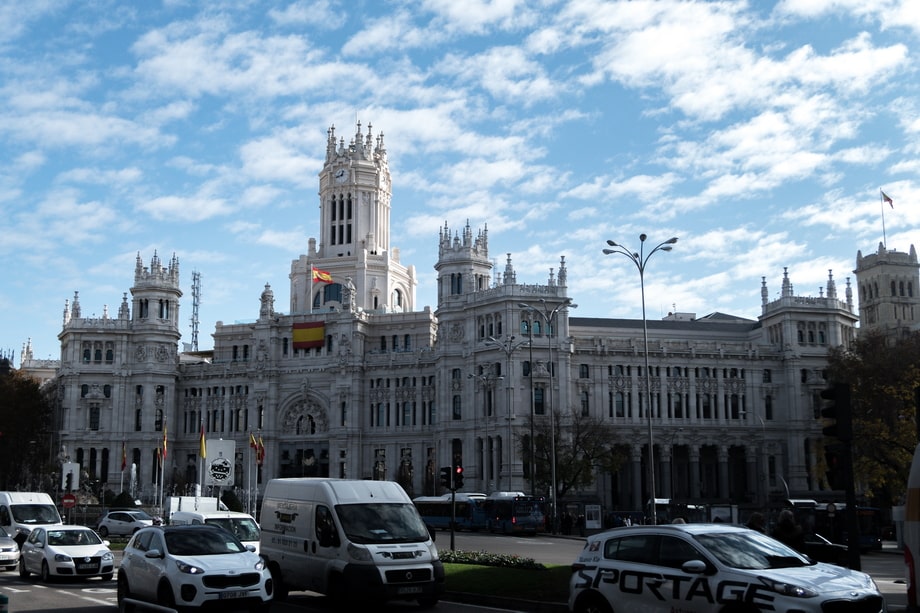
While director Paul Greengrass and Matt Damon spent only five days on one occasion and three upon their return to Spain, the geography of Bourne Ultimatum filming locations in Madrid is diverse. Between the scenes in Langley, the film provides us with several panoramic shots of the city, showing particularly Plaza de Cibeles square, one of the most recognizable places in Madrid, with its remarkable Cibeles Palace (Spanish: Palacio de Cibeles). On other occasions, when we see a train with Jason arriving in the city, the camera gives us a bird’s-eye view over Las Ventas square (the Plaza de Toros de Las Ventas), with the largest bullfighting stadium in the whole of Spain. Apart from the three key locations, which I am going to detail in this article, the filming crew also got permission to work at Paseo de la Castellana street, the ‘Viaducto de Segovia’ viaduct on Calle Bailén next to the Royal Palace, Calle Miguel Ángel street near the Embassy of the United States, a cozy Plaza de Santa Cruz square in the very heart of Madrid, Calle Hortaleza street, and finally in Terminal 4 of the Madrid-Barajas airport.
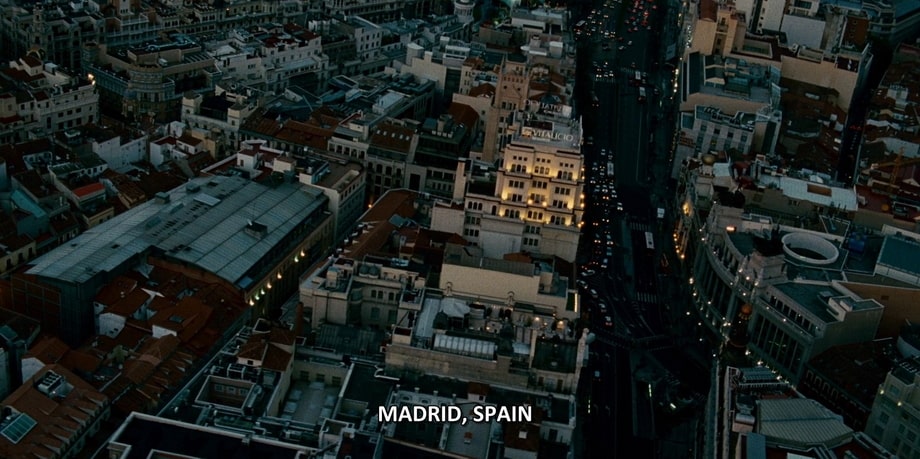
Followed by an action-chase-like opening sequence with Jason Bourne, the movie takes its audience to the cabinets of the CIA headquarters in Langley, Virginia, USA, to perform another shift to Turin, Italy. We see the actual panoramic shots of the river Po and Piazza Vittorio Veneto, indeed landmarks of Turin, yet when Paddy Considine is shown walking the street, he is in Madrid. Simon Ross, a correspondent for The Guardian, a famous British newspaper, has a meeting with Neal Daniels, a CIA Station Chief in Madrid and a former supervising officer for the Treadstone program. Ross has collected diversified clues and pieces of information regarding Treadstone, Jason Bourne, and Marie Kreutz, and Daniels asks him to turn the voice recorder off. This scene was not the only choice for setting this meeting, as the behind-the-scenes documentary reveals an alternative variant, also set in Turin, but not in a restaurant, but in the street near a newspaper kiosk.
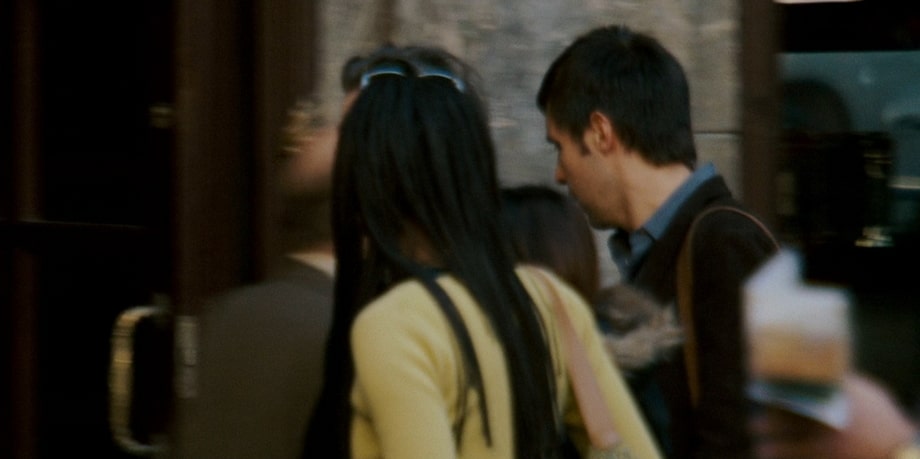
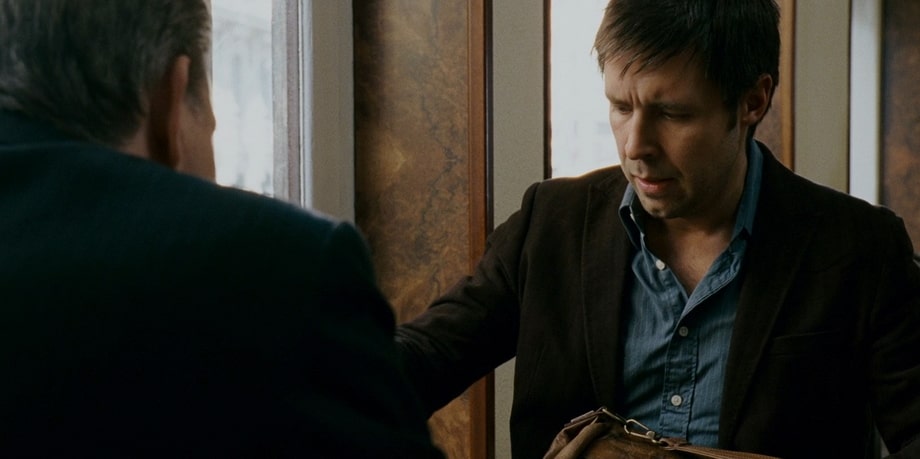

The two-story restaurant, as I have stated above, is not a Turin location but a well-known cafe in Madrid called Café del Príncipe at Plaza de Canalejas Square in the heart of the city next to an iconic Puerta del Sol Square. Canalejas is a meeting point for four important streets, and the square itself has been shaped by historical buildings from different periods. The square bears the name of one of the most tragic characters in the Spanish history of the 20th century. José Canalejas Méndez was an elected President, whose reign lasted only two years until he was shot to death on November 12, 1912, not far from the site which is named after him. When it comes to the current Café del Príncipe at Plaza de Canalejas 5, it was opened back in 1975 in the building of the former jewelry store, dating back to the 19th century. The name of the cafe is a reference to the restaurant of the same name, which had been located on the same square until the beginning of the 20th century. The original Café del Príncipe is known as an iconic gathering place of the intellectuals of its time, who shared the pine tables and barley water. The current cafe on the opposite side of the square, where The Bourne Ultimatum was shot, has two floors, particularly the second floor, known for its gigantic panoramic windows facing Plaza de Canalejas, the backdrop for the Ross/Daniels meeting.
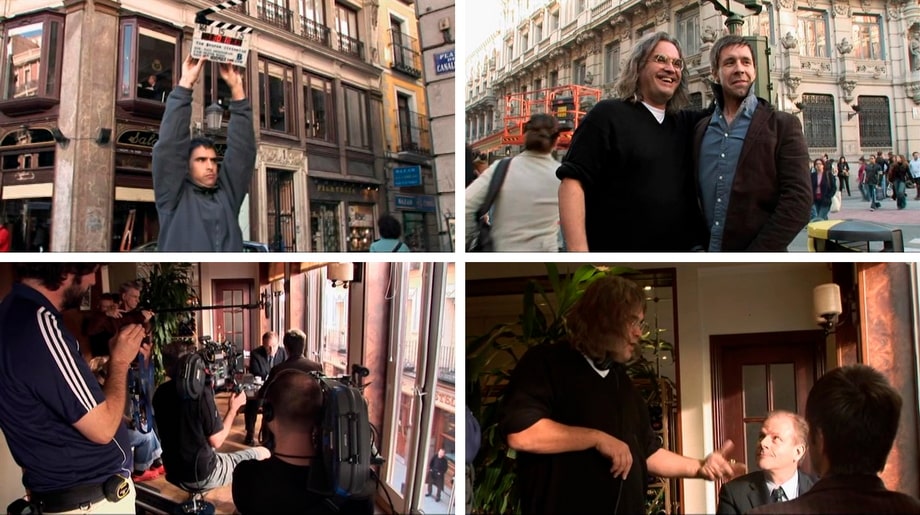
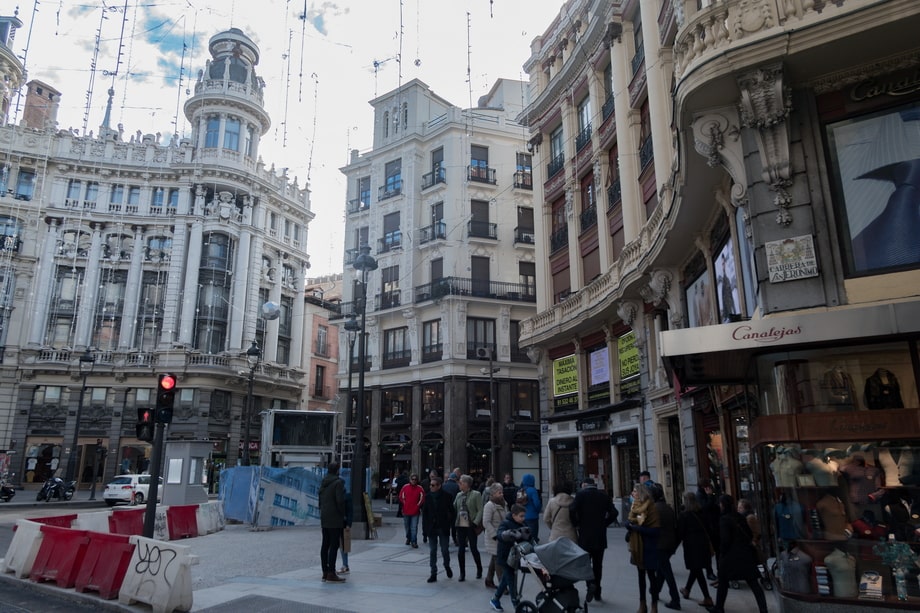
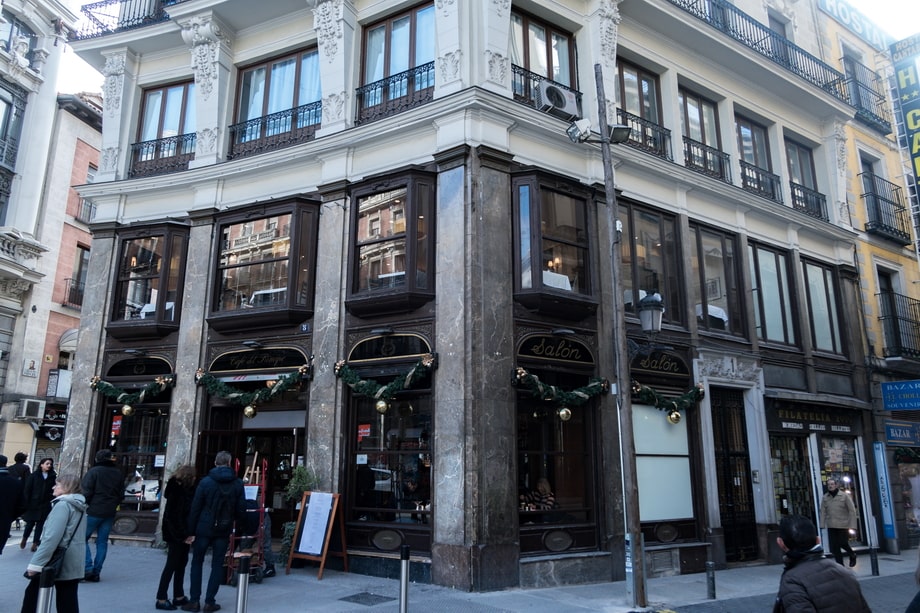
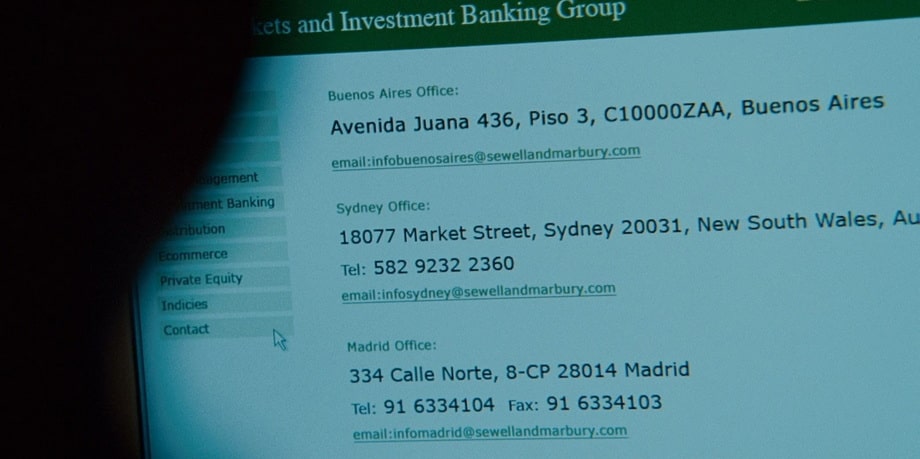
The Bourne Ultimatum is a unique example of the franchise when the third chapter is at least equal or sometimes even superior to, the previous movies. Following his failed attempt by Jason to save journalist Simon Ross, he identified his next destination. In a short scene in the cafe, a reminiscence of the one from ‘The Bourne Supremacy’, Bourne reveals the address of the suspicious Sewell and Marbury company: 334 Calle Norte, Madrid. There is such a street in Madrid, but without a 334 building, since Calle Norte is a short, cozy transport line.
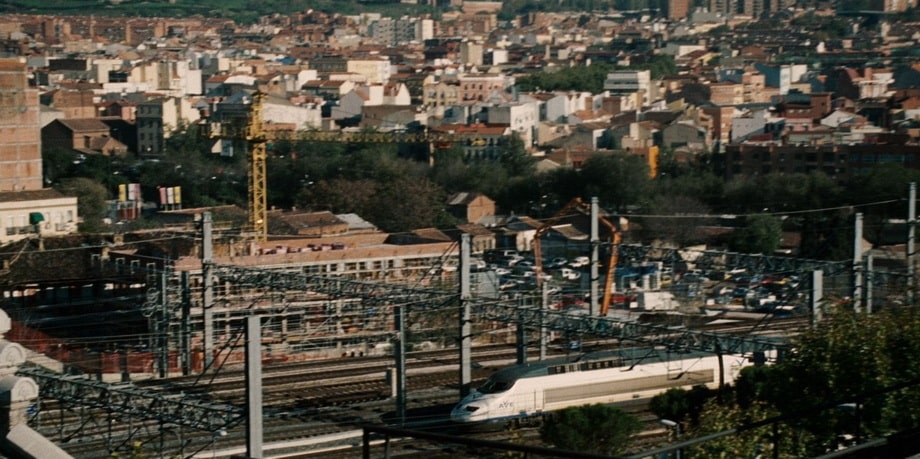
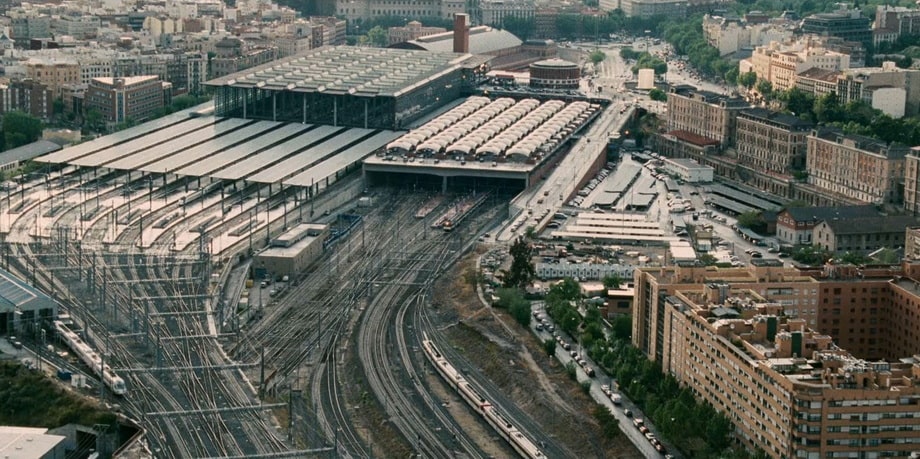
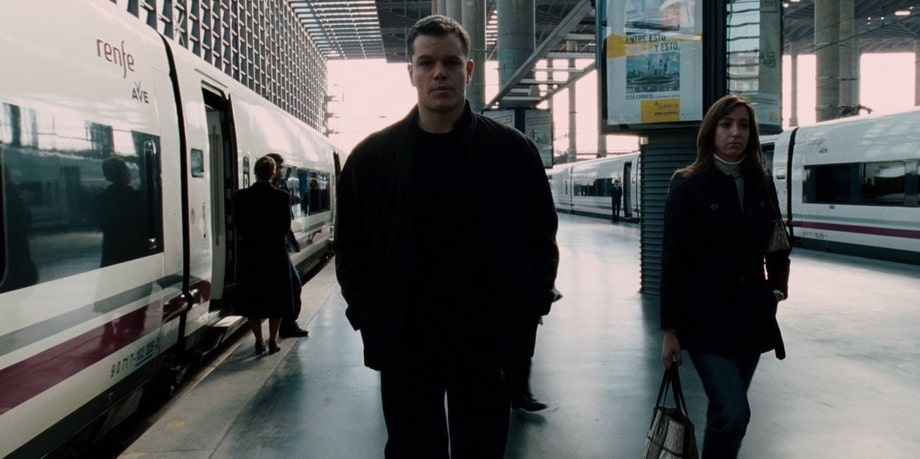
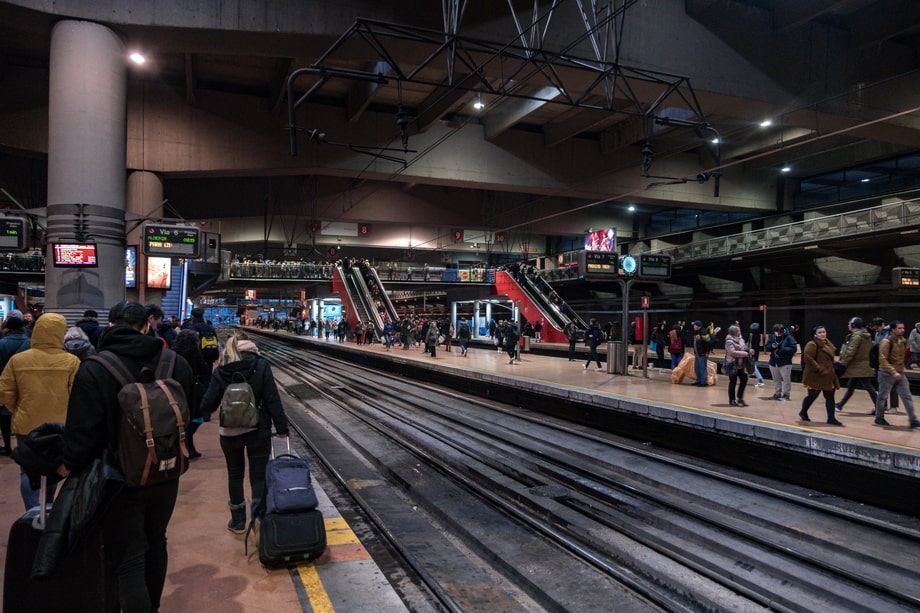
Nevertheless, we see Jason coming to Madrid through a railway line, a common transport for this character since the very first movie and his arrival in Zurich (in fact, shot in Prague). The panoramic view of the railway line and the train station gives us no alternative than Madrid’s central Atocha train station, the main transport hub in the city and the busiest station in all of Spain, which operates 250,000 passengers daily and up to 90 million annually. A few seconds later, the movie gives us another shot of Madrid, the famous Las Ventas Bullring, the largest one in the country. It is obvious why the film creators decided to use this panorama with a recognized Madrid landmark, yet between the exterior and the interior of the train station, while Las Ventas is 4 kilometers away from Atocha.
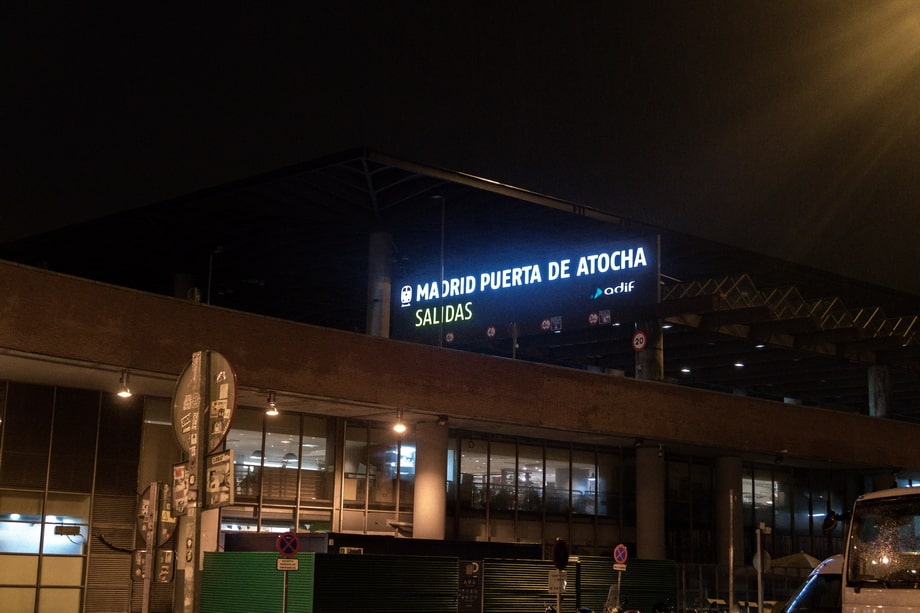
We see Matt Damon leaving the Renfe train, indeed the leading transport company in Spain, with 15,000 employees and 500 trains, which operates 500 million passengers each year. The very first train station (called ‘Estación de Mediodía’, the station of the midday) in this place was built as far back as 1851, and the clearing of the area demanded the devastation of the ancient ‘Atocha’ gates. It is noteworthy that the Spaniards use the word “Atocha” for a stunted shrub that blooms with small, bright yellow flowers. The first station was badly damaged during the 1891 fire, and a year later, a renewed, more ambitious building dominated the area. Among the engineers who were attracted was the famous Gustave Eiffel. The station was electrified as late as 1957, and in 1992, the oldest part of the building was turned into a garden and an Orangerie.
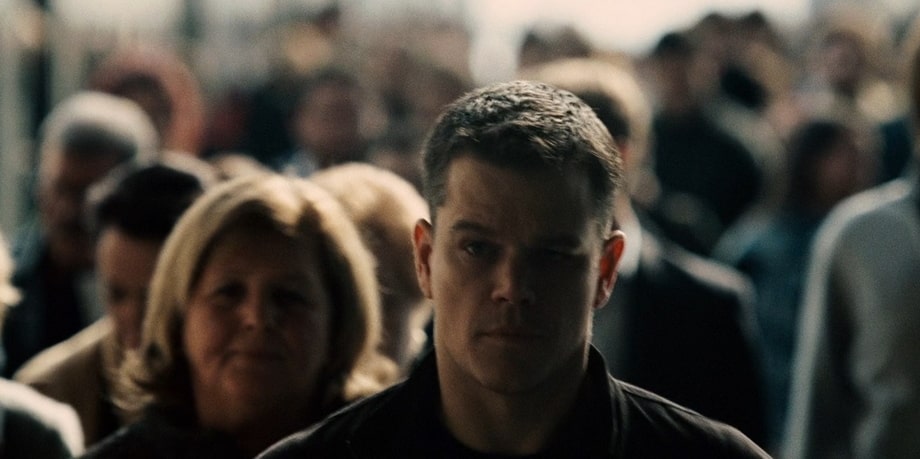
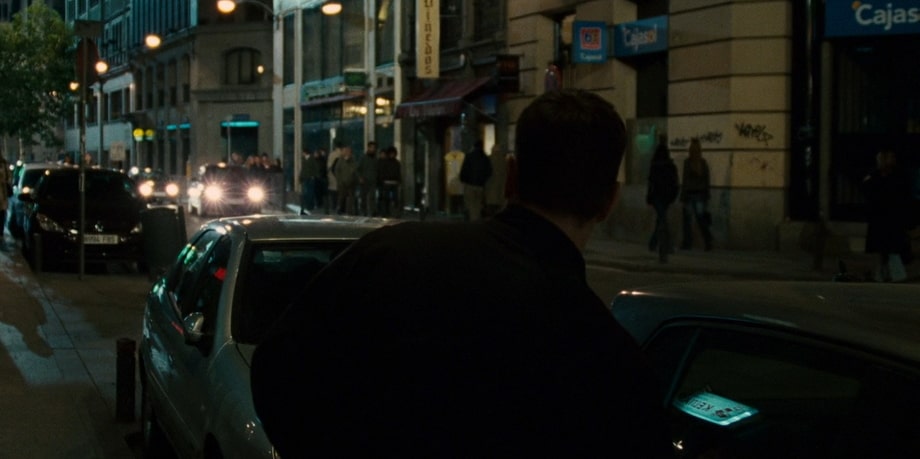
Once leaving the Atocha station, Jason is shown taking a white taxi cab with a red stripe, traditional Madrid colors. We see the protagonist in the taxi while moving across the city, among other locations, passing Plaza de Cibeles Square, another Madrid landmark. With bearing in mind that there is no 334 Calle Norte address in Madrid, Jason arrives at Calle de los Jardines, where the supposed office of Neal Daniels, a CIA Station Chief, is, where we have previously seen him. Calle de los Jardines (garden street) is a cozy, small street less than 200 meters in length in the Sol neighborhood in the Centro district of Madrid, just a few hundred meters to the North of ‘Plaza de Canalejas’ square and its Café del Príncipe. The short urban passage runs west-east between Calle de la Montera and Calle Peligros and has been known since the mid-17th century. The name ‘Gardens Street’ originates from several early buildings with “beautiful Italian-style gardens,” and for centuries, Calle de los Jardines has been a place of residence for European diplomats who used to come to Madrid.
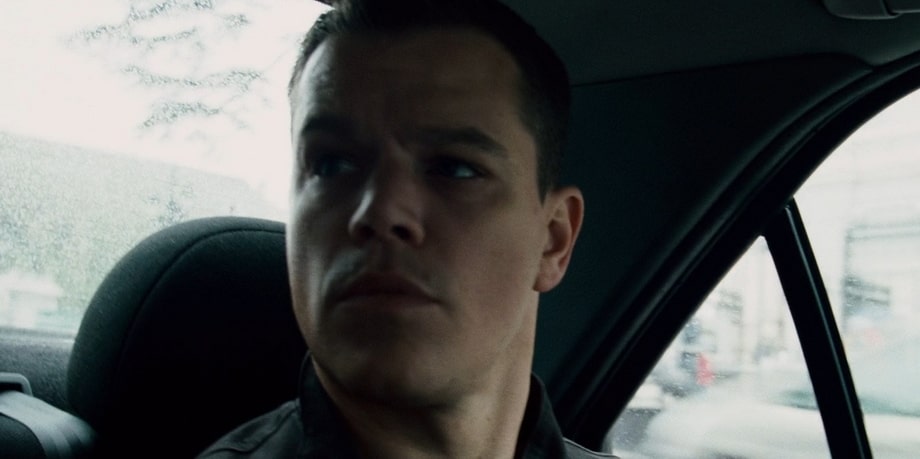
Jason leaves the car close to the intersection with Calle de la Virgen de los Peligros (Street of the Virgin of Dangers) and spies at building number 10 from the corner. Four centuries ago, this urban thoroughfare was a part of the limits of old medieval Madrid. The street got its name due to the location next to the now-nonexistent Convent of the Vallecas Nuns. Calle de la Virgen de los Peligros was historically notoriously known for its narrowness, inconvenient for the center of the city, and this disadvantage was partially fixed in the early XIX century by moving one of the walls of the Convent, thus widening the nearby passage. It was the first street in Madrid to witness an experiment of paving the road with wooden cobblestone, but after five years, the traditional granite was later returned.
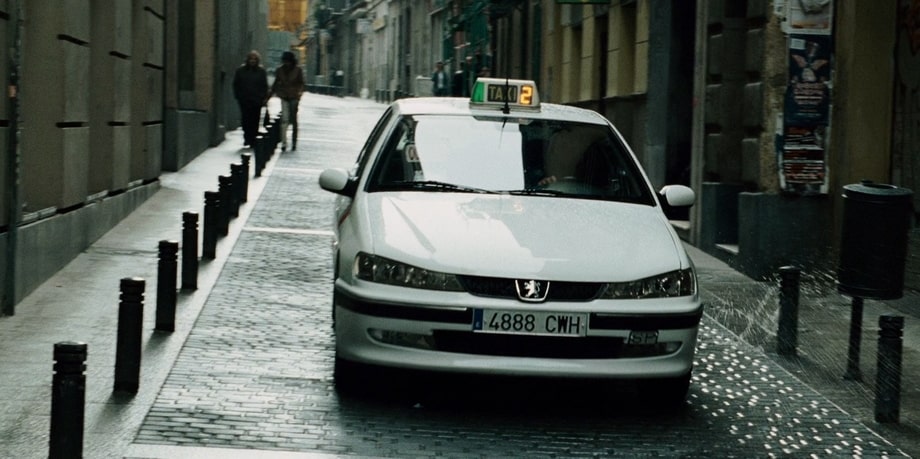
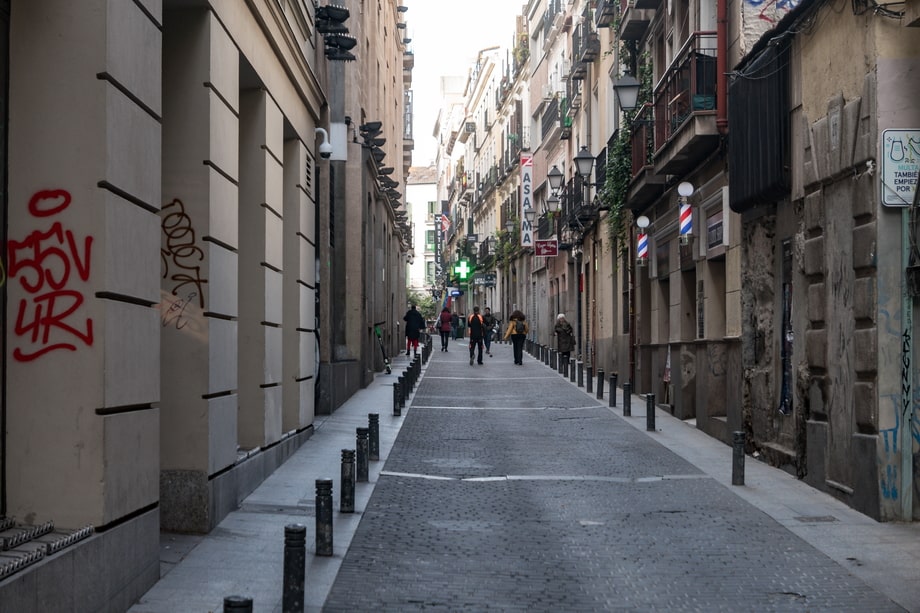
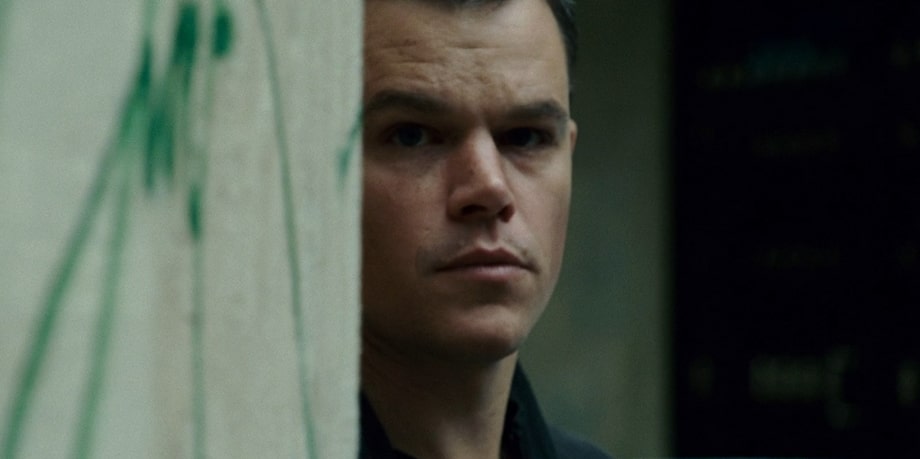
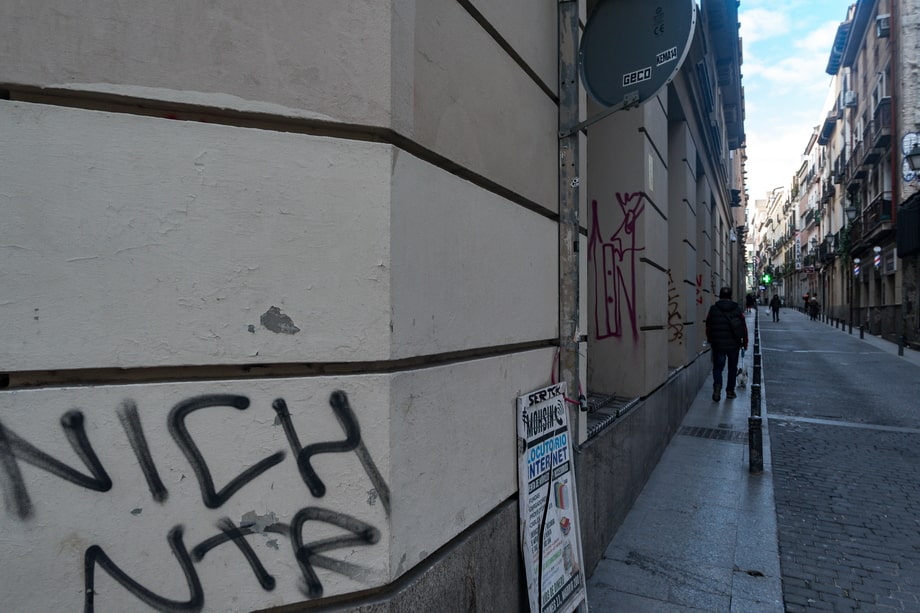
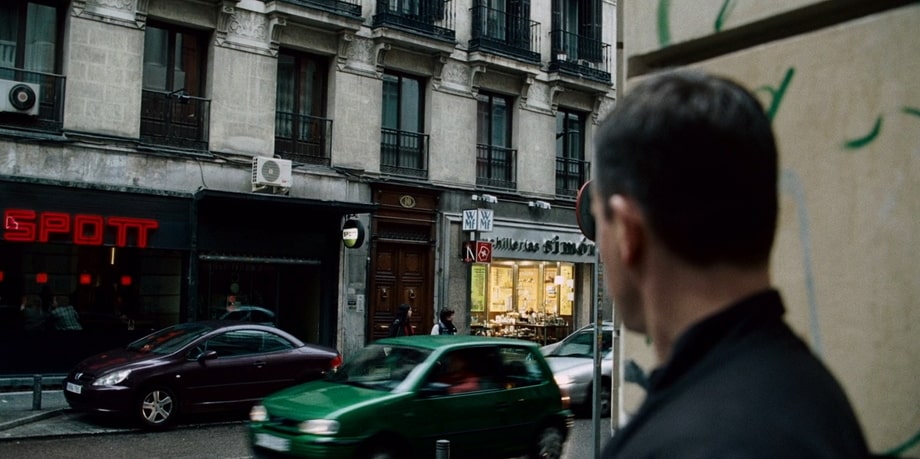
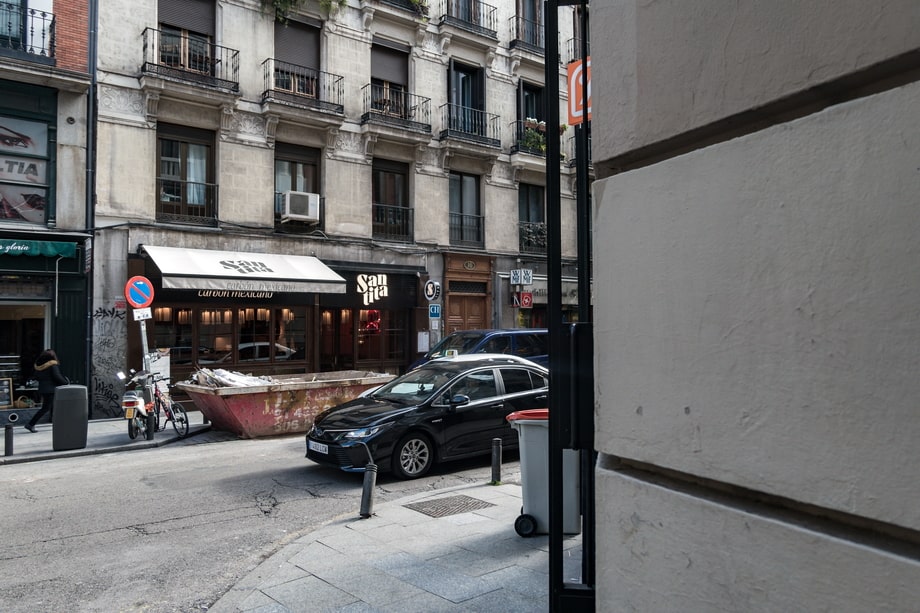
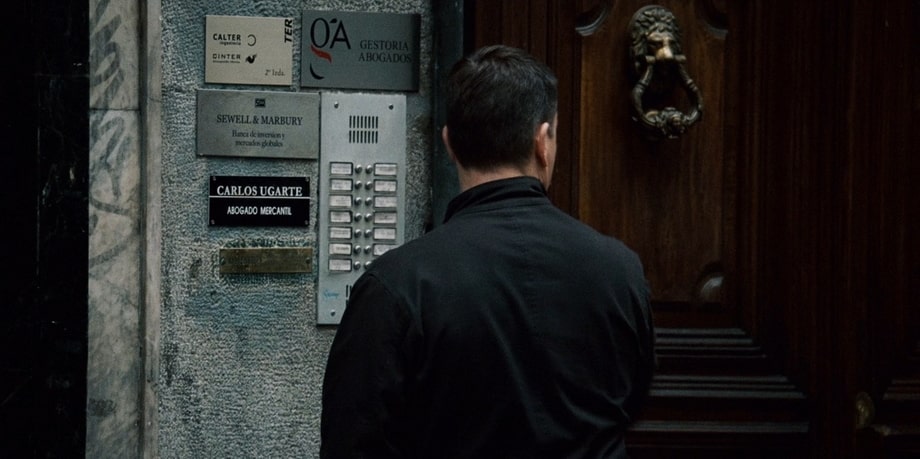
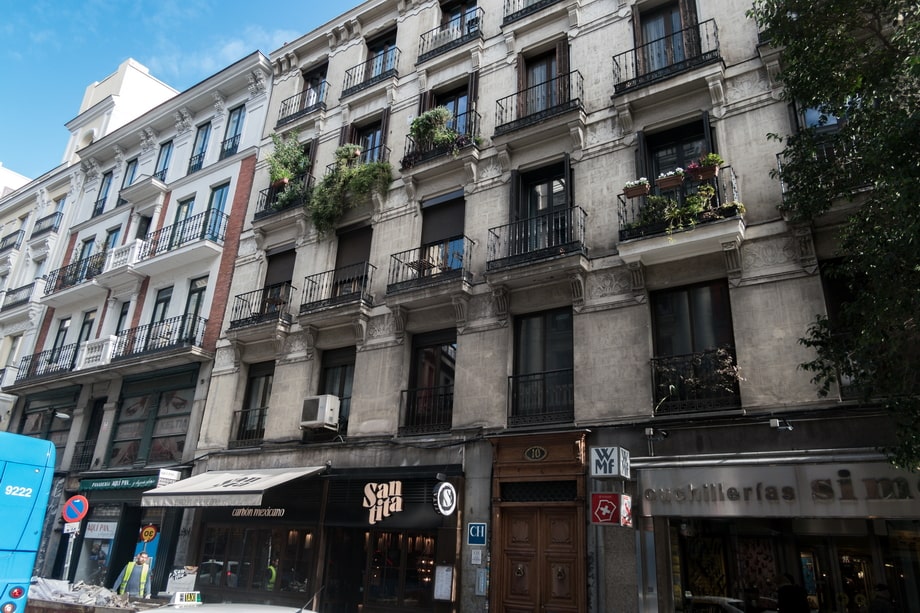
It’s interesting to note that the ‘SILVERWARE Simon and Sons S.L.’, the shop shown in the movie at Calle de la Virgen de los Peligros 10, is still in its place, while instead of the SPOTT cafe with the red sign, we now can find a cafe that promises the best steak in the city. Of course, there is no Sewell & Marbury firm here, as well as a secret CIA headquarters. Later on, in the night scene, Jason breaks into the building, gets into an encounter with Nicolette “Nicky” Parsons, and they leave the street before being caught by local police.

Read me
An unlooked-for inspirational romantic story of the Passengers movie correlates with SCI-FI origins and a space odyssey by those ‘lost in space.’

Read me
I was fortunate to visit Prague, Czech Republic, and to identify every major Eurotrip filming locations across the city, which acted for Paris, Amsterdam, Rome, and Berlin
Read me
While most of the story takes place on the Mars surface and in the United States, The Martian filming locations are geographically limited to Budapest in Hungary
Read me
This modern spy movie with Jennifer Lawrence took advantage of using Budapest as its primary filming location, thus combining the West and the East in one story

Read me
My incredibly detailed walking tour along the BEFORE SUNSET filming locations in Paris, France. Richard Linklater’s romantic masterpiece and its second chapter.

Read me
Despite its extended geography, the 2004 adaptation of ‘Around the World in Eighty days’ was mostly filmed in Berlin, Germany.