


 5,00
5,00
Read me
EX MACHINA MOVIE EXPLAINED
Let’s deepen into the rhetoric of Ex Machina, one of the best SCI-FI movies of the recent years and try to find the answer what it is to be human
MOVIE EXPLAINED

This historical drama The Water Diviner with Russell Crowe took great advantage of the Istanbul scenery and some of the city’s key historical landmarks
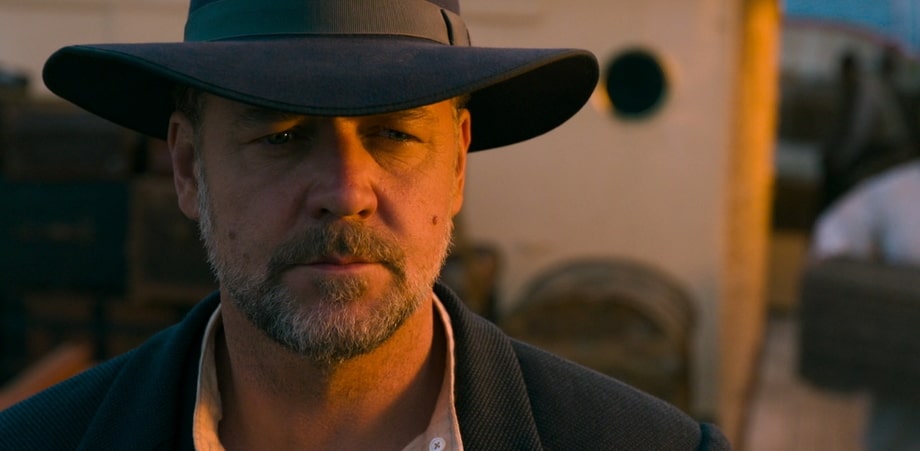
There is no doubt that ‘The Water Diviner’ is a special project for Russell Crowe as his full-fledged (after several shorts) directorial debut, a good story about an Australian to tell. Even with a moderate production budget of 22.5 million dollars, the movie was not compensated and paid off at the box office. It was, anyway, an individually important project for Crowe. He came to Istanbul, Turkey, in mid-October 2013, fourteen months before the premiere, and traveled in search of appropriate filming locations. Set in Australia and Turkey, the story spends much of its screen time with a farmer, Joshua Connor (Russel Crowe), who tries to find and repatriate the remains of his three sons, who presumably died during the battle of Gallipoli in 1915. A journey from Australia to the pearl of both Europe and Asia, Istanbul, takes Connor three months, and he arrives in the city at the crack of dawn, and here starts our journey across The Water Diviner filming locations.

Even though the opening panorama over the city with two mosques and minarets may seem to be shot from the famous Golden Horn estuary in the direction from north to South, the shot is more tricky. The magnificent mosque to the left is the famous Blue Mosque (Sultan Ahmet Mosque), completed in 1617, which has six minarets. The Mosque to the right is the famous Hagia Sophia, a church built in the 6th century in Byzantine style. It was turned into a mosque in 1453; later, four minarets were added, until 1935, when Hagia Sophia became a museum. It is interesting to note that in early 2014, when Russell Crowe was filming his The Water Diviner in Istanbul, Hagia Sophia was still a museum and became once again a mosque only in 2020, six years after the shooting. On the other hand, the events took place in 1919, when it was still used as a mosque.
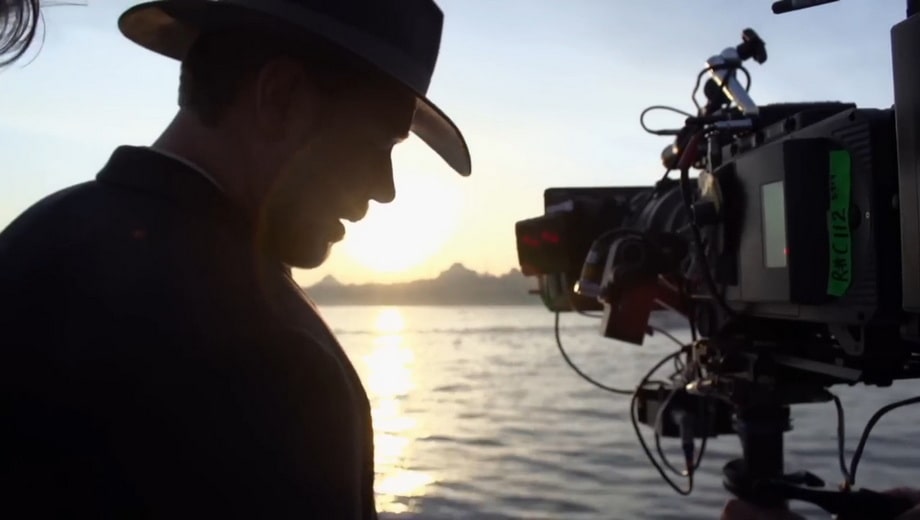
The only possible position to get such a shot with a Blue Mosque to the left and Hagia Sophia to the right is the Bosphorus Strait to the right of the historical part of Istanbul, approximately above the modern Eurasia tunnel. The camera is directed from East to West. The scene was filmed at dawn, not only for cinematic scenery but also to hide the modern buildings and the quay along Kennedy Avenue, named after the 35th president of the United States.

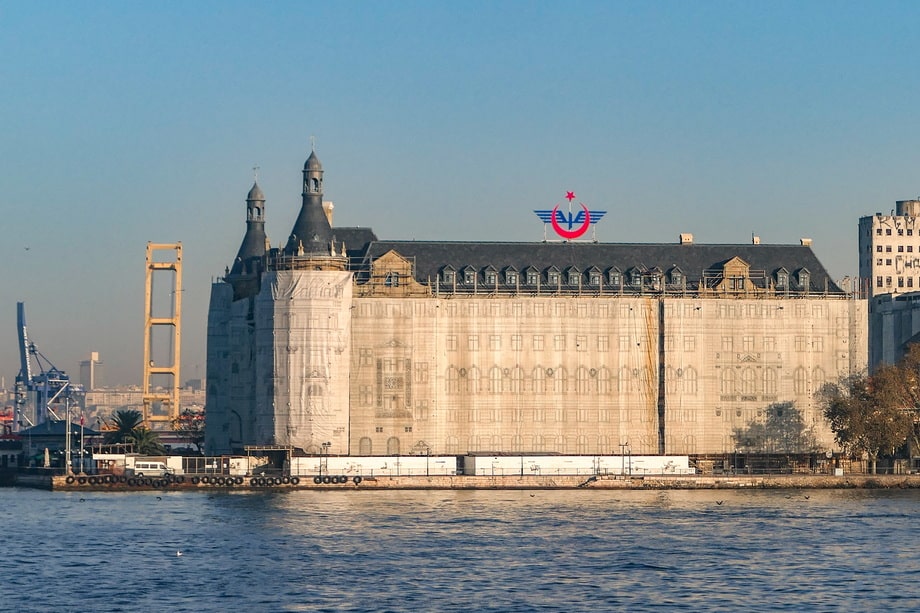
Only several seconds of a magnificent panorama make space for the scene of Joshua’s arrival at one of the riverside stations. As the latter part of the movie takes place in the European part of the city, it implies the idea that the ship sets ashore in the Eminonu district after entering the Golden Horn. In reality, the scene of arrival, registration, and Joshua’s acquaintance with a Turkish boy was filmed at Haydarpasa railway station in the Kadikoy district on the opposite side of the Bosphorus on the Asian side of the city. It should come as no surprise that Crowe and his filming crew preferred filming at Haydarpasa (Haydarpaşa Tren İstasyonu), one of the samples of architecture in Istanbul.

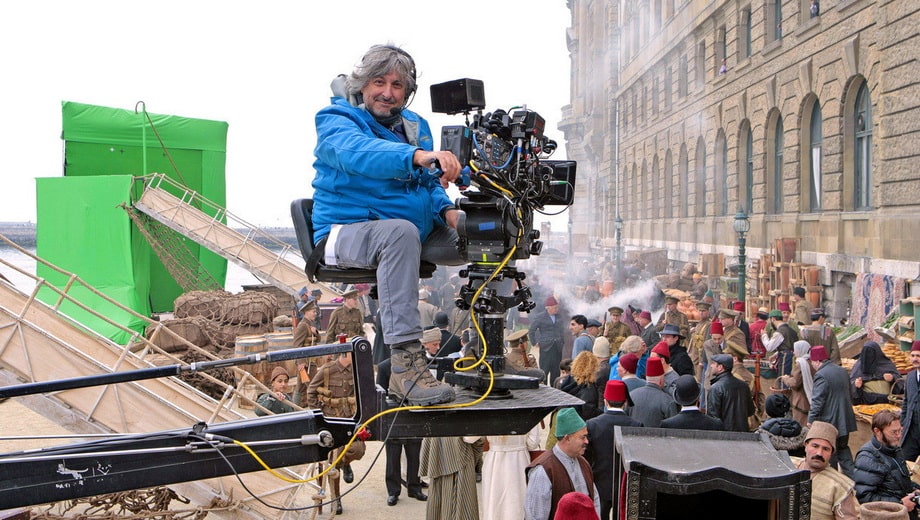
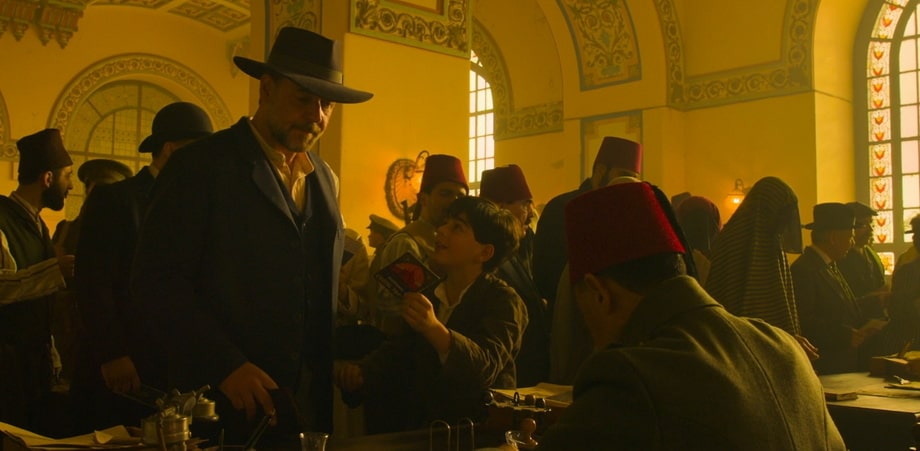
It is interesting to note that until the start of the XX century, the location of the station was owned by the waters of the Bosphorus. The very first train terminal here was built as far back as 1872, further inland to the East, around one kilometer from the modern location. As years passed, it became obvious that a new large train hub should be created on the Asian side of the city. The construction was funded by the German Deutsche Bank and later became a gift from the German Kaiser Wilhelm II to the Sultan of the Ottoman Empire, Abdul Hamid II. Two German architects, Otto Ritter and Helmut Kuno, worked on the project. The station was to become an important link in the railway line between Baghdad and Berlin, and German ambitions. 2500 square meters of soil were taken from the sea, and the foundation of Haydarpasa station was set on 1100 wooden piles, each 21 meters long. The station was inaugurated in August 1908. At the beginning of the First World War, Ottoman troops departed for the front from here. The station witnessed several renovations, one in 1973-1981, until it was finally closed in 2012. The current reconstruction of the building has lasted since then, and the filming crew of ‘The Water Diviner’ was fortunate to use Haydarpasa for both exterior and interior scenes.
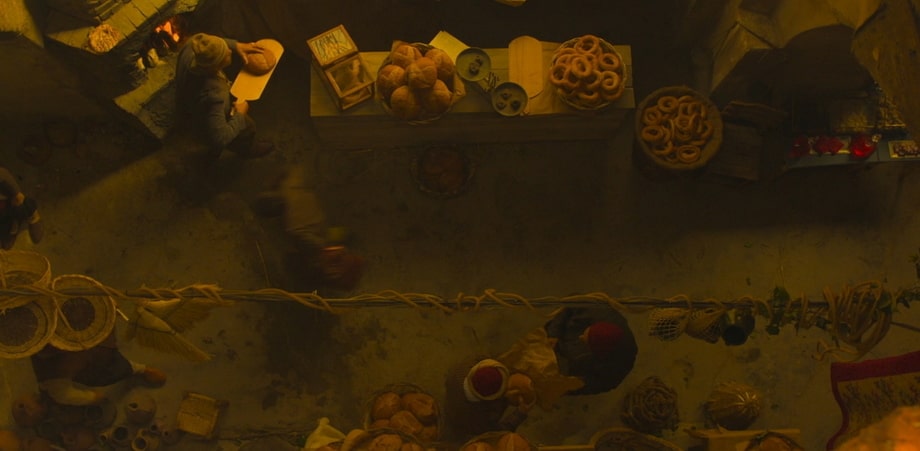
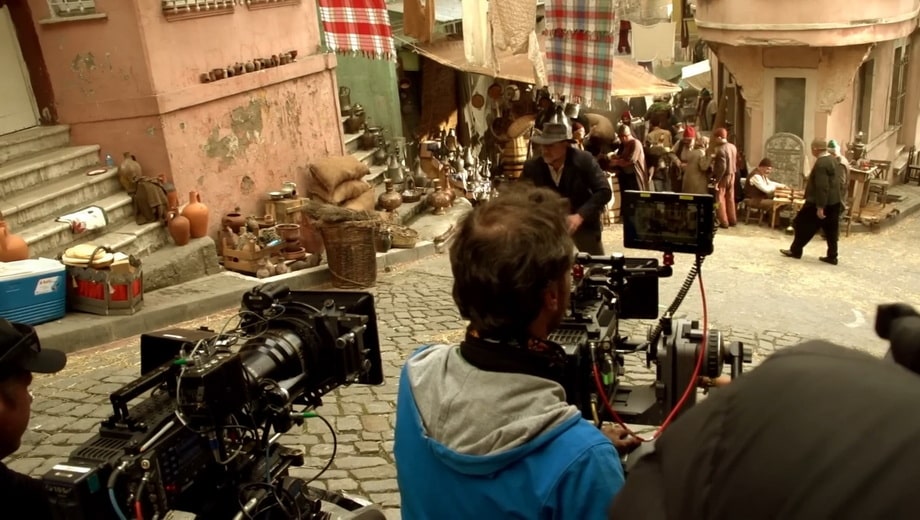
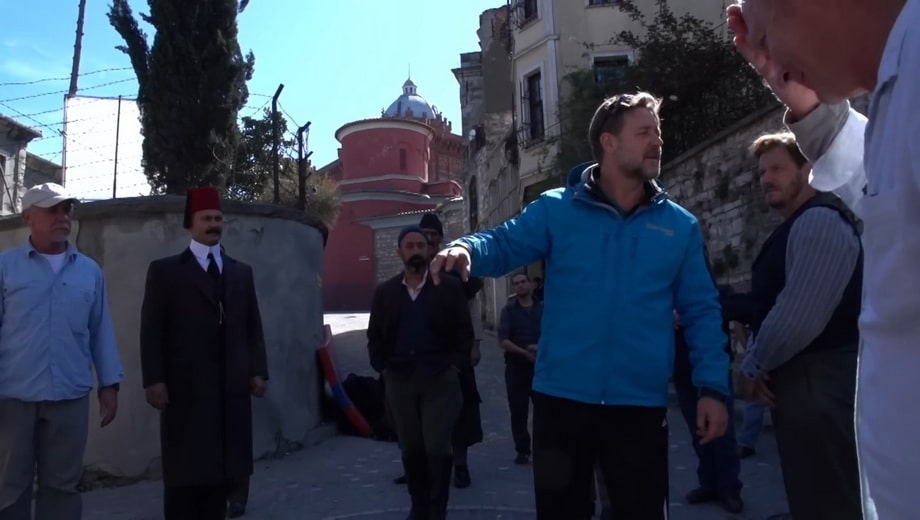
While Joshua Connor was talking to the Turkish bureaucrat and the British officers at the river station, a persistent local boy took his suitcase and rushed into the streets of Istanbul. In a few moments, the protagonist finds himself barging his way through the crowd at the local market. It is important to note that at least a part of this sequence was filmed not in Istanbul but in Australia. The Turkish bazaar and the creators supposed to show the Grand Bazaar were partially recreated at Millers Point, a suburb of Sidney. The second half of this chase sequence was indeed shot on the streets of Istanbul in the Balat district. The production designers, led by Chris Kennedy (The Road, Lawless), turned one of the streets in the former Jewish quarter into a Turkish market street in 1919. The shops and costumes looked so authentic and alive that during the shooting, some local people came to the set to buy food. The whole neighborhood was very enthusiastic about witnessing the film production with Russell Crowe top.
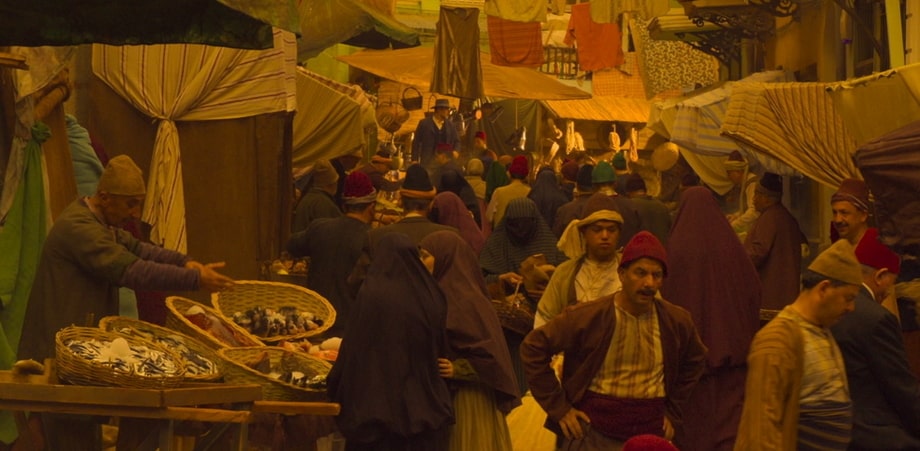
Balat is one of the oldest and most preserved districts in Istanbul. It is located in the European part of the city in the Fatih municipality, approximately 2.5 kilometers from the Grand Bazaar and 3.5 km from the Blue Mosque. It became the Jewish district back at the end of the 15th century when Sultan Bayezid II (1447-1512) allowed the Jewish refugees from Spain, the Sephardic diaspora, to settle in Istanbul. Some of them preferred the Asian part of the city, and many settled in the place of modern Balat. For four centuries until the 1950s, the Jewish community here lived in relative calm, and being neighbors to Christians and Muslims influenced the architecture of the district: Jewish synagogues, mosques, and Greek and Armenian churches were located next to each other in a highly populated area. The anti-Jewish and anti-Greek pogroms in the middle of the 20th century forced its indigenous population to leave their homes for Israel, Greece, or other parts of Istanbul. For decades, the Balat district was known for intense crime, and many of its historical buildings fell into decline. The situation improved at the beginning of the XXI century, and nowadays Balat bears a unique atmosphere and is famous among tourists for vintage buildings, workshops, authentic cafes, and shops.
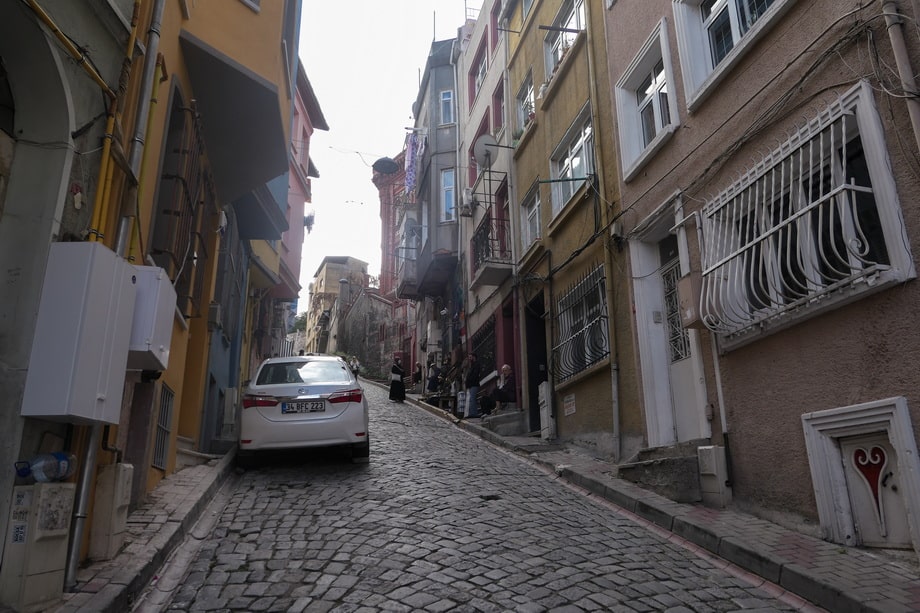
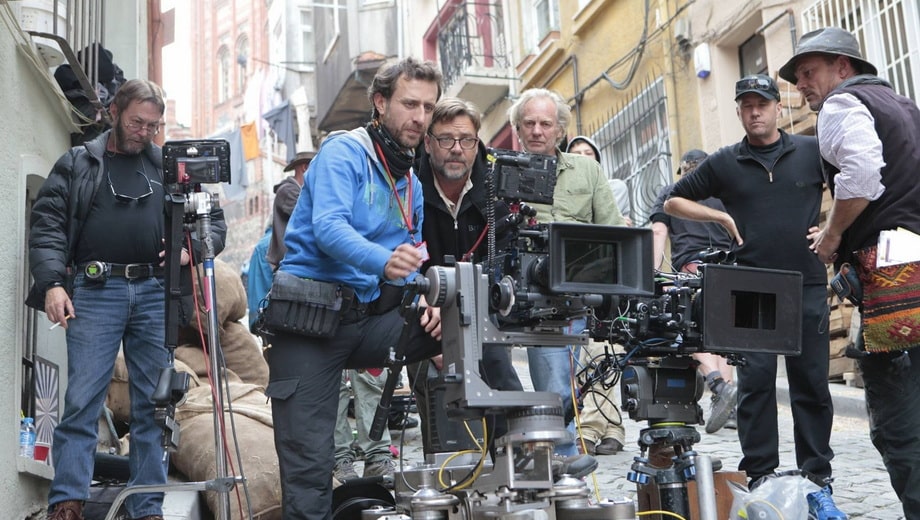
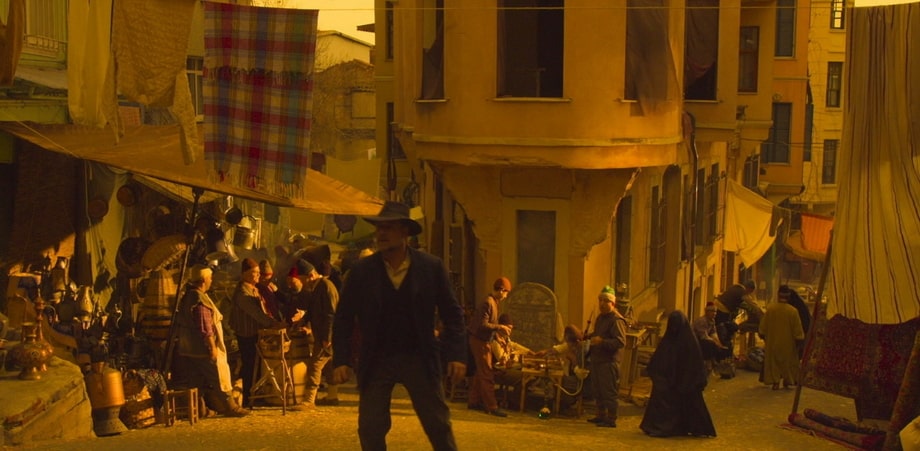
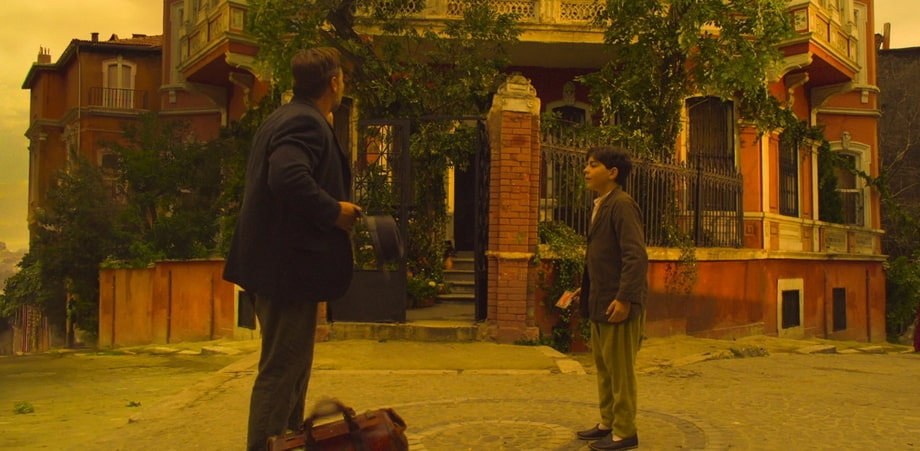
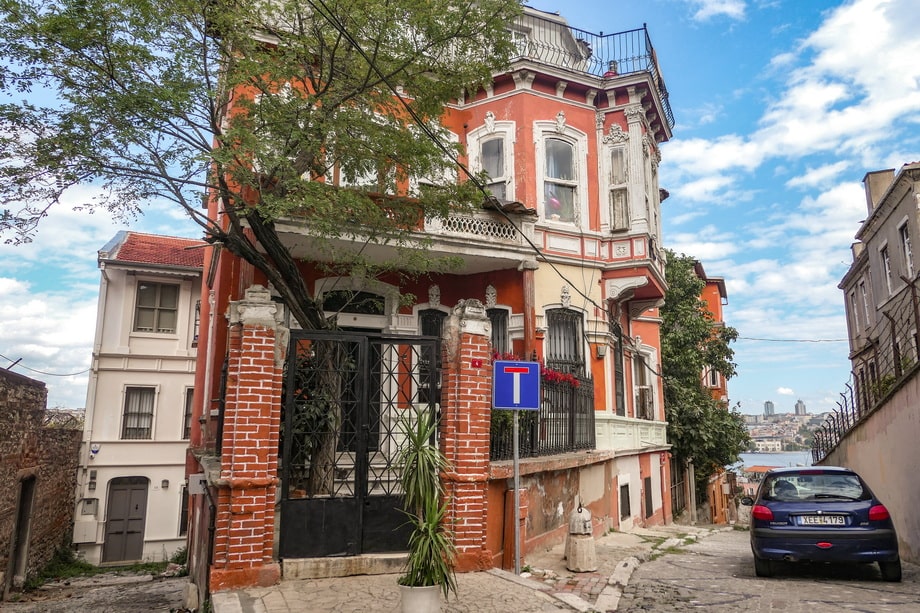
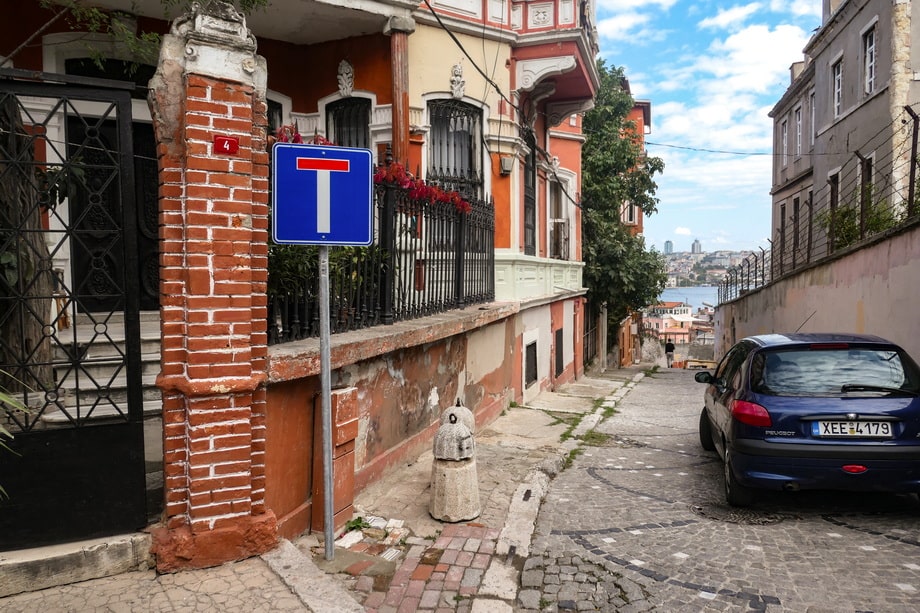
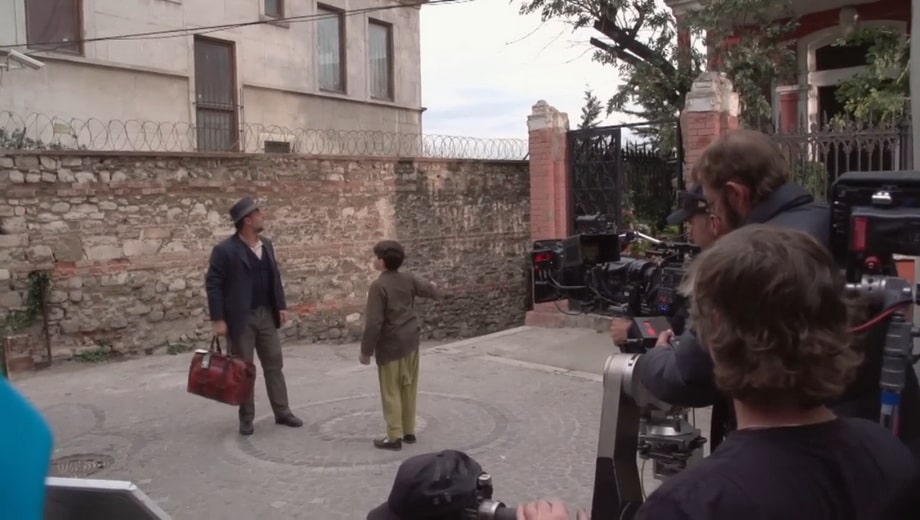
During my 2020 visit to Balat, I was fortunate to identify the exact location of the scene when Russell Crowe’s character stops at the crossroad with an unconventional building behind him. The street is called Sancaktar Ykş. Colorful houses, a steep climb, a bumpy cobbled street, somewhere above against the background of the blue sky rises the red-brick openwork community of the lyceum, and from above, when you finally climb this mountain, a wonderful view opens on the curve of Balata (and Fenera) and across the Golden Horn Bay. When Connors sees the boy, the gradual steps lead to the ‘Fener Rum Lisesi’ old Greek Orthodox College, a magnificent red building built in 1883. The red bricks and granite chips were brought to Istanbul from Marseille. Two years before filming The Water Diviner in Istanbul, the Balat area made its appearance in ‘Taken 2’ with Liam Nisson.
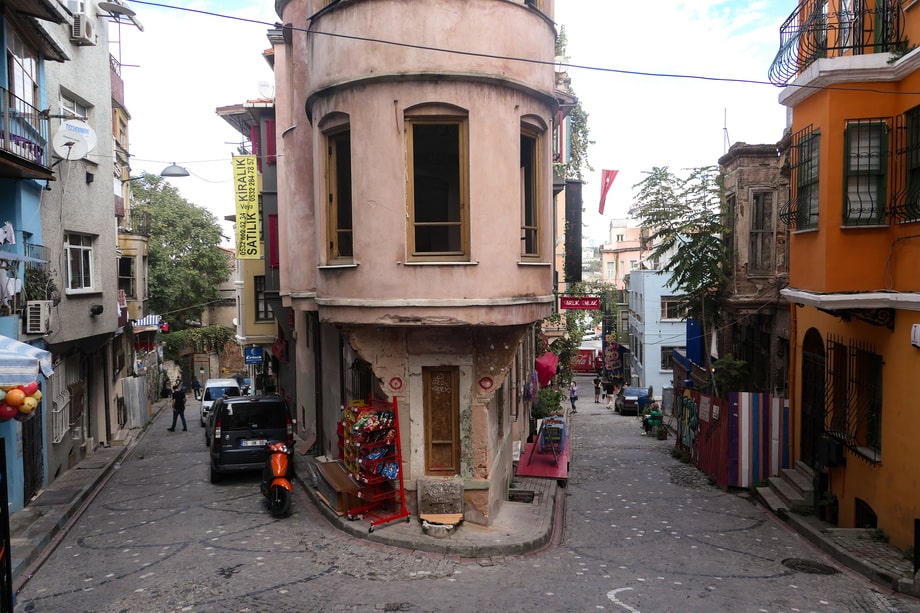


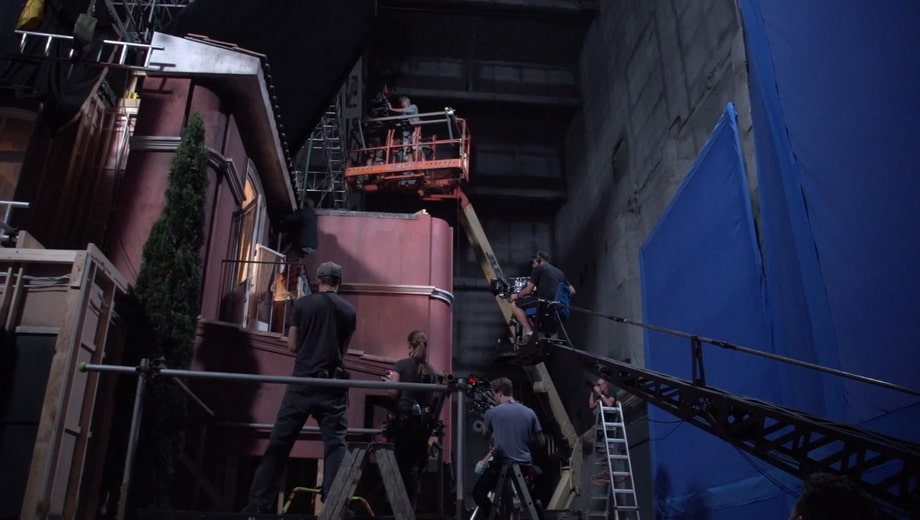
When Joshua Connor finally draws up with the boy, the latter makes a stop at his destination point: the house of his mother and a hotel with a picturesque view from the hill over the Golden Horn. While the interior scenes were set in the studio in Australia, the mansion exists and can be found on a tiny street called Merdivenli Mektep Sk. Nowadays, the house is owned by a local Turkish fashion designer.

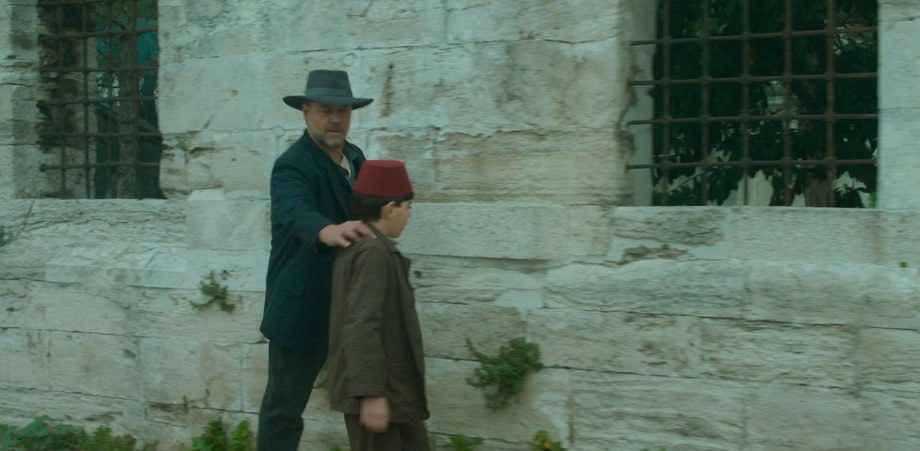
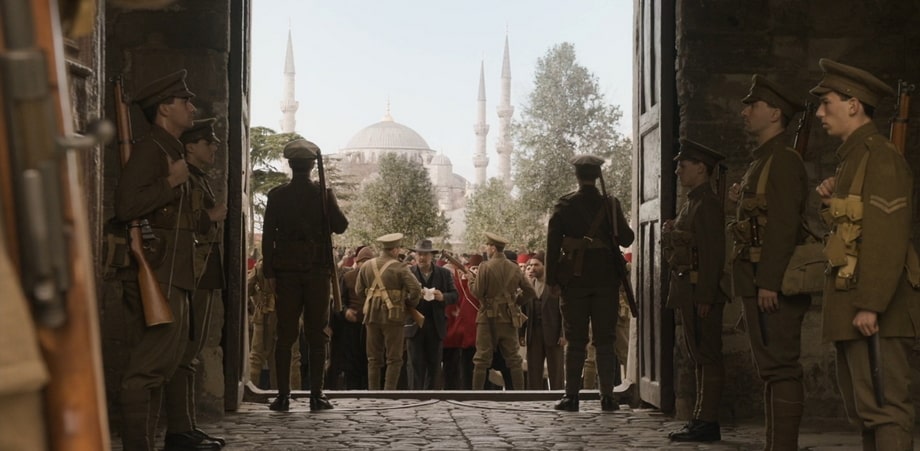
After an unpleasant and fruitless dispute with high-ranking British officers, Joshua Connor and Orhan (a Turkish boy) find shelter inside one of the most beautiful buildings in the Islamic World: The Blue Mosque. We see a mob of Turkish men who perform their march at the walls of the mosque. The scene is full of cinematic mist used to cover the surrounding area, even though the sequence was probably filmed in the early morning. The moment when Connor and Orhan walk next to the protest mob and then enter the complex of the Blue Mosque was filmed at the Sultanahmet Square, better historically known as the Hippodrome of Constantinople. The first hippodrome on this site emerged as far back as the 3rd century and was later expanded by Emperor Constantine to hold up to 100,000 viewers. After the capture of the city by the Ottoman troops in 1453, the hippodrome was used for building materials, but in parts survived until the present. The square is located in the heart of the historical part of Istanbul, and except for nighttime and early morning, it is always crowded with tourists.

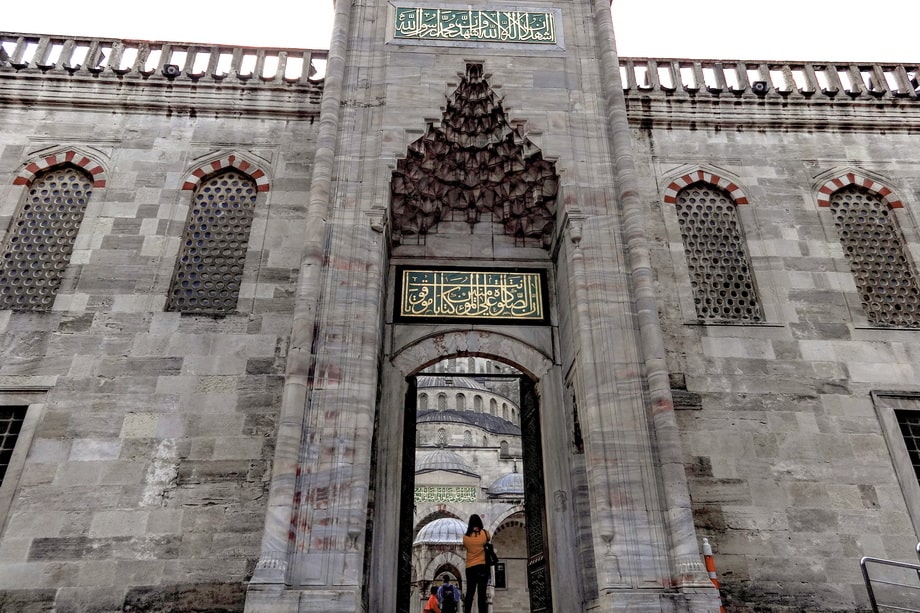
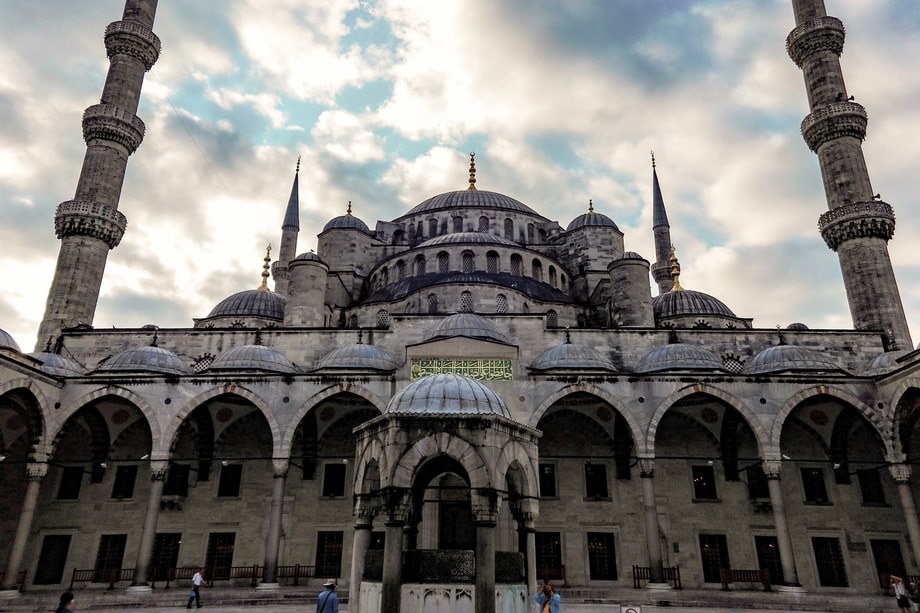
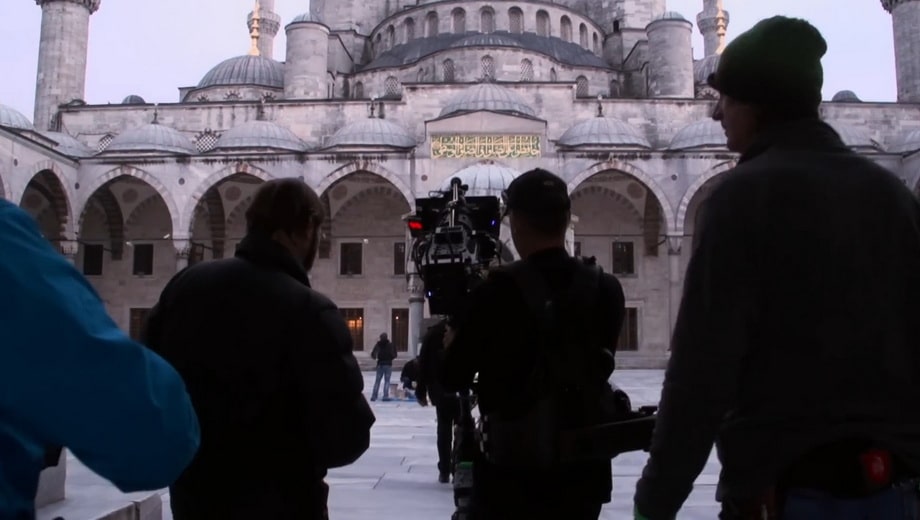
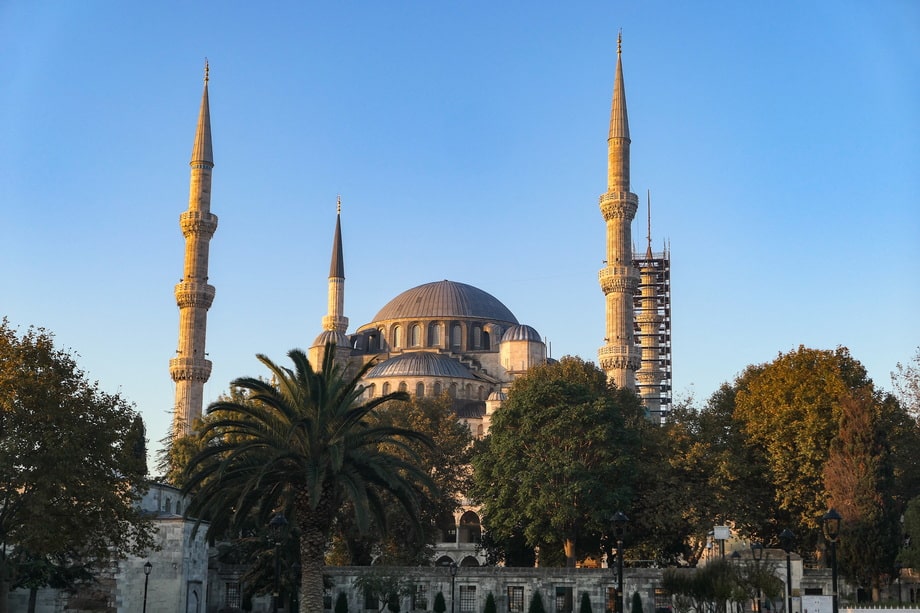
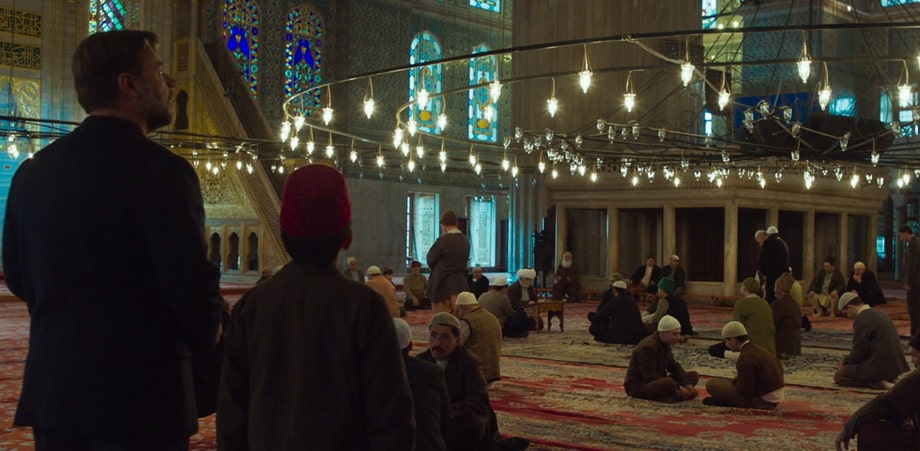
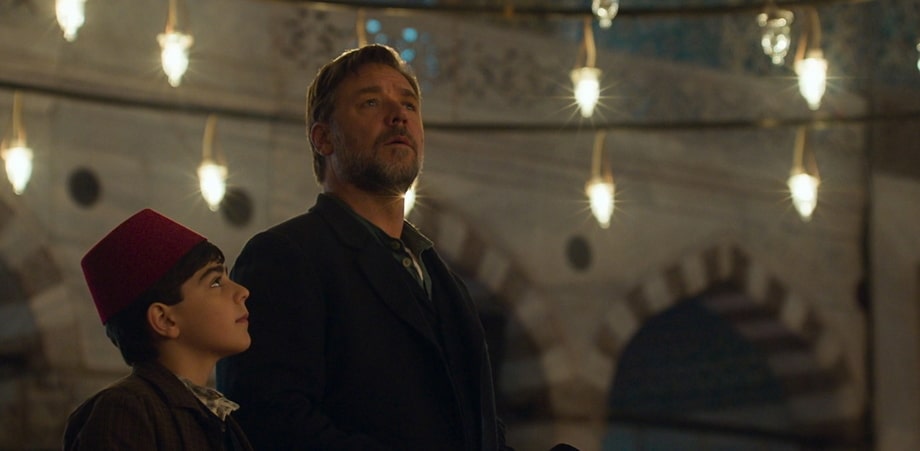
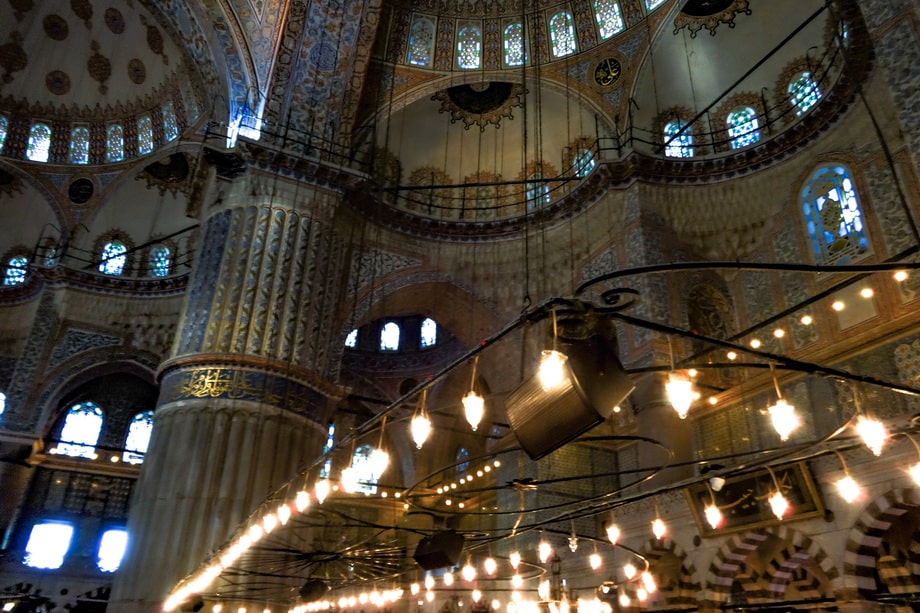
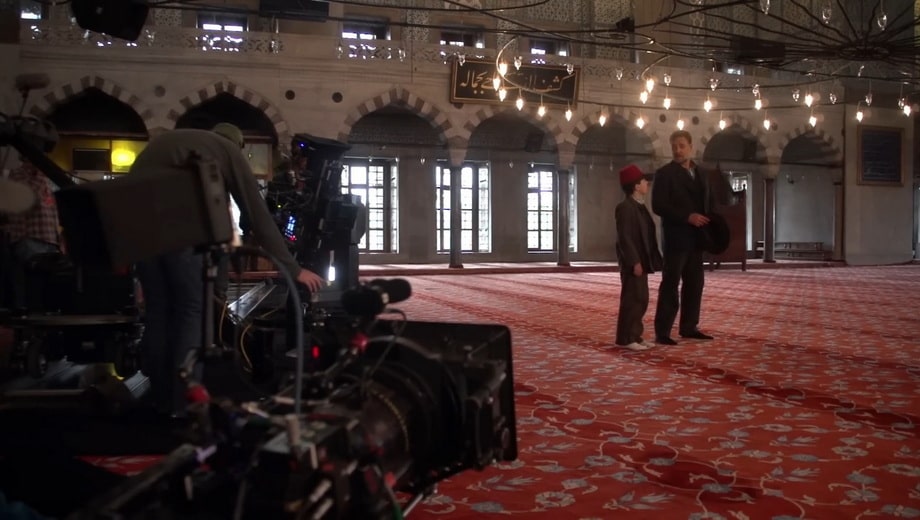
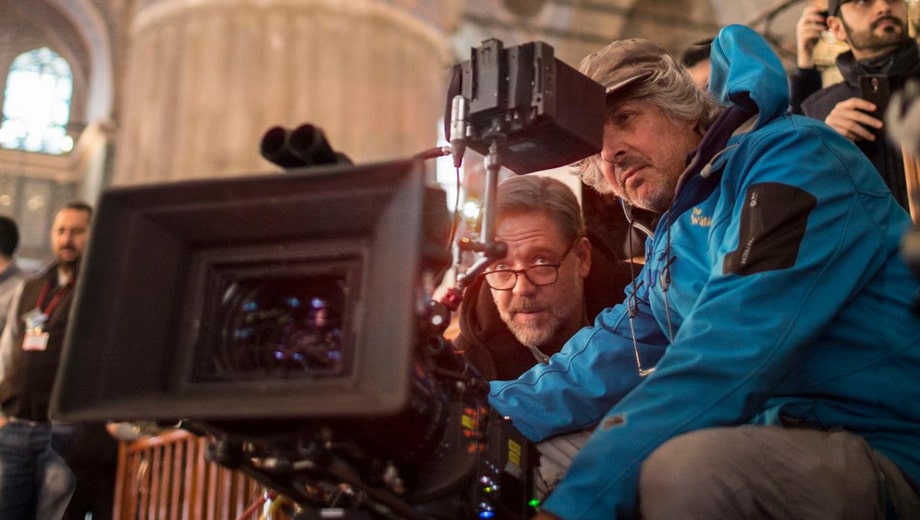
At the stage of film pre-production, the Blue Mosque was number one on the list of filmmakers’ desired locations to shoot The Water Diviner in Istanbul. Before the filming began in late 2013, Russell Crowe met with several Turkish officials, including the Minister of Culture and Tourism, and the filming crew was permitted to shoot in the city, including the territory of the Blue Mosque, also known as the Sultanahmet Mosque. Completed in 1617, it dominates the area between the Hippodrome and the Hagia Sophia, serving as an architectural rival to the latter. The Blue Mosque is probably the best-known in the world, and every year it attracts up to five million visitors. Russell Crowe was not only permitted to shoot the famous courtyard and inside the mosque, but it was closed for three hours to allow the film crew to work inside for the interior shots. Joshua Connor, who used to pray in a small church in rural Australia, was overwhelmed by the magnificence of the Blue Mosque, including its famous Iznik pottery, a decorated ceramic of blue color. Back in 1963, the opening Istanbul panorama of the second James Bond movie showed us the Blue Mosque from a bird’s-eye view. The movie includes a scene supposedly in the Cistern Basilica, a famous underground water cistern, but it was filmed in a studio.
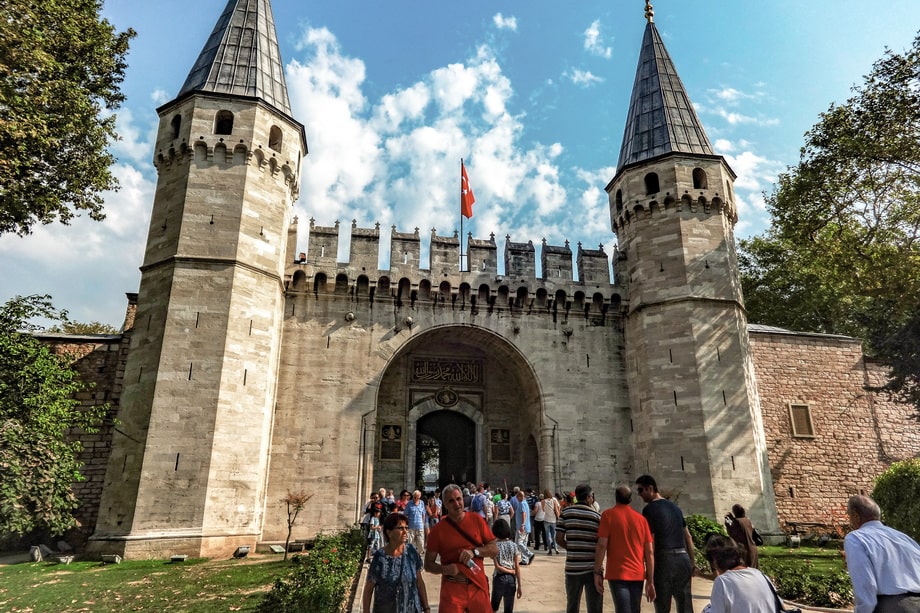
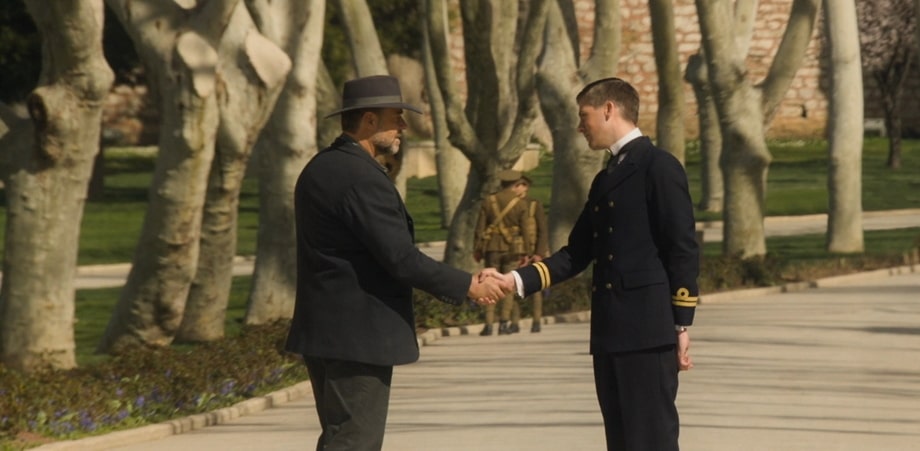
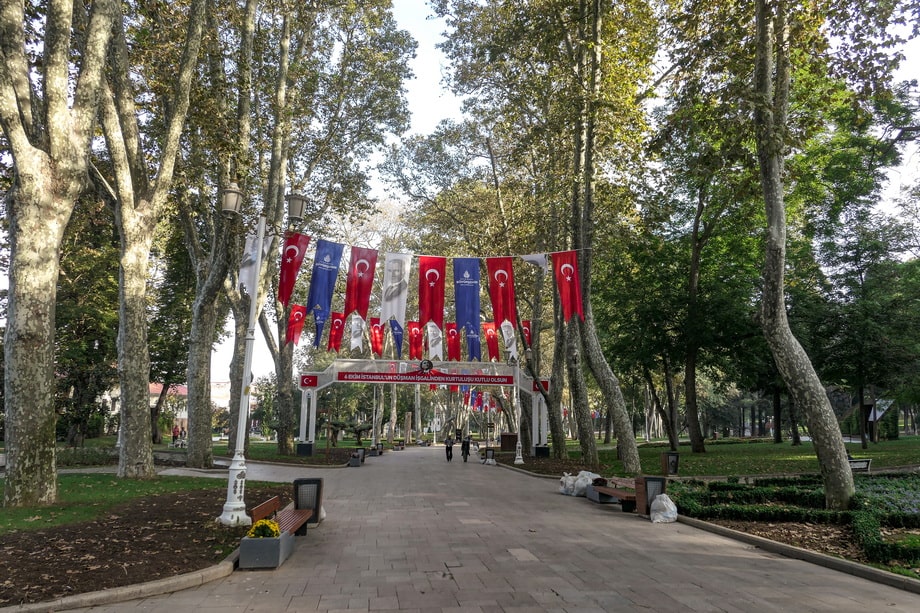
After returning from the Gallipoli Peninsula, Joshua Connor once again is rejected for authorized help by a young British officer in charge, though he receives a helping hand from a concerned young soldier. The two walk through a picturesque park while following Major Hasan (Turkish actor Yilmaz Erdogan). This short sequence was filmed in Gulhane Park, another tourist pearl of Istanbul. At the time of the early Ottoman rule, the territory was known as the outer gardens of a magnificent Topkapi Palace. One of the world’s largest complexes of such kind, Topkapi, was built in 1465 for Mehmed the Conqueror, only a decade after the capture of the city by the Ottoman troops. Until the end of the 19th century, Topkapi had been a residence of the Ottoman rulers, an administrative center of the Empire, and was turned into a museum in 1923. Getting back to Gulhane Park, the former sultan’s gardens were made public at the beginning of the 20th century and saw their next renaissance after 2000. The alleys of the park are known for their century-old plane trees and elms, which can be seen in the scene with Russell Crowe, a young officer, and Major Hasan. In one of the scenes, Connor and Orhan are seen at the ‘Orta Kapi’, the gates between the first and second courtyards of the Topkapi Palace.
Read me
Let’s deepen into the rhetoric of Ex Machina, one of the best SCI-FI movies of the recent years and try to find the answer what it is to be human
Read me
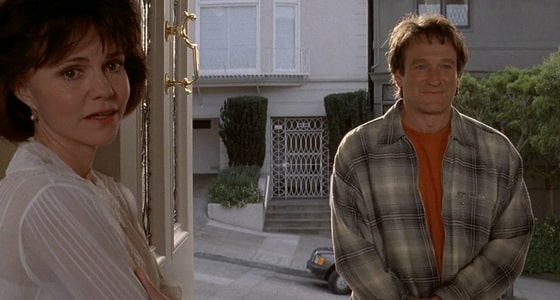
While being an entertaining movie by Chris Columbus, Mrs. Doubtfire analysis brings a powerful message to spouse and parents on how they can raise a happy family even after a divorce.

Read me
All 20 Before Sunrise filming locations, a famous romance movie by Richard Linklater, with Jesse (Ethan Hawke) and Celine (Julia Delpy) walking across Vienna
Read me
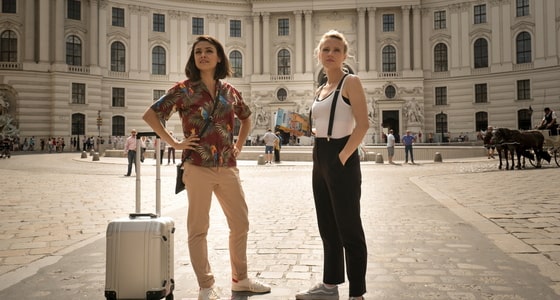
Despite the story taking us to Vienna, Berlin, Paris, Amsterdam, and Prague, most of the European sequences were filmed in Budapest and I invite you to search for The Spy Who Dumped Me filming locations
Read me
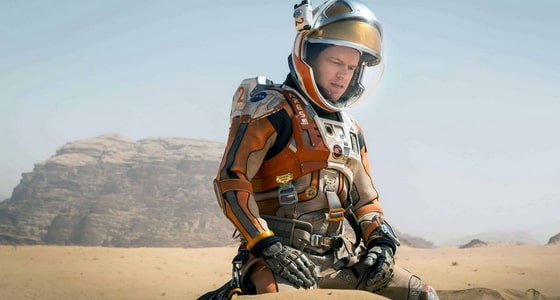
Mark Watney is a man of action, a can-do attitude who faces the challenges of alien planet and loneliness with a smile on his face and his story, though a fictional, has so much to teach us in our everyday life

Read me
Blade II was one of the first Hollywood projects set its production in the city of Prague in the early 2000s and several locations are still accessible and slightly changed after two decades