


 5,00
5,00
Read me
Before Sunrise Vienna locations
All 20 Before Sunrise filming locations, a famous romance movie by Richard Linklater, with Jesse (Ethan Hawke) and Celine (Julia Delpy) walking across Vienna
FILMING LOCATIONS

A Million Dollar Baby story of Maggie Fitzgerald and her dream of becoming a boxing champion should be studied in the context of child-parent relation with her trainer, Frankie Dunn
It was not accidental that the director Clint Eastwood put a lot of effort into persuading the studios to finance this story. At the time, he could anticipate neither Oskar’s triumph nor a substantial box office success. The truth lies in the evolution of Eastwood as an actor and cinematographer. Being an action and, first of all, Western genre star, he went far beyond the conventional dogmas, and even his first self-directed Western, ‘High Plains Drifter’, in many ways reinvented the previously unshaken formula of just how the Western protagonist must look and act. In 1992, Eastwood triumphed with ‘Unforgiven’, the movie that deconstructed the well-established cliches one more time and is sometimes regarded as ‘anti-Western’. The bravado and polished characters were finally gone, leaving space for doubtful, old, or immature, half-blinded or scared people who barely died after frosty rain, lost friends, and lived in a state of constant remorse and heart-searching.
Looking at successful sports dramas and particularly boxing movies since Rocky in 1976 and ‘Raging Bull’ in 1980, we had ‘Cinderella Man’ and ‘The Fighter’. All these stories used the box only as a background, a scenery for the characters’ struggle for their place in the world. At the same time, each of them touched on the topic of greatness, the triumph over the opponents, and the champion’s belt. Each of these stories conventionally spoke about a man’s character. When it comes to Million Dollar Baby analysis, Eastwood urged himself to reinvent the way such stories could be told, even if they speak about the same things. So the point here is not so much about the story of Maggie Fitzgerald but about just how it has been told. Getting so far ahead, it is hard to imagine a more prosaic and earthly narration. While Rocky Balboa and James Braddock got their chances to fight for the champion title by circumstance, Maggie fought through prejudice, financial distress, and a lack of other people’s faith in her. In this vein, the main character of this movie is a hardened doer rather than a Cinderella-like story shaped by a boxing ring.

Eastwood himself, as a director, had to go through a challenging idea to make a movie not about success but about death, the dissolution of a young woman who, in conventional public beliefs, got her timing wrong with falling in love and making children. It is not easy to direct a movie that initially should be anticipated as a story of boxing success and then disrupt our expectations by turning it into a cinematic euthanasia experience. It seems also unimaginable to direct such a movie in a severe, even rough manner without the provocation of emotions every few steps. If you look closer at the way The Million Dollar Baby is made, the movie has uncharacteristically few activities. The actors’ performances were intentionally reduced to a bare minimum, or, better to say, minimalism. More than that, the most important scenes in the movie appear to be static. All this rawness and everydayness make the climax of the story even more emotional and empathetic. We have a kind of movie where dialogue about the holes in the socks works well for the overall story.
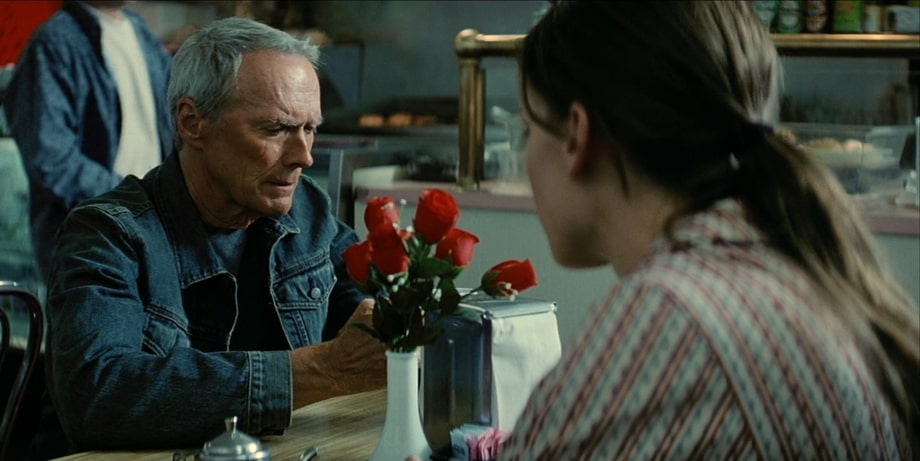

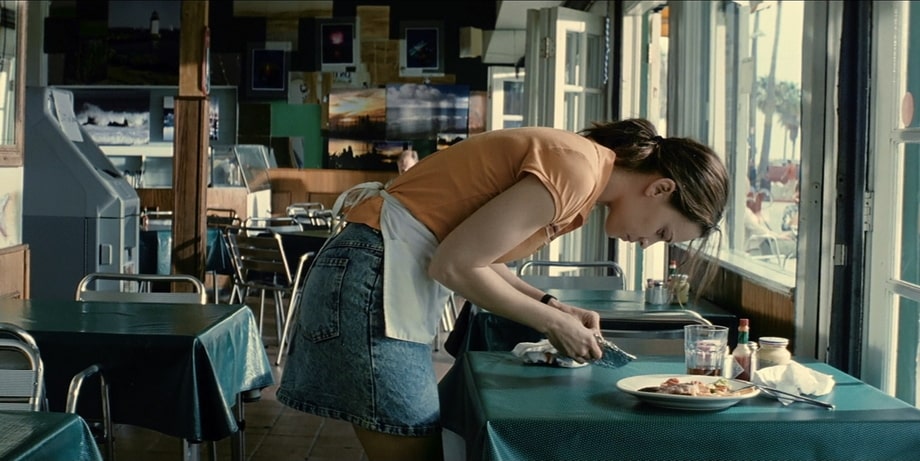
With all respect to the great state of Missouri, Mary Margaret “Maggie” Fitzgerald did not have a remarkable childhood back home. She almost died at birth, and such a possibility would have hardly disappointed her egoistic mother, who probably never worked a single day in her life. The movie gives us a few details about Maggie’s first thirty-one years of life, but does a praiseworthy job when presenting her at the beginning of Million Dollar Baby. She leads a miserably poor life in Los Angeles. Maggie works in a shabby cafeteria and luxuriates in a piece of meat only when pretending to take the plate leavings to her non-existent dog. She lives in an under-maintained, slummy room with no telephone, TV set, or even radio. She managed to buy some sportswear for her only favorite pastime: boxing, but for some time, she lacked the money to buy a punching bag until she finally collected a few pounds of coins.
I was born two pounds, one-and-a-half ounces. Daddy used to tell me I’d fight my way into this world, and I’d fight my way out.
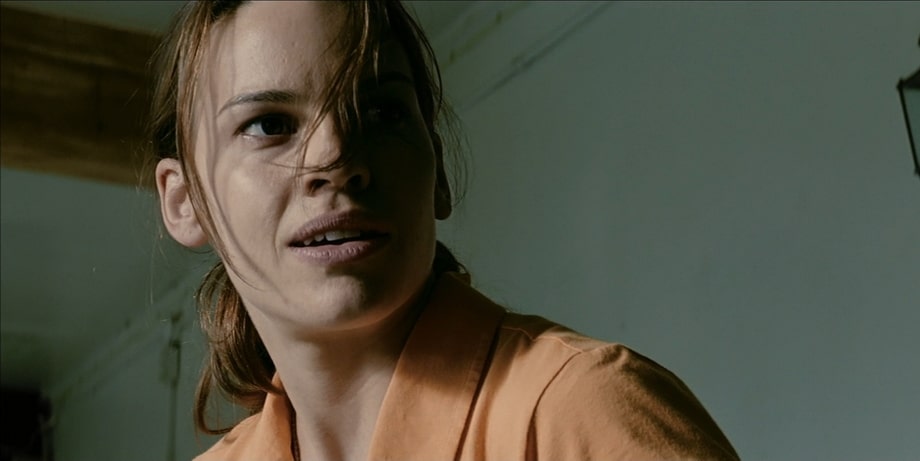
The character of Maggie Fitzgerald attracts the audience’s empathy not so much because she is poor and is ‘among the people’. Compassion is not a kind of word we feel towards her. Respect and admiration are more appropriate definitions. She has always had to fight for her life since her first breath, but Maggie has not become heart-hardened or callous toward other people. She may not be pretty or smart enough or prosperous, but she is not incensed against the whole world, men, or money bags. Maggie is simple in herself. She cares for people more gently than they may regard her. The protagonist has neither trickiness nor the ability to lie or play any kind of game. She is straightforward in all her communication with other people. Hilary Swank’s facial expression of fascination with the little things of life around her character is one of the reasons why minimalism works well in this movie.


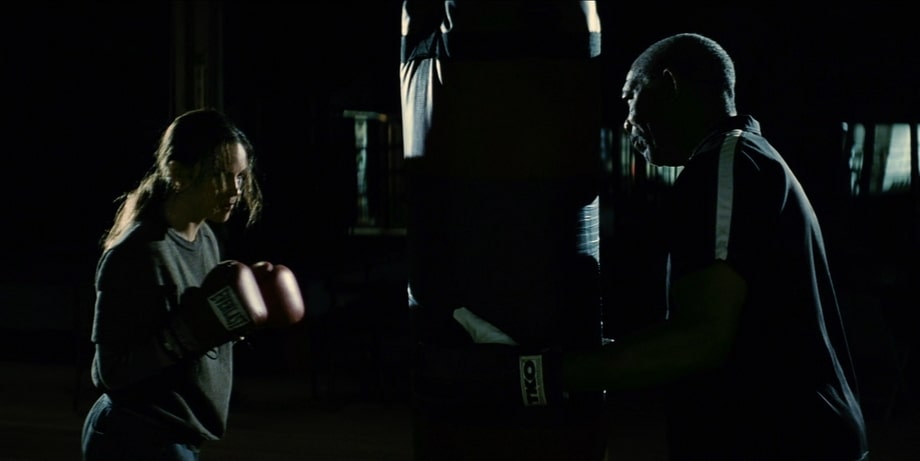
Her behavior in a boxing gym reflects her character. Maggie pays six months in advance for only a chance of being noticed by Frankie Dunn, an elderly coach from a dungeon-like gymnasium. After several failed attempts to attract his attention, she trains until exhaustion between her demanding working shifts in the cafeteria. Maggie is reluctant to give the barbs from men in the gym. She is delighted to talk with Eddie “Scrap-Iron” Dupris, a cleaner who lives in a tiny room here, because his kind attitude means more to Maggie than his appearance or credentials. We see how enthusiastic she is when Eddie shows her the room. She never expresses egoism and does not make fun of Dangerous, a figure of fun for everyone. Later on, Maggie even shields Dangerous with a bit of sarcasm toward a local bully boy, Shawrelle Berry. Above all this, she does not expect pity or favors, neither because she is a woman in a men’s sport nor because of her strained circumstances.
I’m 32 and I’m here celebrating the fact that I spent another year scraping dishes and waitressing, and according to you, I’ll be 37 before I can even throw a decent punch. This is the only thing I ever felt good doing. If I’m too old for this, then I got nothing.

Maggie Fitzgerald is the last person in the movie who would complain about a breach of justice, social disparity, sexism, or, more practically, about exhaustion, injuries, or corn. She often leaves the gymnasium last, even after Eddie goes to sleep. Maggie spends her thirty-second birthday boxing in the gym and still wants Frankie Dunn to teach her how to fight professionally. She is not Cinderella, but a big believer in getting things done, an admirable person who continues to move forward even without any support. Later on, when Frankie finally gets himself involved in Maggie’s training and boxing career, she never complains about the challenges of a professional sport. Maggie was deeply aware that Dunn would do things right and hard. In one of the fights, when Maggie’s nose is broken, she asks Frankie to fix it for several more seconds in the ring—a grotesque scene for most people, women in particular. He is an expert in boxing cuts and thus would push Maggie further if she asked him to. It is naive to believe that Maggie was not ready to put her health and even life at risk in the pursuit of chasing a dream.
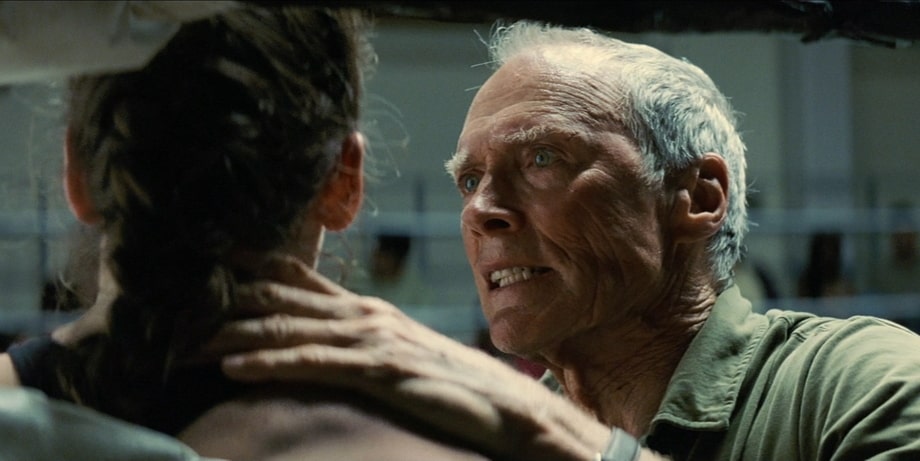
Sports dramas are not for all, especially stories with non-conventional characters. Along with that, Million Dollar Baby, similar to all great movies, speaks about broader topics through the prism of a more evident one. On the surface, it gives us a composite character of an athlete, a woman, who does not want to end her life serving tables in the local dining room. If going more deeply, Million Dollar Baby is not so much about boxing experience, emancipation, or social struggle. This story is about human relations and our deepest desire and need to be supported and loved. Except for her long-dead father, Maggie has not experienced enough support, love, or respect. For half of the movie, Frankie Dunn does not want to take responsibility for Maggie’s career, and it is her patience and cravings for his attention, her persistence in training, that makes him change his mind and train Maggie, and later find a daughter in her, closer than his full-blood one.
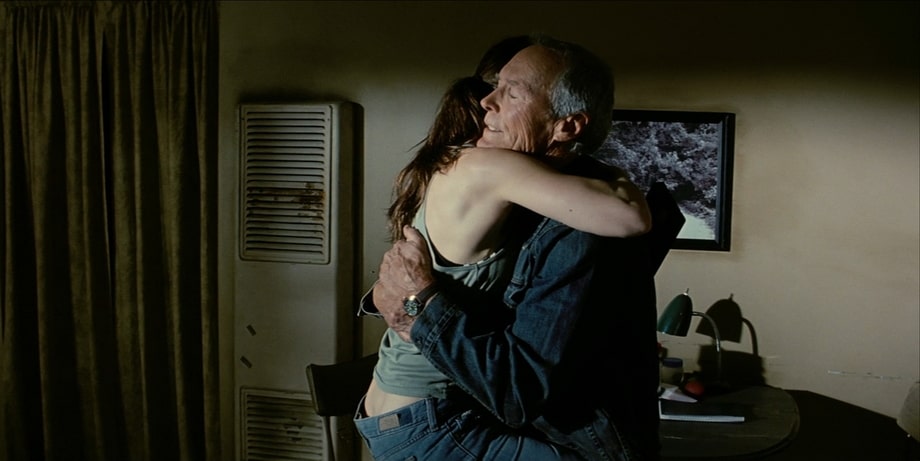
The movie does a great job of building trusting relations between these two. The only human being in the world who treated Maggie with love was her father, who had died many years ago. In contrast to her egoistic mother, Maggie’s dad was a light in her life, and she has lacked him so much since then. The image of the father is her brightest part of the past, and boxing came later to fill this gap until sport finally led her to her new father, Frankie. He calls her ‘Mo chuisle’, which appears to mean ‘My blood, my darling’. While her mother and sister look like parasites and marginals, Maggie decides to buy them a house, which those people do not even appreciate to the extent they should. She spent her money on the fights and her health, not on buying a house for herself as Frankie had insisted, but she has always thought about other people more than herself. Those losers live in a trailer on subsidies and have the face to laugh at Maggie, but she finally understands that the proximity of blood does not make people ‘closest ones’, when Frankie Dunn is much closer to her and cares about Maggie, as it turns out, to the very end.
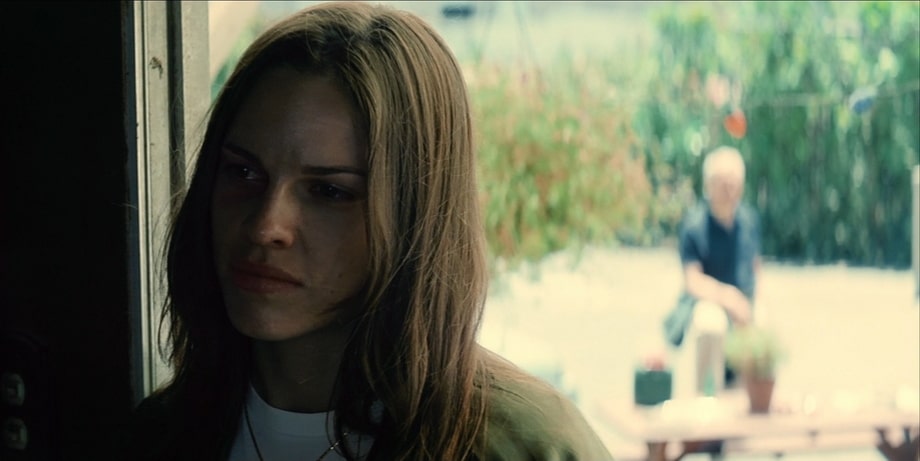
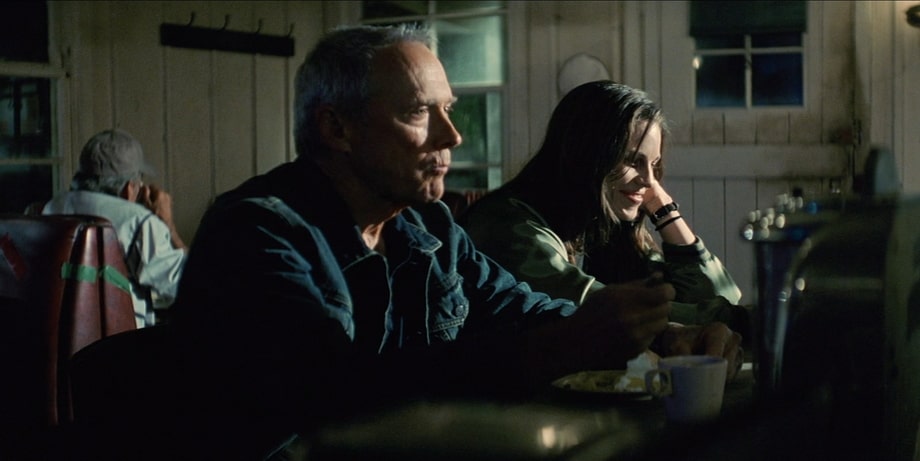
Frankie Dunn was the best-cut man in boxing back in the 1960s and, as Morgan Freeman’s character narrates outside the camera’s view, has not lost his talent. As we find out across the story, Frankie blamed himself for not protecting Scrap’s eye thirty years ago, and his current approach to the fighters is based on preserving their lives and health first of all. We may only suggest how Eddie Dupris’ experience influenced Franki’s training career. His current mentorship of Willie “Big Willie” Little may be characterized as too protective, to the extent that he does not want to take risks and opt for Willie for the champion fight, though the latter is by all means ready. Such extreme caution does not allow his fighter to go the extra mile and earn his million-dollar check, and Willie decides to work with another manager, and he finally becomes a champion. One would think that Frankie Dunn’s overprotectiveness was excessive and harmful, but the truth lies in his attitude toward young athletes, like his children.
Frankie is a hardened grumble, but he expresses no irritation when Willie comes late to his house. He attributes him as someone special, a person who may come at any time because he is not just some people. We see Frankie’s car when he and Willie push the shabby automobile after the match. Instead of buying a new car for himself or at least having it repaired, Frankie spends money to help Willie with his car without a second thought. He treats Willi like his own blood, and that is why the news that the latter trades in Frankie for another manager hurts the audience so much. To aggravate our natural sense of justice, Willie underlines that Frankie has told him all he needed for the title, but he will get it with another manager. When talking about movie references, this one may be attributed to the generally unpopular Rocky V and the betrayal of a trainer.

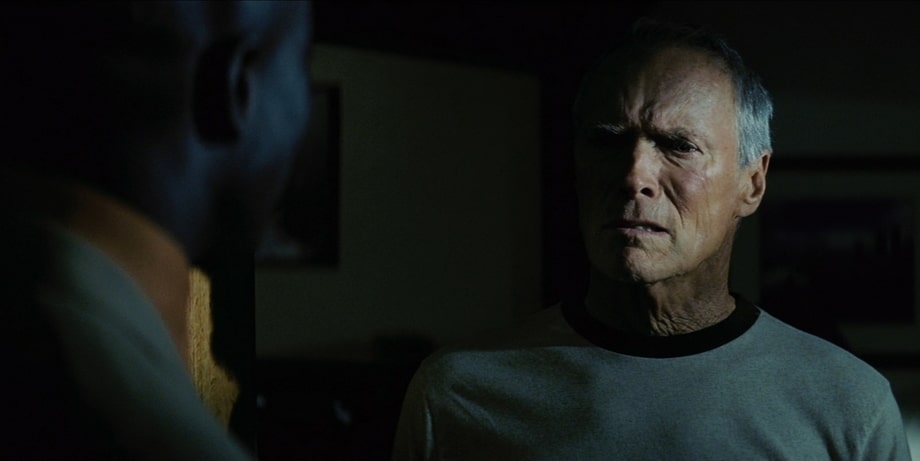
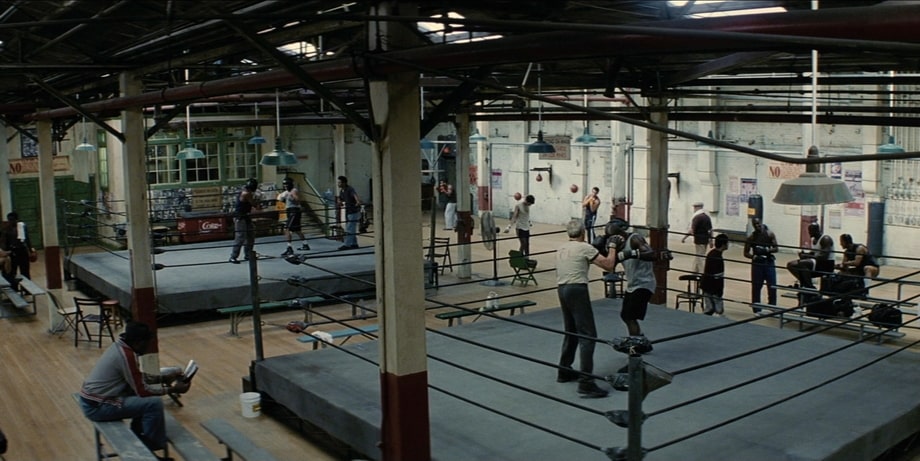
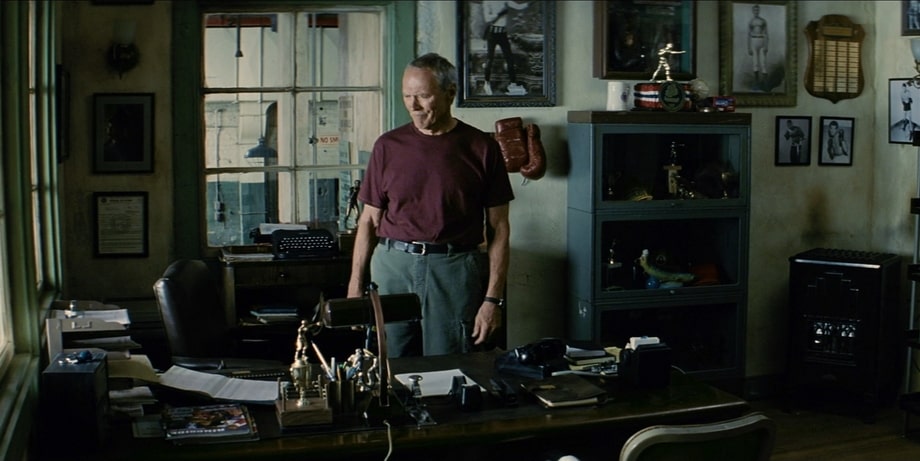
It is safe to assume that Big Willie was not the first athlete who give up Frankie for someone else. The old trainer and manager retreat to his dingy-looking gymnasium, a mecca for the poor local guys who dream of becoming boxing stars one day. The gym’s look contrasts so much with the conventional image of Los Angeles as the forge of talents and a destination point for dreamers. For each boxing champion, we have a million underdogs who never achieve something significant, larger than their lives. The location of the gymnasium and its look work well for the movie atmosphere, and can tell us a lot about its owner. Frankie is an elderly boxing legend, and he deserves his retirement to be close to the end of his journey. He does not invest money in the gym because he believes that the athletes here have all they need, and Big Willie’s example serves as a testament. He gives his money for someone else’s car while driving a piece of junk. The truth is that Frankie has savings, even enough to change location and potentially buy a cafeteria. He is a man of a habit, and his attitude to money has always been Spartan. Frankie not only trains young athletes; he is like a father, teaching them how to earn and save money and how to buy a house. Without a doubt, if he could give all he had to save Maggie’s life and health, or Scrap’s eye, he would do it without remorse.
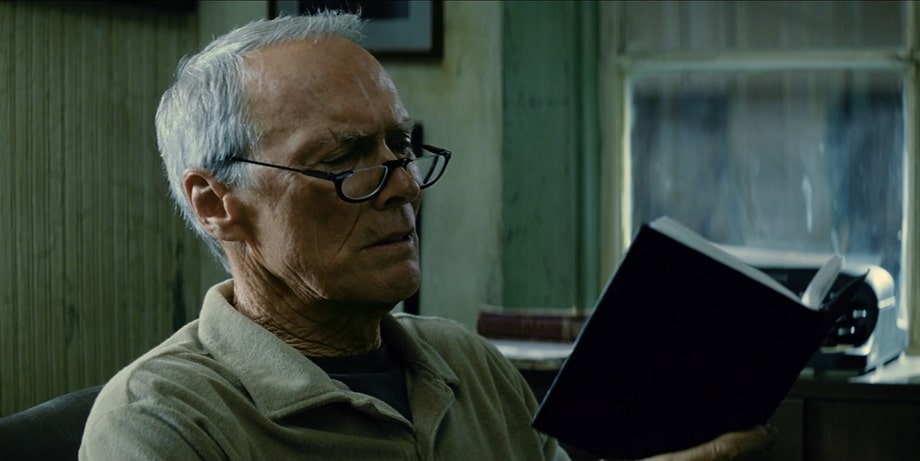
Getting back to the topic of overprotectiveness, a feeling of guilt about Scrap’s fate may have caused Frankie’s first-page career, but he does things in a way he is used to. When he meets Maggie Fitzgerald for the first time, he suggests that he may either owe her money (his delicate handling of the topic) or even be her father (a hint to Frankie’s active young years and Eastwood’s love adventures). The last thing Frankie is interested in is training a girl boxer. The obvious surface reason lies in his prejudice toward boxing as a male sport. A more complex explanation deals with his habits: an old man is not the best material for changing lifelong beliefs. The actual reason why Frankie would reject Maggie’s appeals for some time is his protective attitude toward his athletes and his complex relations with his daughter, or better to say, a lack of any relations. Eastwood will exploit such an image of a troubled father in ‘Gran Torino’ in 2008, in ‘Trouble with the Curve’ in 2012, and ‘The Mule’ in 2018; the latter two dealt with daughters specifically. If to speak about former projects, Eastwood’s character had strained relations with his daughter in ‘Absolute Power‘ (1997) and infrequently saw his daughter in ‘True Crime‘ (1999).
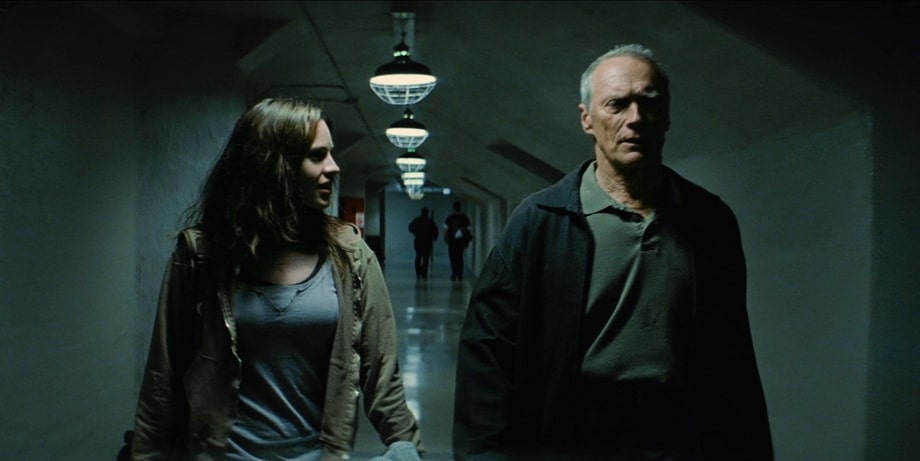
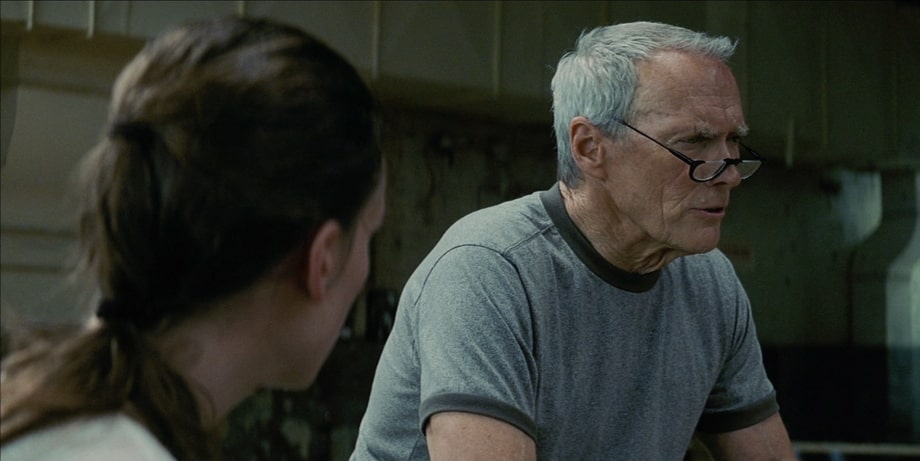
Frankie Dunn considers the tragedy of Eddie Dupris as his own and, at the end of his own life, tries to atone for the mistakes he has made. Seeing a girl being hurt is not on his Christmas wish list. More than that, before Big Willie’s departure, Frankie had a protege and someone he cared about like a father. Million Dollar Baby is not so much a story about boxing but about the world-old parent-child relations, and this fact makes Frankie Dunn the protagonist rather than Maggie. While her character evolves on the ring, she does not go through the mental transformation the Eastwood character experiences. It is Frankie who undertakes a journey of transformation, and his ultimate goal may not be getting a female champion but gaining a daughter, his ‘Mo chuisle’.
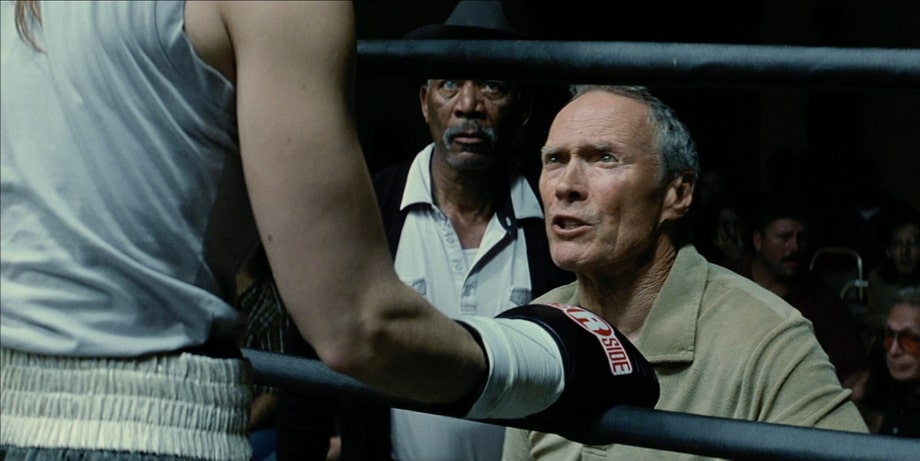

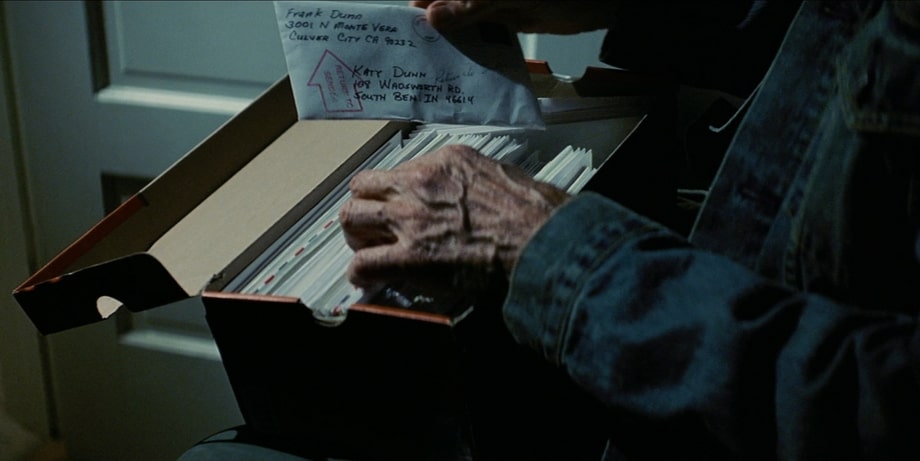
‘Always protect yourself’: that’s what Frankie’s philosophy sounds like, and the first thing he teaches his boxers and Maggie in particular. She should protect herself not to be hurt in the ring and not be treated badly in her life. On the other hand, he is not a fanatic and does not demand that Maggie abdicate from the pleasures of life. It is safe to assume that he would have wished her another profession rather than being either a cafeteria servant or a female boxer. As we find out later, Frankie’s daughter was fond of sports, but the movie leaves us without details, and every viewer can use imagination to fill in the blind spots in Frankie’s background story. His daughter could crave a sport not to become a female boxer but to be closer to her father (the behind-the-line idea of ‘Trouble with the Curve’ as well), but Frankie was always adamant: he does not train girls. Years later, he writes letters to her daughter, but she never reads them, and they come back unopened. This is the most important red line that runs through the whole story: Frankie lacks his daughter, his ‘Mo chuisle,’ and he treats Maggie, who remembers her father as the brightest image of her life, like she is his blood.
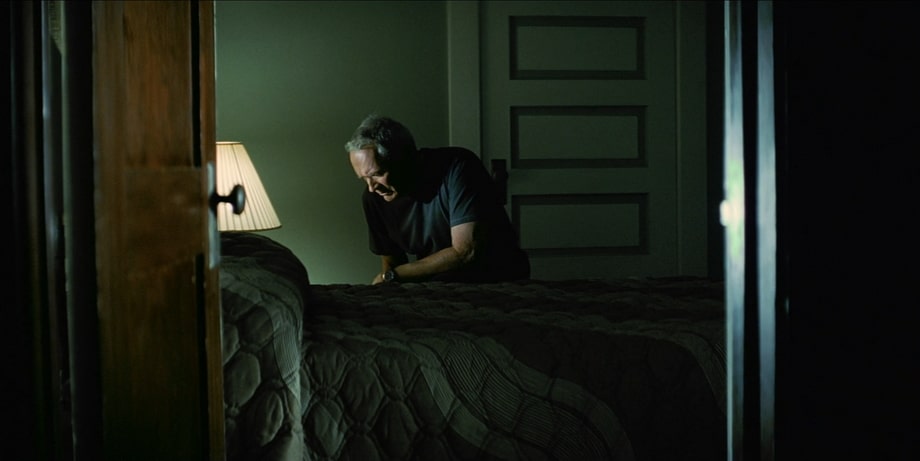
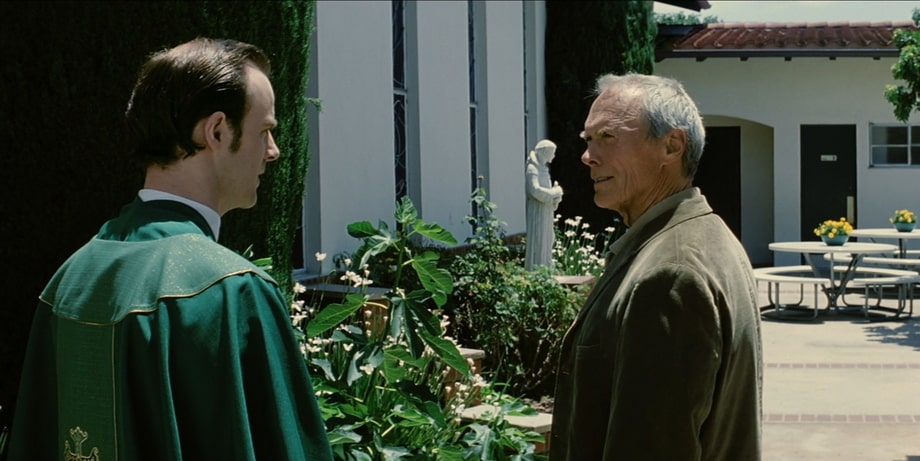
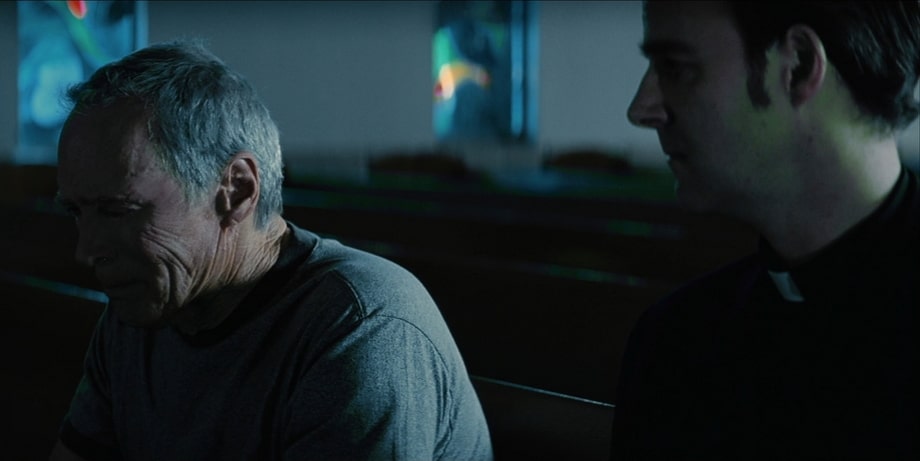
Since Frankie is the key character of the story, there is another dimension that is worth mentioning: his attitude toward religion as a failed instrument to define his feelings. He is a regular attendee of a local church (like in the later ‘Gran Torino’), but the last three decades have not brought Frankie either redemption or an easement. He comes to church every Sunday, asks provocative questions to a priest, and almost drives the latter to frenzy. We may speculate that Frankie feels lonely and abandoned by God, his daughter, and Big Willie, and he may even ask for the end of his life. When Maggie asks Frankie to end her life through a kind of euthanasia, he comes to church and tells the priest the whole story and asks for support. Between being cursed religiously and leaving Maggie lying for years as a vegetable, he metaphorically sacrifices his soul for his new daughter. It’s not for nothing that the story ends with our understanding that the whole story was, in fact, Eddie Dupris’ letter to Frankie’s daughter.
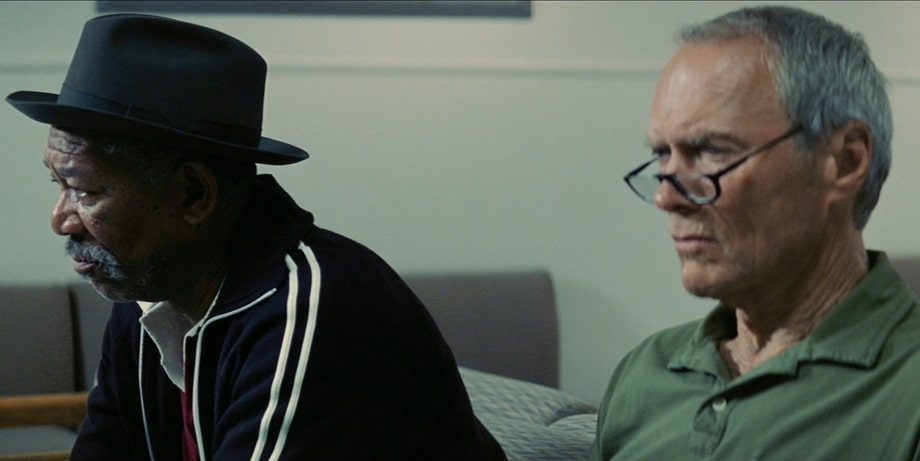
As we find out in the end, the whole story was a kind of letter version written by Morgan Freeman’s character to a daughter of Frankie Dunn, a letter she may never open, as all the previous ones regarding her father. Morgan Freeman is an experienced narrator both in fiction and documentaries, and his secondary characters often live in the shadow of key performers, which does not keep him from getting Oscar nominations, and this time a trophy. Eddie ‘Scrap-iron’ Dupris is a former boxing star who never managed to jump over his head. More than thirty years before the primary events, Eddie was too confident to declare the doubtful fight off, was abandoned by his sneaky manager, and lost his eye. Instead of fulfilling his athletic potential, Eddie has experienced hard times and finally settled as a cleaning man in Frankie’s gymnasium. He has no home except for a tiny, shabby room in the gym; he lacks money for new socks, and it seems that Dupris does not provoke much respect from people, maybe except for a local outsider. That’s what a surface look at this character says.

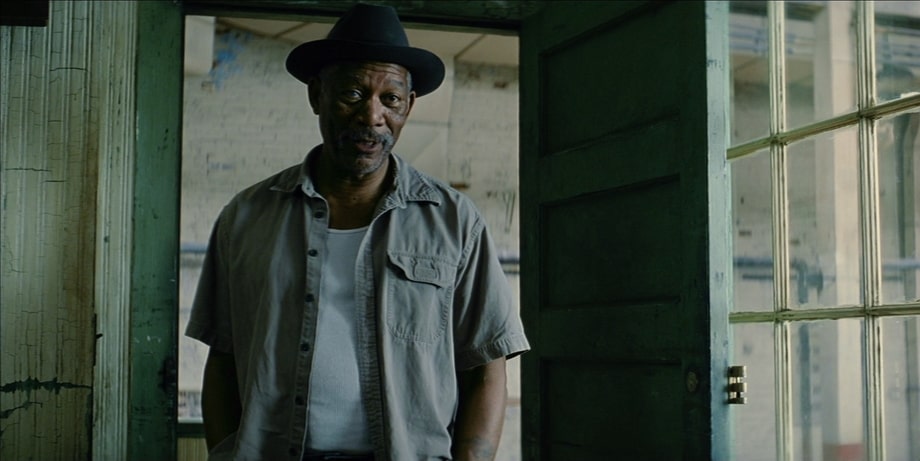
While looking between the lines, Eddie Dupris is the third most important character in Million Dollar Baby, not because of Morgan Freeman’s name, but because of his impact on all meaningful events of this story. First of all, three decades ago, it was Frankie Dunn who supported Eddie and accompanied him in his corner during that fatal 109th fight. Since then, Frankie has been blaming himself for not stopping that fight and for Eddie’s loss of an eye. Beyond a shadow of a doubt, Dunn feels himself responsible for Dupris’ pathetic life, and one day in the past, he offered Eddie a job and a bed in the gym. On the one hand, Frankie gave Eddie some means of surviving. On the other hand, he constantly reminds Frankie about that feeling of guilt, which apparently averted Dunn from becoming a legendary manager. In the opening scene, when Eastwood’s character fixes a cut near the eye of Big Willie, he resembles Eddie Dupris in him and the situation and asks the boxer to give up the fight. Frankie had Dupris’ experience in mind when considering Maggie’s appeal to train her.
Leaving the past events behind, Eddie is a shadow figure throughout the story in the present. It was Dupris who probably hurled Big Willie and another boxing manager together, which finally led to Willie abandoning Frankie Dunn, who had taught him all he needed. Scrap pays his regard to Maggie and places Frankie’s attention on her despite the latter’s prejudice. One night, the former boxer Eddie shows Maggie Fitzgerald some boxing insights and, for some time and to some extent, becomes her secret coach until finally encouraging Frankie to play the part. Dupris gives Maggie an old punching bag, which Frankie had not used for years. Eddie knows what is going on in the gym at any given time, and he keeps things running smoothly when Frankie is absent. He is among a few people who do not humiliate the Dangerous, and when the time comes, even saves the boy from bullying and maybe another lost eye. Finally, it was Eddie, toward the end of the story, who frees Frankie Dunn from an alleged guilt for his eye and a lost career and gives Eastwood’s character a reason to help Maggie end her life through euthanasia.
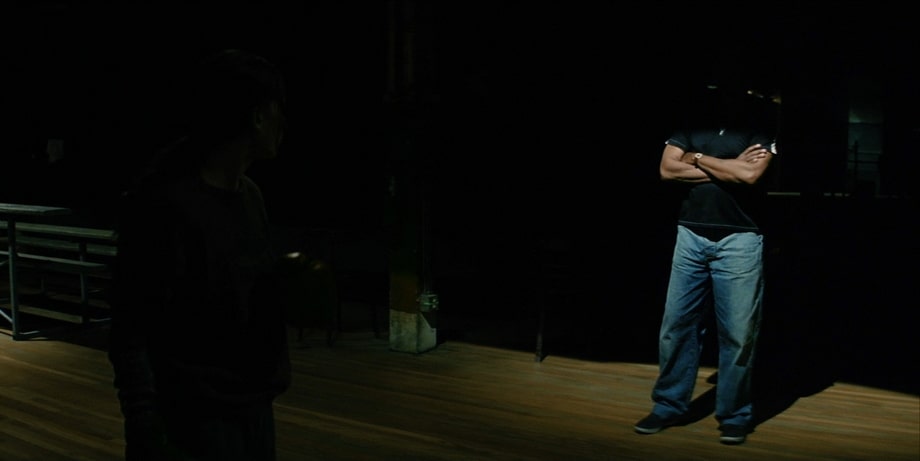
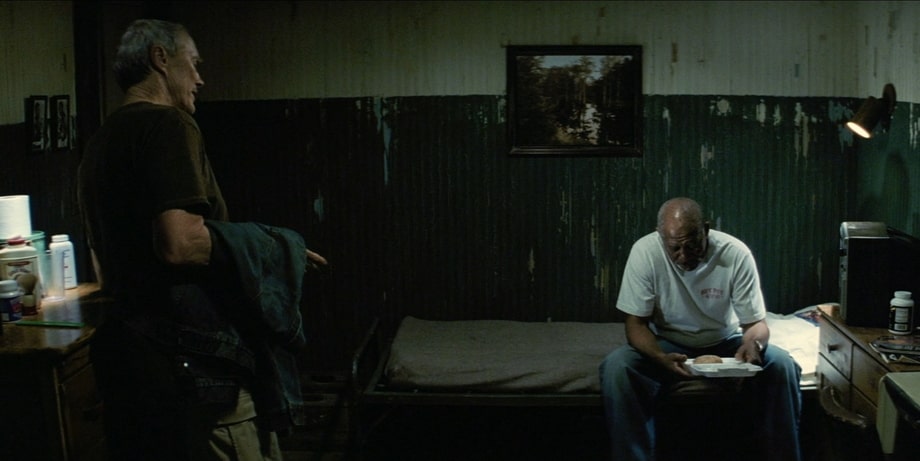
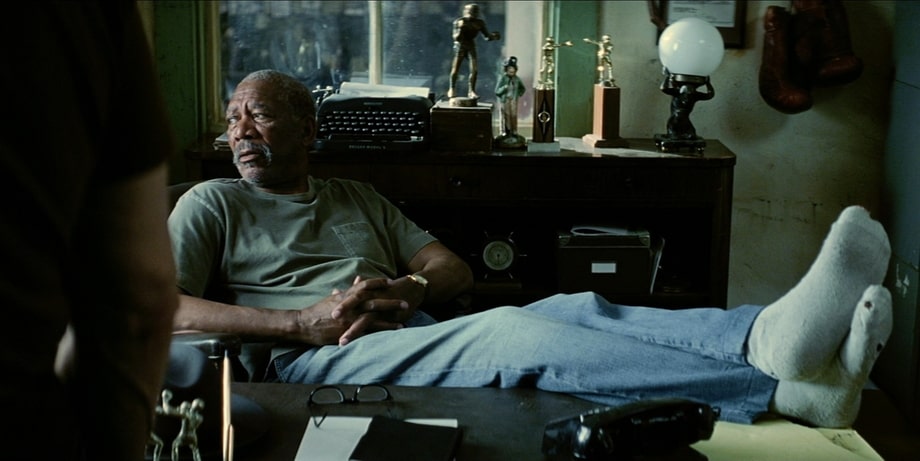
The movie shows Eddie so poor that he does not even have money to buy new socks without holes, but at the same time, Scrap spends money on a sports channel. The point here is that Eddie still loves boxing despite all the challenges in his life and the loss of an eye. He is ready to give up his last money for his passion and hobby, and that is another reason why he works in Frankie’s gymnasium. He uses sport to find explanations for many things in life, and that is why this character serves as a masterful narrator. His appearance and leaky socks should not confuse the audience; he is a more complex character and thoughtful person than he may seem on the surface. Frankie Dunn (Clint Eastwood) is a respected boxing manager who has his savings and owns a gymnasium. He learns the Irish language, but the cleaner Eddie Dupris, who reads comic books, appears to have a better analytical understanding of both the events and people’s behavior. Don’t judge a book by its cover.
Jay Baruchel’s character has little influence on Maggie and even less on Frankie Dunn, but he contributes to the morality of the whole story. He is a local butt of a joke even among the losers-like inhabitants of the poor neighborhood in Los Angeles. Frankie feels compassion for a guy, and he lets him train at the gym even without payment, though without training lessons as well. This is a classic kind of naive, victimizable character, an underdog among other underdogs. Dangerous is both physically and psychologically weak, maybe even mentally disoriented. He looks natural in this movie if we remember that the story is all about human relations, family, and support, or the lack of it. The Dangerous was abandoned by his mother when her latest boyfriend trucked the boy to Los Angeles and left. He lacks a family or caring people, so his way of escapism is to do poor boxing and imagine himself as a future champion. The only man who takes notice of the guy is Eddie Dupris. Like Maggie, Dillard lacks a father figure in his life, and he reaches out for both Frankie and Eddie, experienced male characters, who can tell him what to do with his life. The coach is a kind of father who gives you the basics. In Dangerous’s case, boxing serves as a metaphor for life.
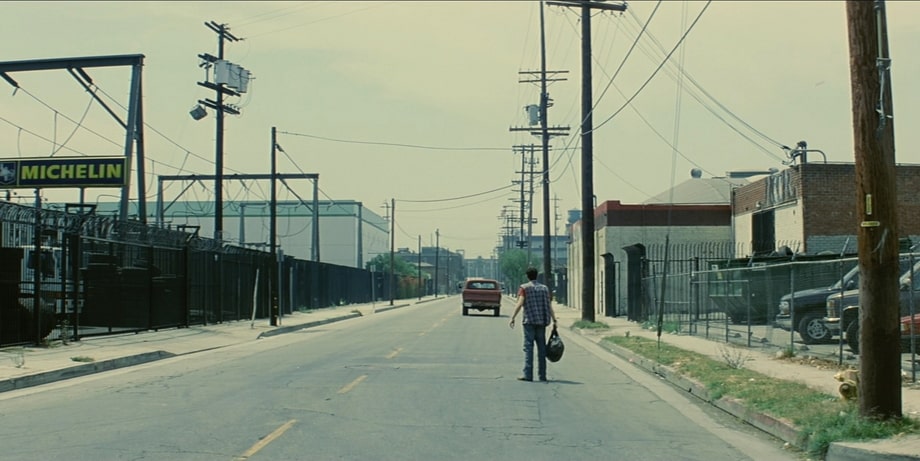
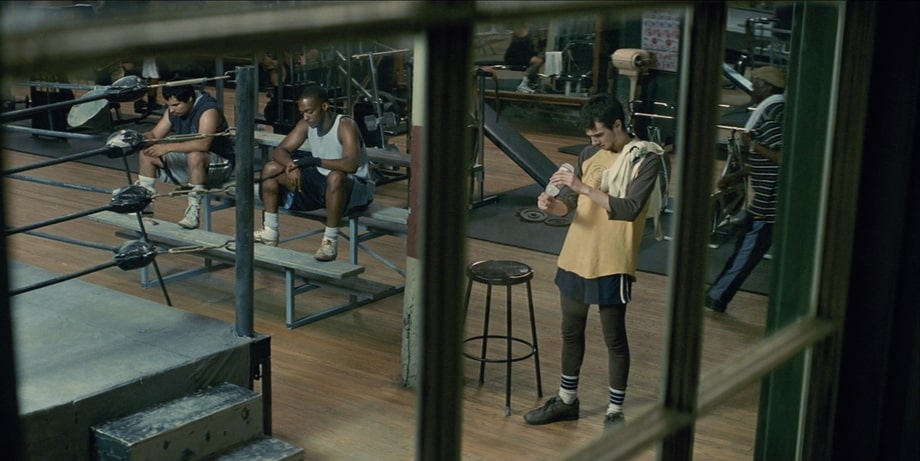
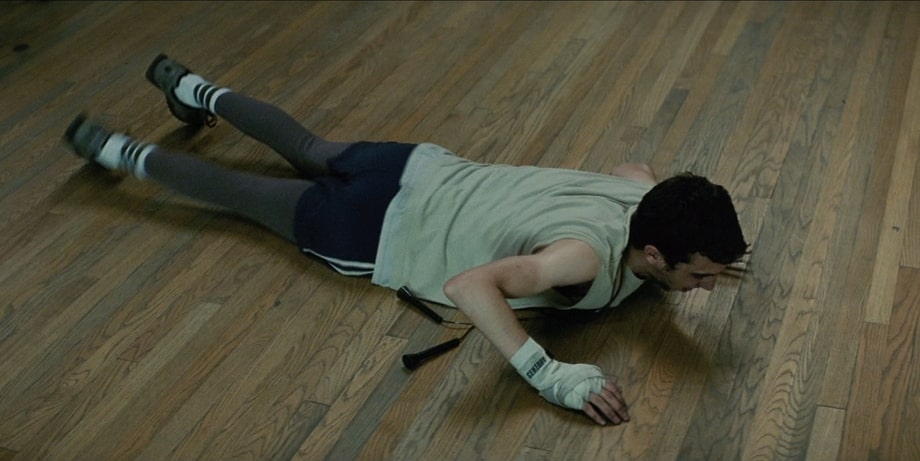
As was stated above, like in many other remarkable sports dramas, Million Dollar Baby boxing serves as a metaphor for life. It is not a success in itself and even not always a key to it. It is rather one of how man, or in Maggie’s case, woman, can choose to move forward in this chaotic world. At the beginning of the story, we anticipate Maggie winning a champion belt, Frankie getting his champion, Eddie changing his life and buying new socks, and Dangerous hitting the bullying guy back, but the final act of the movie leaves us in a good sense tricked. None of the characters gets the reward that has always been on the surface. Every one of those four characters, and Shawrelle Berry can be added too, emancipates from the harsh reality through boxing, therefore being outcasts. It becomes easier to evaluate their final gains and losses not through the prism of boxing but by keeping in mind that Million Dollar Baby is about human relations, family, and other bonds, and the challenges we face during our journeys.
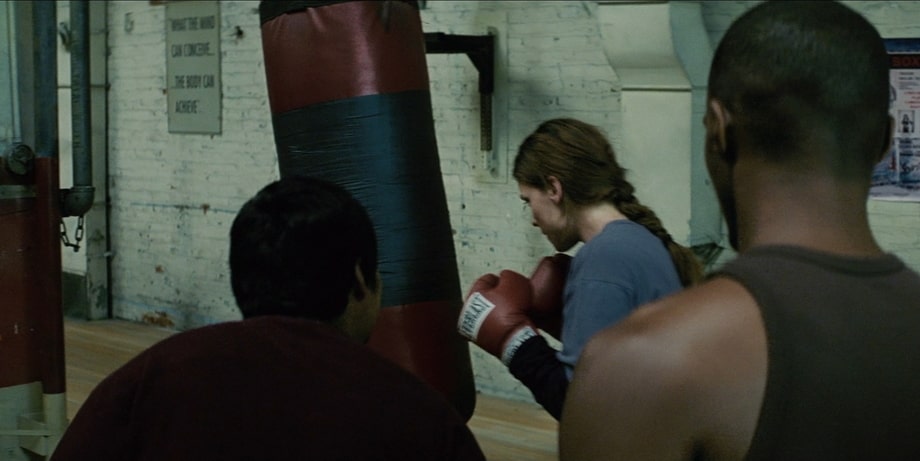
Frankie, Maggie, Eddie, and Dangerous are all underdogs, mainly poor or choosing to live in a spartan way, but none of these characters sell his or her conscience or abandon their attitude to other people for the sake of material prosperity or false friendship. None of them trespasses their moral compass, and in Maggie’s case, she preserved her dream to the very end: to mean something in this world to other people. In a wider sense, the movie finds excuses for constrained conditions and being an outcast if you live your truth and take care of other people. On the other spectrum, characters who overstep moral principles and other people may finally get wealth, like Big Willie or Billie “The Blue Bear” Osterman. The latter is not only a dirty fighter who ruins the health and careers of her opponents, but a former prostitute, a morally bankrupt, though with a champion title. Million Dollar Baby draws a vivid line between the ‘white’ and ‘black’ worlds. Morgan Freeman’s character’s voice, in some way, is a dangerous idea that either you live like a hobo or you chase a dream and can easily burn out on your way, sacrificing your health and even life. Real life is always something in the middle, in the gray zone, so the young audience, who are charmed by sports, should not take this ‘all or nothing’ morality for granted.
MAGGIE: Only two people in this world I ever wanted to be proud of me. You are one. You proud of me, boss?
FRANKIE? You have to ask?
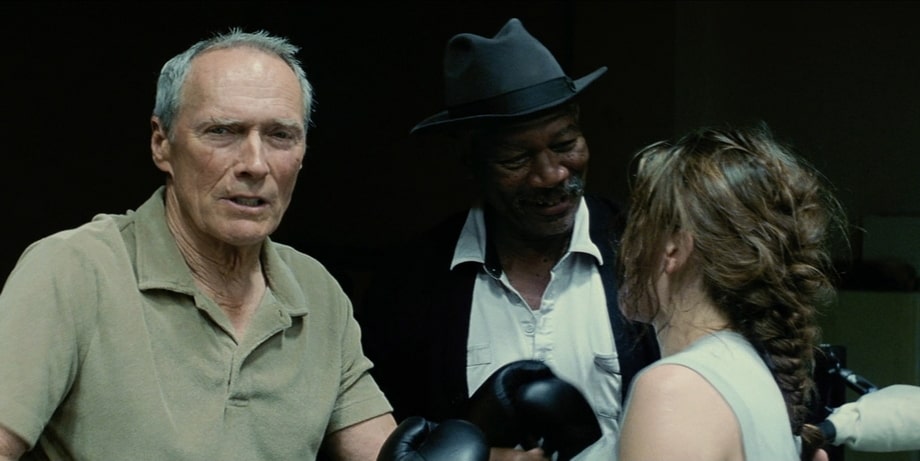
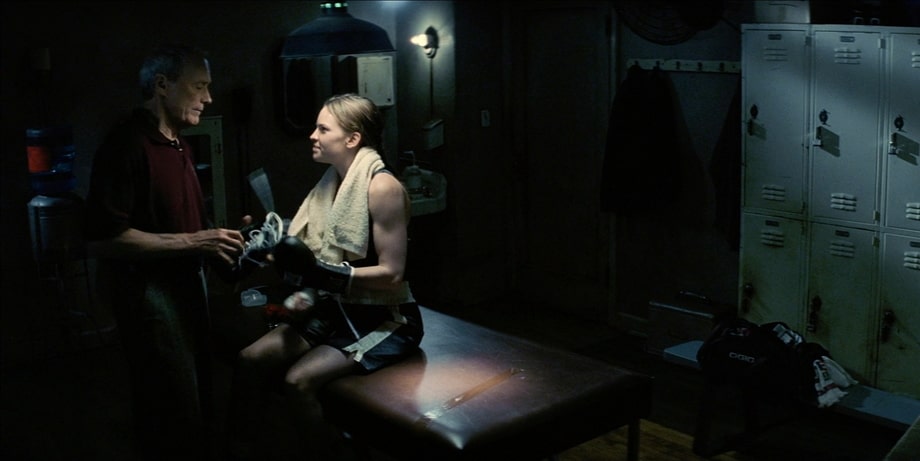

When it comes to Frankie Dunn, in contrast to other father-like coaching characters in the sports drama, he finds a daughter in Maggie, even if not by blood. Yes, initially, he got a second chance to raise a boxing champion, but the real chance in front of Dunn is to retrieve a daughter once again (to lose her in the end). In contrast to his former dismissive attitude toward his daughter, Frankie becomes a father figure in Maggie’s life, omnipresent both in her boxing career and daily routine. He gives her an oversized boxing robe, and Maggie looks like a little girl in it: his girl, his ‘Mo chuisle’, his blood. When she admits that Frankie reminds her about the lost father, Dunn says, ‘Well, you’ve got me.’ He stays with Maggie regardless of her trauma, broken neck, months of fruitless rehabilitation, Maggie’s despair, and her decision to end her life. He told her to always protect herself, and he also protected Maggie from injuries and her parasite family.
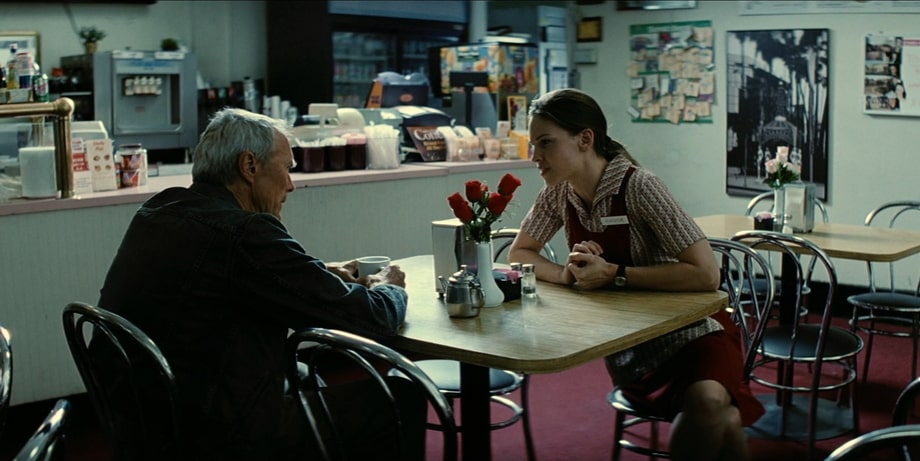
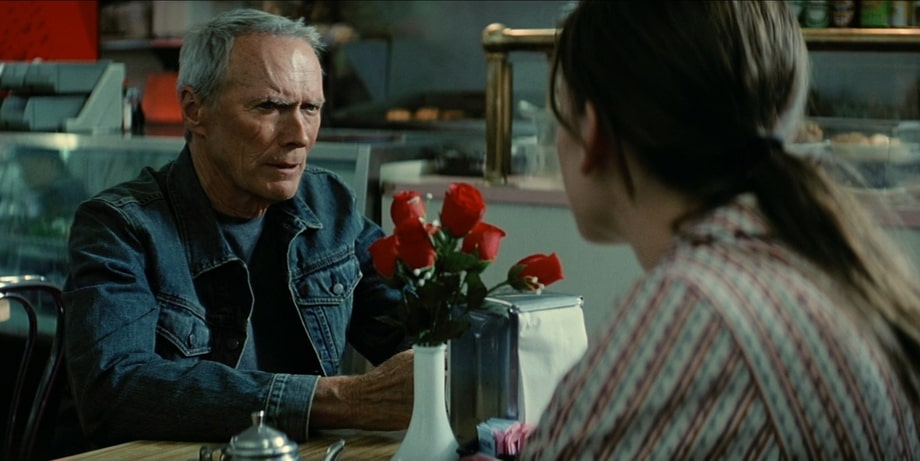
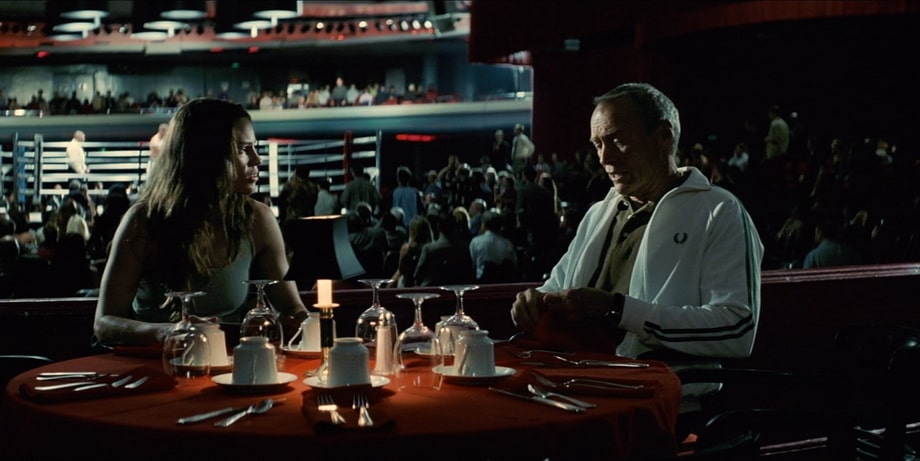
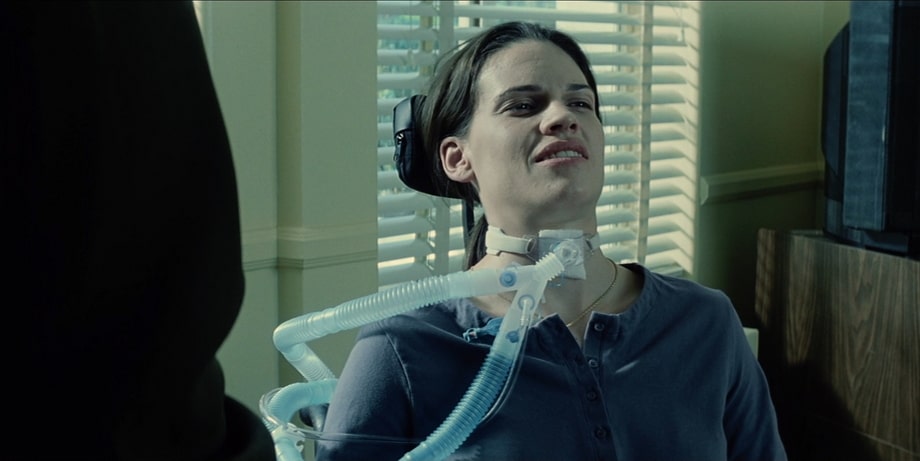
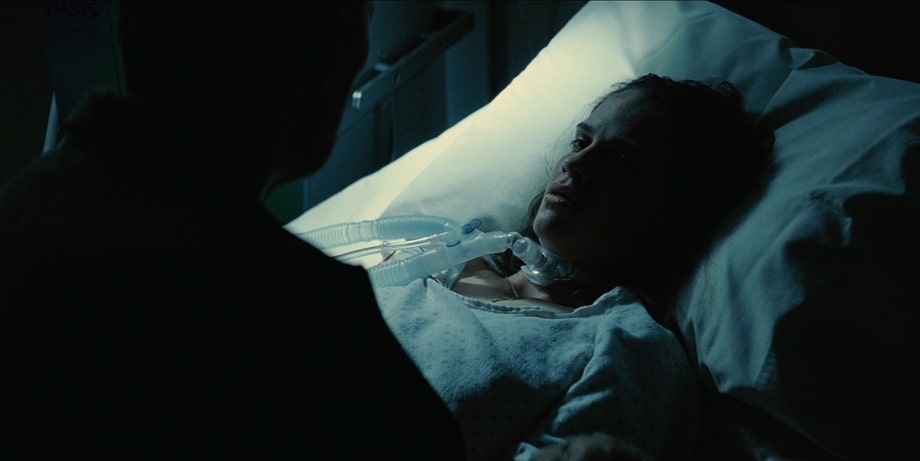
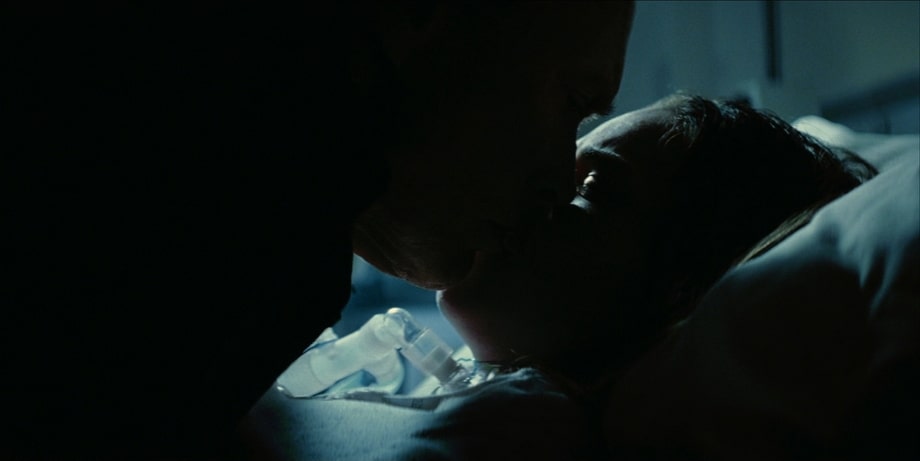
Instead of becoming a champion-maker as a boxing coach, Frankie Dunn takes care of a woman with a broken spine, and he blames himself for all this. He failed to protect his new daughter, which of course is only a partial truth, and Maggie herself relieves Frankie from blame. He tells her that everything will be alright, but after the amputation of Maggie’s leg, she asks her father to help her end her life. With all the sadness and frustration of the situation, only a truly loving man could fulfill such a task. In this vein, Frankie’s decision to perform euthanasia shows his deep love for Maggie. Only a father who recognized the relationship could take such a step, only a very loving person who was not afraid to take responsibility for his daughter’s fate. That doesn’t mean he won’t punish himself for what happened to her. In the end, Frankie did not go back to his gym, and most likely he abandoned boxing once and for all, and maybe bought that road cafeteria in the heartlands. Success and happiness for Frankie were to thrive as a daughter, and the price for this was losing her.
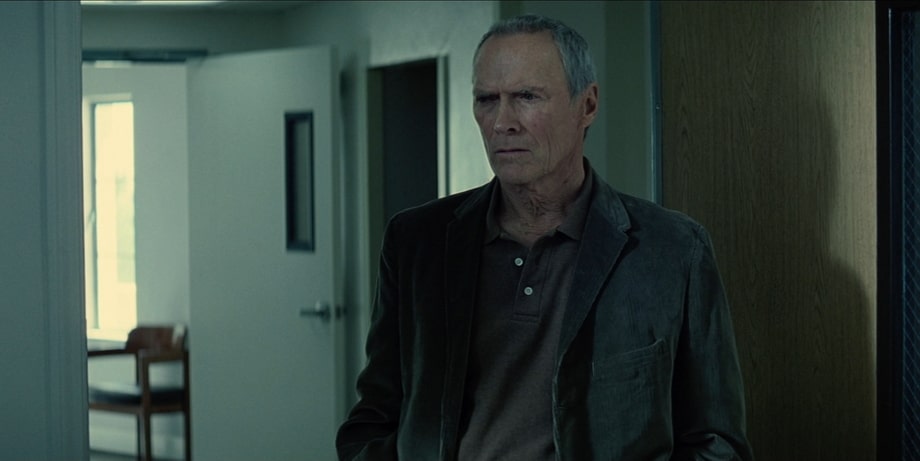
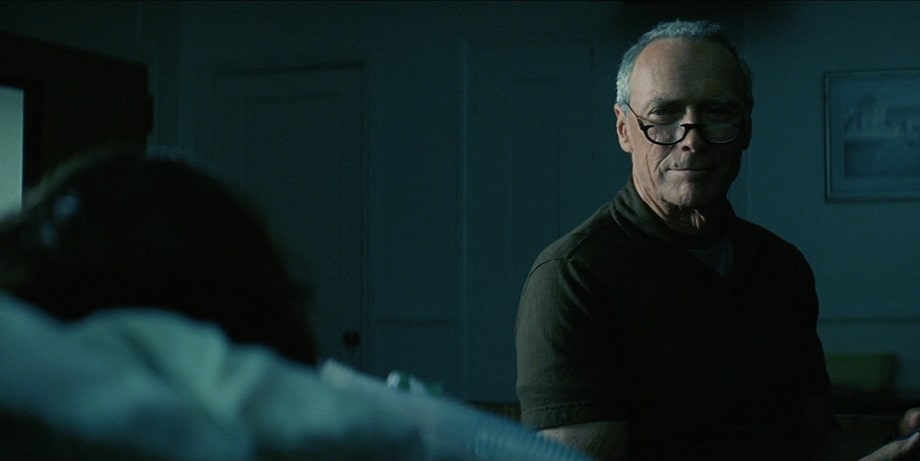
Getting back to Dangerous, his story doesn’t end in the way the audience may have anticipated in the beginning. He failed to fight back against the bullying guy from the gym and was even badly hurt, happily avoiding losing an eye. He did not transform into a world champion, and it may seem he stayed where he had been all the same: at the bottom of the local neighborhood. The truth is, just like Maggie, Dillard gained respect from Eddie Dupris and a kind of self-respect. He lost his amateur fight, but anyone can lose, and there is no shame in it. He probably did his best considering the lack of boxing experience and the lack of Franki’s ‘always protect yourself’ mentorship. Dangerous’ real gain at the end of the story is Scrap’s involvement and appreciation. The latter encouraged the boy that he had been like a rock and should keep training. Because Anthony Mackie’s character is probably gone from the gymnasium and Frankie probably never shows up again, the two—Dillard and Dupris have much more time now for a kind of parental relationship. On the other side of the coin, Shawrelle Berry lacked a father figure but was too jumped up to respect an old cleaner. Once again, we see that Million Dollar Baby is about parent-child relations rather than boxing.
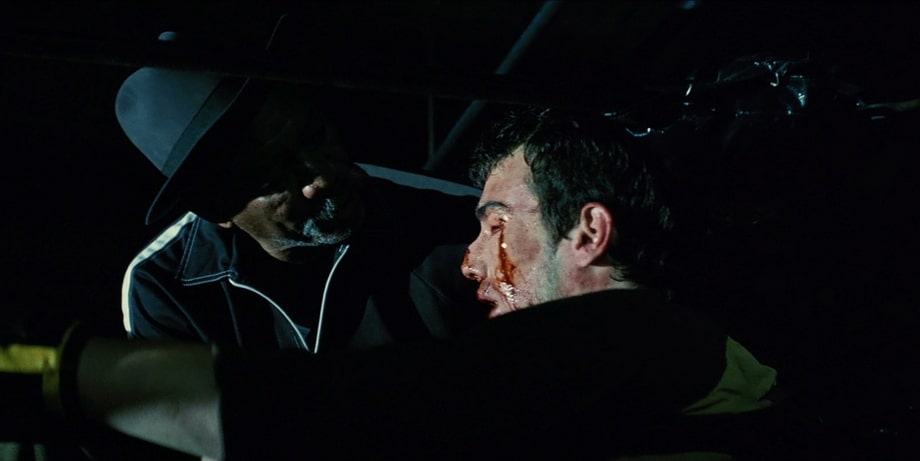
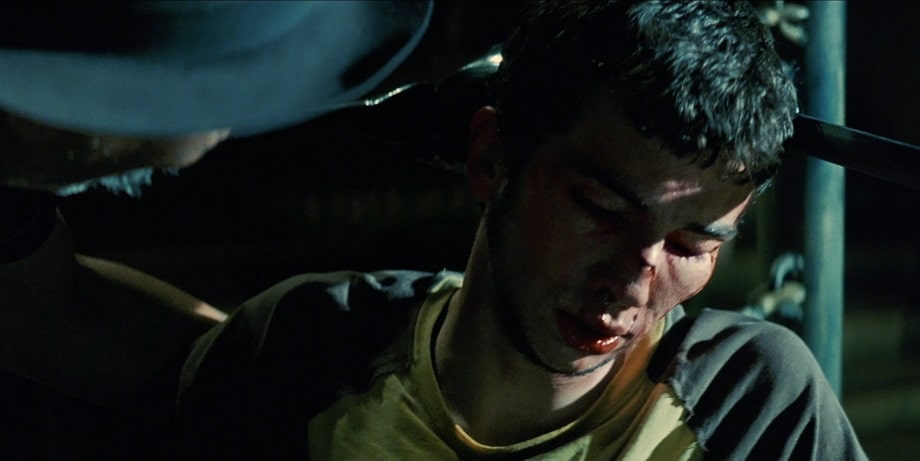
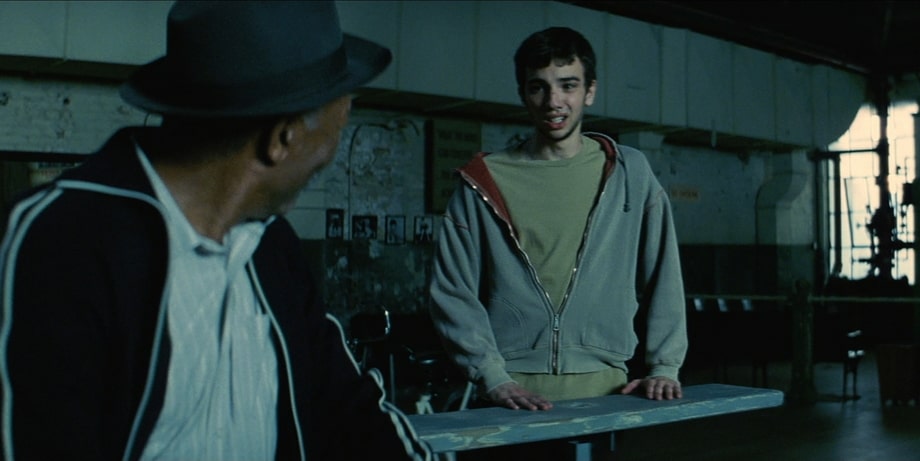
As I have already stated above in a separate section devoted to Eddie Dupris, his influence on all key events in the story is undeniable. Along with that, he changes a little throughout the movie and serves more as an inner voice for the other characters. Toward the end of the story, he finally relieves Frankie Dunn of a pang of guilt for Dupris’ lost eye, as Frankie now faces an even more grim perspective of performing euthanasia on Maggie. Eddie justifies his lost eye with the chance to fight for the title, to become something significant. While Frankie met his new daughter (to lose her in the end), Eddie’s triumph is more trivial, of course. Toward the end of the story, Eddie is equally depressed by Maggie’s drama, though he does not spend as much time in the hospital as Frankie does. Maggie’s pursuit of her dream, her stubbornness, and her ability to hide her pain and failures inside finally push Scrap to fight his 110th fight against the local troublemaker. In the end, he takes on the role of a kind of father figure for Dillard the Dangerous.
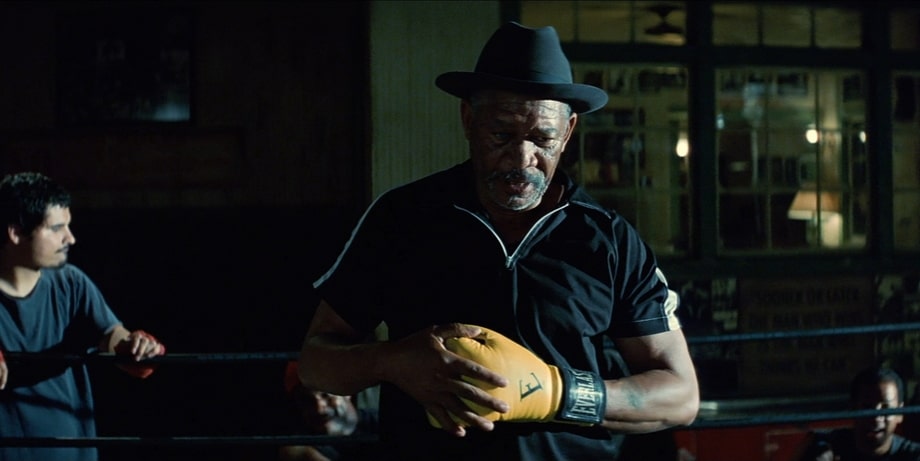
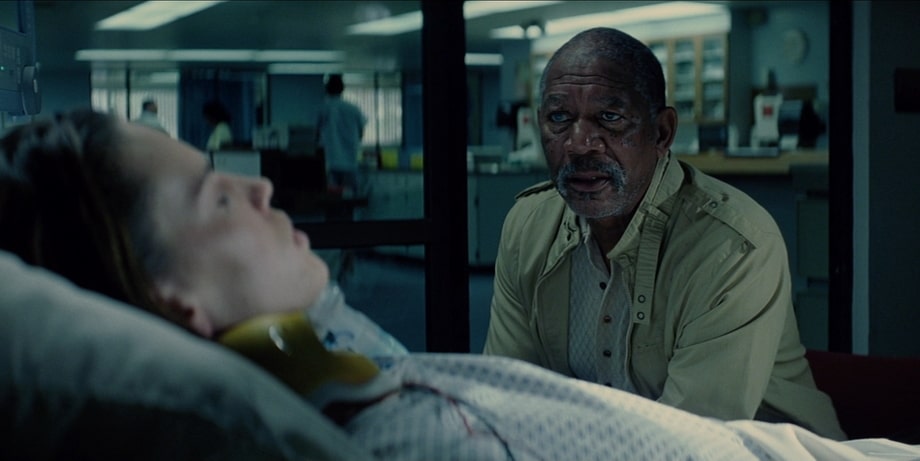
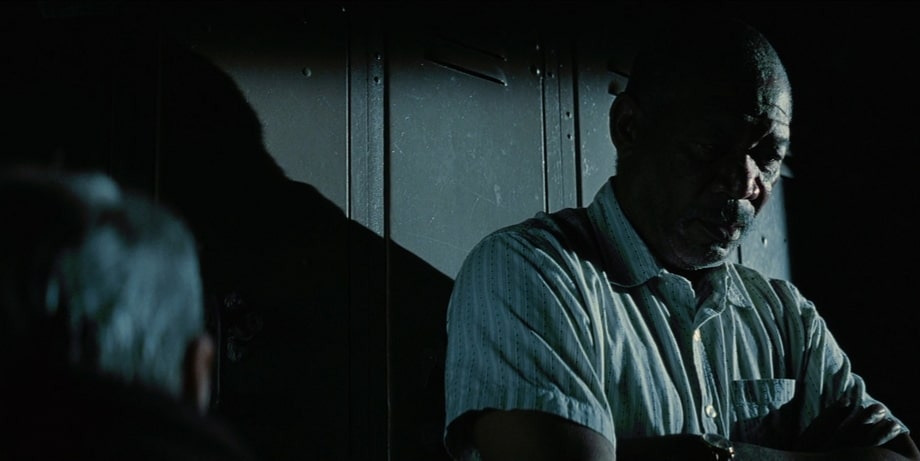
Not to repeat myself about Maggie’s dream, let’s discuss her end of the story. Like Dangerous, she was left with no options but to face a morally bankrupt, backstabbing opponent in the ring. “The Blue Bear” appeared to be a dirty fighter who would do anything to dominate and win the fight, even at the expense of her opponent’s health. The movie does not make much of a surprise by this fact, and Maggie was aware of the risks. “The Blue Bear” hits Maggie after the bell, which leads to the latter’s broken spine. While Anthony Mackie’s character got what he deserved: humiliation from an old cleaner, the movie does not show any redemption for Maggie’s rival. On the other hand, on her rise to being a contender, Maggie herself ruthlessly knocked out most of her opponents in the first round, and as late as the fight before the one for the title, she asked Frankie about the state of the health of her defeated antagonist. Frankie stopped Maggie from thinking too much about the harm she may cause to other girls, and it is safe to assume that “The Blue Bear” did not care much about Maggie either. In contrast to many other sports dramas, Million Dollar Baby admits that the high injury rate is a norm in boxing, and there is no triumph of justice in the Fitzgerald/Blue Bear story.
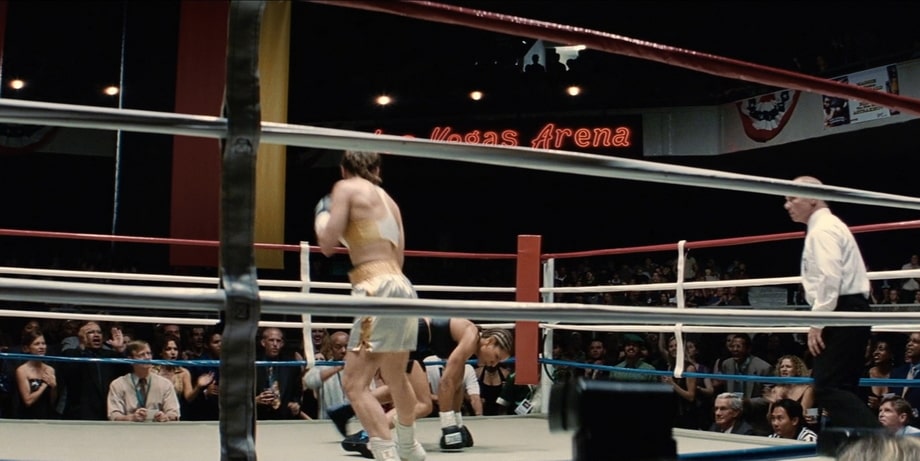
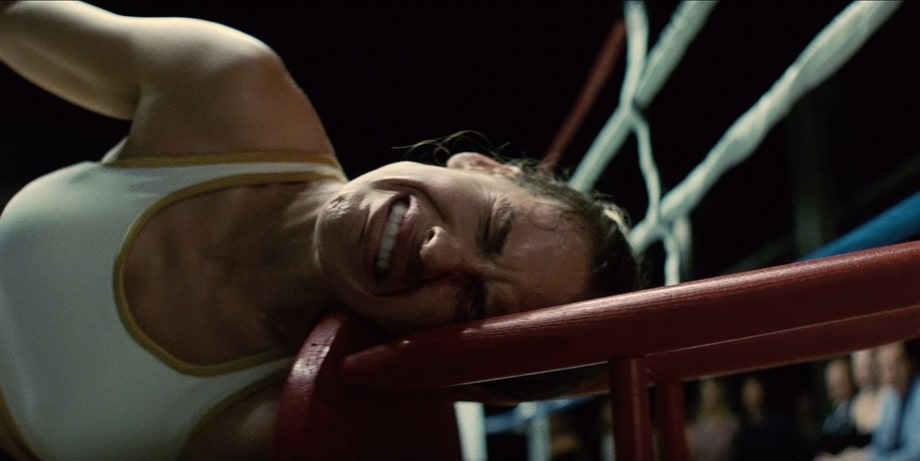
While in the end, Maggie’s spine and life are broken, she gains her triumphs even at such a high cost. She got respect from millions of people, who used to scream her name during the fights, though we see no one visit her in the hospital among the fans. She gained a sense of self-respect, leaving the role of a poor cafeteria girl and chasing her dream of taking the journey itself as a reward. Yes, she had a shabby background, but her iron will, her respect toward other people, her perseverance in training, and her taking pain gave her the respect she had craved for years. She appeared to be a superior boxer to ‘The Blue Bear,’ and in a perfect world, Maggie Fitzgerald should have gotten her champion title. She was one step from it, but Million Dollar Baby is not a fairy tale story. We can even further suggest that Maggie could reject a fight with this rival, end her career at thirty-three, and live a long and prosperous life with money, respect, and a new father. But such a version of the events was never on her agenda. It does not mean she was ready to die for her dream, but she just moved forward.
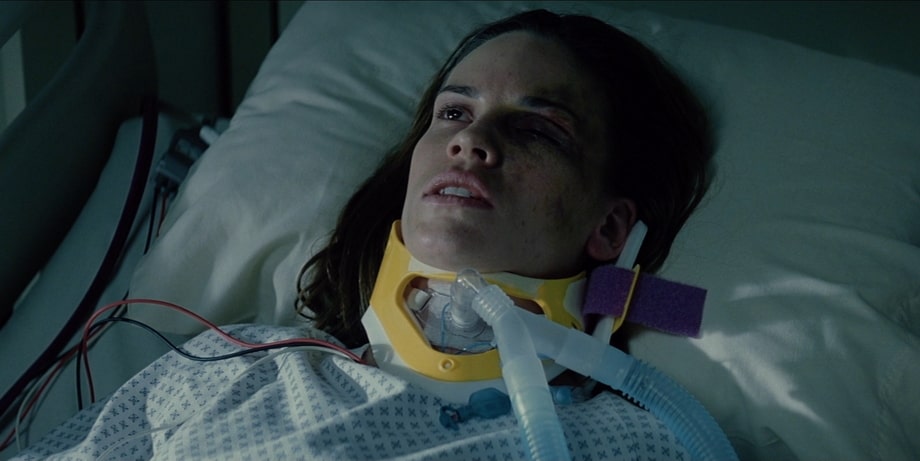
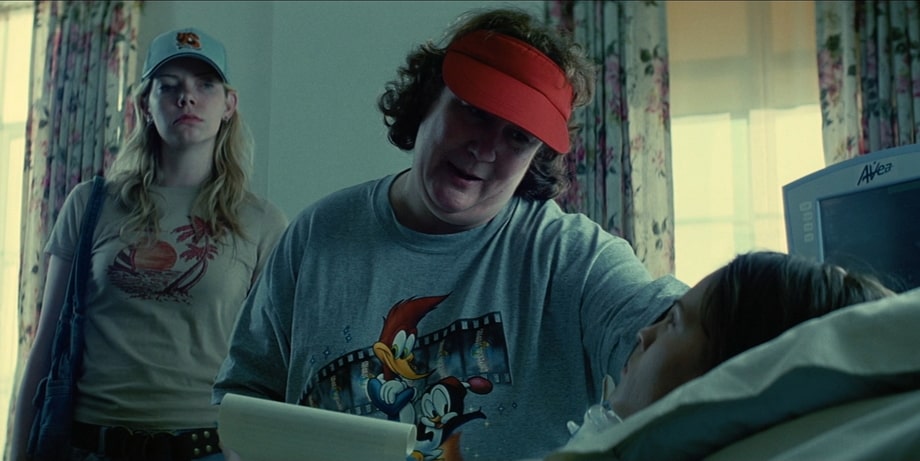
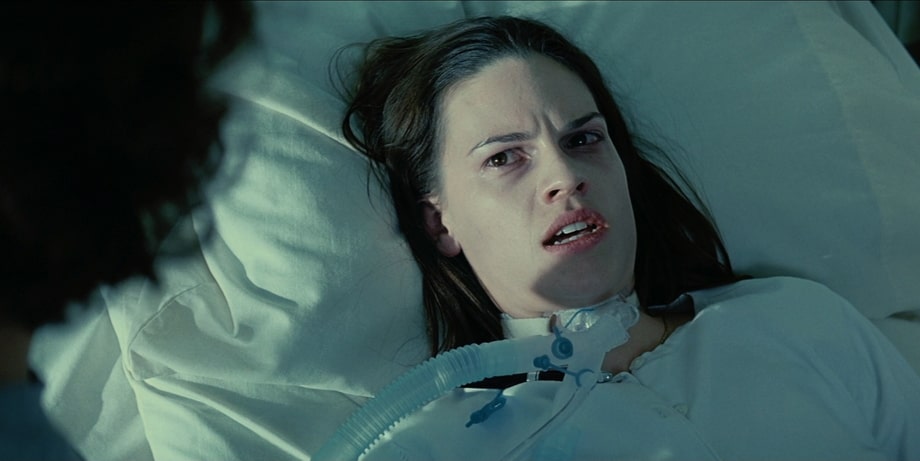
The story takes an unexpected turn and leads to a tragedy that forces Maggie and Frankie to experience the true meaning of love and a destiny that brings redemption in a rather strange way. The second part of the movie is about how to accept defeat and face death with dignity after an accidental injury to an athlete ends her promising career. Maggie finally freed herself from her egoistic mother and her pathetic family, leaving them without her money. She was the only person in that ‘group of people’, not to say family, who had a heart, while the others had neither a stomach to do something with their lives nor souls to treat other people, respectively. Maggie gained a new father in her life, and that is her most precious gain, despite an early end. In other circumstances and without boxing, she would never have met Frankie Dunn. She went on fighting to escape from reality and the pain of lacking a dad, and this sport brought her to Frankie. She asked her new father not to let her forget what person she had become, and probably she did not want him to spend years next to her bed. Her life was short, and the brightest period of it lasted only about a year, but because of Frankie, Maggie experienced truly happy months and lived fully; she gained and gave love.
Read me
All 20 Before Sunrise filming locations, a famous romance movie by Richard Linklater, with Jesse (Ethan Hawke) and Celine (Julia Delpy) walking across Vienna

Read me
A walking cinematic tour across all main sites where ‘Midnight in Paris’ by Woody Allen was filmed. The spiritual heart of France in cinematic perception of Midnight in Paris filming locations

Read me
Pirates of Silicon Valley has become famous as the Steve Jobs and Bill Gates movie, which tells the story of two profound visionaries of the digital era.
Read me
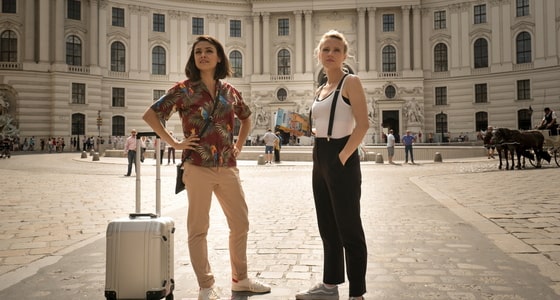
Despite the story taking us to Vienna, Berlin, Paris, Amsterdam, and Prague, most of the European sequences were filmed in Budapest and I invite you to search for The Spy Who Dumped Me filming locations

Read me
Charles Morse from The Edge movie grants us one of the most sophisticated and intelligent characters in movie history, and his power of doing is worth the Edge character analysis
Read me
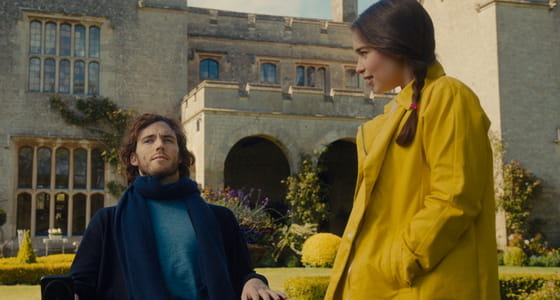
The relationship between Will Traynor and Lou Clark in both Jojo Moyes’ book and a film adaptation may serve a source of inspiration and kindness worth our attention