


 4,00
4,00
Read me
Quantum Leap characters analysis
Three decades after finale of Quantum Leap, Sam Beckett, and Al still own a part of our hearts and have lessons to teach us
MOVIE EXPLAINED

Back in 2019 I was fortunate enough to visit Southern Spain and the locations of Indiana Jones and the last Crusade near the city of Almeria
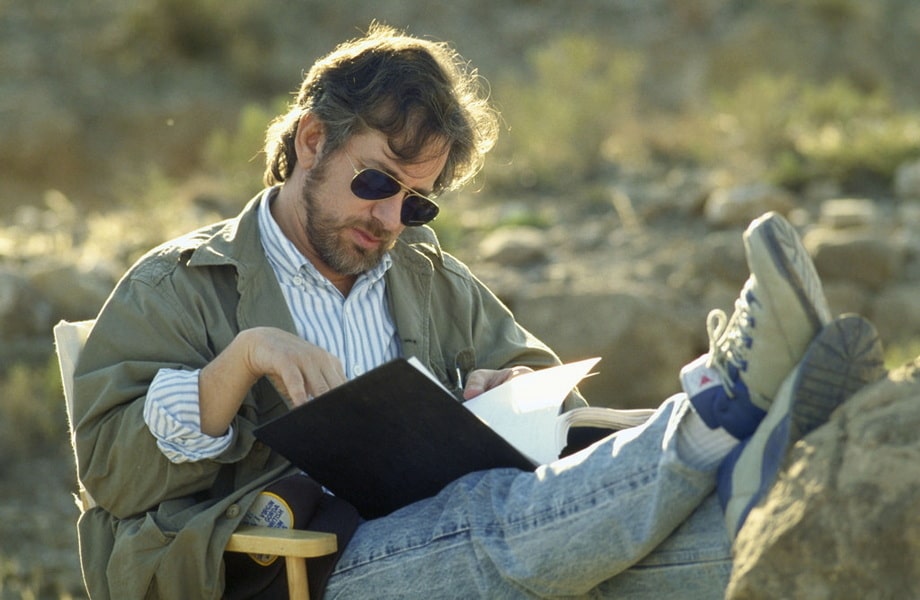
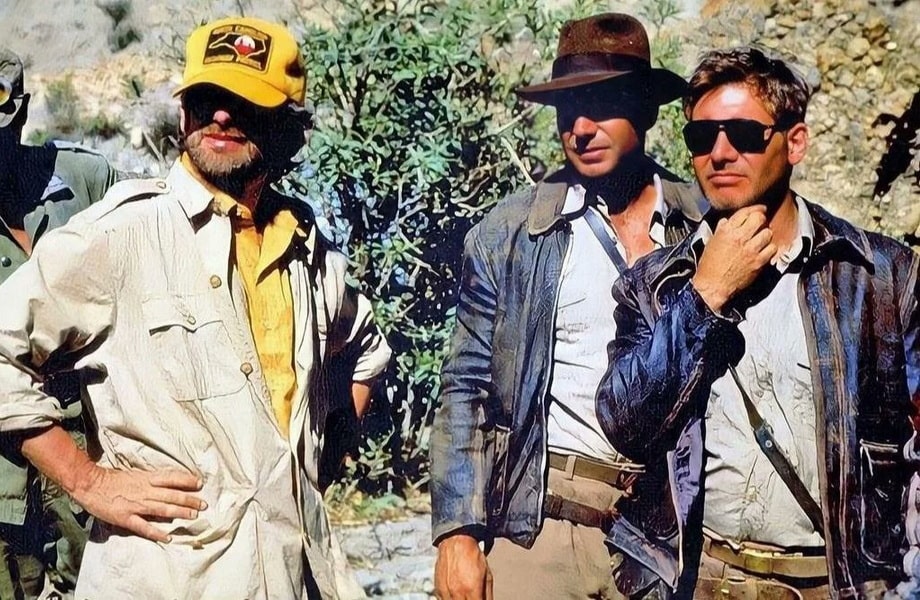
Indiana Jones and the Last Crusade was a special occasion of return both for Steven Spielberg and George Lucas, Harrison Ford as a leading star, and the well-tuned filming crew. Dubious feedback for the ‘Temple of Doom’, which did not look like a family movie to watch with kids, envisaged a more adventurous atmosphere for the third installment. Similar to the previous movie, when he came forward with assistance to a local Indian tribe, in ‘Last Crusade,’ Indy sets his father higher than ‘fortune and glory’ and accepts a mission to find the Grail, only finding out that this may lead him to the missing Henry Jones Senior. Both Spielberg and Lucas enjoyed their return to the third movie, and most of the interior sequences were filmed at the Elstree Studios in Hertfordshire, England. Back in 1977, George Lucas saved the studio by making his ‘Star Wars’ in England. Later on, Lucas failed to purchase it ,and Spielberg had to make an appearance in the British parliament for the preservation of the ‘Estree’. Finally, the production of ‘The Last Crusade’ saved three pavilions, which are still used nowadays.
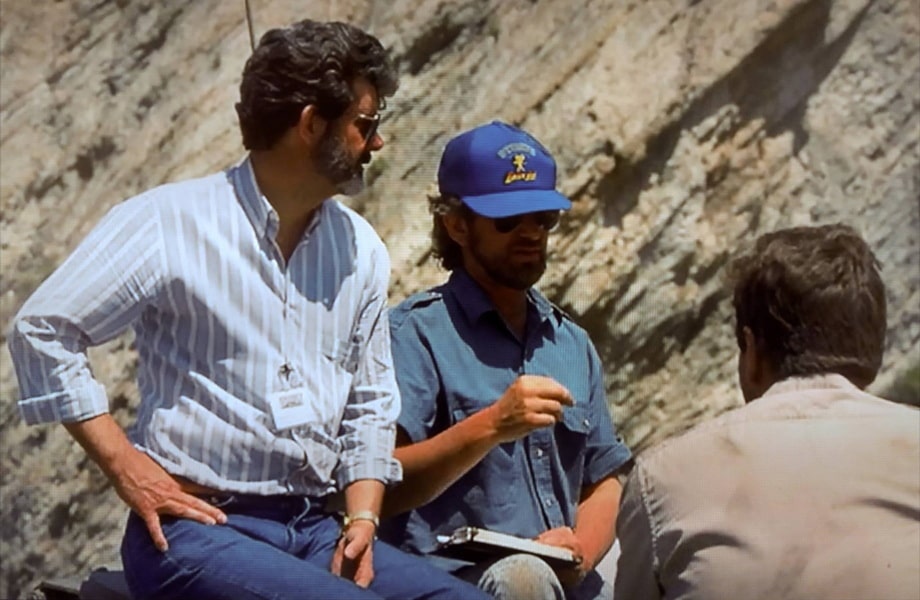
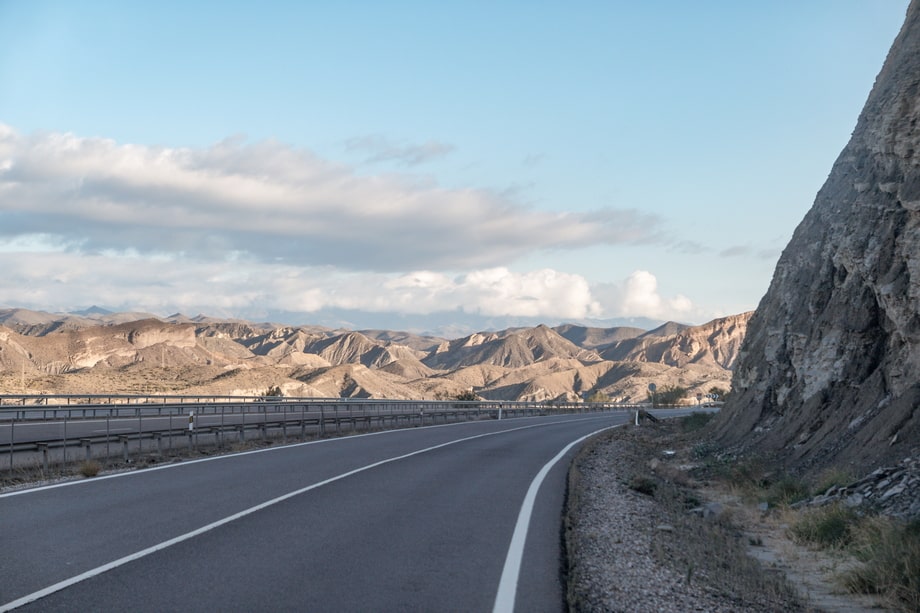
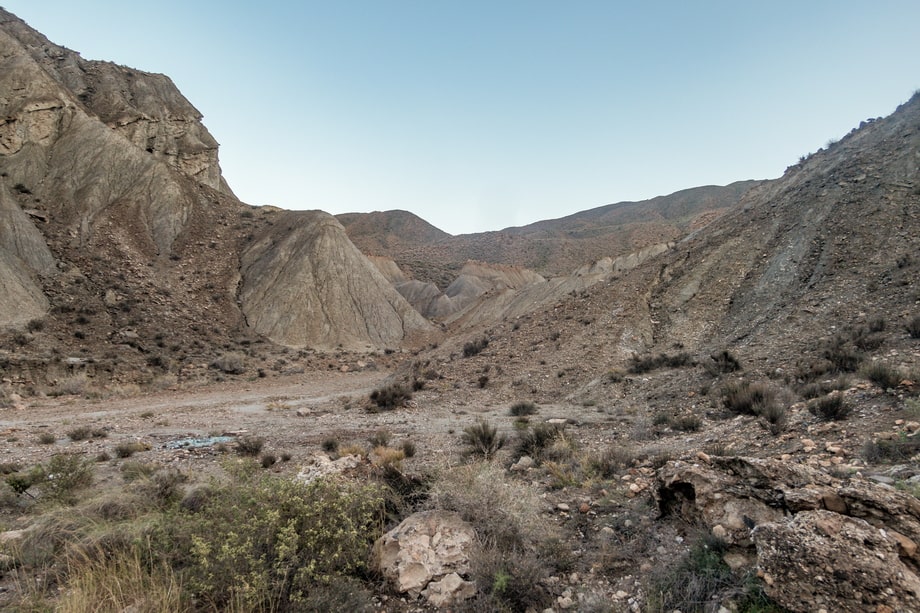
The sets at the ‘Elstree Studios’ were only a part of the ambitious plans for the third movie, and similar to the first two parts and to the James Bond series, Indiana Jones could not do his craft without extensive journeys. A substantial budget of $36 million allowed Spielberg and Lucas to find appropriate locations in Great Britain, Italy, Austria, Germany, the United States, and Spain. While Venice played itself, the port of London helped it, England stayed for Germany, Spain, and Petra in Jordan was fated to depict the Turkish lands, historically known as the Republic of Hatay. Steven Spielberg is a passionate movie fan, and he was well aware of the fact that Sergio Leone and David Lean favored the Tabernas desert in the South of Spain for their iconic movie in the 1960s. Back in 1983, Spielberg was excited to shoot his ‘Temple of Doom’ next to the locations of ‘The Bridge Over the River Kwai’ in Sri Lanka, and in 198,8 to work near Almeria, where Lean had worked at ‘Lawrence of Arabia’ and ‘Dr. Zhivago’. After reaching Spain in the spring of 1988, Spielberg and his confidants took a helicopter and picked the Indiana Jones Almeria locations. Vic Armstrong, an iconic stuntman, was among those raiders of the helicopter and praised Spilberg’s involvement in the pre-production process weeks before the start of the primary shooting.
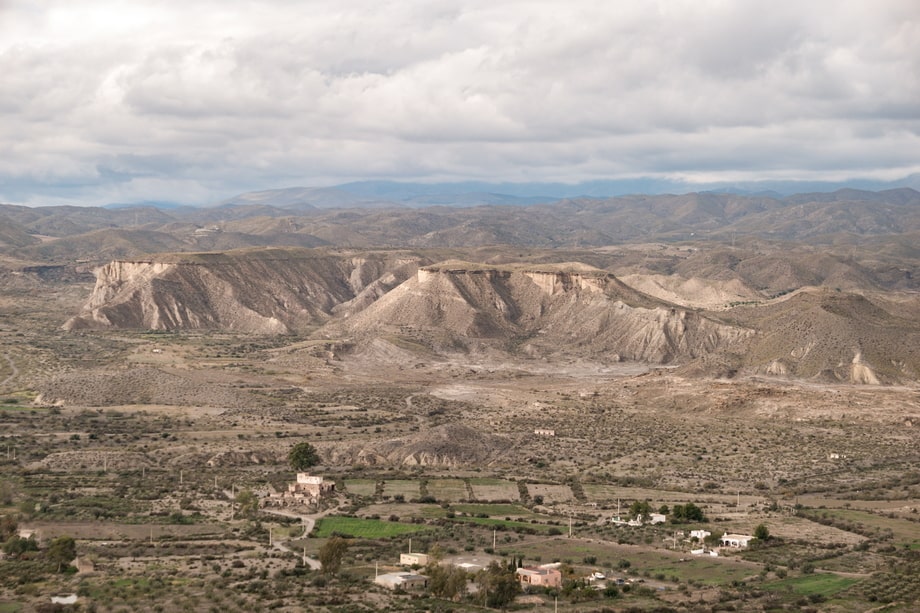
While Steven Spielberg was a newcomer to the Tabernas Desert, Sean Connery had a strong experience making movies in the region. Back in 1964, he participated in Sidney Lumet’s ‘The Hill,’ and Tabernas Desert stood for North Africa, a stage of the drama with British POWs in a brutal German camp. During that shooting, Connery spent three months going back and forth to Almeria. The filming crew cleared the area of 400*150 meters in the sandy wasteland in the Cabo de Gata natural park (in the ‘Last Crusade,’ the father and son hit the German aircraft on the beach not far from the 1964 location). Leveling dunes five meters high was only the beginning. During the shooting, ‘The Hill’ crew and Connery in particular had to work in temperatures never lower than 40°C during the day, backed by 7500 liters of drinking water. Sean Connery was among the few actors who avoided dysentery during the five weeks of outdoor shooting in the desert. He got back to Tabernas again in 1968 for ‘Shalako’, a story about New Mexico in the 1880s; at that time, a strike in Mexico forced the creators to move to a sandy Almeria. In 1975, Connery played in ‘The Wind and the Lion’, a movie by John Milius, and at that time, the Almeria region played Morocco.
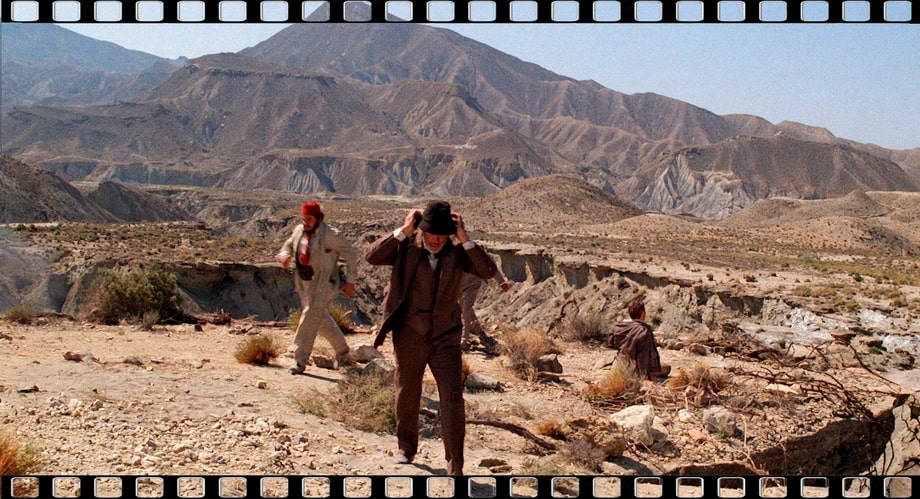
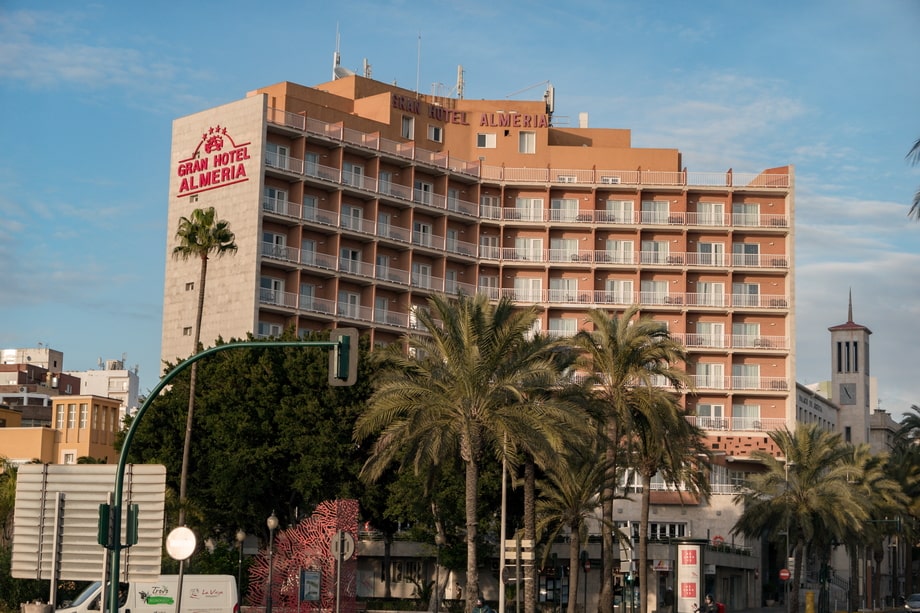
In 1988, the team of The Last Crusade numbered 180 people, heterogeneously composed of specialists from the United States, the UK, and Spain itself. While staying in the city of Almeria, they accommodated three hotels: Gran Hotel de Almería in the heart of the city next to the beach, Hotel Playadulce to the West of the city in Aguadulce, and Hotel La Parra between the two. Spielberg rented a villa for the period of shooting in Aguadulce. The filming crew used locations not only in the city of Almeria and the Tabernas desert but also throughout the area. For example, the above-mentioned Cabo de Gata provided landscapes for a sequence when a German plane attacked Jones’ car. The beach where Professor Henry Jones made birds strike the aircraft is Monsul Beach. A local abandoned gold mine played in the tunnel, where the car is fatally followed by a plane. An old airfield at El Cortijo Grande, 40 km North of Cabo de Gata, was used for the scene of Jones’ landing. A few know that a crossroad where the father and son stop their motorcycle to decide whether to go was also shot in Spain in the Sierra de la Alfaguara, 100 km northwest of the city of Almeria.
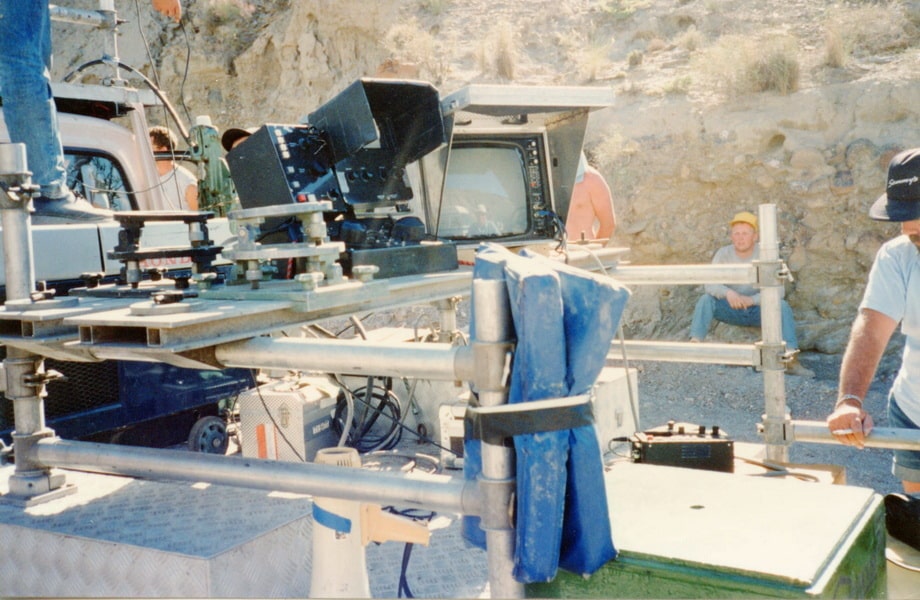
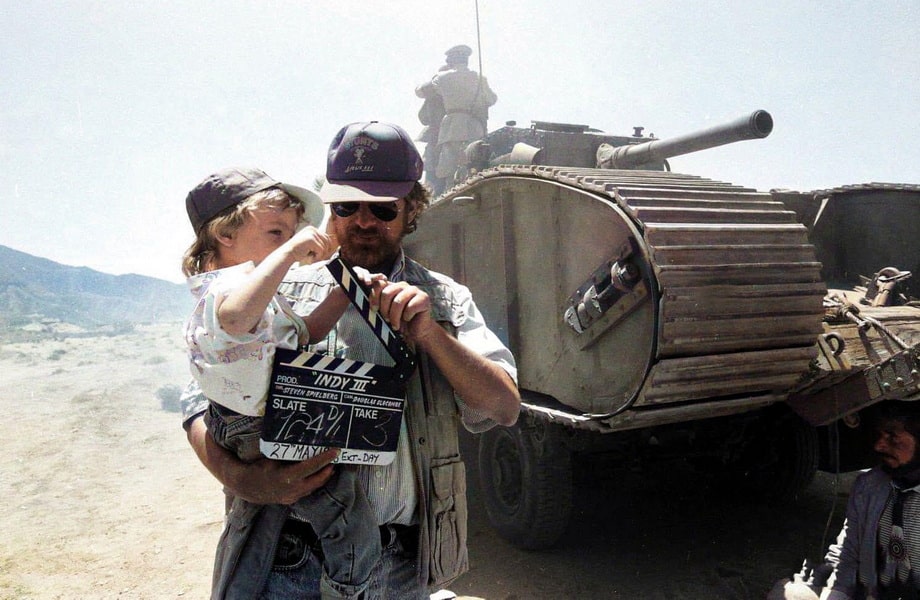
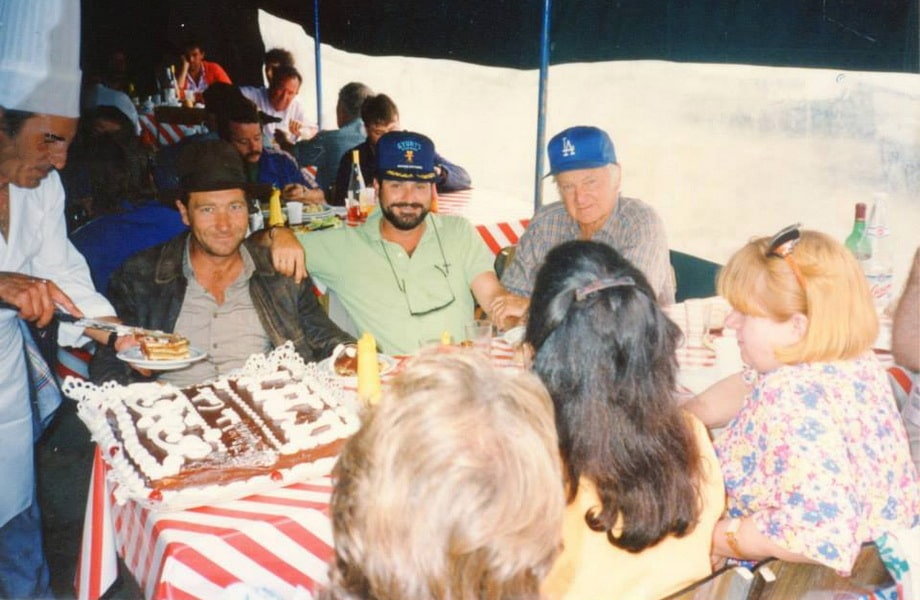
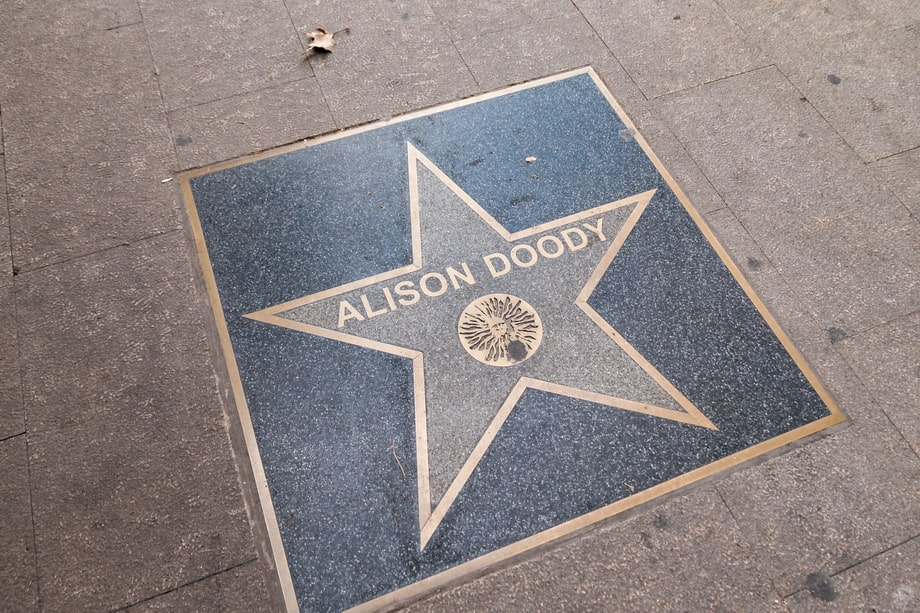
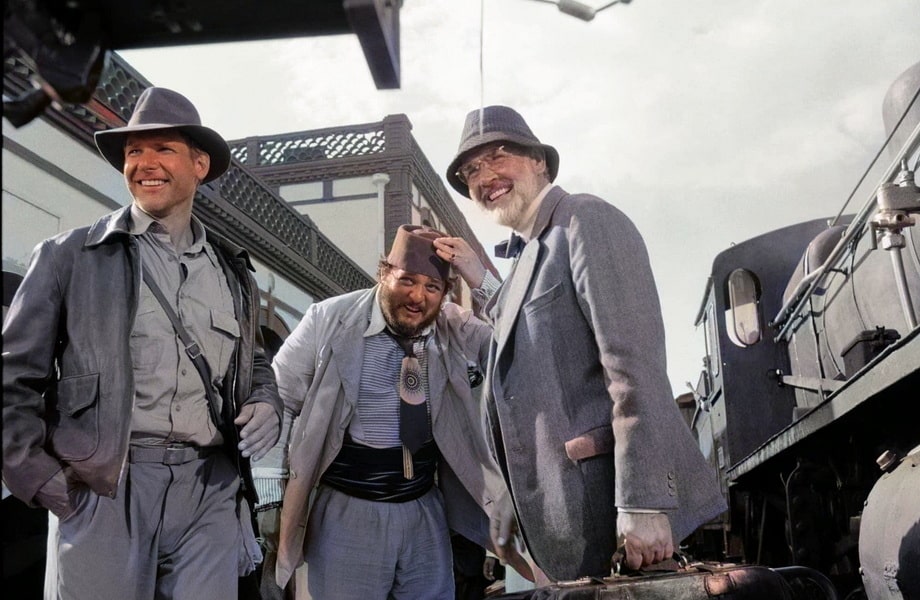
Southern Spain provided not only picturesque views of rocks, valleys, and beaches but also served as several important town/city exteriors. Followed by discovering a marker in the catacombs beneath Venice streets, Indiana Jones and Marcus Brody find out the name of the city, a starting point to seek the Grail: Alexandretta. The name is not an invention of the movie, as Alexandretta was founded by Alexander the Great (thus bearing his name) in the 4th century B.C. and played its role in the Crusades. The name Iskenderun was adopted in the 13th century and its root ‘Iskender’ is the Arabic translation of Alexander the Great. In 1938, at the time of the ‘Last Crusade’ story, the city was indeed a part of a short-lived Republic of Hatay, today a part of Turkey near the border with Syria. Indie sends Markus to meet with Sallah in Iskenderun while he and Elsa Schneider go to the Austrian-German border to save Henry Jones Senior. A scene with Markus, artfully performed by Denholm Elliott, is one of the most entertaining in the whole Indiana Jones series. After feeling lost in the train station, Markus meets Sallah but a few moments later he is kidnapped by the Nazis.
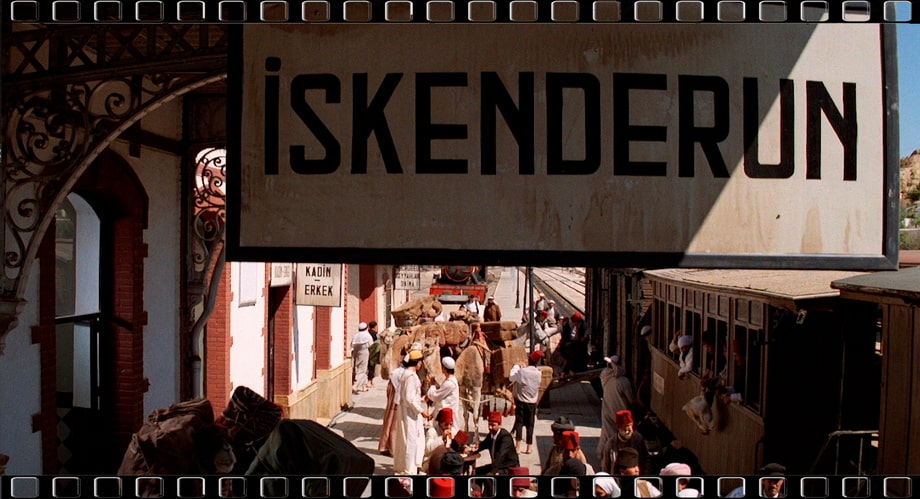
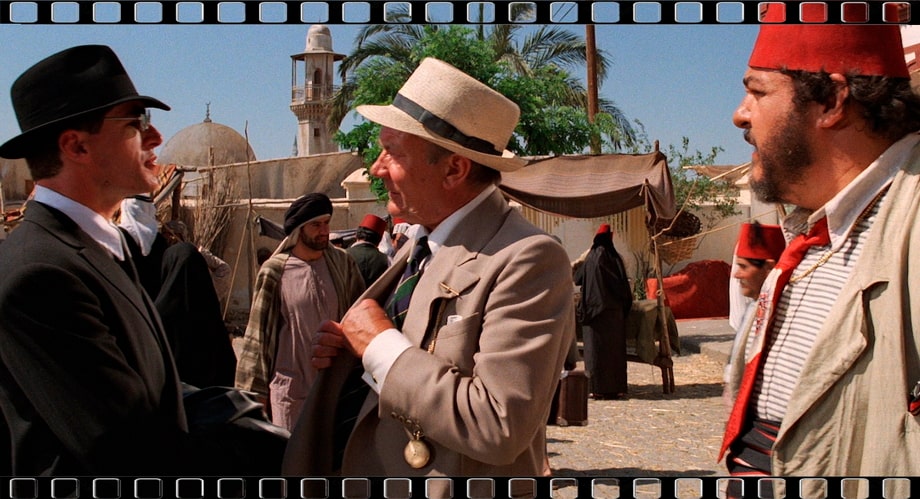
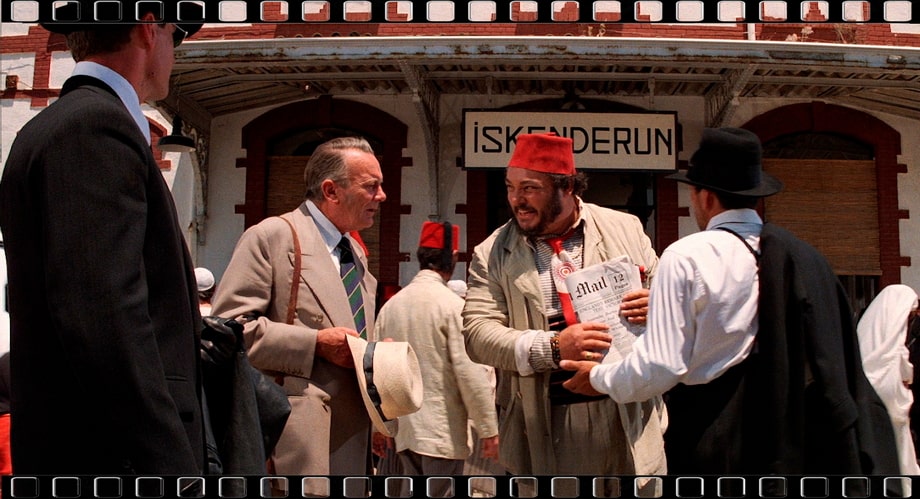
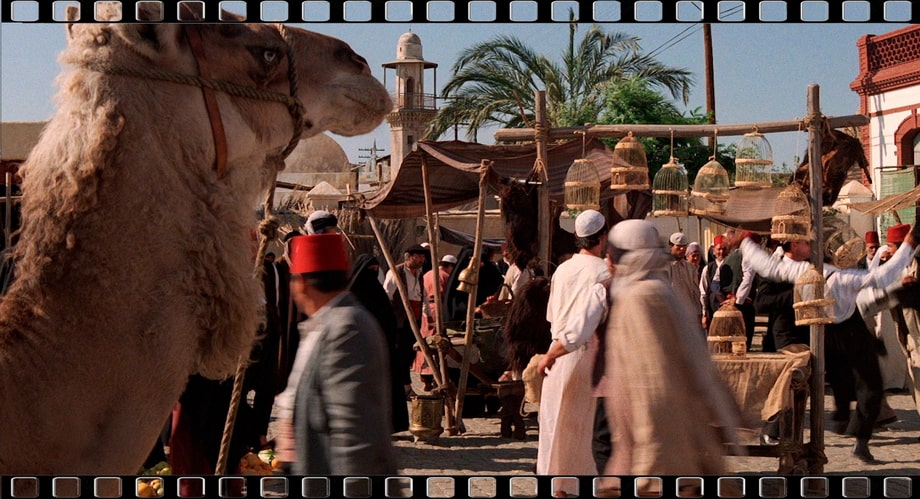
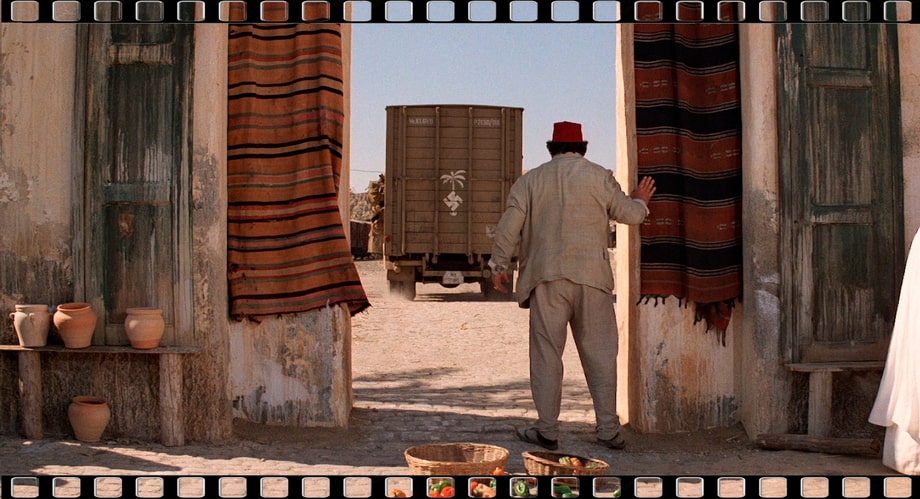
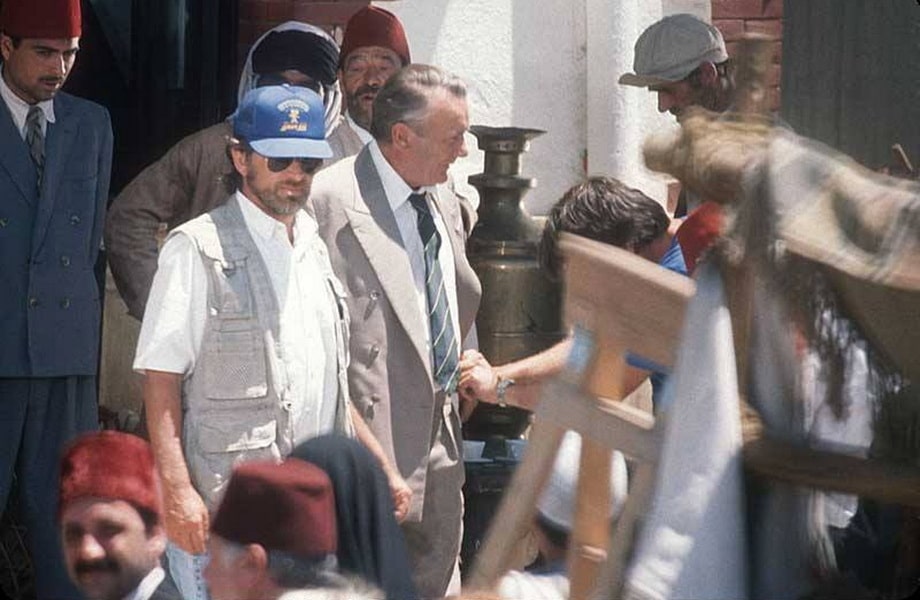
The filming crew chose the small town of Guadix, a small town in the province of Granada with a population of around 20,000 people, to stand for the train station of Iskenderun. The town was founded as a colony back in the times of the Roman Empire and, in the 20th century, became an important settlement in the region. Guadix is one of the most distant locations of the ‘Last Crusade’, regarding the city of Almeria as a starting point and place of residence for the crew. A logistical gap of 80 km did not bother Steven Spielberg much, as he wanted to work on the location, which had previously featured in David Lean’s ‘Dr. Zhivago. The filming crew came to the site in May 1988, and toward the start of the shooting in June, they transformed the station of Guadix into Iskenderun. The filmmakers even built a temporary mosque in the background to match the atmosphere of an Arabic country in the center of the Spanish wasteland. Nowadays, CGI would have served to create anything, and back in 1988, the props—a mosque, camels, a local market, locals wearing turbans, and women veiled in black—served to make us believe.
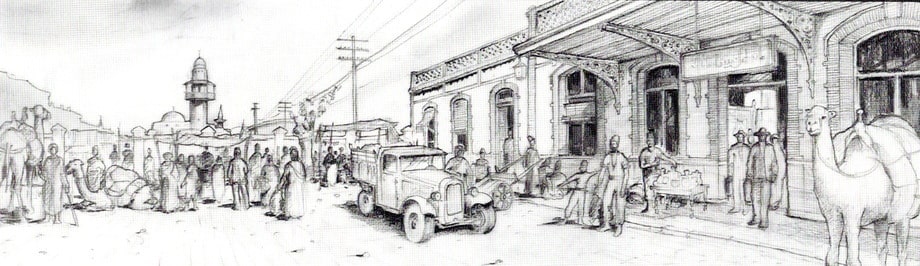
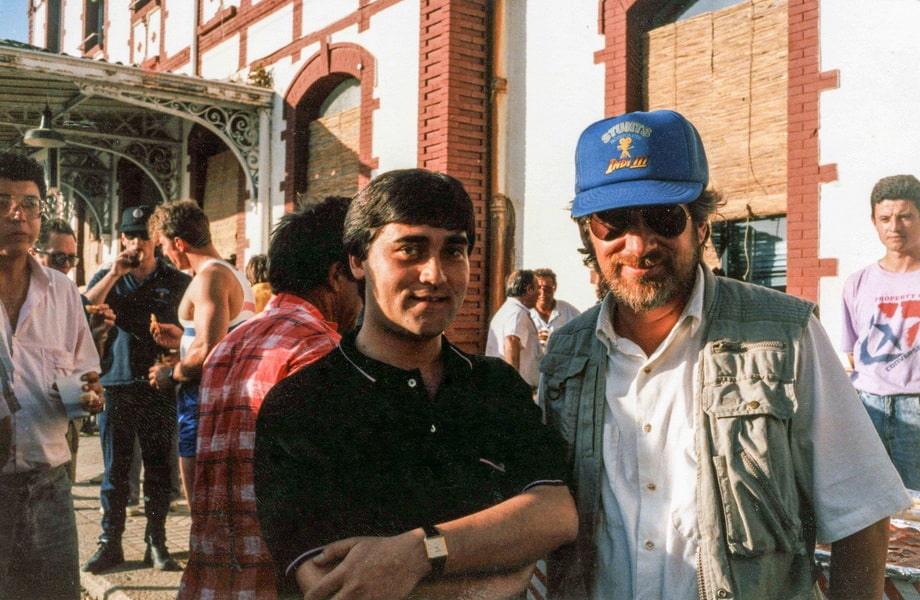
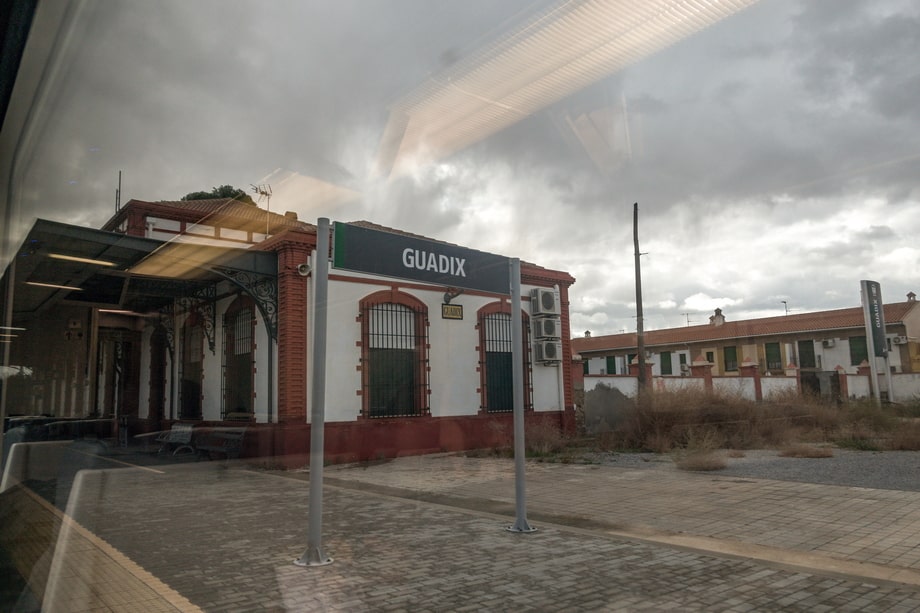
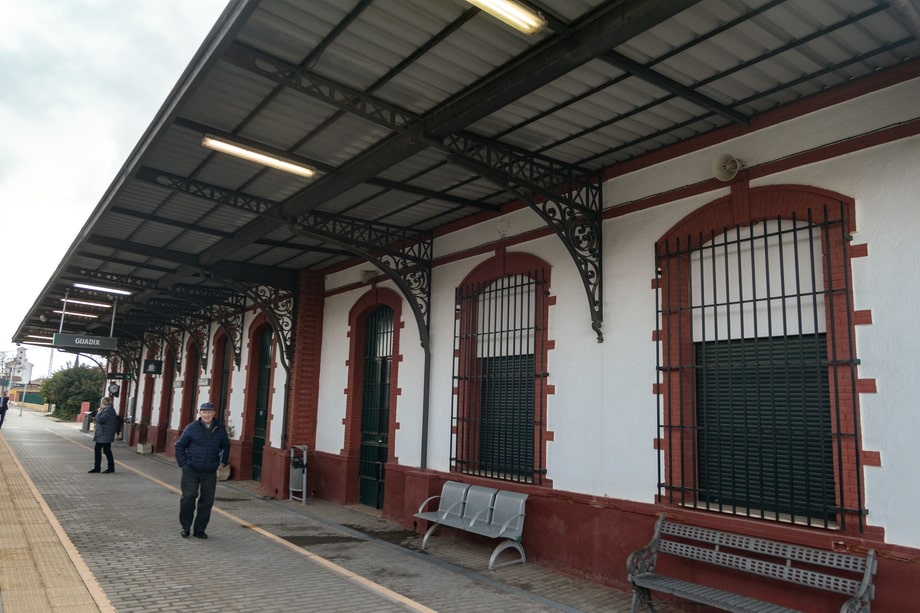
During my 2019 trip to Spain, I made a two-minute stop at Guadix on my way to Almeria by train and took several photos for my greatest delight. Nowadays, the station is something more than a casual railway spot. If you have more time, you may find the old locomotive used in Indiana Jones and the Last Crusade in a small museum nearby. In 2018, the town celebrated the 30th anniversary of the iconic movie, and the station was made to look like Iskenderun one more time.
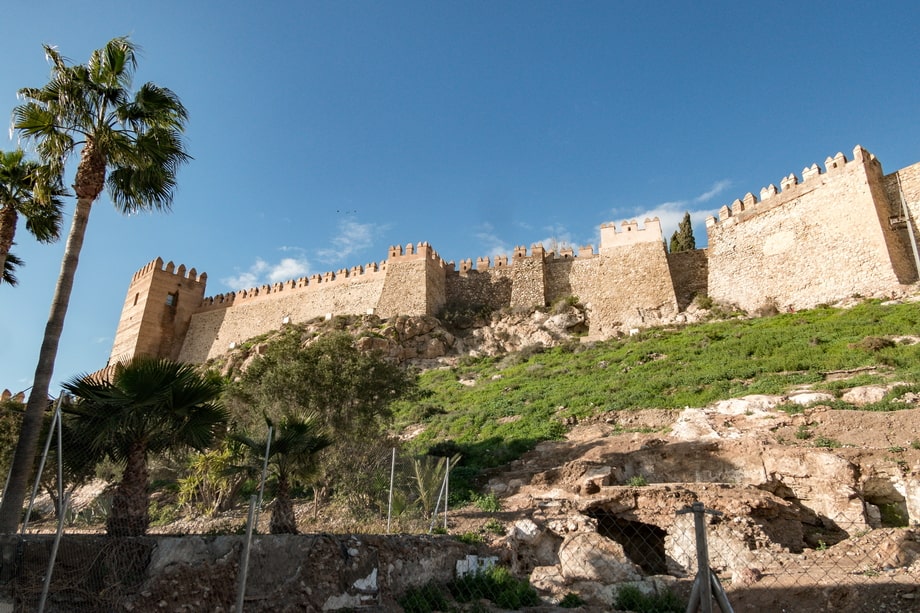
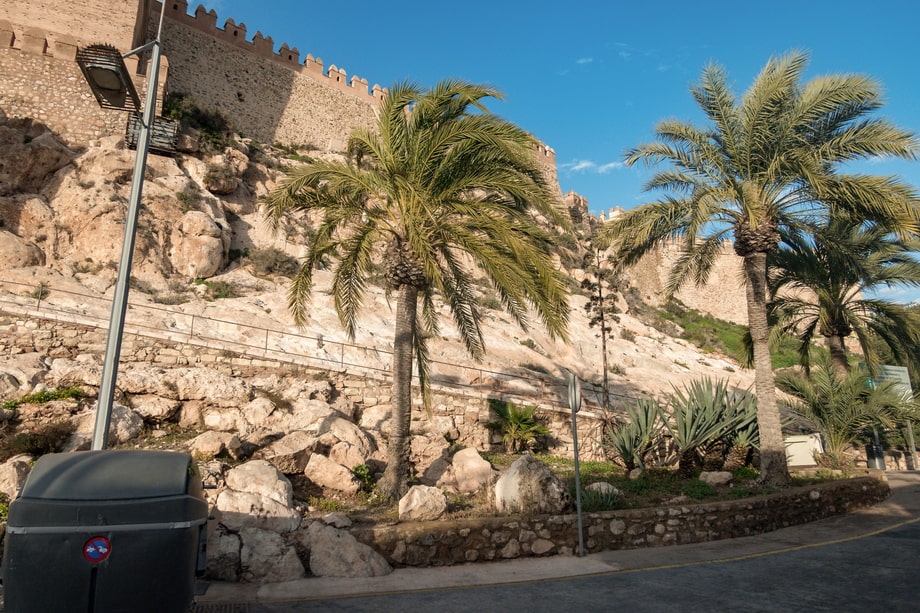
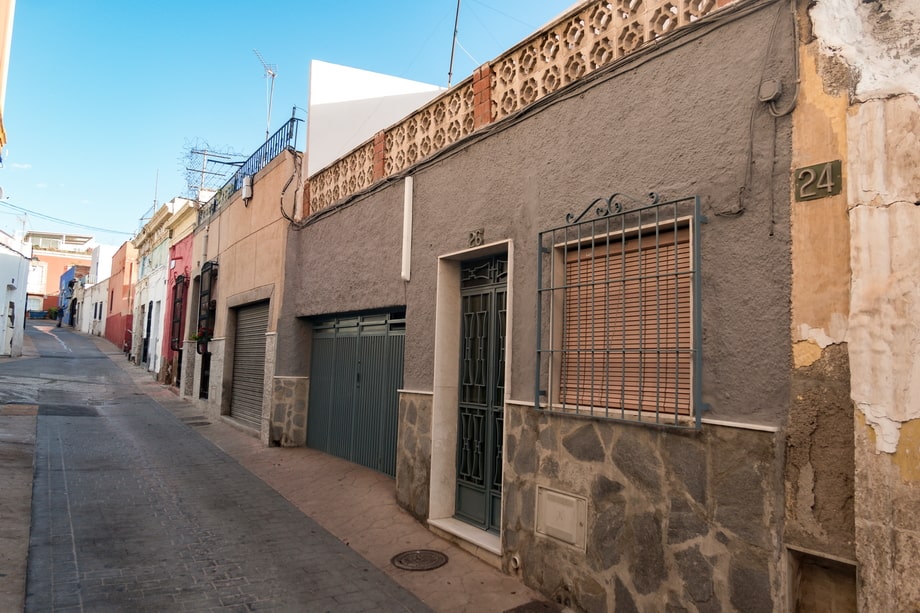
The city of Almeria provided the filming crew not only with hotels to accommodate for the period of shooting in 1988, but for several scenes as well. A few days after the vanishing of Markus Brody, Indiana Jones and his father, Henry Jones Senior, themselves reach Iskenderun. In a short sequence, we see Sallah and two Joneses in a car while driving across the streets of an ancient city. A narrow Arabian-like appearance gives little clue to the exact location until the walls of Alcazaba Castle or Fortress emerge on the screen. The scene was filmed on the street called Calle Almanzor, which runs beneath the walls of the old fortress. La Alcazaba in Almeria is the largest fortified castle of such kind ever built by the Muslims. It was built as far back as the X century and enlarged through the centuries. The Last Crusade was not the only or last appearance of the castle in a Hollywood movie. In 1982, she appeared in ‘Conan the Barbarian’ with Arnold Schwarzenegger, in 1983 in ‘Never Say Never Again’, another James Bond movie with Sean Connery and his return to the Almeria area, and in 2020 in Wonder Woman 1984.
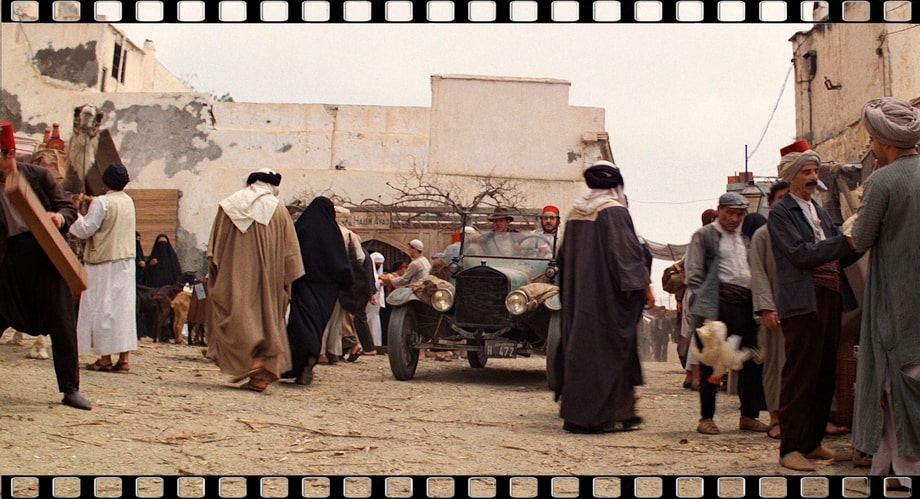
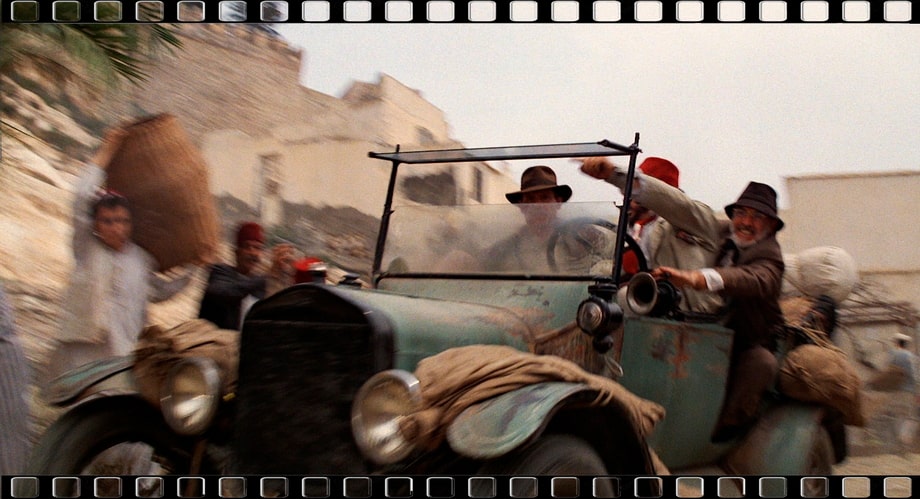
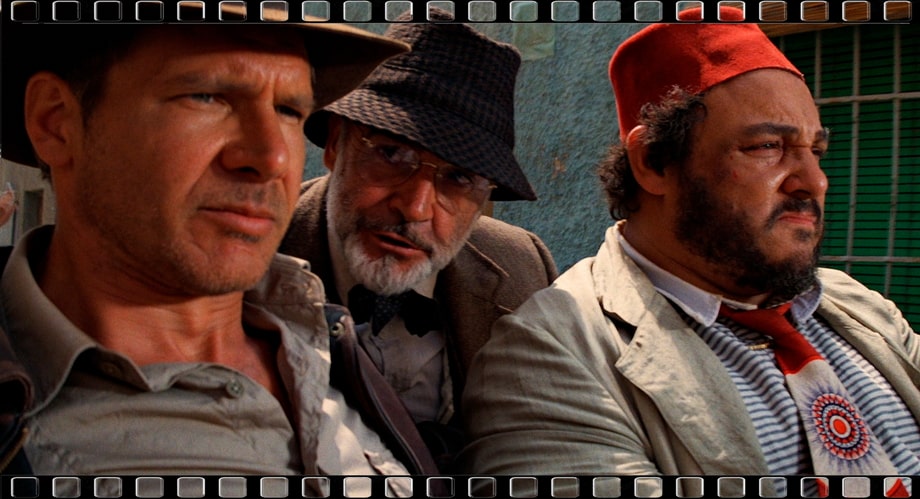
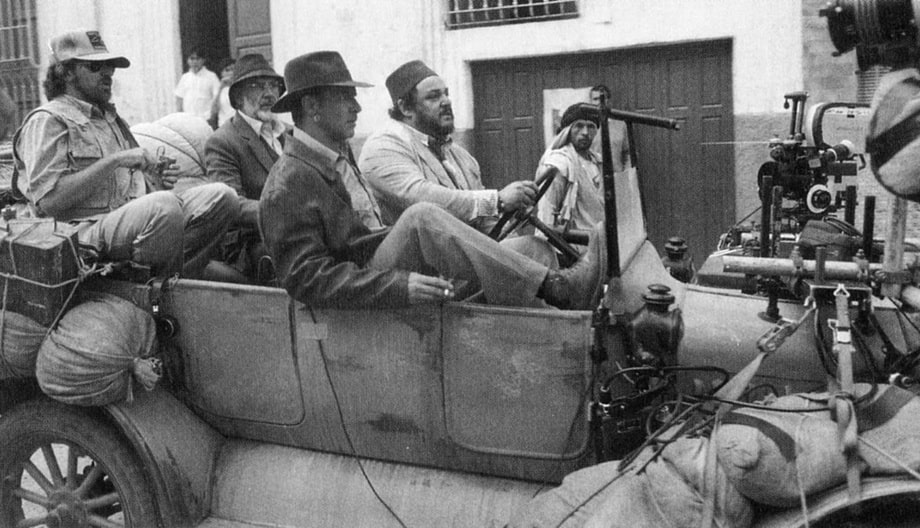
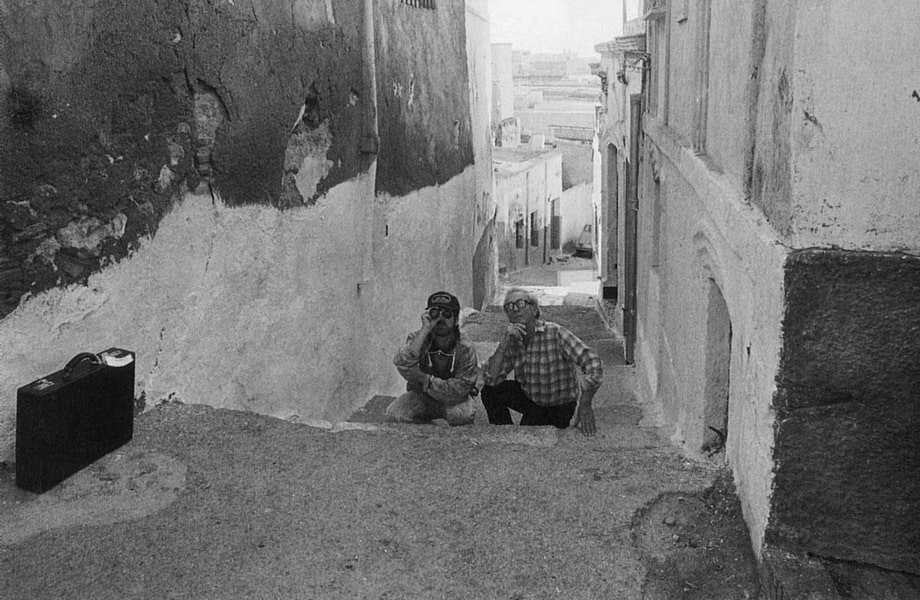
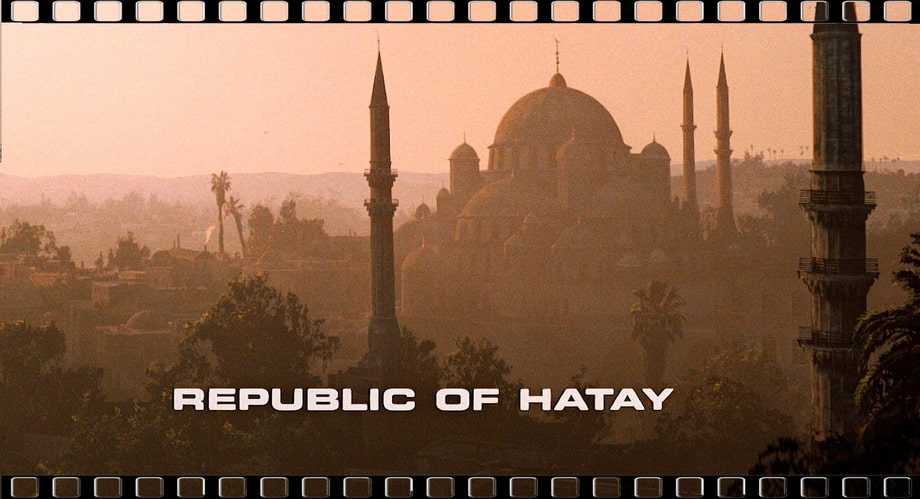
After capturing Marcus Brody, Indiana’s opponent, Walter Donovan secures his upcoming search for the grail near Iskenderun by getting the backing of a local ruler. It is interesting to note that the opening shot for ‘Republic Hatay’ is the panorama over Istanbul. Hatay State was a short-lived republic that was led by the State People’s Assembly of forty people and not by a Sultan, as it was depicted in the ‘Last Crusade’. The flag of the state shown in the movie is fictional and does not reflect the real one of the Hatay Republic, as well, and the population is depicted as speaking Arabic rather than Turkish. The Sultan was played by English comedian, actor, and stand-up comedian Alexei Sayle, who was only thirty-five years old on the day of the shooting of this scene (born 7 August 1952). Walter Donovan unsuccessfully offers valuables from the noble families of Germany (probably stolen from Jews or other enemies of the Nazi regime), but the Sultan’s attention is captured by Rolls-Royce Phantom II. The ruler gets the keys and offers not only a free hand in his lands but also people, supplies, and even heavy vehicles to seek the Grail, a non-essential fairy tale for the Sultan.
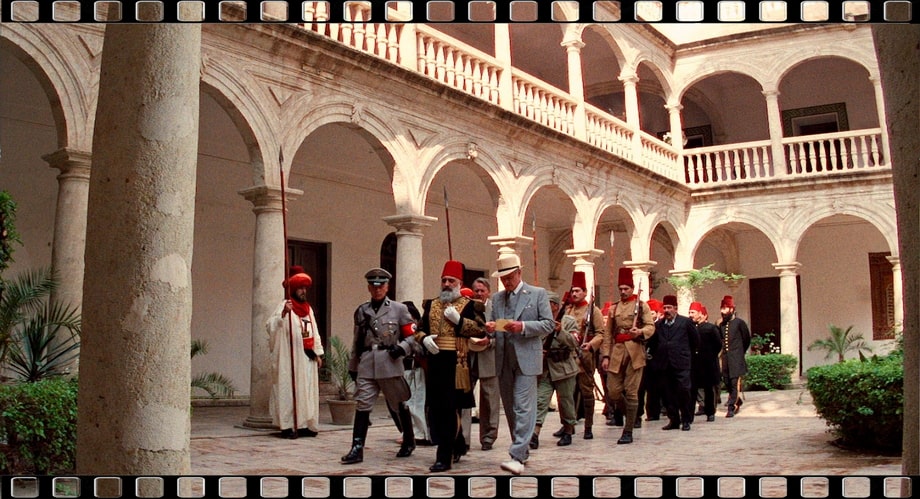
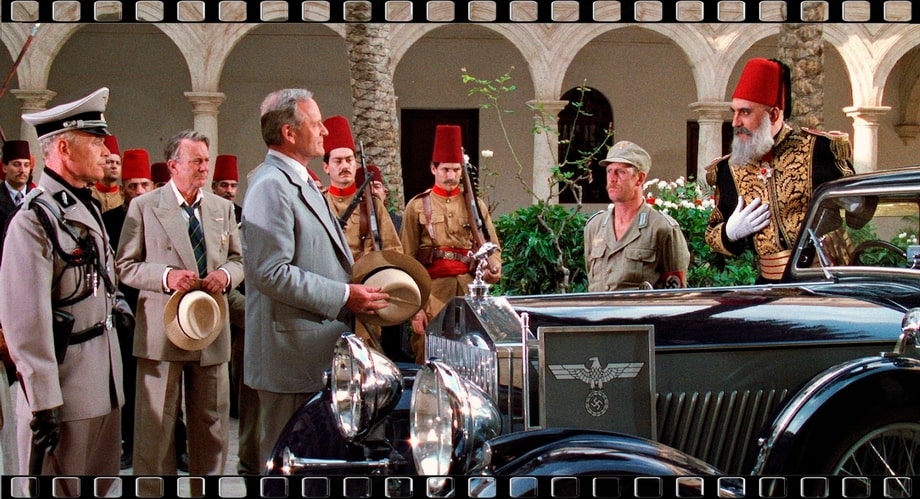
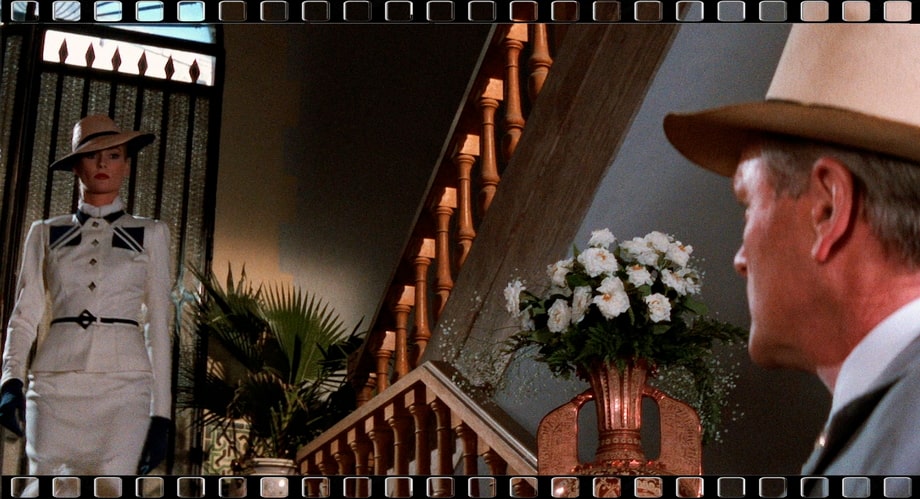
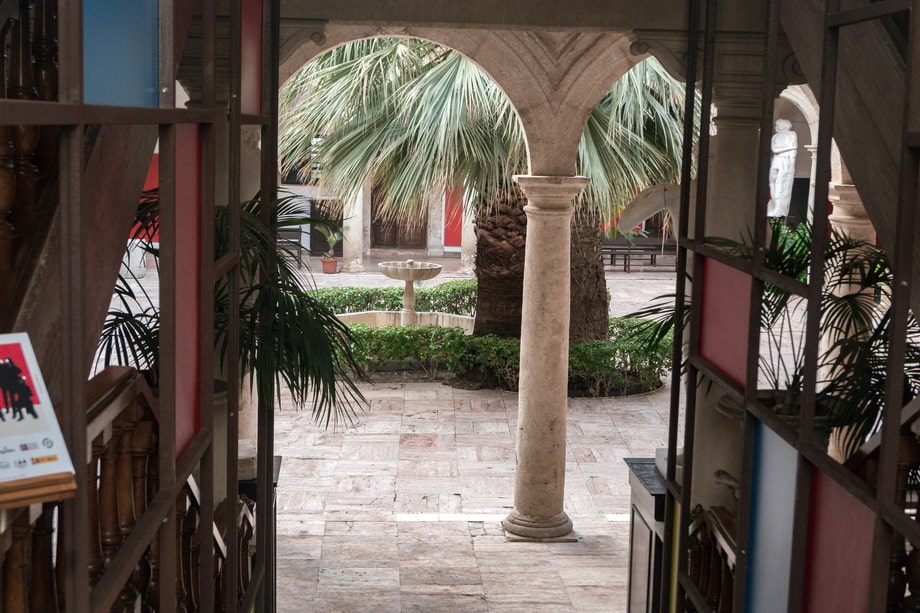
This short yet impressive scene was filmed in the city of Almeria, a convenient location for the crew, who were spread among hotels in the region, including one in Almeria itself (Gran Hotel de Almería). The sequence was not shot first, but after ten days of shooting in the Tabernas desert in May 1988. The initial choice for the location of the Sultan’s palace was the Alhambra, a fortress complex in the city of Granada. One of the largest, oldest, and best-preserved complexes of such kind in the Islamic world seemed ideal for Indiana Jones and the Last Crusade location in Spain, but the local authorities demanded a fee of 5000 euros a day from Spielberg (in addition to a problem with moving a car inside the patio) and the director rejected Alhambra in the favor of a less pompous but more convenient Art School in Almeria city. The scene was filmed in the courtyard of Escuela de Artes in the heart of the city. The building was part of a larger complex built for a Dominican convent in the late 15th century. In the early XVIII century, the former Catholic shelter was confiscated and plundered, later renovated. The local College of Art and Design accommodated the building in 1951. The courtyard used for Indiana Jones instead of Patio de los Leones in Granada was probably created as far back as the sixteenth century and remodeled in 1728. During the shooting in 1988, the crew, unfortunately, damaged one of the steps while moving the Rolls-Royce inside the courtyard by building a ramp. Nowadays, in addition to educational purposes, “Escuela de Arte de Almería” serves for exhibitions and public events.
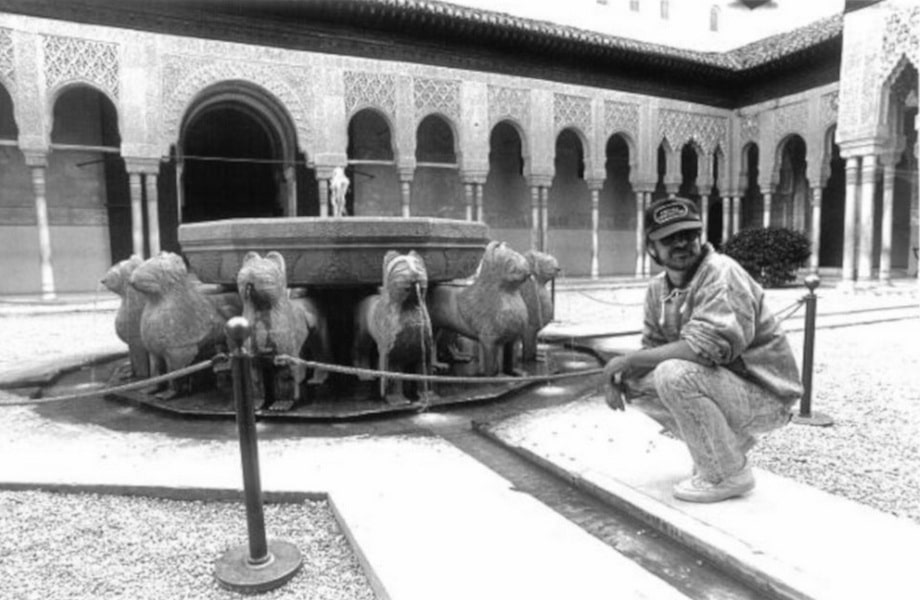
The scene when Donovan’s numerous Hatay/Nazi cortege enters the canyon and faces both Jones and the Brotherhood of Cruciform Sword was shot later than the tank chase scene but also in May 1988. Steven Spielberg was excited to follow the steps of David Lean and Sergio Leone and shot his Hatay scenes in the Tabernas desert, 15 km to the north of the city of Almeria. It is the only desert in Europe that fully meets the bookish classification. The hottest region of Spain and Europe as a whole with a record amount of sunny days in the year, Tabernas could easily stand for American desert in the spaghetti western movies of Sergio Leone (A fistful of dollars, A few dollars more, The good, the Bad, the Ugly, Once upon a time in the West), Egypt in ‘Cleopatra’ (1963), Jordan and Egypt in ‘Lawrence of Arabia’ (1962), fictional ancient world of ‘Conan the Barbarian’ (1982), for Spain itself in ‘Assassin’s Creed’ (2016), and in TV series such as ‘Game of Thrones’, ‘Black Mirror’, and ‘Doctor Who’.
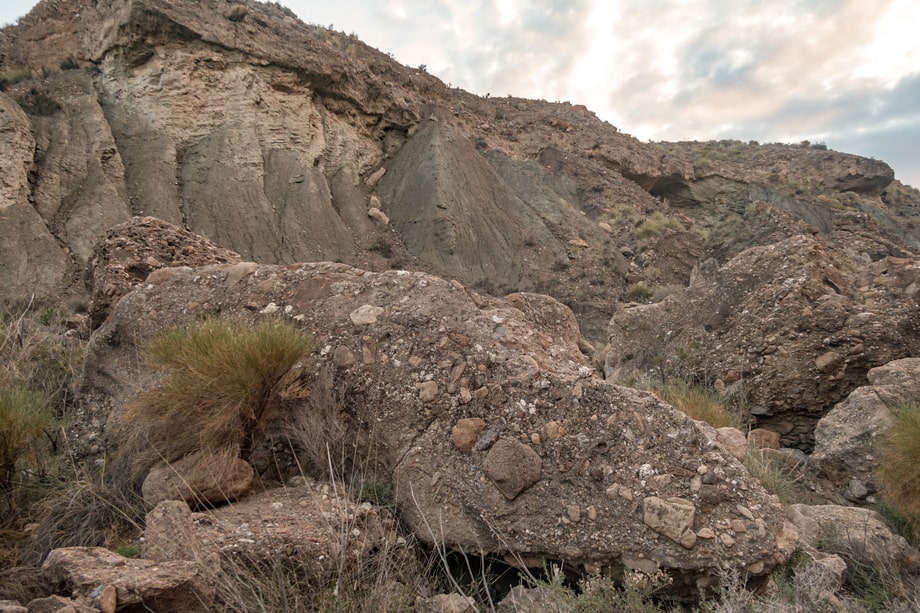
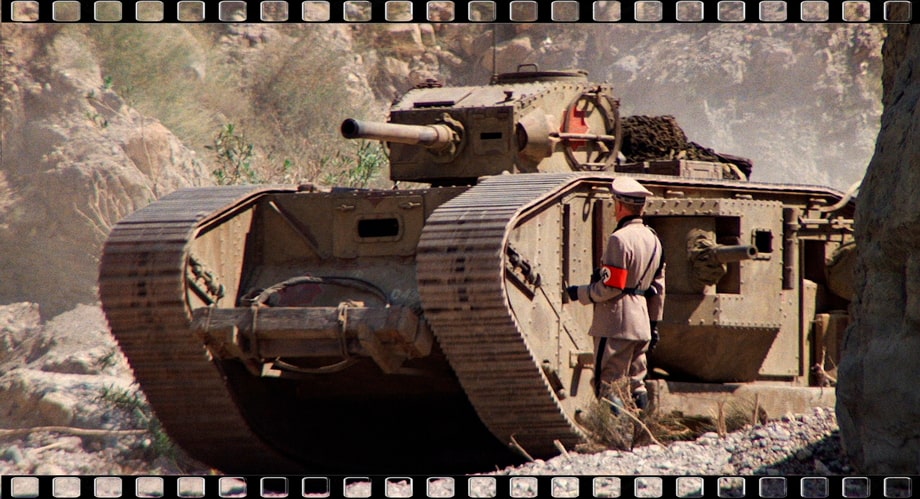
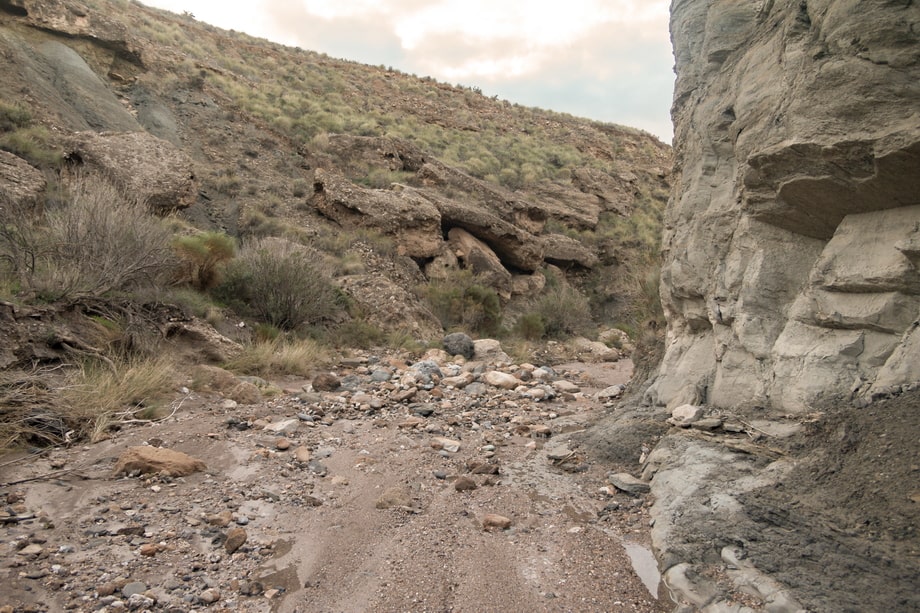
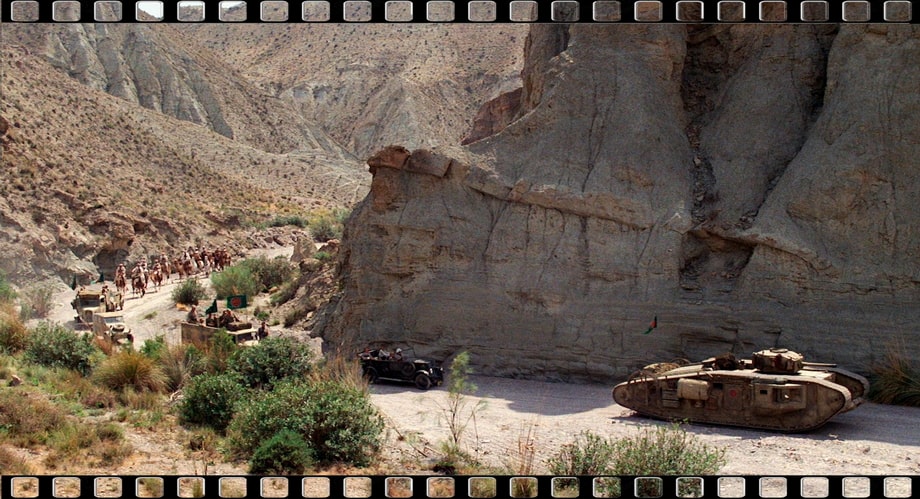
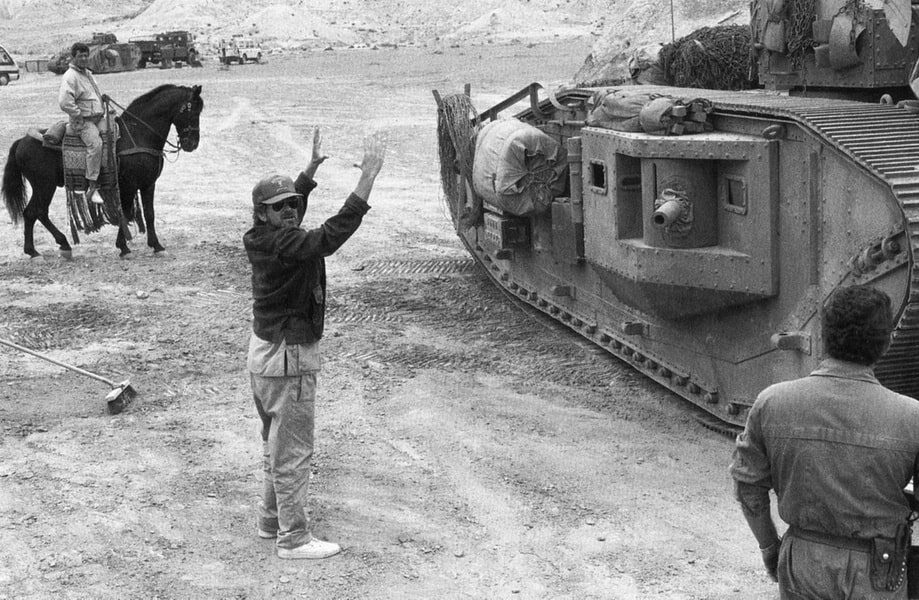
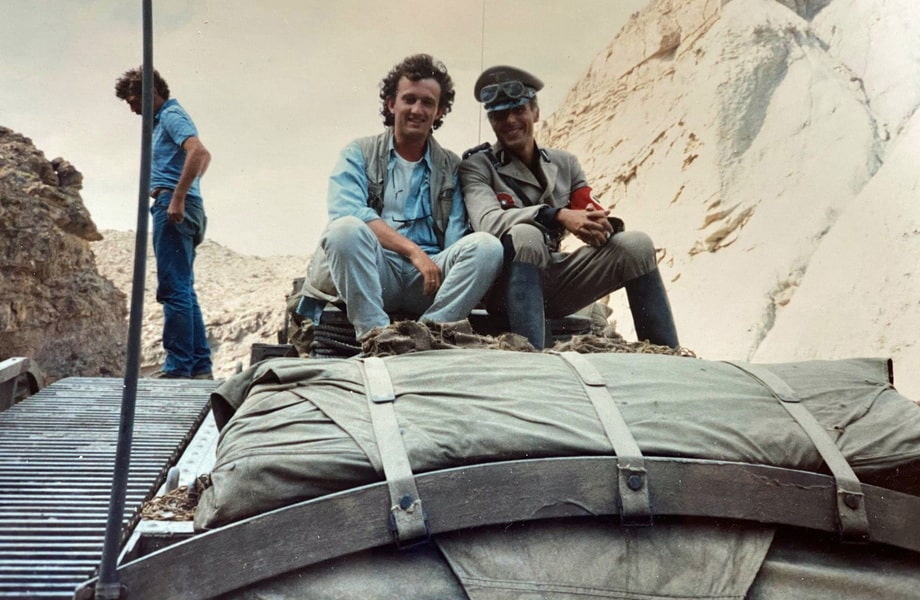
While Donovan craves to find the Canyon of the Crescent Moon, the cortege moves through the desert of supposed Hatay and is shown to enter another canyon. The delighted Sultan exchanged the Rolls-Royce Phantom II with a 4.3-liter engine, 30 horsepower, six cylinders, and a Stromberg carburetor for a bunch of stuff indeed. Except for men (most of them would later die in the Temple), the Sultan offered some vehicles to Donovan. At 1:23:28 we see a ruthless Nazi officer, Standartenführer Ernst Vogel who navigates the move of the column, including:
Mark VII Tank. A giant British tank from WWI with a weight of 37 tonnes. Only three tanks of such kind were ever produced.
Renault 6 CV Torpédo. A French car of a 1926 model was used by Walter Donovan and Elsa Schneider as a cheap replacement for a Rolls-Royce.
Two Citroen Type 23. The trucks were used to transport German soldiers through the desert.
Two Volkswagen Typ 82 Kübelwagen. German off-road vehicle for military purposes, produced from 1939 to 1945, and the most massive car in Germany during the Second World War.
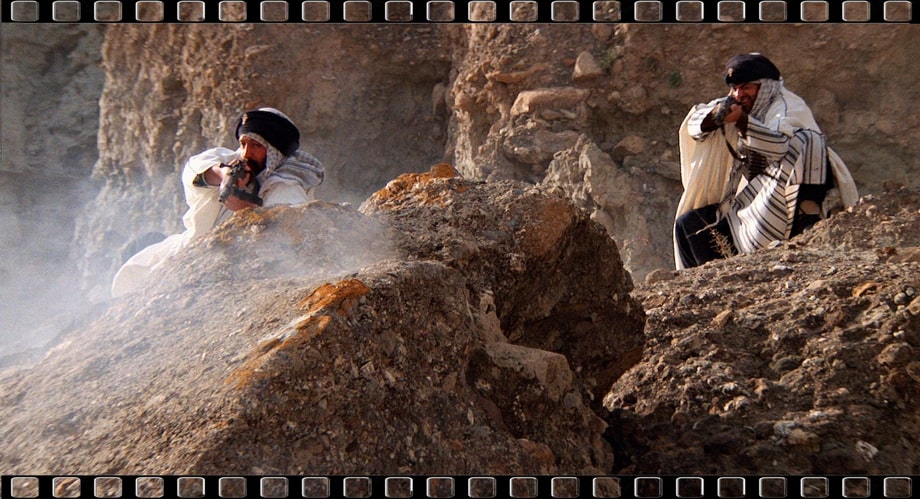
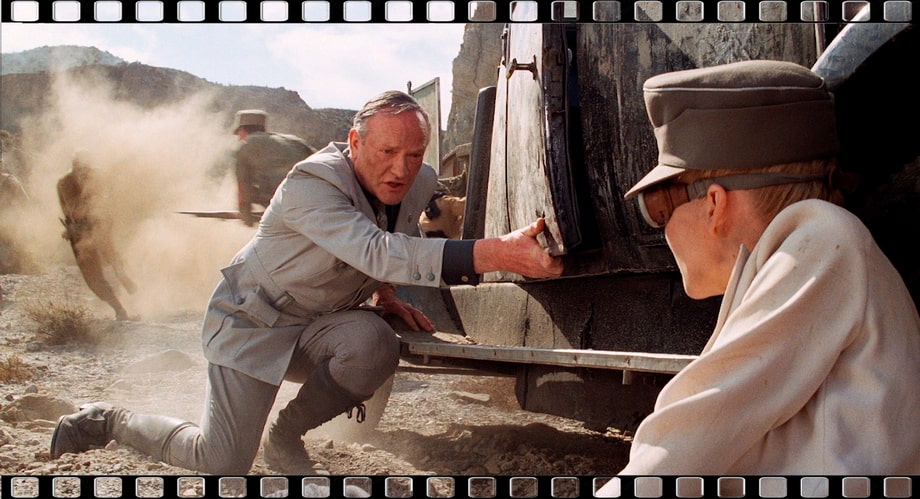
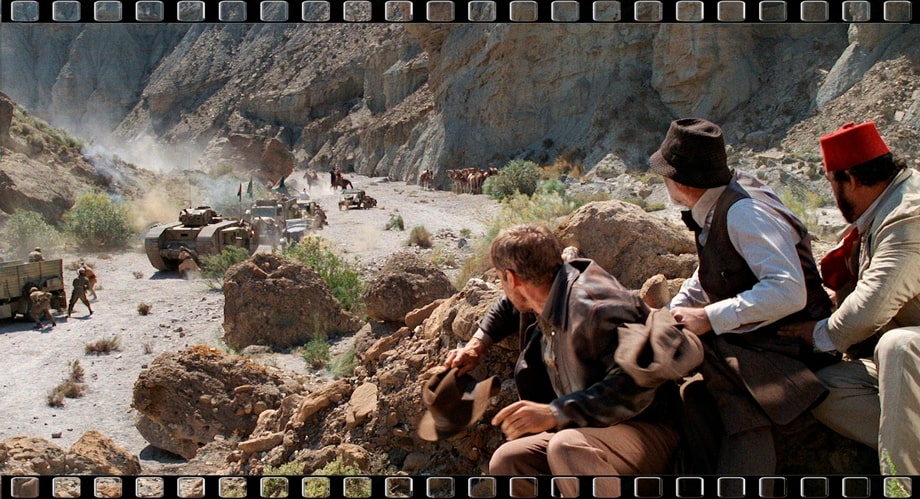
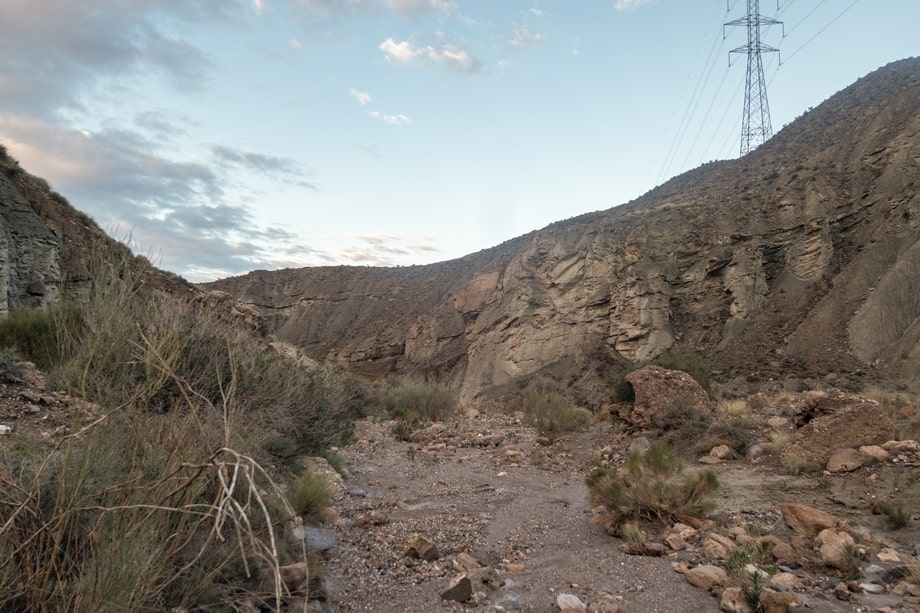
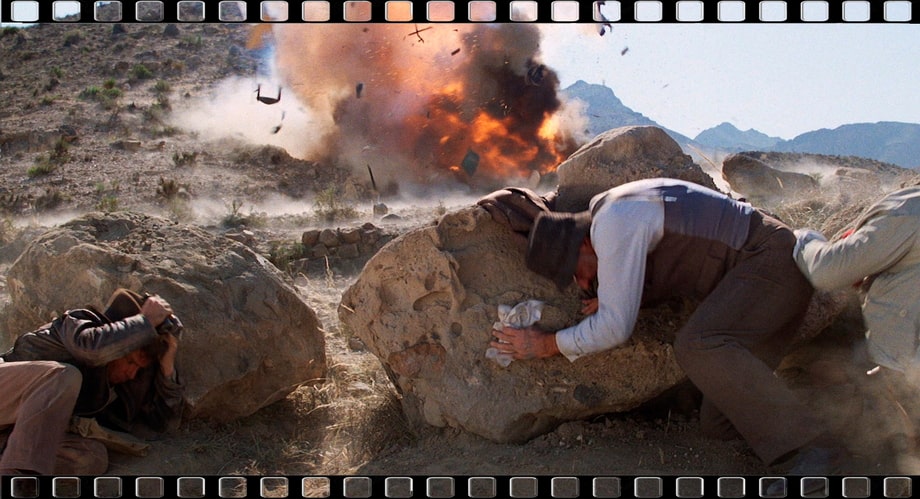
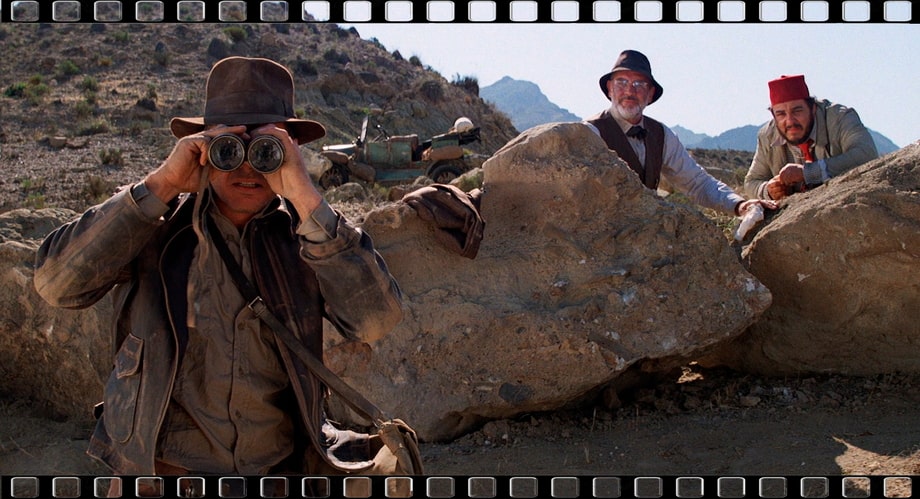
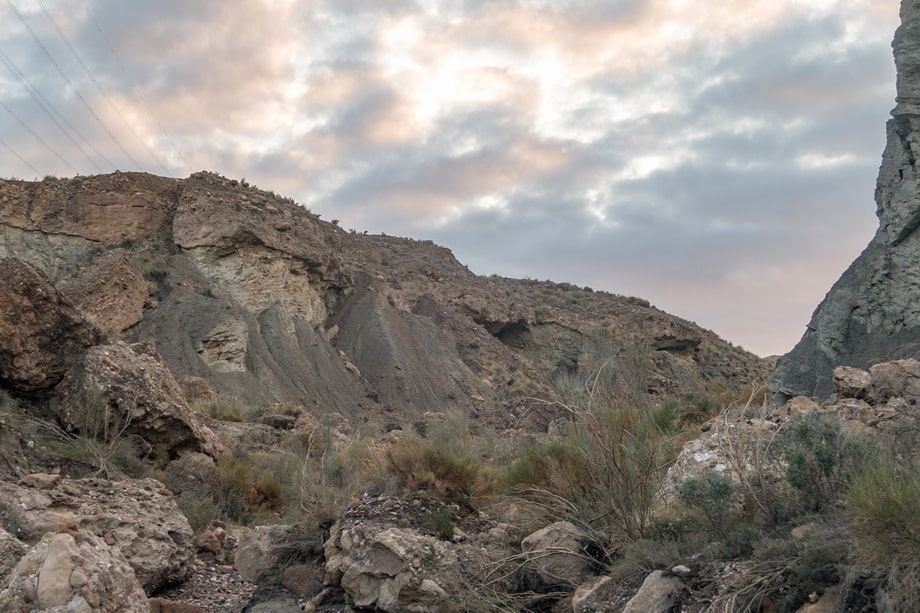
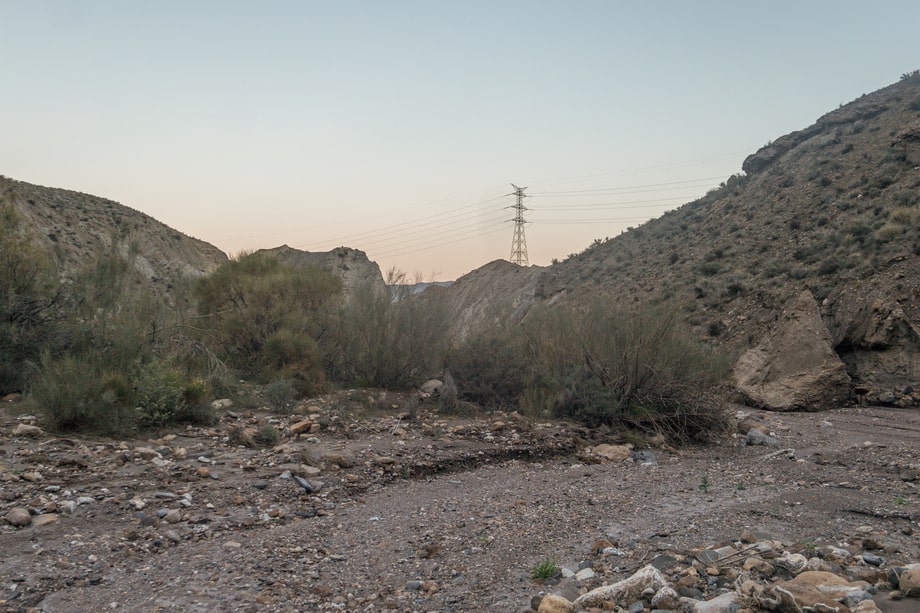
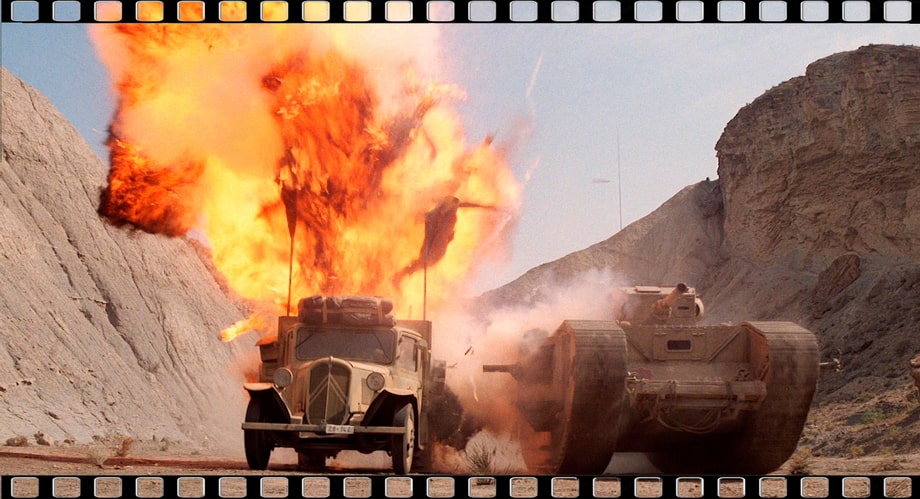
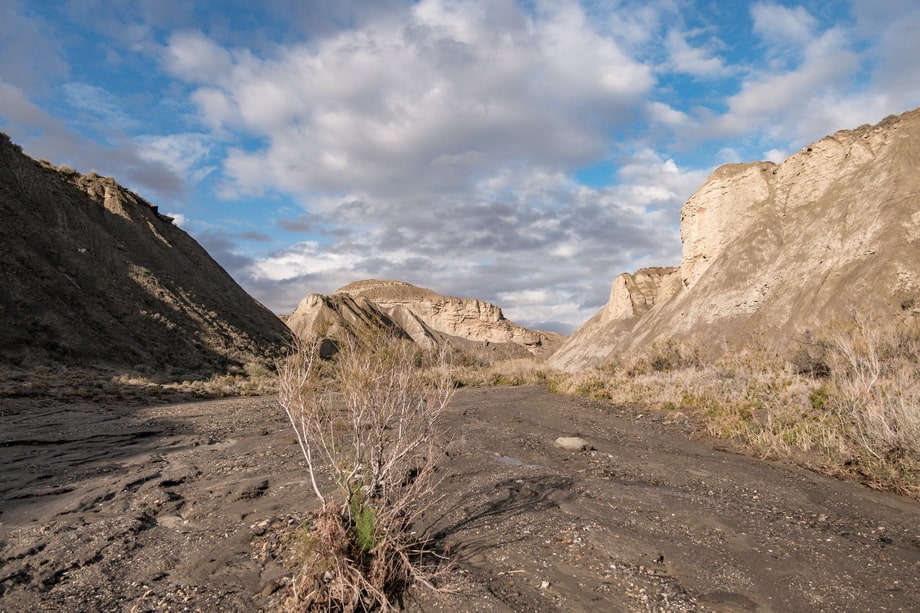
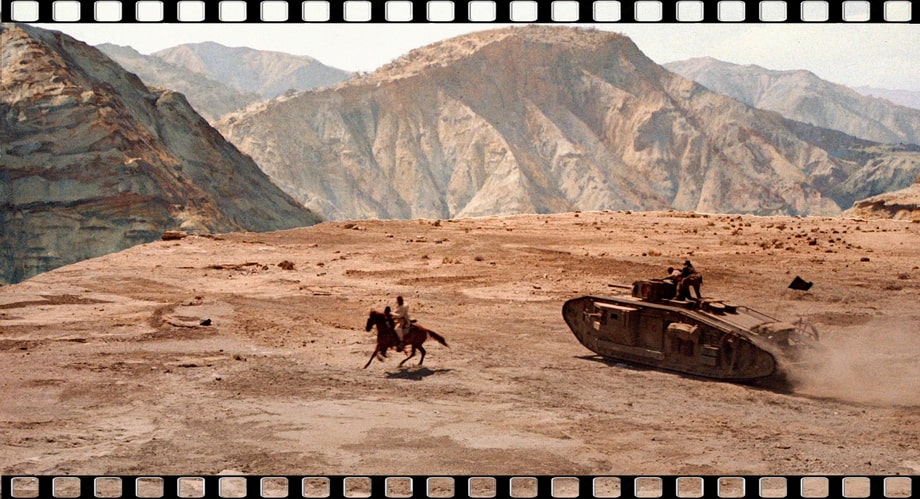
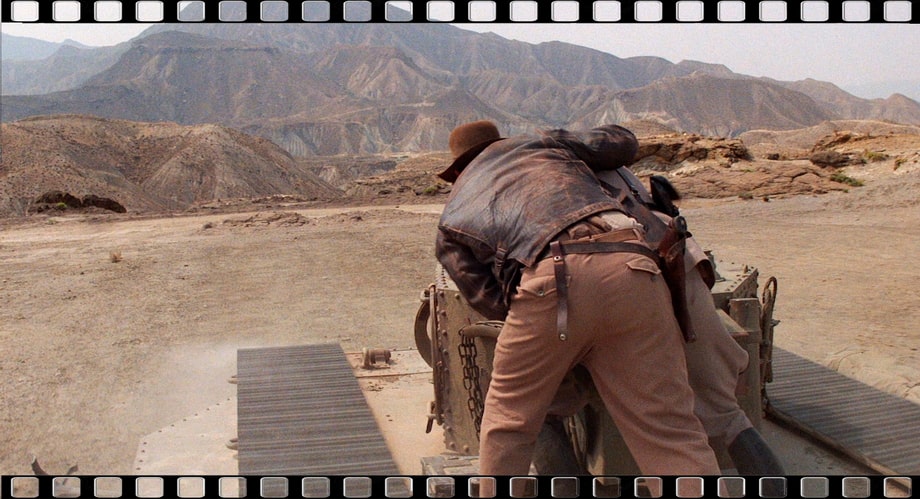
Probably after a journey of several hours across the desert of the Republic of Hatay, the convoy finally makes a stop when confronted by unexpected guests. Walter Donovan spots the reflection of Indiana Jones’ binoculars on the hill, and the Tank fires at Indiana Jones, his Father, and Sallah. Fortunately, the shell missed and hit the car parked nearby. A few moments later, the convoy is being attacked by the members of the Brotherhood of the Cruciform Sword, including Kazim. Grenades and machine guns appeared to be more efficient than rifles, and the attackers were overrun and killed. This sequence was filmed in the part of the Tabernas desert known as ‘Rambla De Indalecio’. It is peculiar that the Spanish use the word ‘Rambla’ to mark numerous dry riverbeds in the desert, and ‘De Indalecio’ is one of them, located closest to Almeria city compared with other Indiana Jones Almeria locations. This ravine has changed the most since 1988, as the rare but powerful overflows changed the terrain significantly due to erosion.
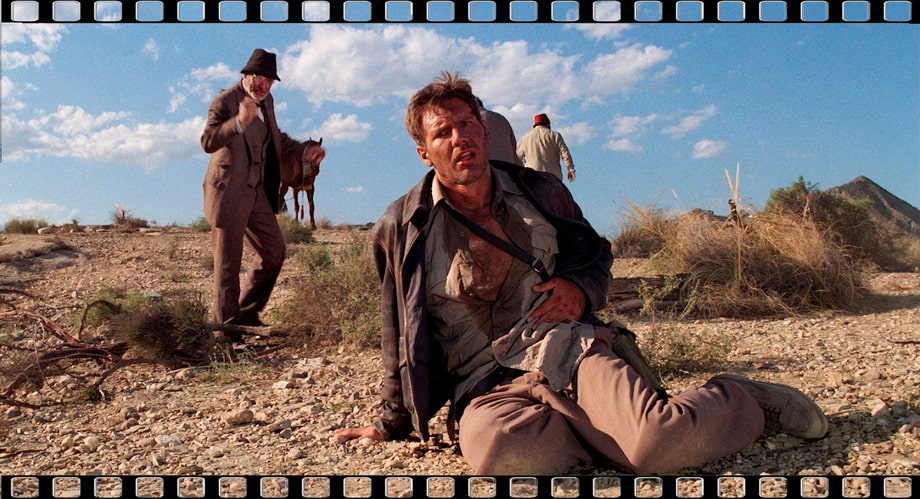
Indiana Jones and Sallah took advantage of the fight between Donovan’s men and the Brotherhood to steal several horses and camels, the latter as compensation for the destroyed car of Sallah’s relative. One of the first shots made for the ‘Last Crusade’ was Indie’s jump down to one of Hatay’s soldiers to get the horse. Vic Armstrong, Harrison Ford’s stuntman, recalled a curious episode in his famous book devoted to this particular sequence. When he was preparing himself for the jump from over 4 meters, Harrison Ford appeared on the rock and said he was ready to do the stunt himself. Armstrong claims that it was too dangerous for the actor to do nothing, and he said that by making stunts himself, Ford takes away Armstrong’s bonuses for the work. Ford was ashamed of taking food from the other man’s table,e and Vic Armstrong is the man whom we see in this scene during a jump. This sequence, as well as the upcoming one with Indie not satisfied with Sallah’s decision to take camels, was filmed in the same location: Rambla de Indalecio, next to a big rock that is still recognizable nowadays.
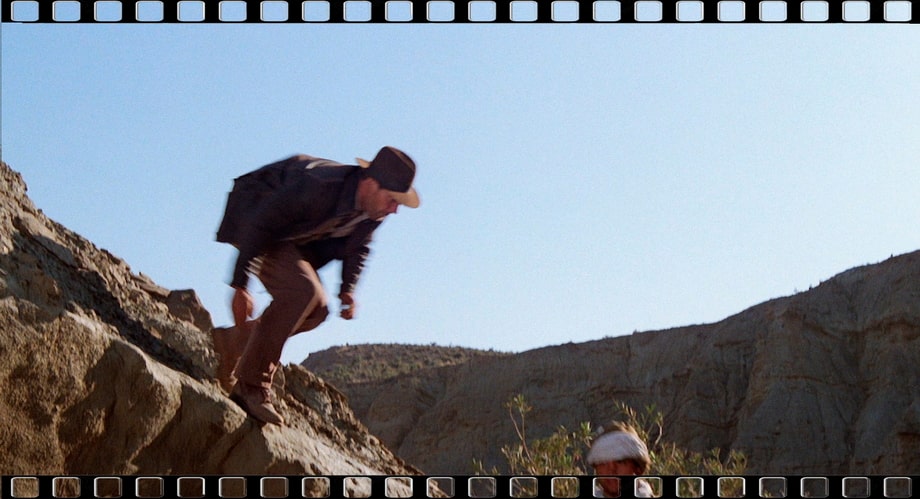
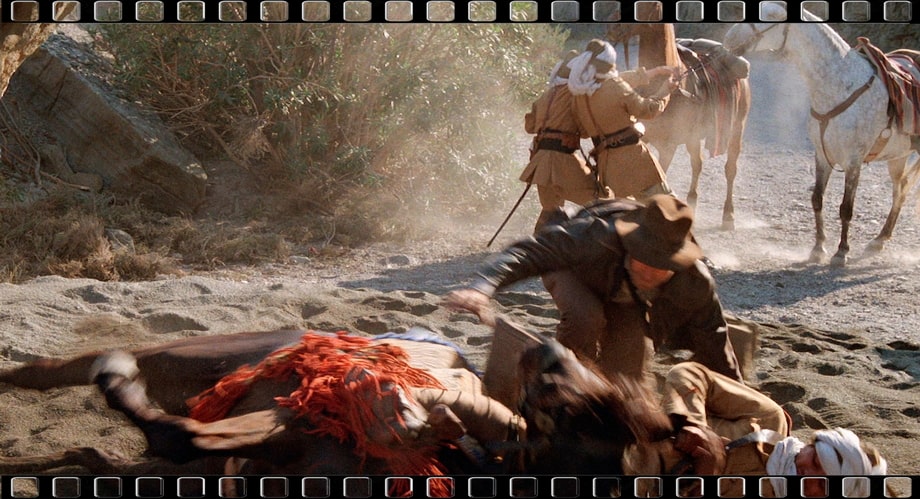
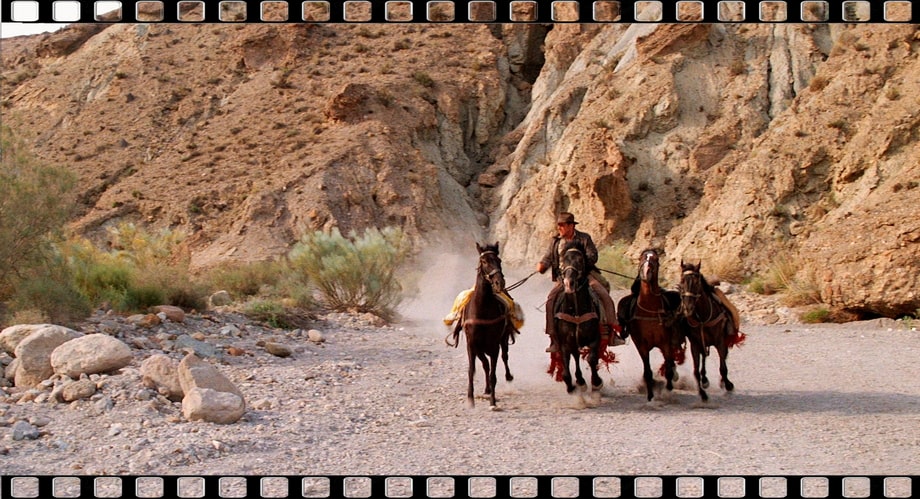
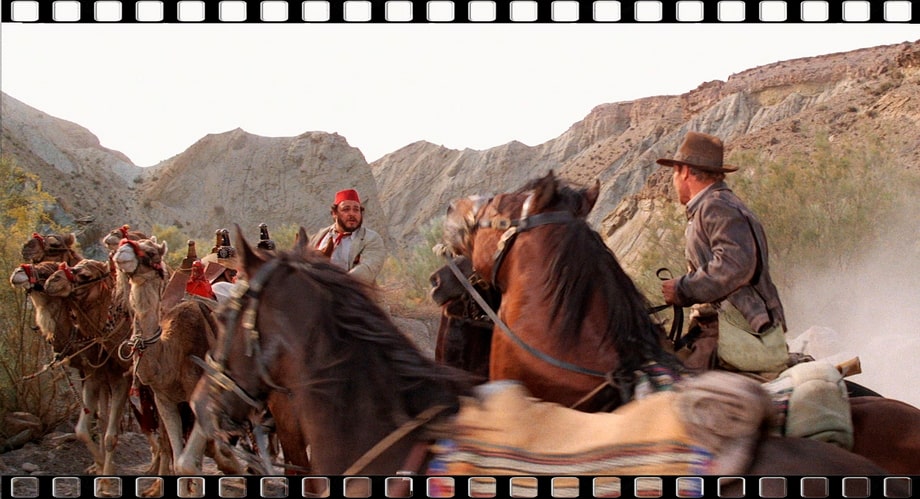
Some of the men of the crew, including the staff of the second unit and Ford’s stuntman, Vic Armstrong, departed for the desert several weeks before the shooting to plan the tank chase scene. A local Spanish magazine even captured the process and had Armstrong play Ford and the Second Unit Director Michael Moore to replace Steven Spielberg. The most difficult and impressive stunt of the whole desert sequence is when Indiana Jones makes a leap off the horse and lands on the roof of the tank in motion. Armstrong used the same horse he had worked with while shooting Rambo III (released on May 25, 1988, during the principal filming of the ‘Last Crusade’ in the Israeli desert called the ‘Hurricane’. The horse was experienced, but it took Armstrong time to help her adapt to the scene and to give him the exact distance for the leap. From the second attempt, we all got the iconic stunt.
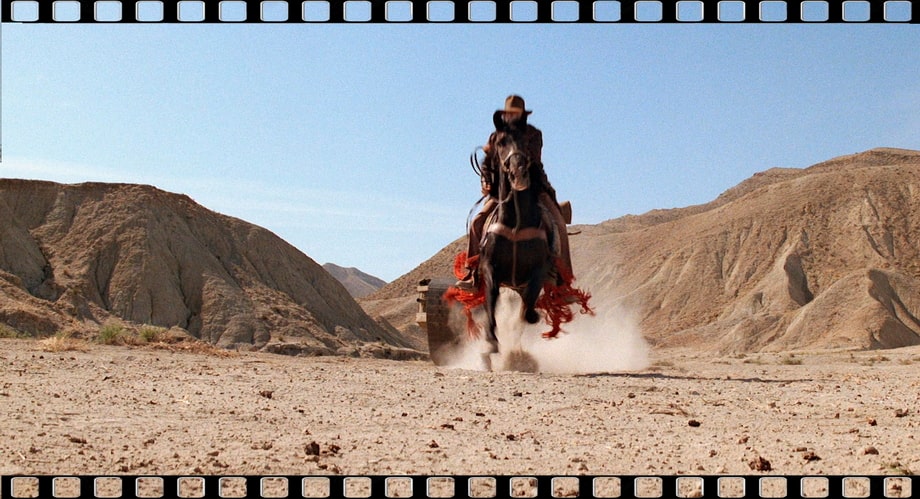
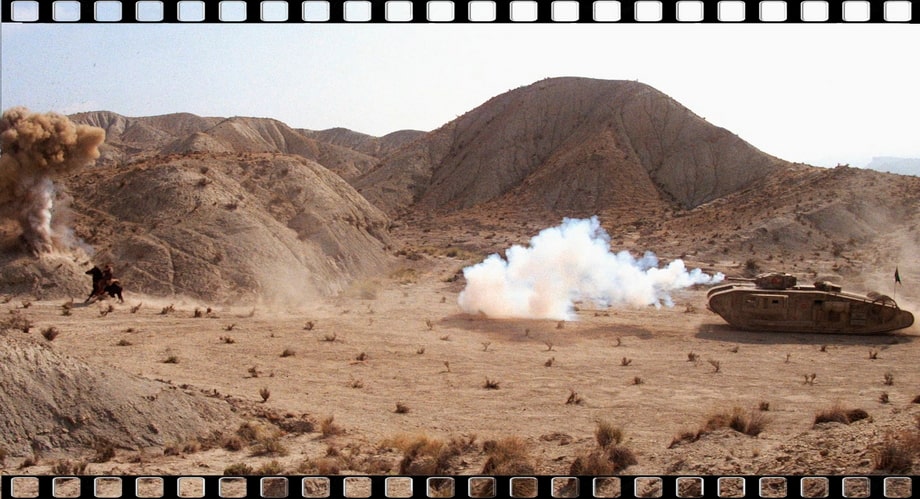
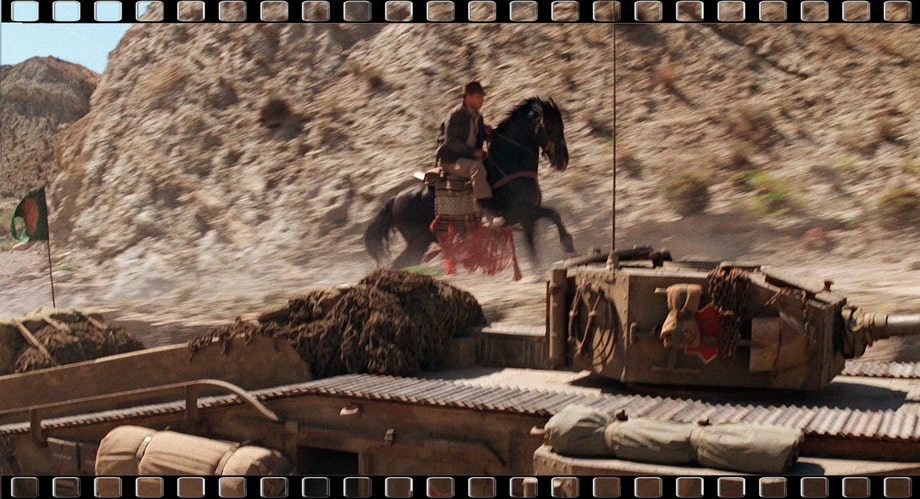
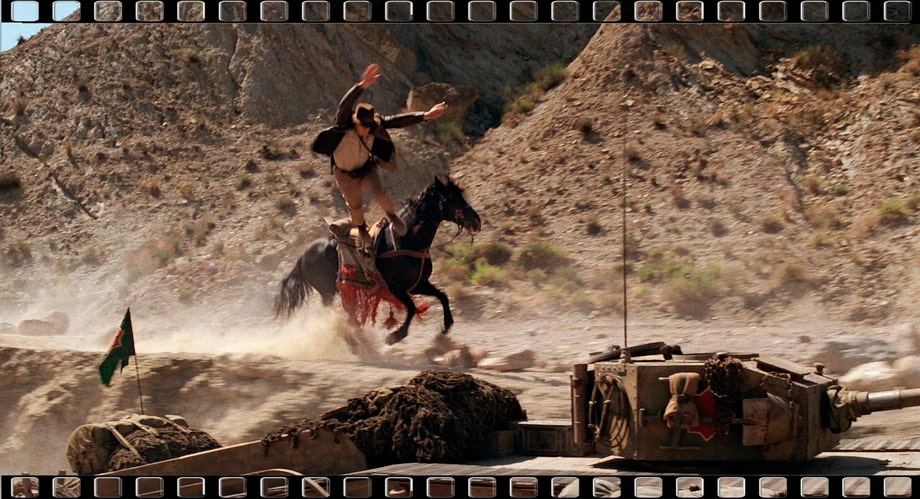
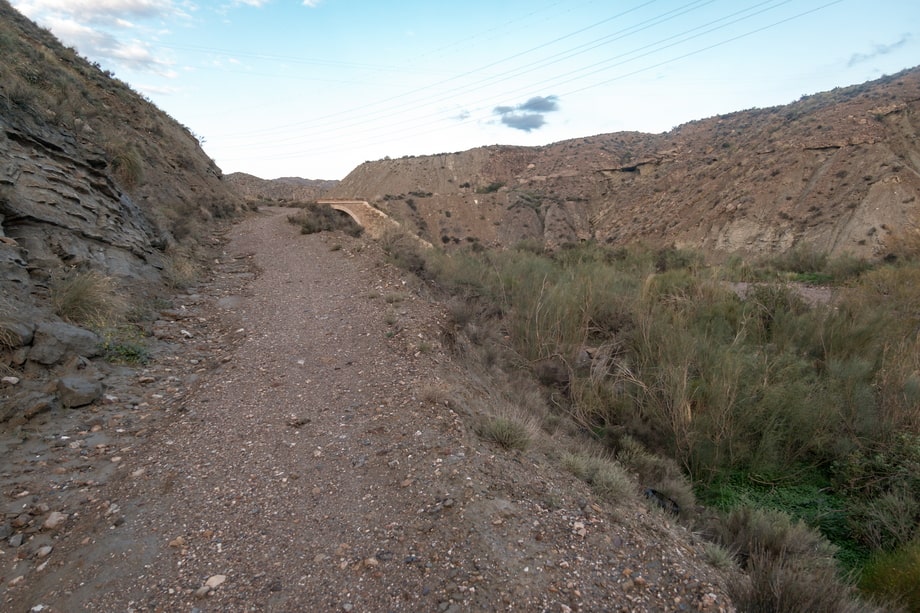
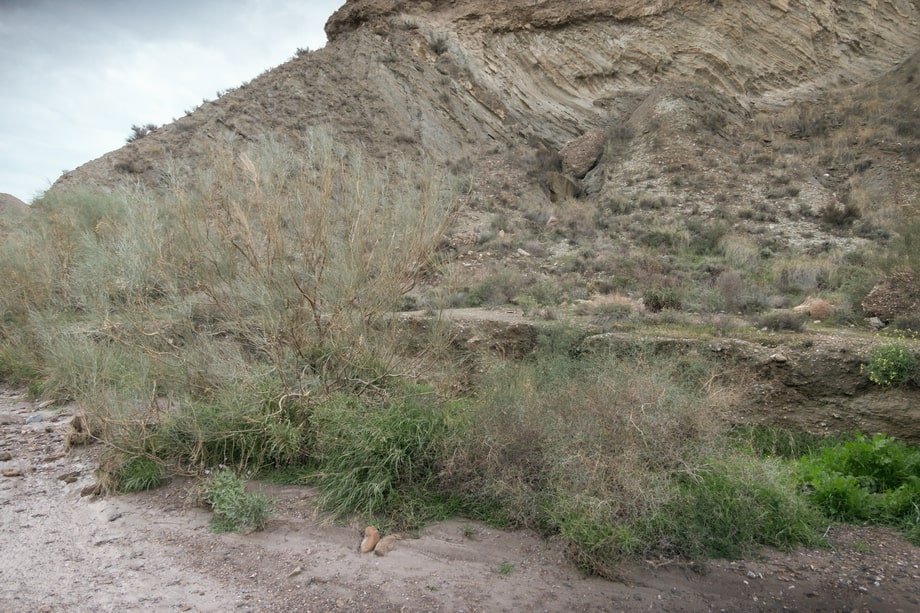
It is important to note that the filming crew leveled one side of the hill to create a kind of flat pathway from which Indie makes his leap. Thirty years later, upon my visit to Rambla de Indalecio in December 2019, it took me time to find the remnants of that hill. Both the water flows and erosion, as well as bushes, have badly changed the terrain, and nowadays the path is barely recognizable.
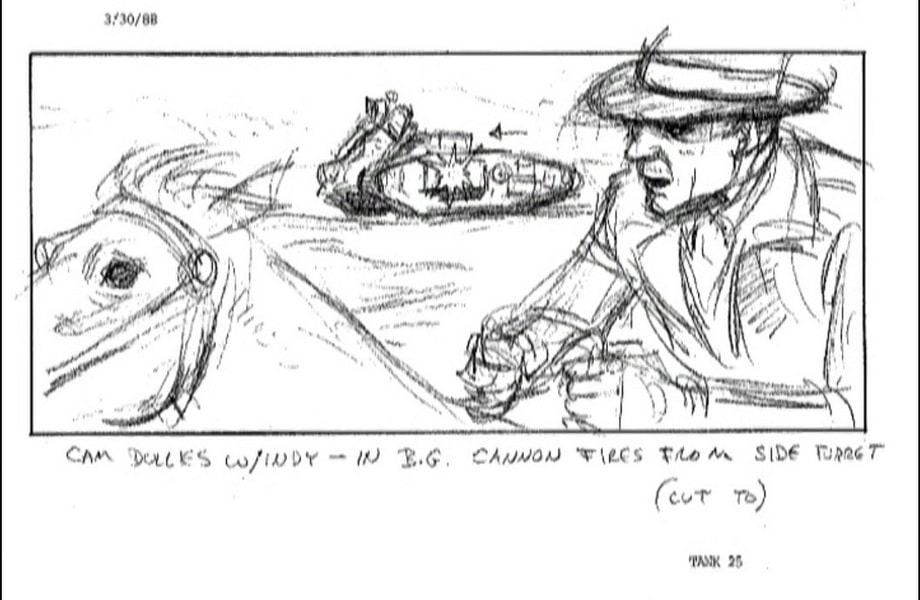
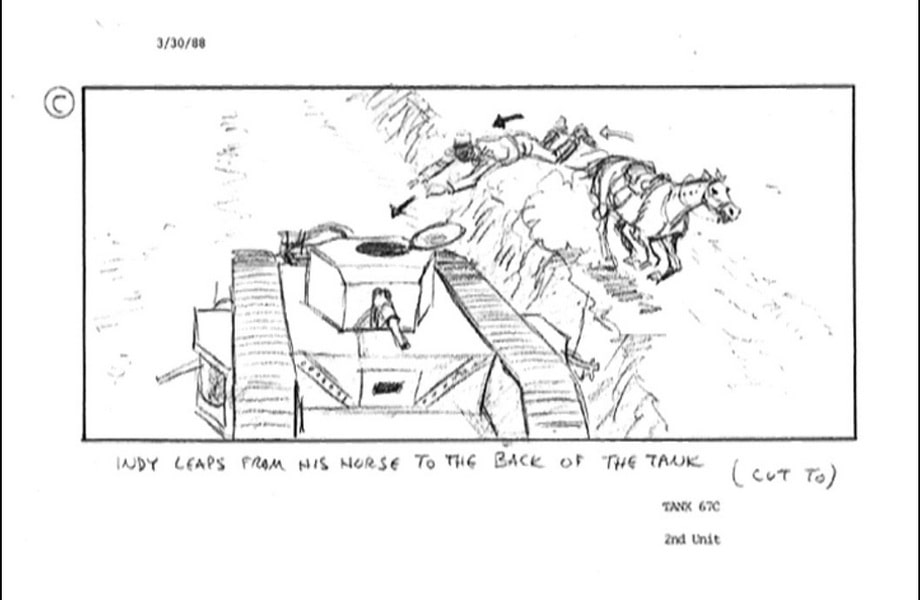
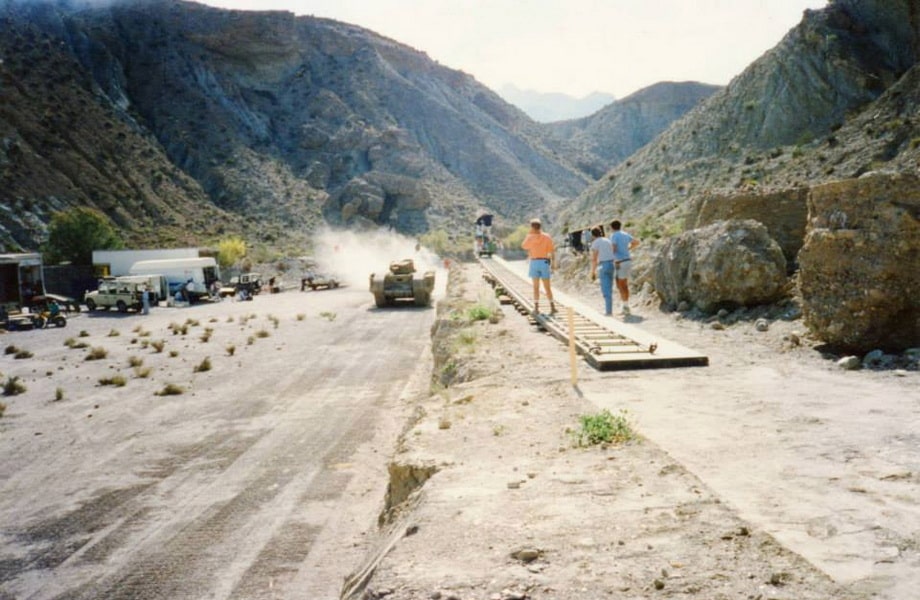
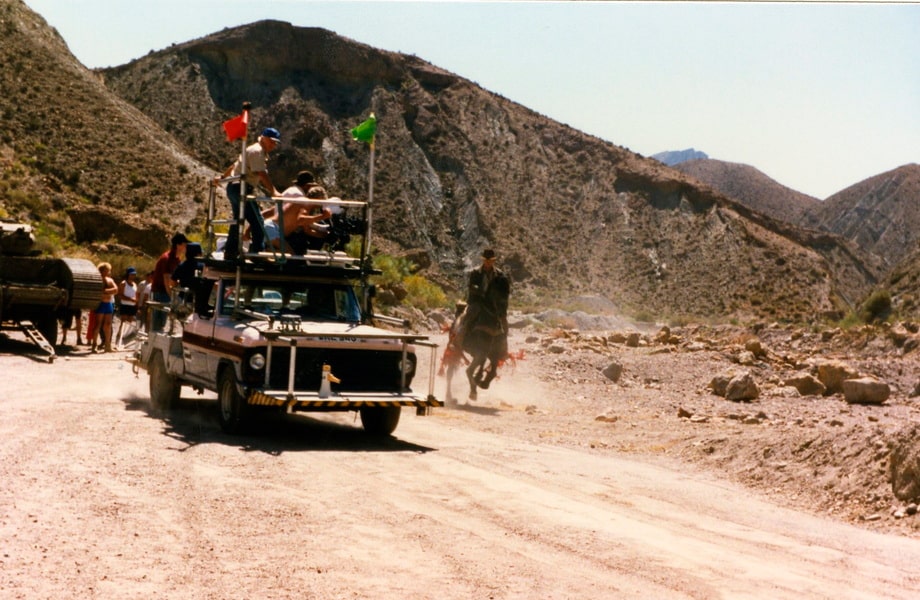
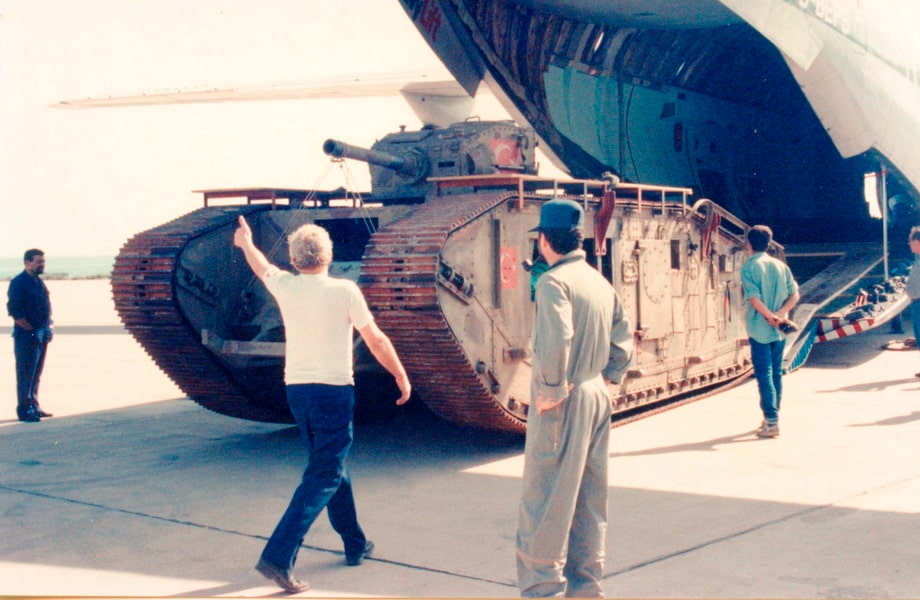
The whole idea of a tank chase came from one of the early scripts for the third movie created by Chris Columbus. The initial idea was to rent a real WWI tank from the museum and use it in the movie. After several rejections from the museums and a long list of demands for preservation, George Giibbs, a special effects professional, made up his mind to recreate the tank for the ‘Last Crusade.’ The MARK VII British tank was chosen to be immortalized in the Indiana Jones movie. While this model never saw mass production, it possessed a necessary look and functionality for the desert sequence with its forward-facing fixed cannon and two smaller ones on each side of the vehicle. Gibbs and his crew built two versions of MARK VII. The main one replicated the original and even weighed three tonnes more: 28 tonnes. He used the chassis from HYMAC 590, a 16-tonne excavator built since 1980, and two Rover V8 engines to make the tank move for the movie. The final length of the replica tank was 11 meters, and it took a special transport truck to get the prop to the port of Portsmouth, then to Spain, and one of the photos shows this tank leaving the ramp of a giant cargo plane. In addition to this, the crew created a 2-meter model for the scene of falling from the cliff. This prop used the engine from Gibbs’ old lawn mower.
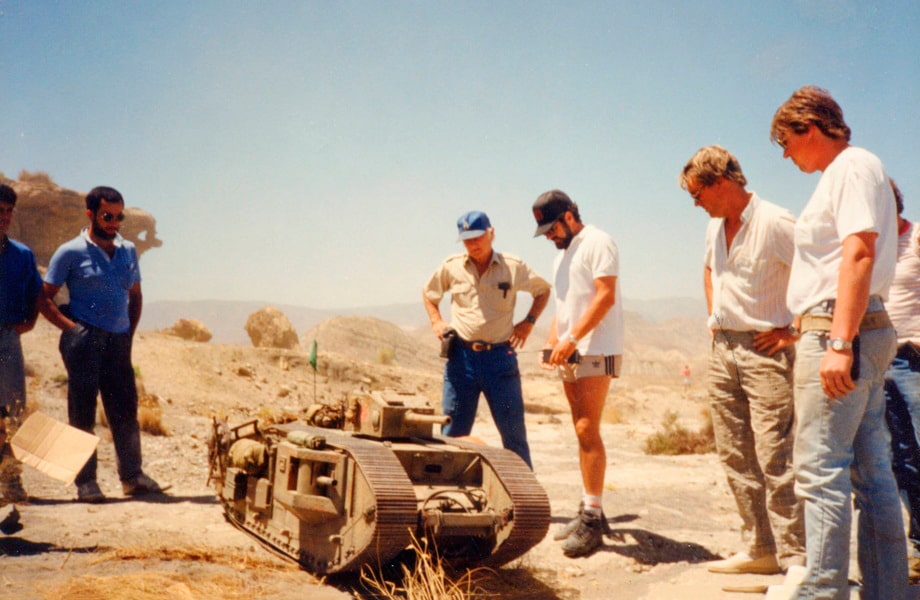
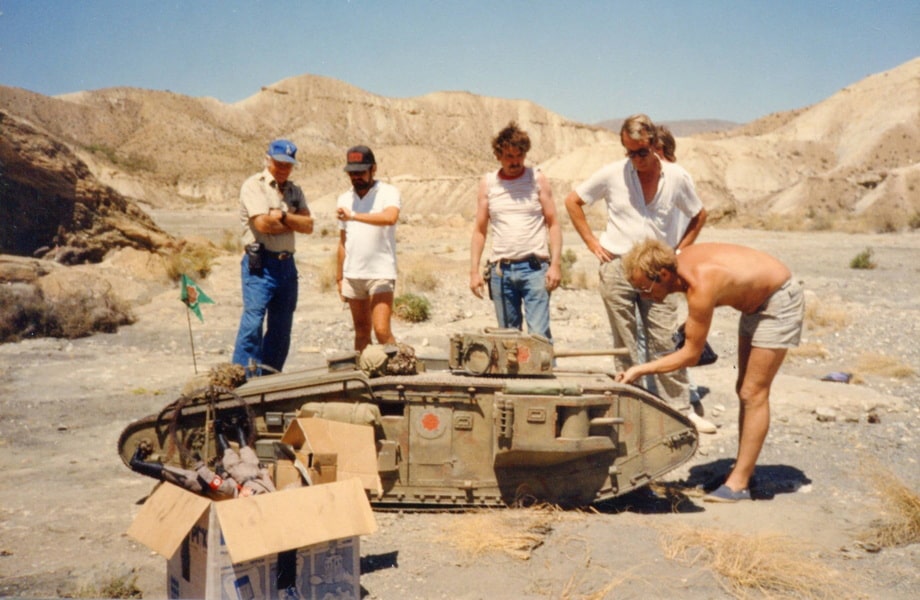
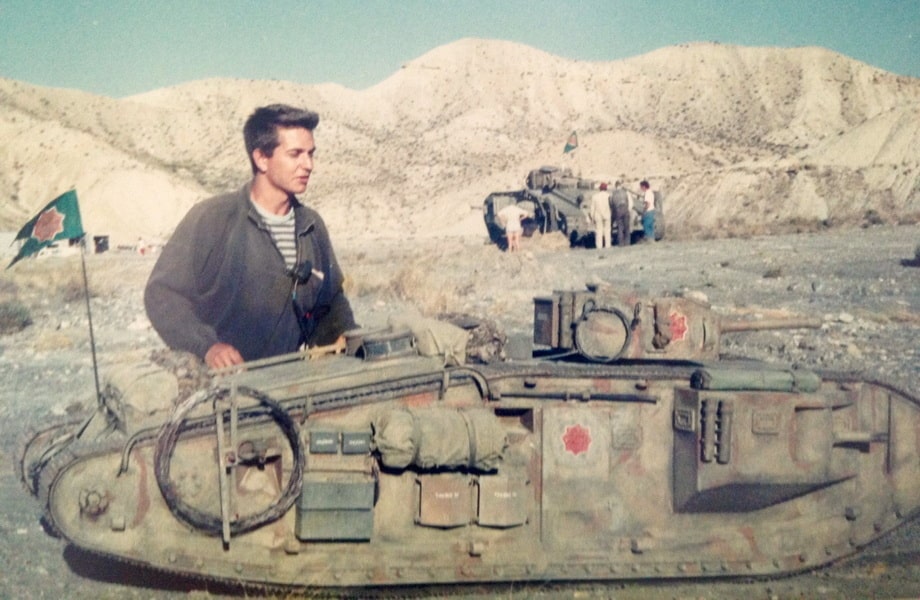
While Vic Armstrong’s leap on the top of the tank was a unique stunt for a man on a horse, one of the showiest moments of the whole desert sequence is the moment when the tank shoots at the truck with the Nazis from a short distance. Evidently, due to the dangerous nature of the stunt, real people could not be assigned to get on board the truck, and the filming crew used dummies similar to those from ‘The Temple of Doom’ in the scene when they had fallen from a bridge into the river. The truck was flipped over by a special air cannon at the moment of an explosion while Vic Armstrong and another stuntman were on top of the tank. After the cameras went off, a fire emerged on the set, destroying one camera and injuring some of the crewmen. Vic Armstrong badly damaged his knee, but fortunately already performed all key stunts for Harrison Ford and stayed in Spain as a stunt coordinator. This sequence was filmed not in Rambla De Indalecio but in Rambla Lanujar, 4 km to the North, also in the blind creek. It is interesting to note that his riverbed was used for one of the scenes in the iconic ‘The Good, The Bad and The Ugly’ when Clint Eastwood and Eli Wallach look at the map while moving across the desert.
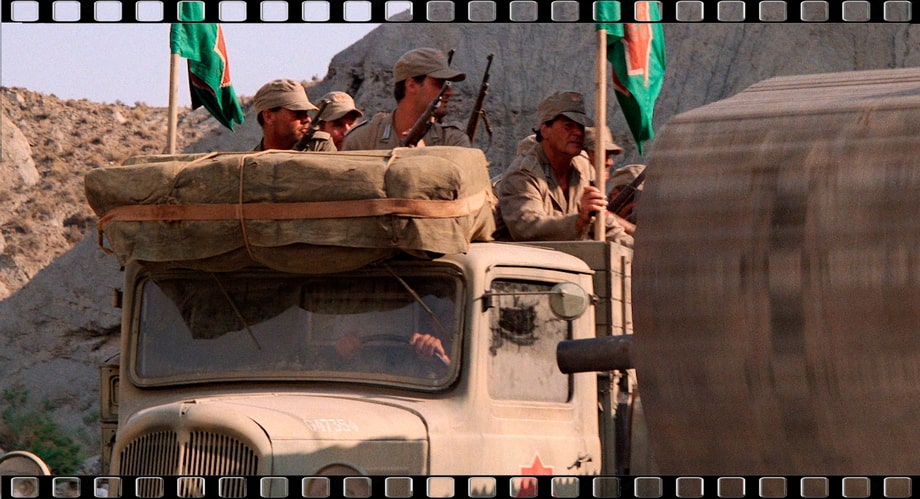
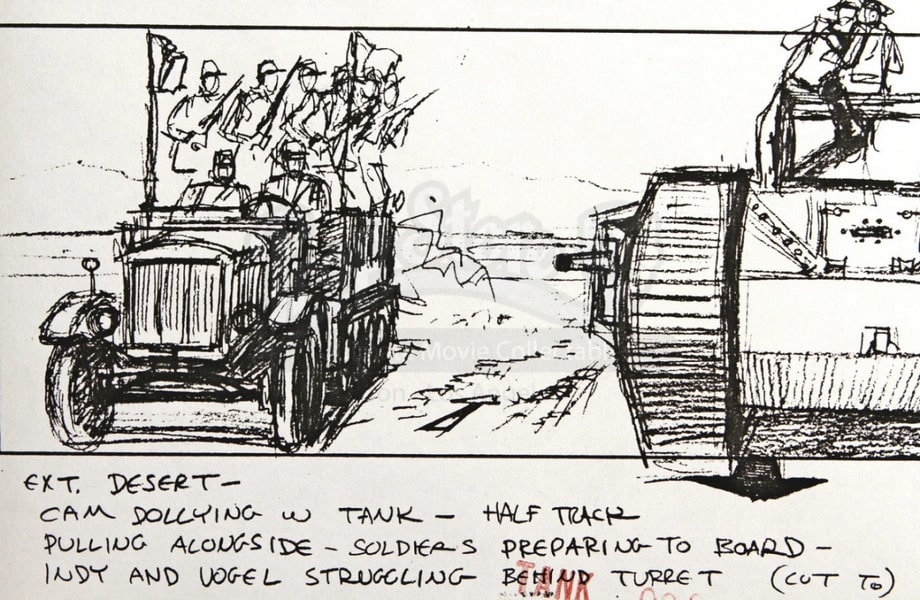
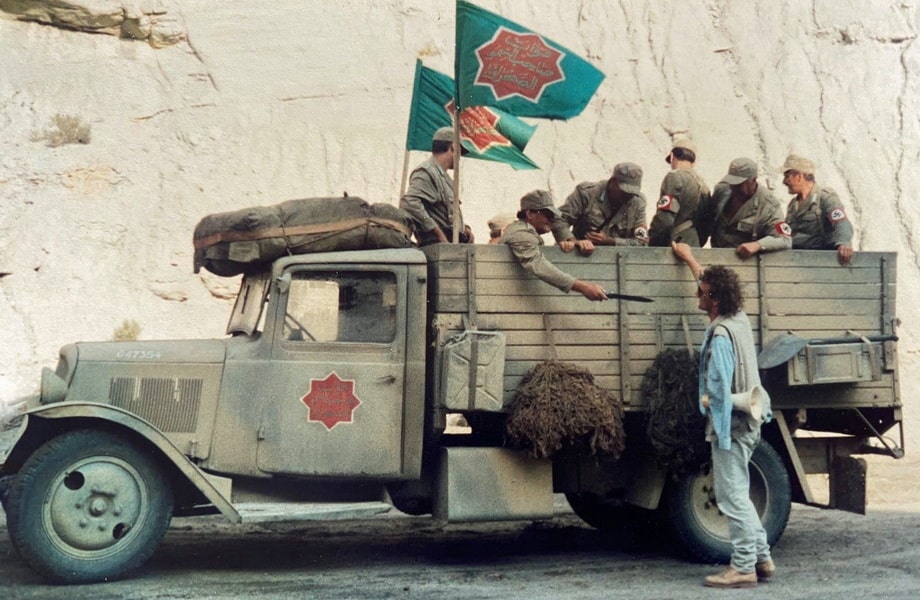
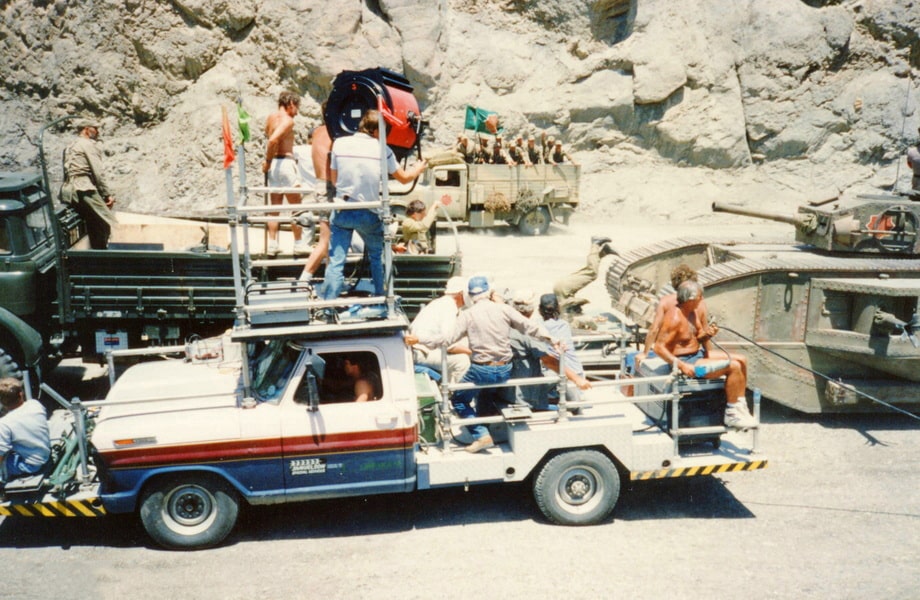
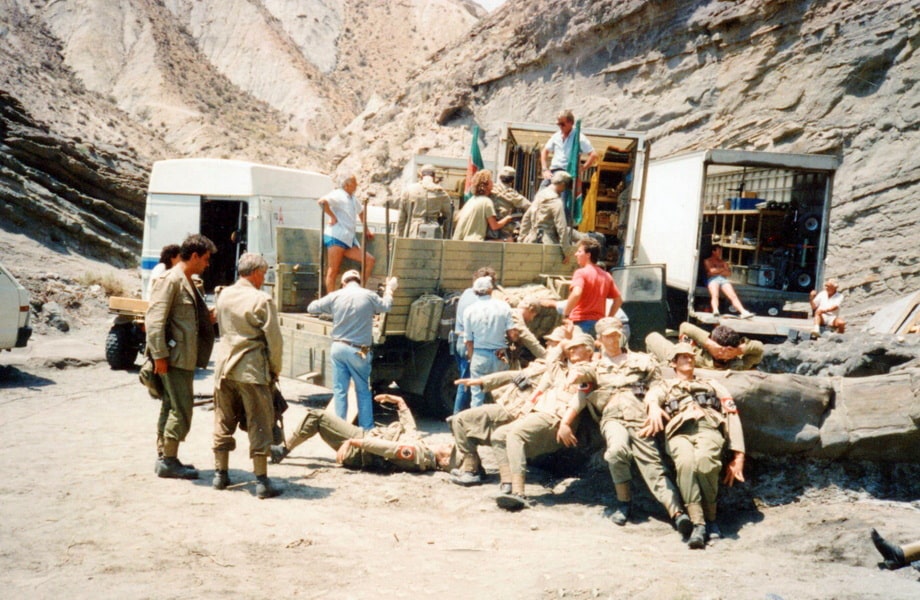
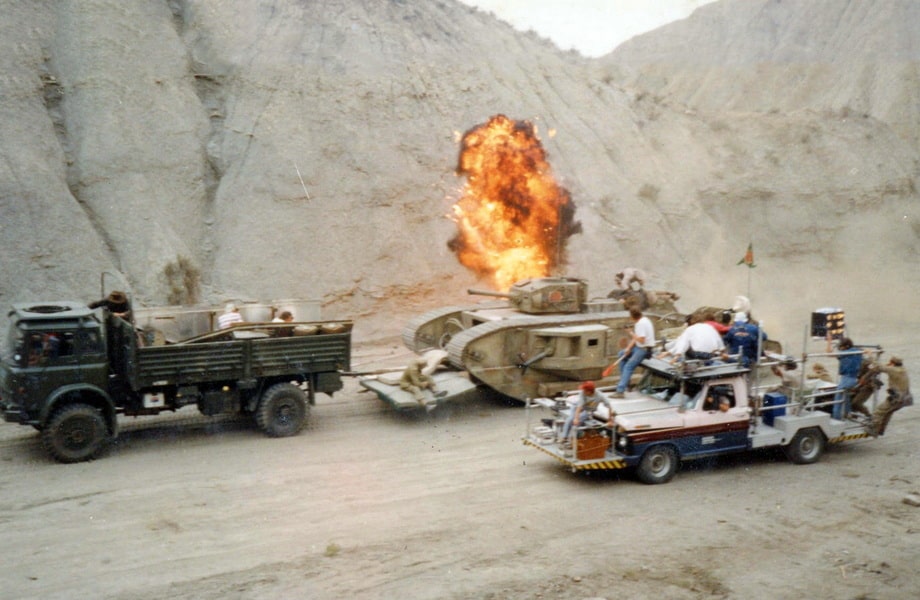
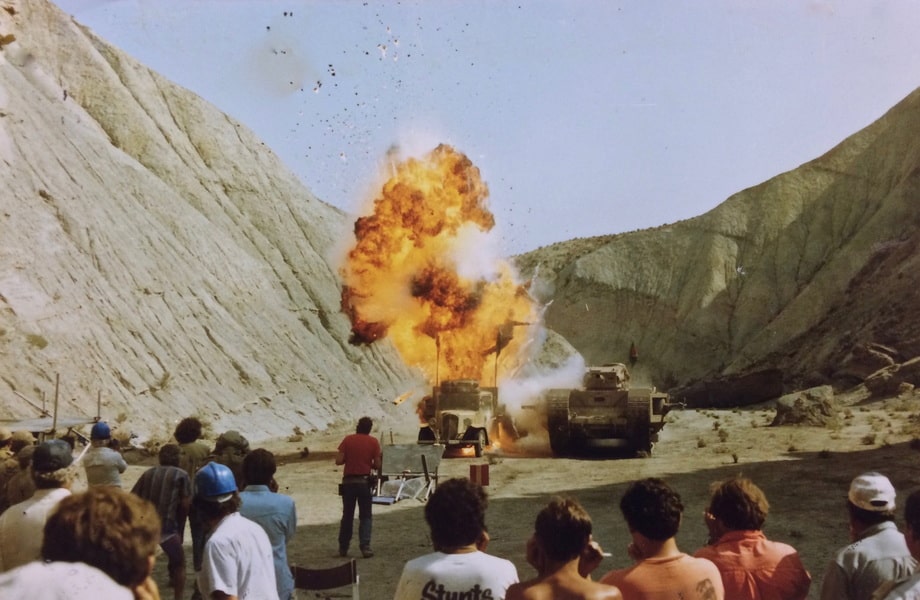
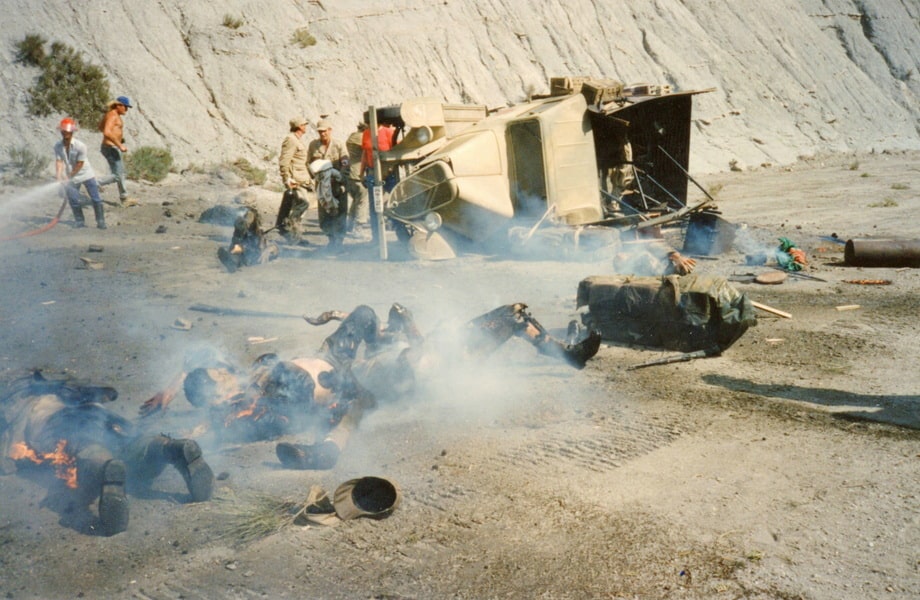
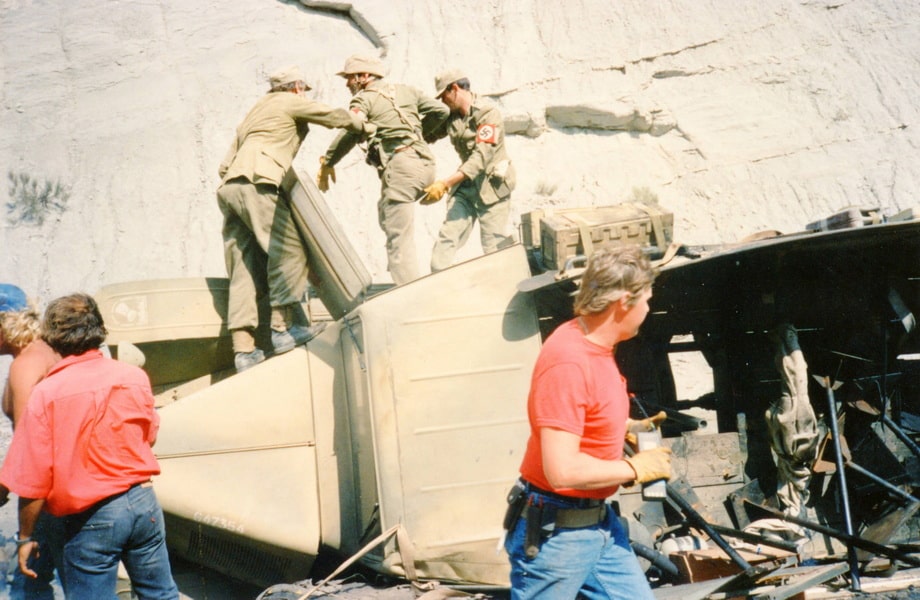
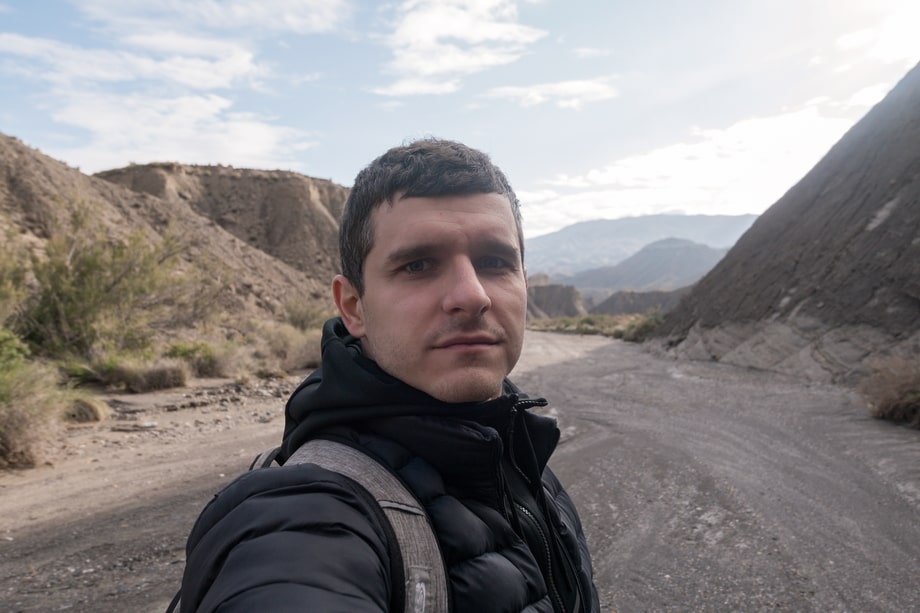
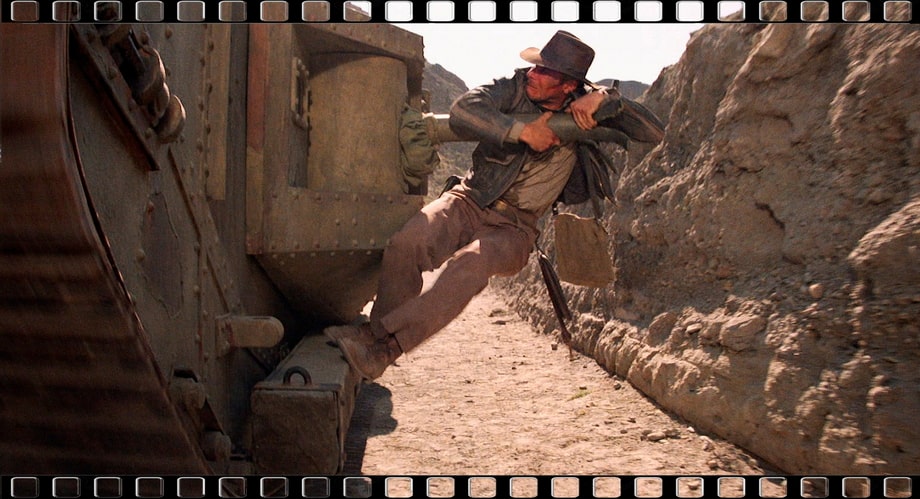
Vic Armstrong was the key but not the only stuntman for Harrison Ford. Jordi Casares, nowadays the most acclaimed stunt coordinator in the business, performed some work for the ‘Last Crusade as well. In 1987, he did horse stunts for ‘The Living Daylights’, a James Bond movie with Timothy Dalton; in 1990, he made it easier for Arnold Schwarzenegger in ‘Total Recall’ and got back again to the 007 series in ‘Tomorrow Never Dies’. While Armstrong was badly hurt by an accident with his knee, Casares did some horse stunts, including the one when Indiana Jones is hanging on one of the side cannons and avoids being squeezed by the rock wall. This short sequence was once again filmed in Rambla De Indalecio.
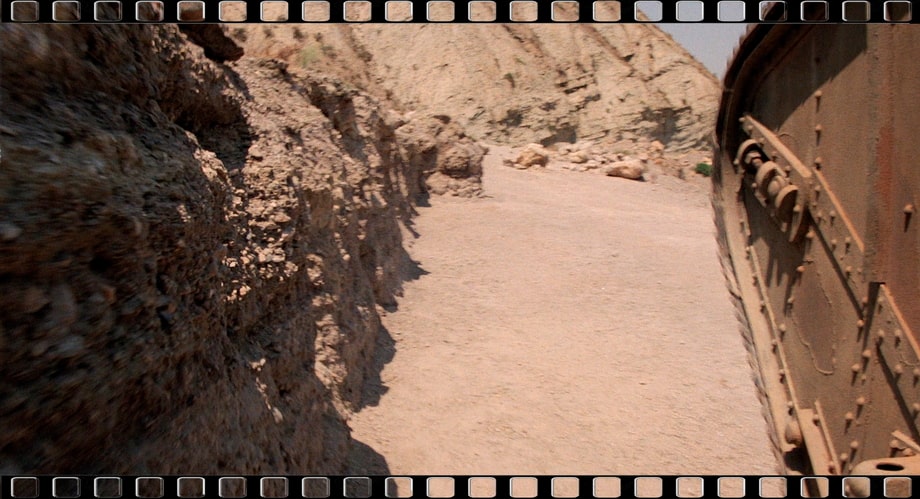
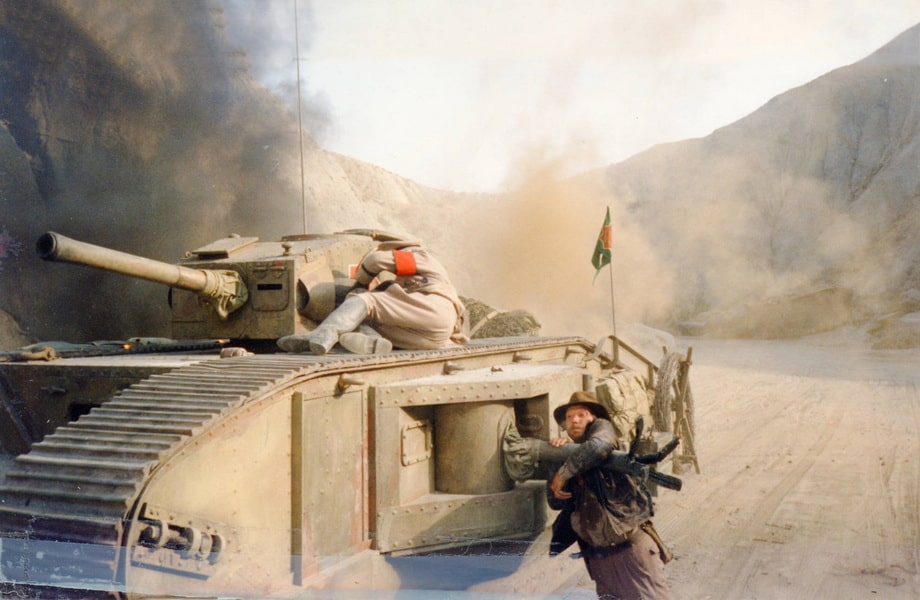
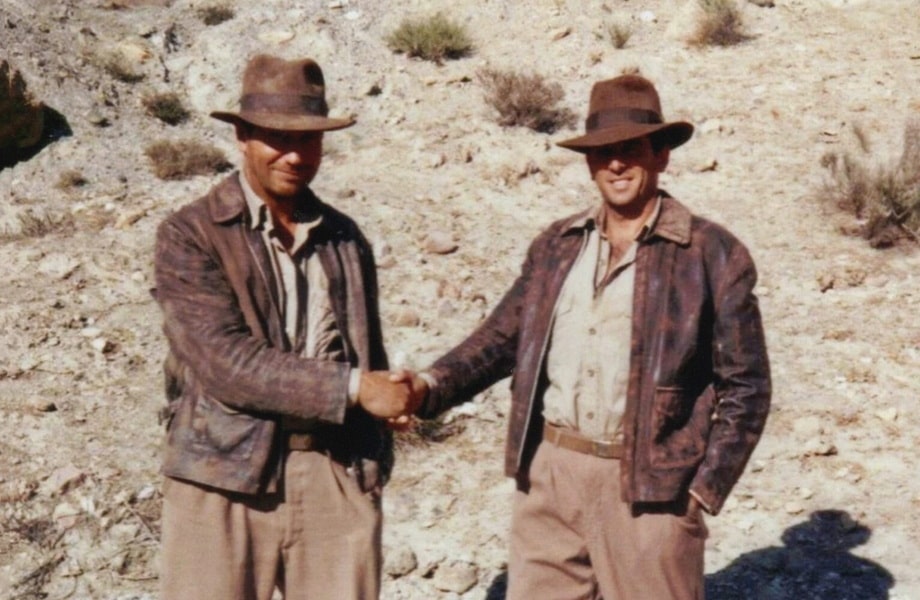
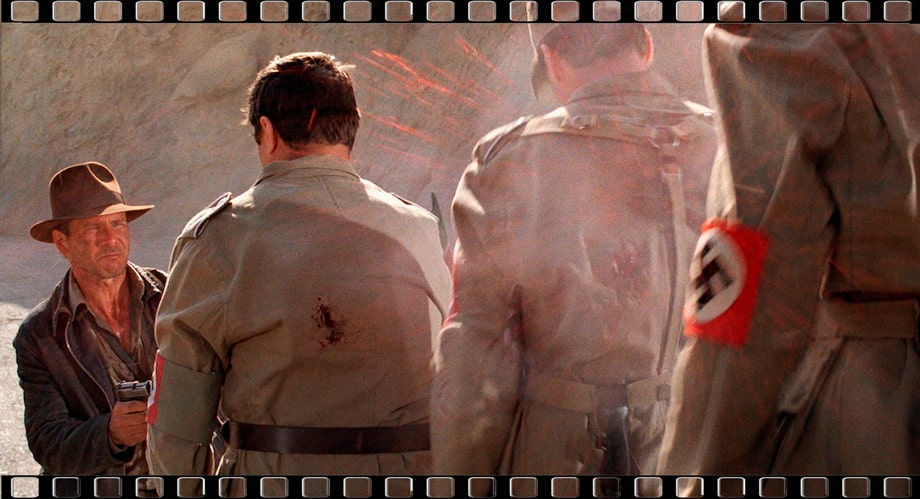
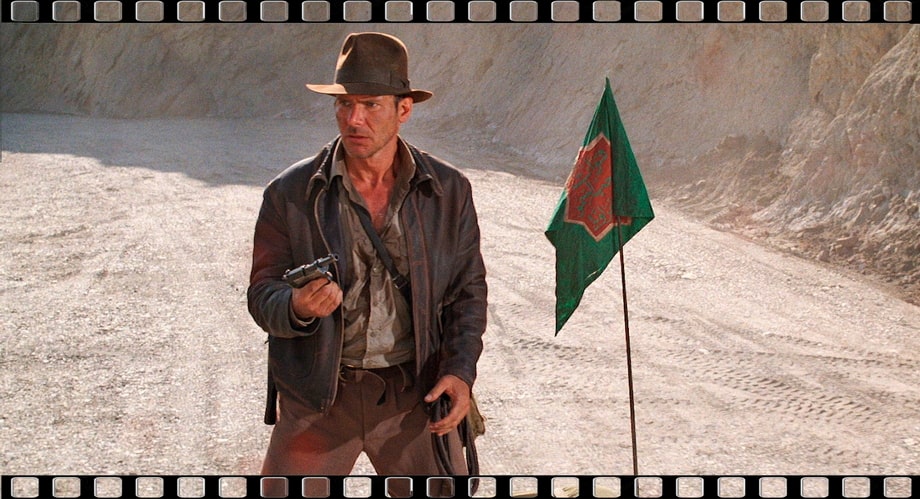
Another peculiar sequence deals with the moment when Indiana Jones used a German gun and shoots three Nazis with one bullet on the top of the tank. This scene was shot in a different location compared with the previous part of the tank chase. This location in the Tabernas desert is called ‘Rambla Viciana’ and it can be found at the arm’s end of the famous ‘Oasis of Lawrence of Arabia’, an artificial island of greenery with palms from the 1960s, which also appeared in ‘A Few Dollars More’ by Sergio Leone. The riverbed of Rambla Viciana is next to the interstate. It is important to note that the modern A-92 interstate that runs across Southern Spain was opened in 1991, three years after the filming of the ‘Last Crusade’, and back in 1988, the filming crew used the older N-340a road.
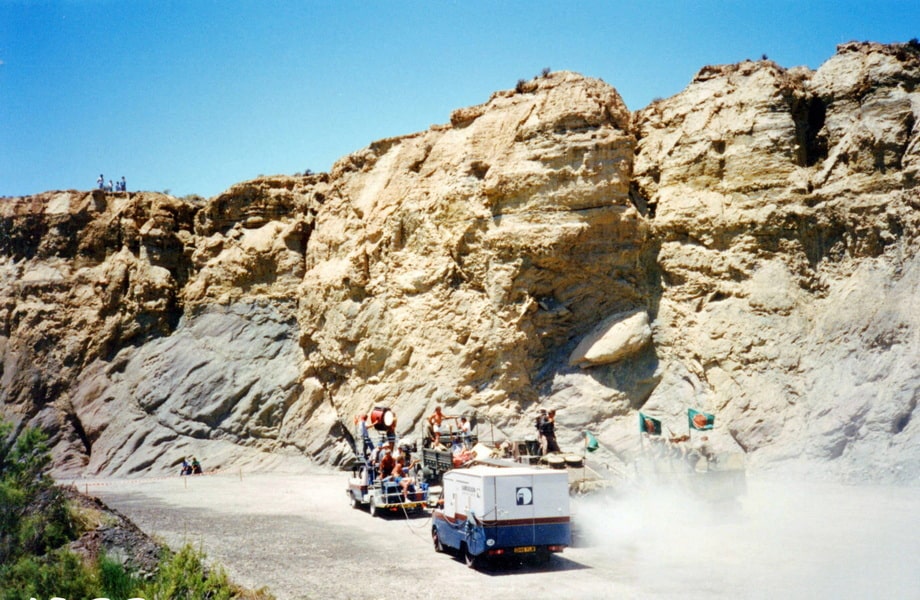
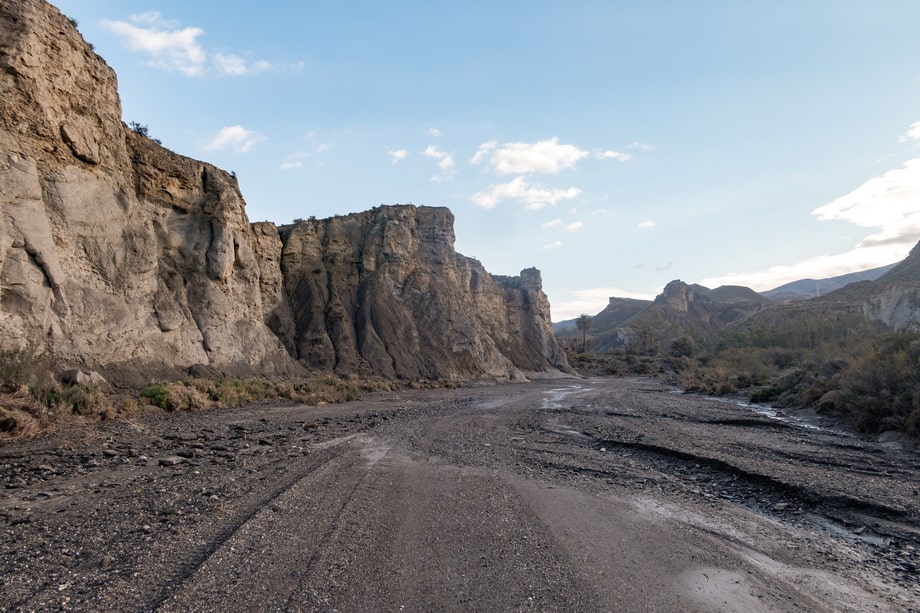
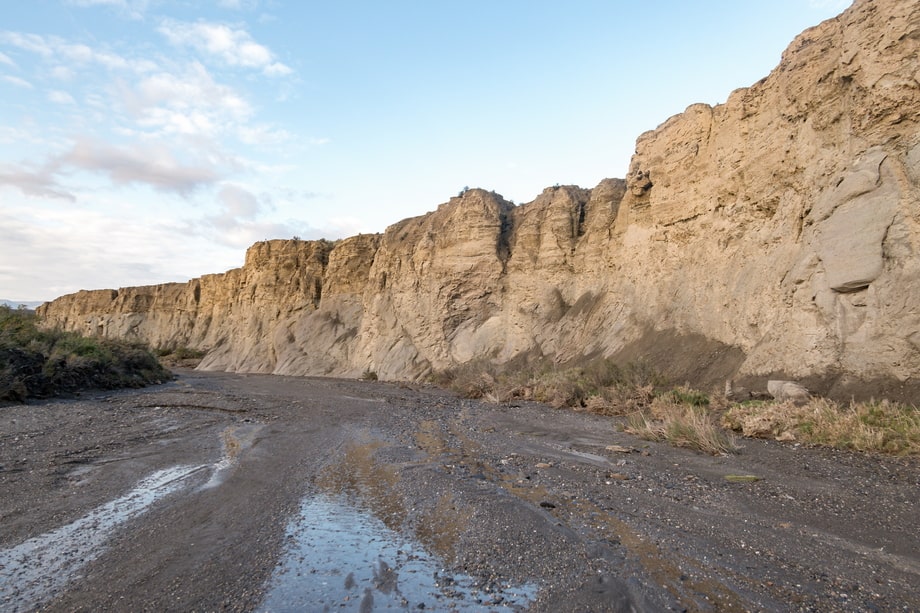
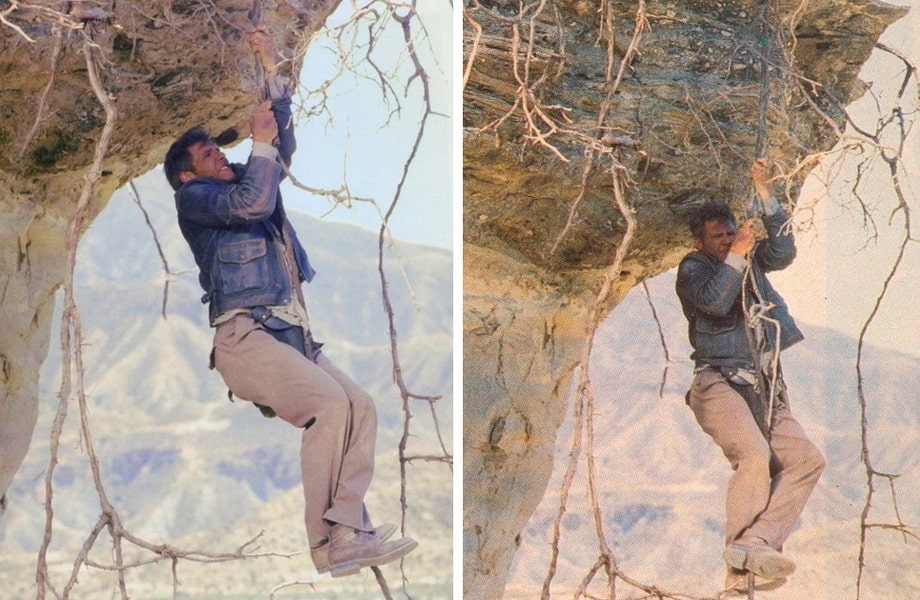
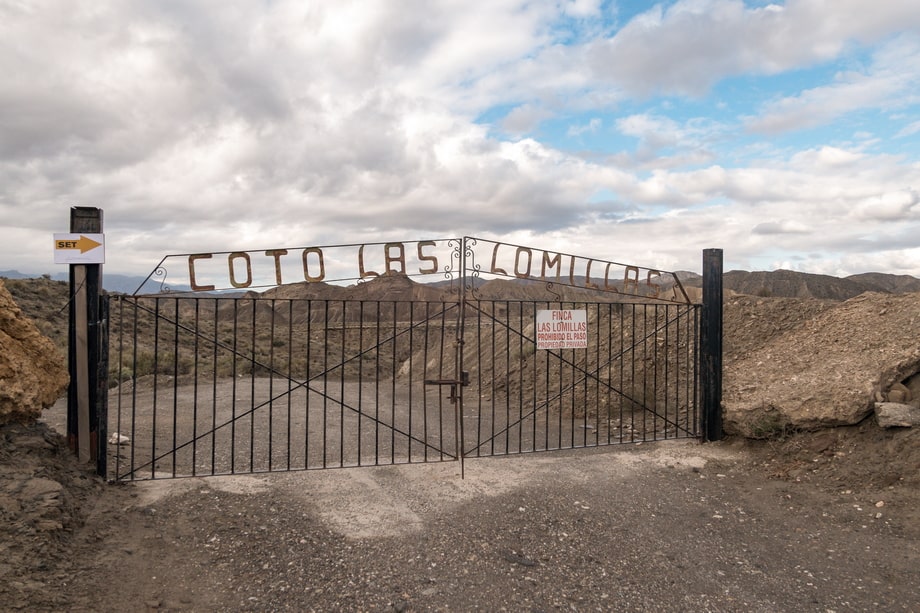
The climax of the tank chase scene is unimaginable today without a thrilling finale with MARK VII tanks going over the cliff. Even after a dozen rewatchings of the ‘Last Crusade’ and with the knowledge of Indie survives, the scene still looks impressive, even with the 2-m prop tank model and a dummy for Vogel used. Vic Armstrong recalled just how amazed he was by Steven Spielberg’s genius of visualizing ideas from his head, sometimes spontaneously. On one occasion, Spielberg noticed the roots hanging from the cliff and asked Armstrong whether they could shoot a scene with Indie hanging on those roots while trying to get himself up to his Father, Sallah, and Marcus. The last few hundred meters of the tank’s chase were filmed in the area called ‘Las Salinas’, which had previously appeared in the above-mentioned ‘The Good, The Bad, The Ugly’. Back in 1966, Clint Eastwood and Elli Wallach met the soldiers in uniform covered with gray mud on this spot. Nowadays, this open site is a part of the private property called ‘Las Lomillas’. Upon my arrival here in December 2019, the gate was closed, but it was easy to make a few steps sideways and pass the gate. A few hundred meters later, I finally came across the cliff from which the tank was supposed to go over. In reality, the height of that cliff is about five meters, and it was the magic of cinema that made the scene look real.
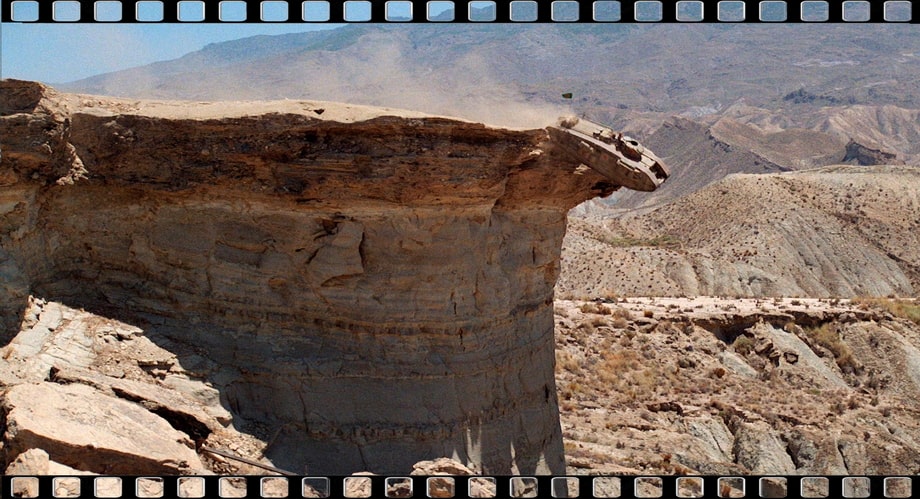
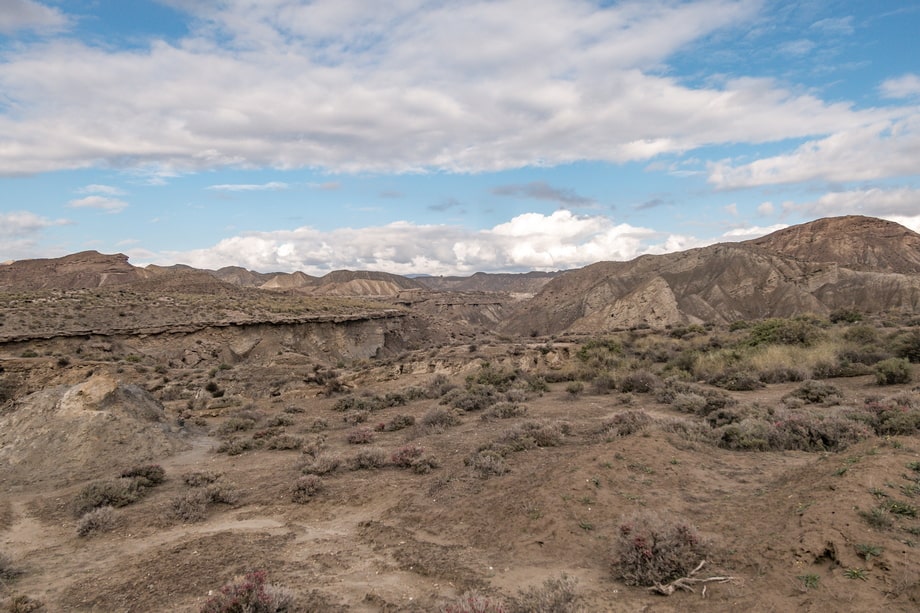
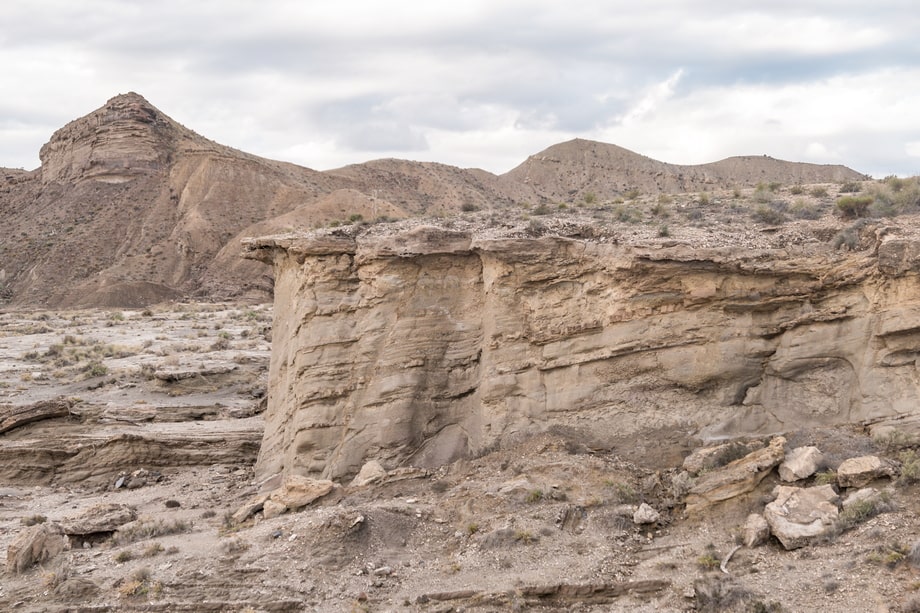
‘Las Salinas’ is located close to the old stone bridge and the N-340a road leading to the town of Tabernas. Back in 1988, the filming crew of the ‘Last Crusade’ set up a kind of camp next to the local bar and gas station to ease the logistics. The camp included two dining rooms capable of accommodating the whole filming crew, as well as fully equipped bathrooms with showers and toilets. The old road in the direction of Tabernas is remarkable due to the famous ‘Oasis Hollywood’, a Western-like town made for ‘A Few Dollars More’ back in 1965.
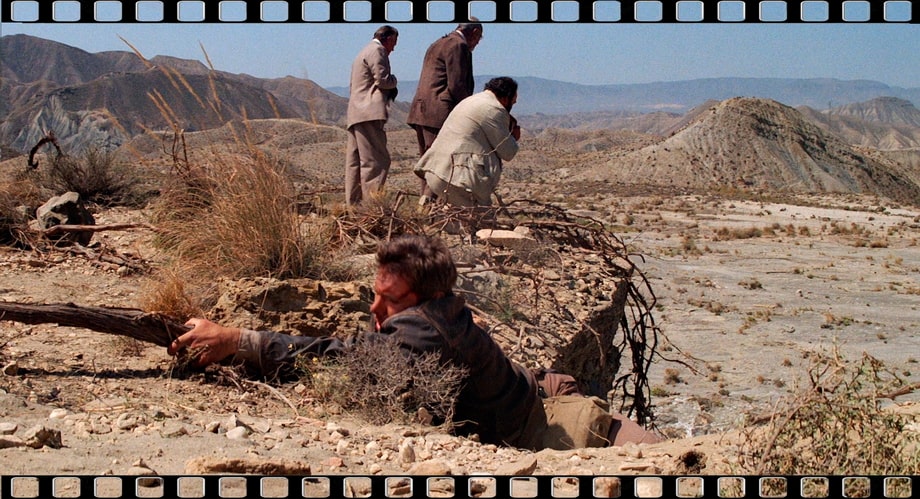
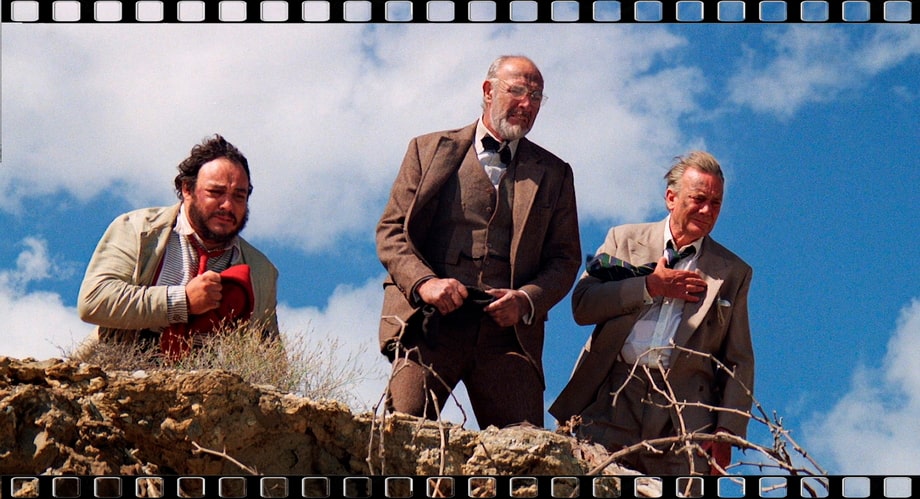
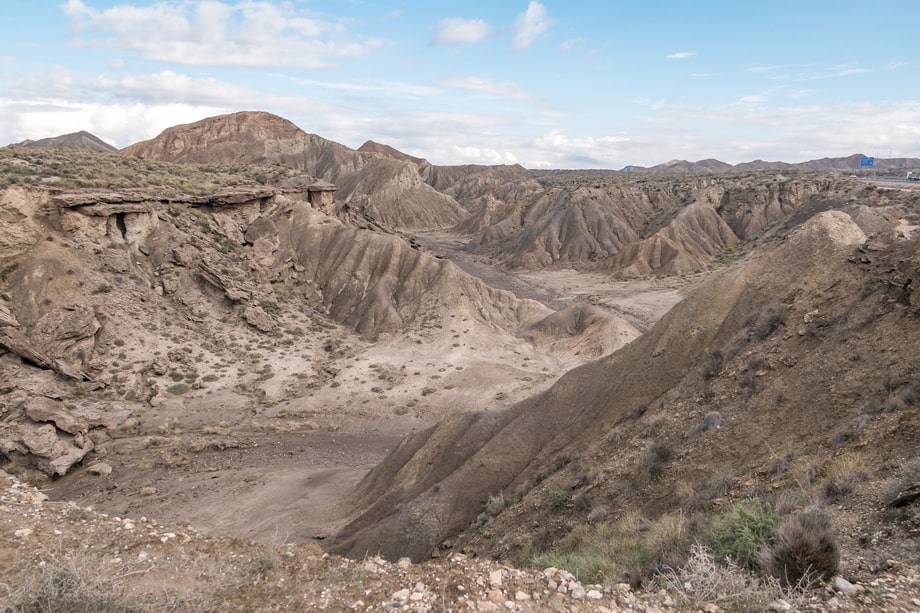
While Vogel and his Nazi soldiers were fighting with Indiana Jones in a tank chase, Walter Donovan, Elsa Schneider, and a group of Hatay soldiers proceeded with their move across the desert. The antagonist uses a binocular and finally identifies the Canyon of the Crescent Moon. This scene is interesting for several reasons. First of all, Elsa and Walter stop at the spot with a picturesque panorama over the desert. This scene was filmed just a few dozen meters next to the old N-340a interstate at the start of another riverbed called Rambla de Otero. The location is also at arm’s length from ‘Rambla Viciana’ (Indie kills three Nazis with one bullet) and ‘Rambla de Lanujar’ (tank hits the lorry). The spot was probably chosen in reference to Sergio Leone and, once again, to one of the scenes from ‘The Good, the Bad, and the Ugly’ when Blondie and Tuco share their income.
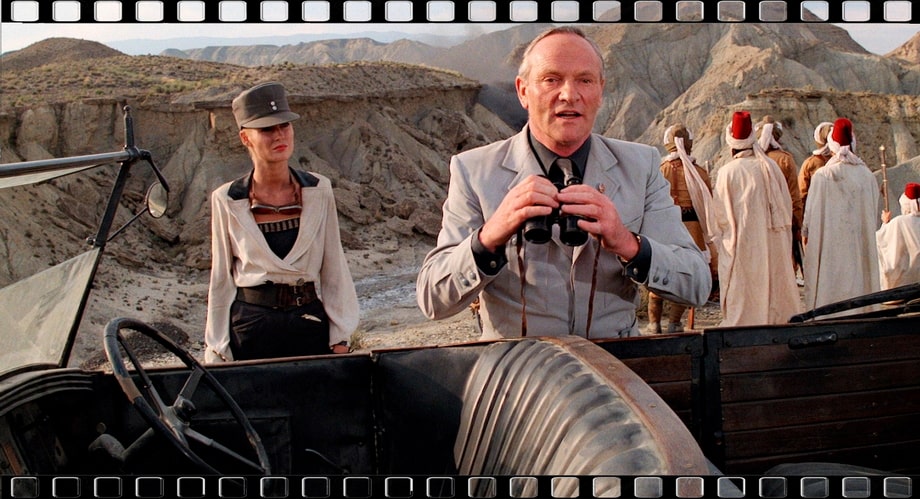
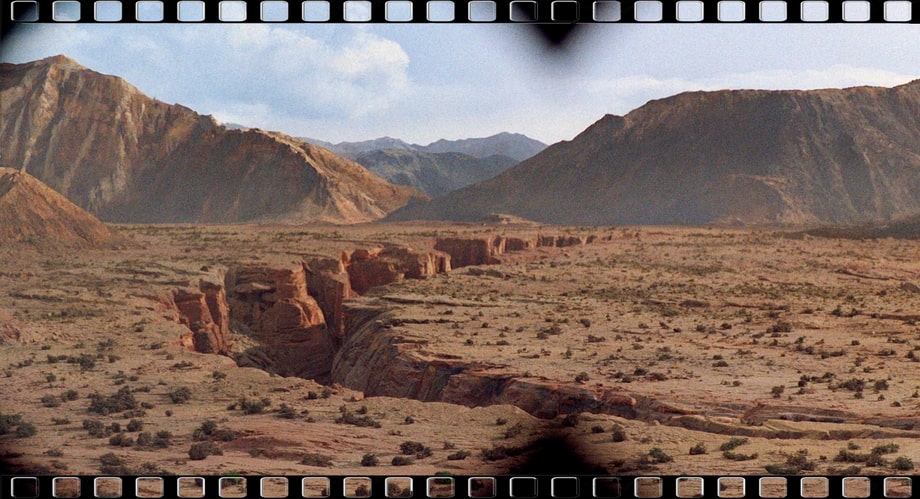
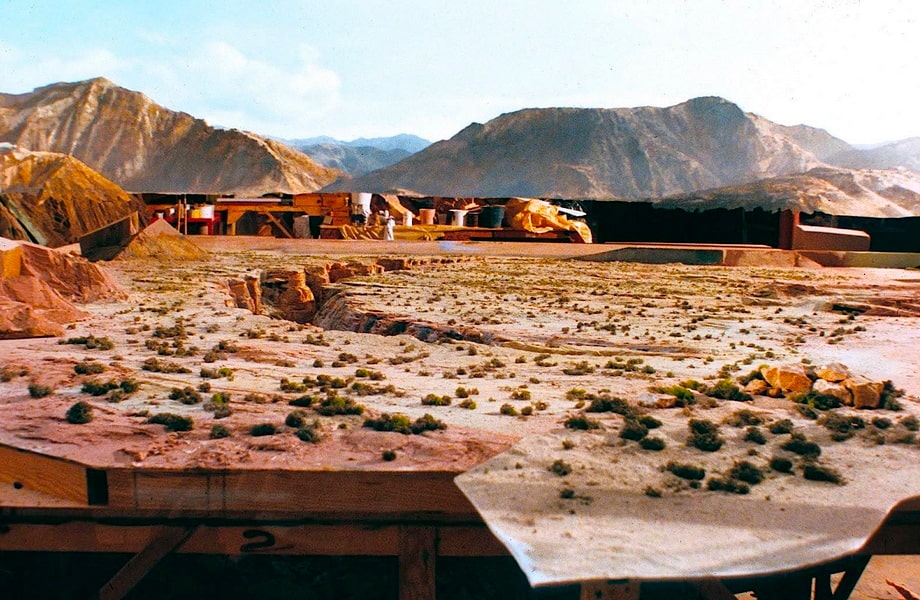
Another interesting fact goes with the picture inside Donovan’s binoculars. At this moment, we see neither the Tabernas desert nor Petra in Jordan yet. The art department, particularly Paul Huston, created a multi-layered model of this panorama to add depth to the composition. At the time of the making of the Last Crusade, Huston had already been an acclaimed model maker, a production designer of miniatures, and had worked with both Spielberg (Close Encounters of the Third Kind, Poltergeist, Empire of the Sun) and Lucas (Star Wars series). After the ‘Temple of Doom,’ Huston became a chief model maker in ILM, and for the ‘Last Crusade,’ he also created a model of the invisible bridge for the ‘Leap of Faith’ scene. Nowadays, Huston works as one of the leading digital artists in the industry and cooperates with Disney, Warner Bros., and Paramount.
Read me
Three decades after finale of Quantum Leap, Sam Beckett, and Al still own a part of our hearts and have lessons to teach us

Read me
Let’s deepen into the rhetoric of Ex Machina, one of the best SCI-FI movies of the recent years and try to find the answer what it is to be human

Read me
An incredible true and dramatic story of the firefighter squad of Arizona comes to be one of the best drama movies of the past few years. Only the Brave story deserves attention
Read me
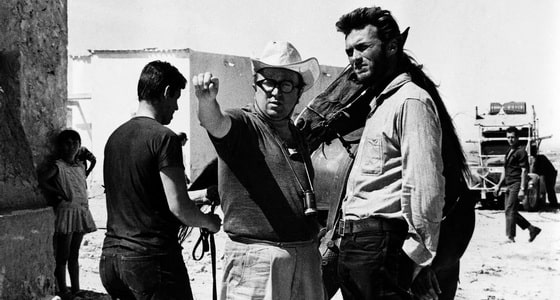
In December 2019 I walked 30 kilometers across the Tabernas desert near Almeria in southern Spain to find all key Dollars trilogy filming locations for ‘A Fistful of Dollars’, ‘A few dollars more’, and ‘The Good, The Bad, The Ugly’.
Read me
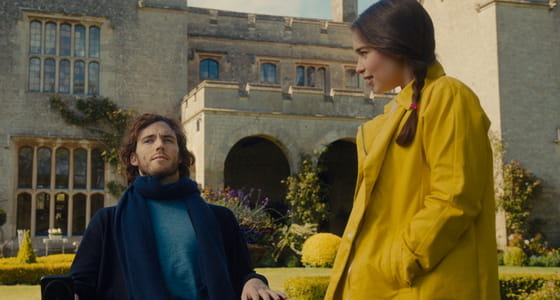
The relationship between Will Traynor and Lou Clark in both Jojo Moyes’ book and a film adaptation may serve a source of inspiration and kindness worth our attention

Read me
My incredibly detailed walking tour along the BEFORE SUNSET filming locations in Paris, France. Richard Linklater’s romantic masterpiece and its second chapter.
Congrats!