


 5,00
5,00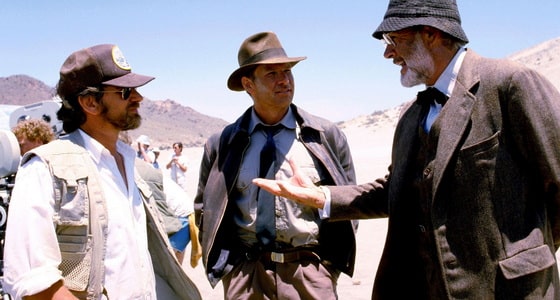
Read me
Indiana Jones Almeria locations
Back in 2019 I was fortunate enough to visit Southern Spain and the locations of Indiana Jones and the last Crusade near the city of Almeria
FILMING LOCATIONS

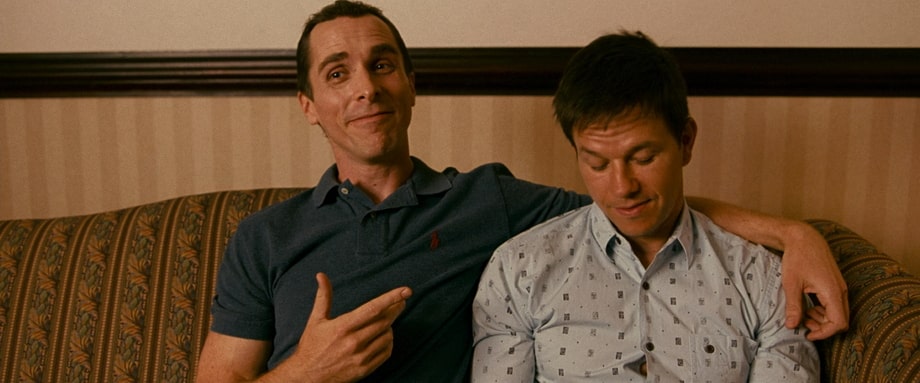
With the Fighter, David O’Russell managed to reinvent the conventional boxing drama pattern with two outstanding characters, Dick Eklund (Christian Bale) and Micky Ward (Mark Walberg)
It has been suggested and argued for decades that every sports drama about boxing exploits the same basic features. Underdogs with poor early careers or having a series of harsh setbacks find the strength to win the title. David O’Russell’s The Fighter indeed has enough similarities to the iconic Rocky. Micky Ward, like the Italian Stallone, comes to the understanding that he is thirty years old and has neither a brilliant future in sports nor money nor a girlfriend. His time is running out, but hard work and persistence, instead of taking advantage of someone else’s glory, can lead this ‘average guy’ to the champion’s rostrum. The Fighter indeed finds a lot of inspiration in ‘Rocky’, Ron Howard’s ‘Cinderella Man’, ‘Million Dollar Baby’ by Eastwood, and even Scrocese’s ‘Raging Bull’. On the other hand, in evident contrast to his predecessors, the story of the Eklund/Ward family is as dramatic and absorbing as the boxing itself, and the sports here serve as a character’s background rather than social drama made for speaking about boxing. A thorny path to glory here lies in overcoming complicated layers of human relationships between parents and children, sisters and brothers, neighbors and outsiders, a boxer and a bar girl. Intensified by the fact of being based on real events with real people beyond the script, the performance of the actors is being put together in such a convincing way that we might lose the barrier between the HBO documentary, a film inside the film, and the actors.
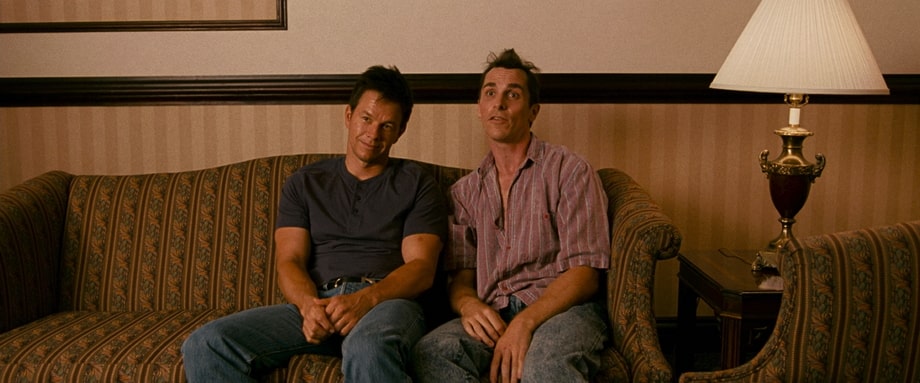
While getting into the Fighter character analysis, Micky Ward is depicted as a man with a big heart for his family and those people he has known for years in his neighborhood. He was raised in a family with a brother and seven sisters amid the depressing part of Lowell, Massachusetts, the city in which the best times had passed. His former girlfriend or wife does not want Micky to see their daughter. He is a professional boxer with a relatively good record of fights, but his mother, Alice, has long ago seized control over her son’s career, and her management skills are highly debated. Instead of getting professional training, Micky knows no alternative than to rely on his elder brother Dicky, a drug-addicted former boxer. Instead of focusing primarily on boxing, the poor financial outcomes of his previous fights made Micky work a road roller with his brother and father. He experiences sympathy toward a bar girl in a local pub, but all his physical strength does not give him enough confidence to get Charlene’s telephone number. One would assume that Micky is not successful purely due to the crab mentality of his family, the grudging or selfishness of his mother, or a bad social background in Lowell. In reality, the issue is more complex, even in the context of a mass-market movie.

The only person who should be blamed for our faults is ourselves, and it is Micky who has not asserted his self-importance to his family. At the beginning of the story and particularly starting from the opening scene, Micky Ward is shown in the complete shadow of his troubled, marginal brother. The youngest son was raised in an atmosphere of admiration and a local cult of Dick Eklund, ‘the pride of Lowell’. For nearly thirty years, Micky has been existing in the shadow of his brother, both in boxing and private life, even though Eklund has long ago turned himself into a shameful example of a lowlife. It is doubly dramatic that the family lives in a faked, or better to say, not anymore relevant bubble of glorifying Dicky, automatically leaving his more up-and-coming younger brother on the roadside of public attention. Even for people in the neighborhood, Micky Ward has always been an affiliate to his brother, a man in the shadow, silent and modest, who is not accustomed to tooting his horn.

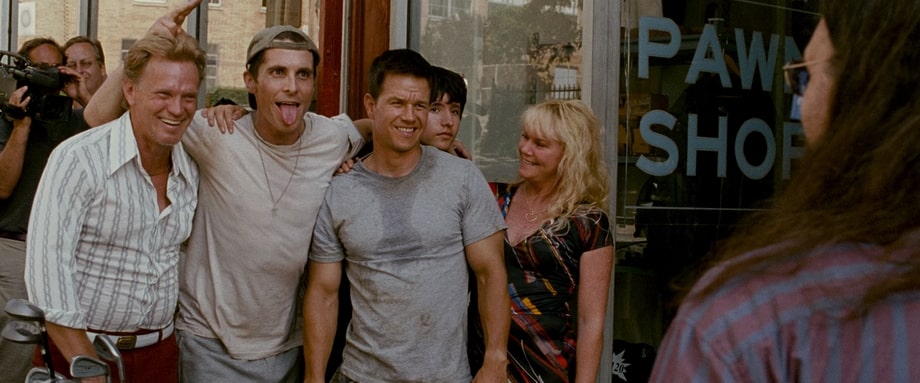

Even leaving the social background aside, Micky is probably a better and more consistent boxer than his brother ever was, despite the fixed moment of glory with “Sugar” Ray Leonard. The tragedy of Micky lies in the fact that despite Dicky’s marginal existence in the present, nobody sees the superiority of the younger brother behind Eklund’s image from the past. It is important to note that when Dicky openly asks his brother whether he had knocked out Leonard, Micky reveals that he never took this argument for granted. It is a conventional situation when the younger brother takes their older sibling as an example and a role model, even if the older brother is not a good example to follow as Dick Eklund is. As the story appears to show us later during sparring after Dicky’s release from prison, Micky has never tried to overshadow his brother, this drug-addicted skeleton. It is, of course, impossible to find any reasons for admiration in Dick Eklund, but Micky still felt himself not worthy enough of being better than the 1978 moment of glory of his brother. Micky’s tragedy is seeing the drug-decomposing brother, which makes him even more likely to lose another fight in Las Vegas. Micky cares about his family more than boxing and anything else, and it is so hard for him to admit that he is worth his moment of glory.

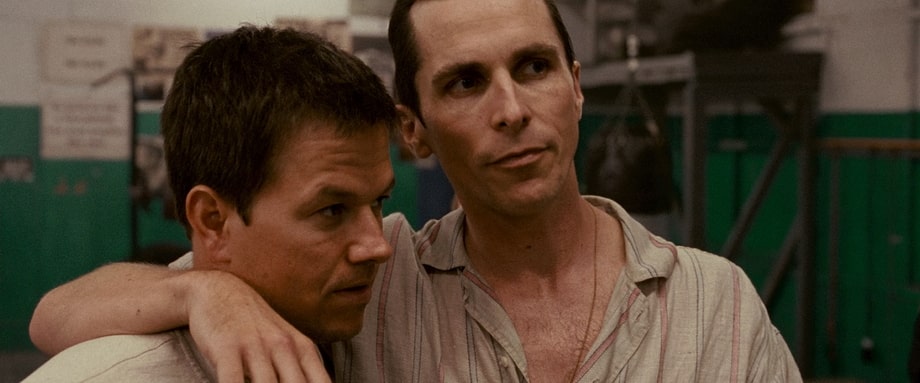
While philosophically, Micky is of course responsible for his life, the boxing management skills of his mother Alice, are doubtful. Her only experience was with her two sons, and both Dicky’s and Micky’s careers are perfect. Even leaving the question of how the manager and mother let her son and boxer become drug addicted instead of running a successful career, Ward has struggled to be regarded as a mediocre fighter. Regrettably, for years, Alice has been so concerned with preserving the status of a solo decisive figure for Micky that she missed several alternatives for her son as a mother. Her conspiracy-like paranoia toward businessmen and investors, the ESPN and HBO officials, deprived Ward of a potential sponsorship. The question was always either his family or some strangers who wanted to take advantage of Micky, which was, of course, not true. While Ward’s opponents were mostly professional-oriented fighters, Micky worked as a road roller and had to rely on his marginal brother.

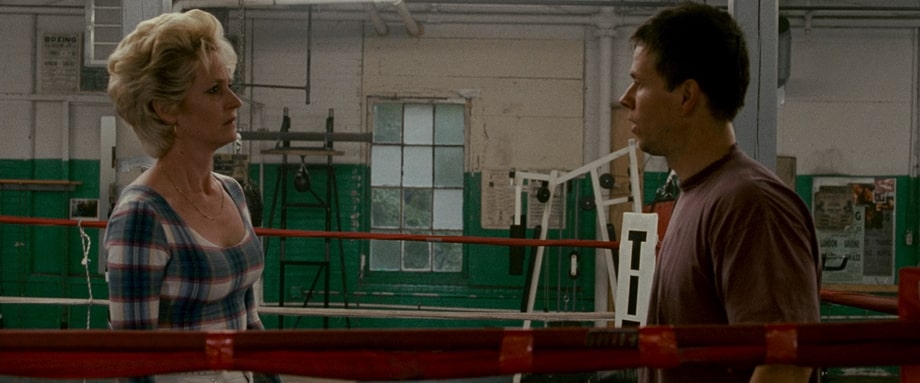
In a scene in a bar, Charlene tells Micky that she has heard he is a stepping stone for other fighters, which Ward denies. Such an evaluation is painful for him and contrasts with the assurances of his brother that Micky would be a champion one day. The harsh truth is that Ward has been regarded as a stepping stone for other boxers due to his mother’s management. Mike Mungin, a prospective fighter who was out of prison for just a few months, needed a launching pad on his way up, and Ward was chosen as a sacrificial lamb. The difference in weight was the case, but not the main reason for such a pair. Alice and Dicky had no competence to evaluate the danger correctly, and the only thing they could say was ‘ESPN screwed us.’ For years Micky Ward was not considered a real contender on the ground of his poor management and the bad reputation of his family; a long shadow of someone else’s faults (of Dicky) deprived Ward of a chance to become a star.
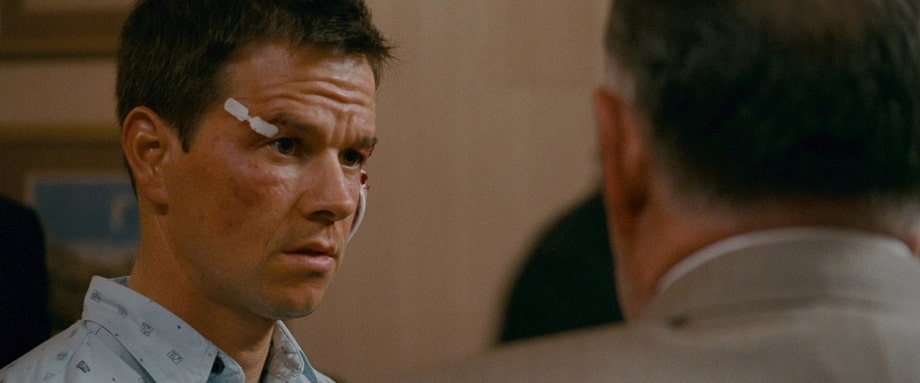
A relationship with Charlene finally becomes the impetus that can reestablish Micky’s boxing career and life in a wider sense. A tough, sharp-tongued but beautiful female bartender missed all her chances in the past. She was too concerned with going out in her college years to get a diploma or chase sports ambitions. Her daily routine finally got no further than heavy drinking and being a sexual desire for local blue-collar men in Lowell. One would say that she took advantage of Micky as a potential champion, while it was she who took him out of the very bottom and depression. In contrast to her usual scornful attitude toward men, she came to Micky’s house, took care of his wounds, and became his girlfriend regardless of Ward’s missed chance on the ring. Instead of becoming a contender for the title, he got holes in his face and deflated self-esteem. Micky has had relationships with women before, especially considering having a daughter, but it was Charlene who told him to face the fact that his family is more harmful to his career and life than anyone else.

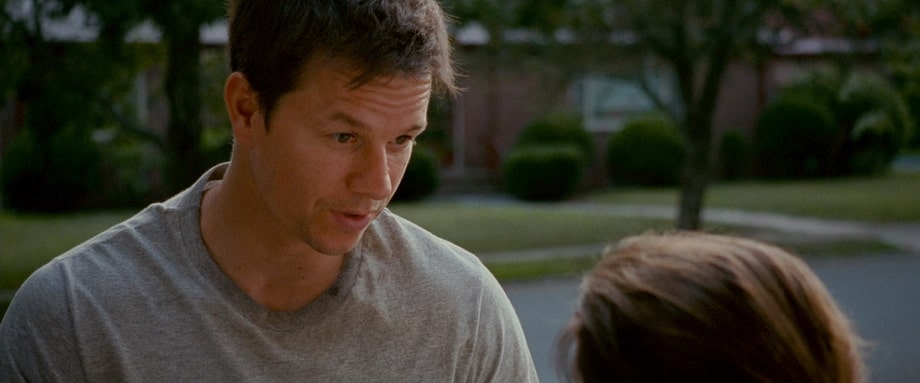
In a philosophical sense, after years of depressing routine without a way out, Micky heard a meta overview of his life from someone beyond his family. Charlene is an outsider, which makes it easier to see that losing a fight to a guy nine kilograms heavier is inevitable. From the very first encounter with Micky’s family, Charlene distanced herself from them and tried to drag him out of this mess with Alice and drug-addicted Dicky. When Eklund’s attempts to get money for Micky ended up in jail for illegal action and an assault on policemen, his brother was left with a broken hand. Charlene finally got the argument to convince Micky to create distance between him and his family. Not because they are poor, evil, but because he needs a chance to try to do the thing the other way. Charlene believes in Micky as much as his family does, but she protects him from a never-ending family drama and the forever second place for Mickey behind the back of his older brother. Finally, with Dicky in prison, Micky gets the chance to step out of the shade, and this is an example when initially the secondary character is more important than the main star.
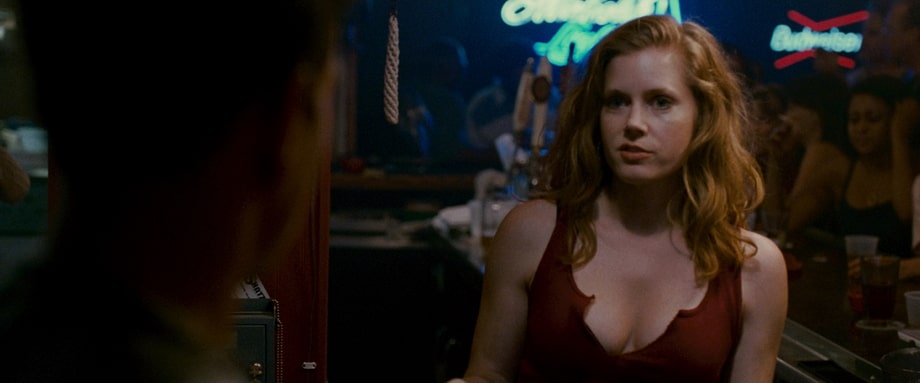
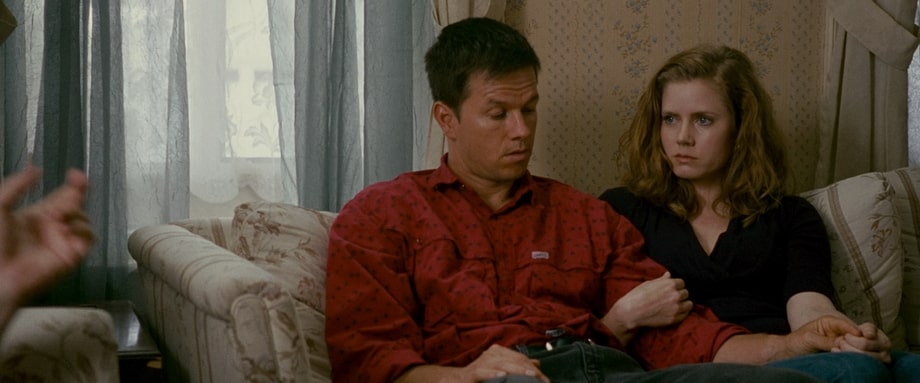
In Micky’s case, his father is the only person in the family who can improve his son’s career when he is finally allowed to do this. For George, a little family conspiracy is also a chance to step forward out of Alice’s long shadow. He has no experience in boxing management, yet George is deeply and self-forgetfully concerned about his son’s future, and he finds a sponsor for Micky, which lets the boxer finally focus on training. Even the image of a self-denying trainer and policeman O’Keefe serves as a strong contrast to a criminal and pathologically unreliable Dicky. O’Keefe is another person who has been close to Micky for a long time despite all the setbacks. Now Micky gets the chance to get to the top, and it is a long way, but the right direction is more important than the speed. Ward was never super talented or lucky, but access to a better and, which is more importantly, consistent training and better promotion from Sal Lanano made great things. After years of being pulled in different directions, Micky finally finds the will for victory, gains self-assertiveness in his strength, and does a hard job to make it happen.
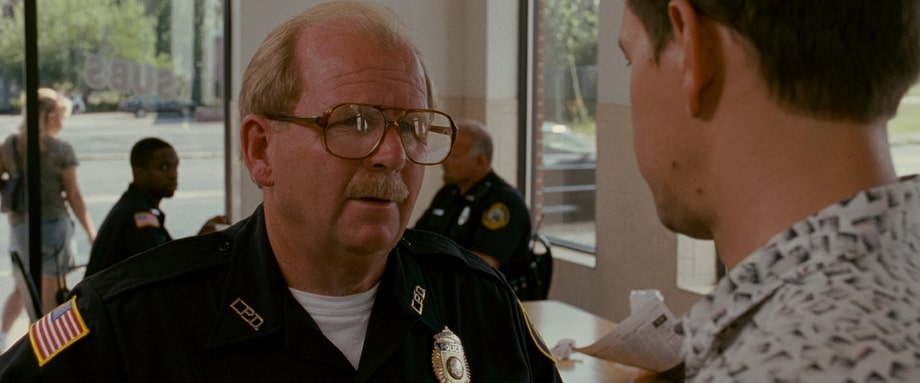
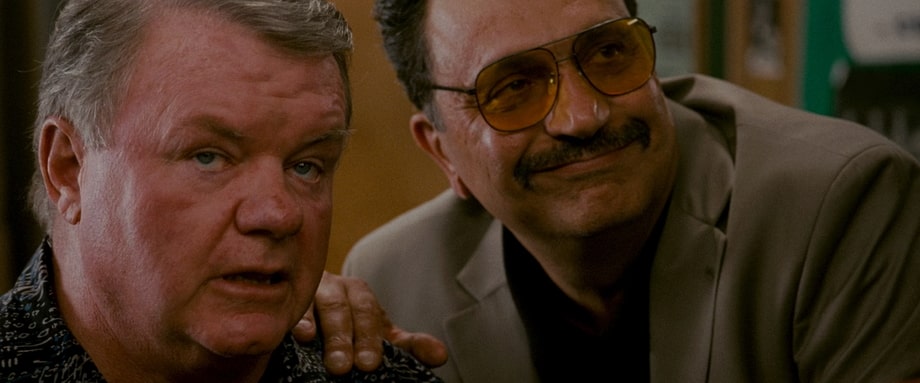
In an emotional scene in the training hall, Ward finally opens his heart and thoughts to the others. He needs his family next to him as help rather than interference. For his family, the point was always in acting selflessly for Micky, and now they all have to unite and abandon their differences with O’Keefe, Sal, and particularly Charlene to help Micky achieve his goal. It is time to admit that an outsider may know what is better for your son or brother. With such a nervous breakdown, Ward shows Alice and Dicky what should be done to truly support him. After years of living in the shadow of the older brother, the family finally put Micky in the spotlight of their attention and care, at the forefront of their motives and desires. As Dicky succeeded in overcoming the drug addiction, his boxing instincts and skills finally merge with reliability and let Micky improve his chances to get the title not only for Ward but for the whole family.

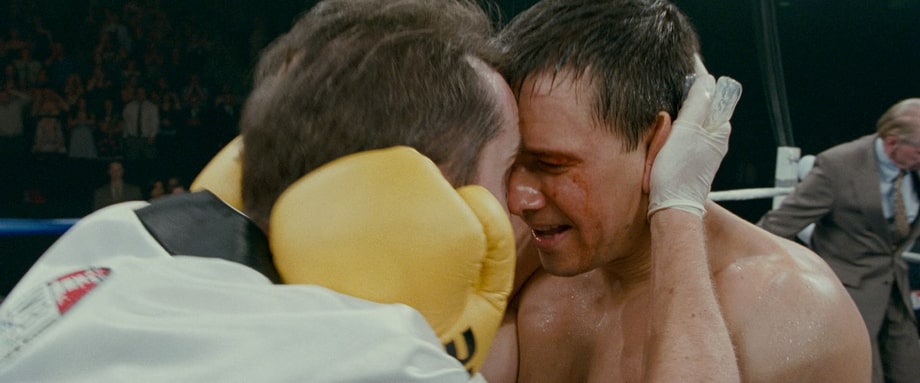
While Mark Wahlberg was the driving force behind the creation of The Fighter and played a key role, it was Christian Bale who received the major part of public attention after its release. Some professional journalists went as far as their admiration of Bale’s performance and used a metaphor of ‘chameleon dedication’ with obvious reference to his ability to lose weight for the role as well. His crack-addicted Dicky Eklund is not so much a replica of the real person as Bale’s brilliant interpretation. While Micky Ward makes his journey to step out of the shadow of his elder brother, Walberg himself never manages to overshadow Bale’s Oskar performance. Neither his loss of weight nor his made-up Boston accent (the actor was born in Wales) and addicted-like behavior makes the cinematic Dick Eklund a remarkable character, but a fight with his inner demons, which may result in either destroying or uniting his family.
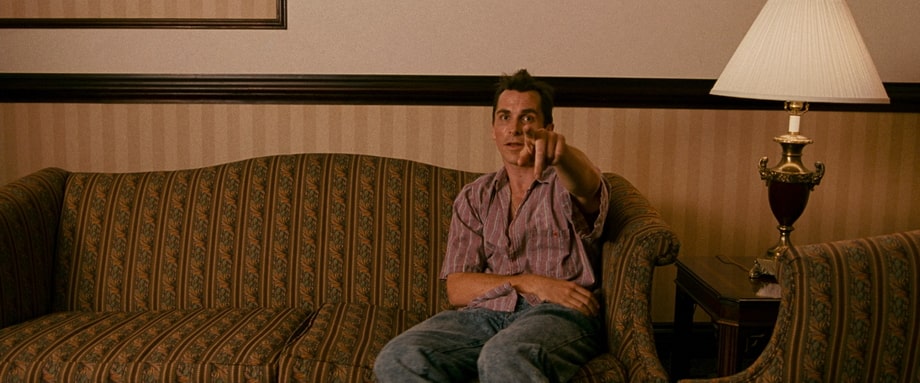
To start with, Dicky is not an evil character who intentionally harms his brother because of jealousy or injured vanity. He is sincere in the desire to help Micky become a successful boxer and assist Alice in management. Dicky has been overtaken by the use of drugs, the marginal surroundings, and years of living in social oblivion to the extent that his existence in this way harms his family. It would not be an exaggeration to say that Dicky’s illness is the most tragic event in the lives of both Micky Ward and their mother Alice. They all used themselves to pretend that nothing serious was happening, that the rumors were just rumors, and that one day Dicky would once again be a man they could be proud of. The movie does an excellent job in the opening scene by introducing the HBO documentary crew, another means to make the story look even more true. The real name of that documentary is ‘High on Crack Street: Lost Lives in Lowell’ and it focused on three main characters, Dick Eklund being one of them.
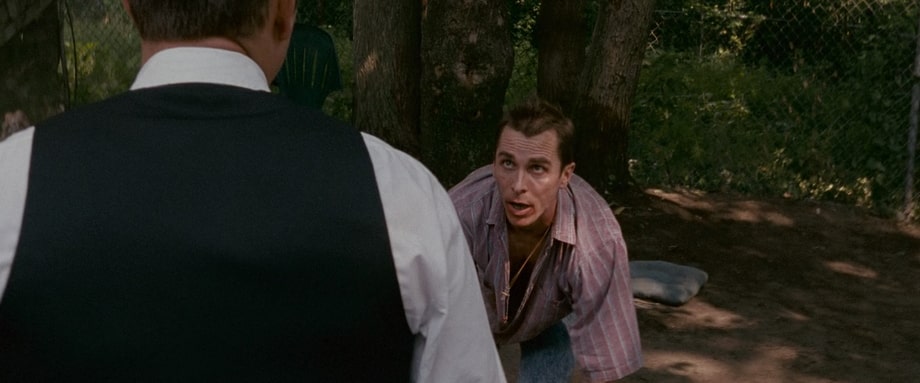
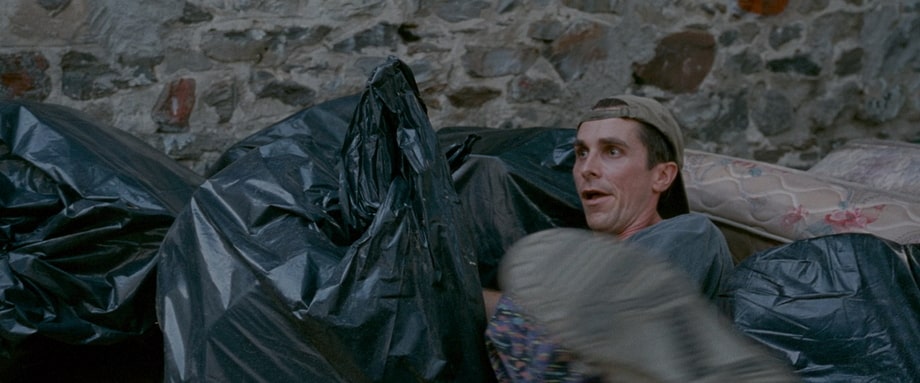
The tragedy of the Ward/Eklund family lies in the fact that they had been so successful in pretending that they did not grasp the fact that HBO filmed Dicky as an example of social degradation. One would say it was too naive to suppose that the boxing world might be interested in Eklund’s comeback as a professional boxer. No one in the family wanted to face the truth and ruin the image of ‘The Pride of Lowell’. It was this kind of attitude that influenced Dicky’s fall to the bottom. Back in his years of glory, Dick Eklund was surrounded by the attention of the euphoric scale, which hit him more severely than any punches in the ring. He lost his major fight with the role of being a big frog in a small puddle of Lowell, the man who stepped across “Sugar” Ray Leonard. The Fighter teaches us that such a selfish attitude diminishes the importance of people around you and may have a prolonged effect. More than that, it can drag other innocent people down with the former star. Dick Eklund in some way got word recognition for a moment, but he slapped to the very bottom.
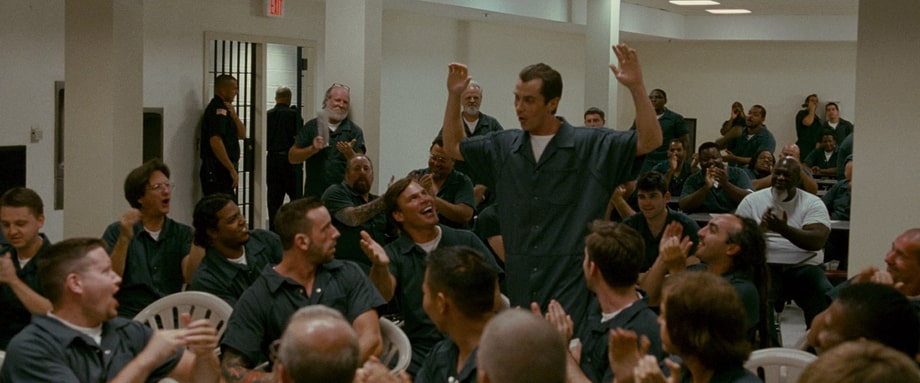
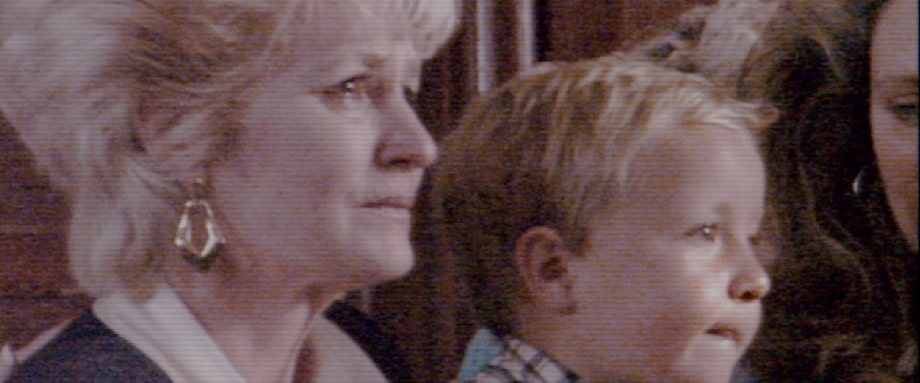
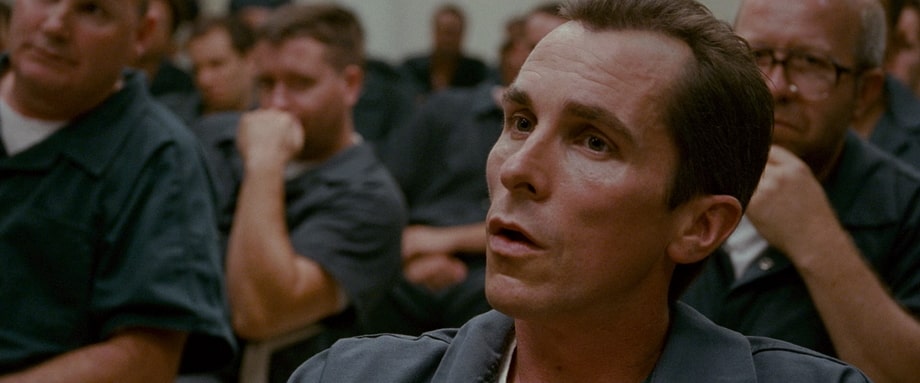
The problem of addiction and crack addiction of Dicky is only a metaphor, which is one of the central issues in ‘The Fighter’. The story gave us no details on the downfall of Eklund from stardom to the trap house, yet his experience should serve as a lesson to everyone. The drugs have ruled his physical and mental life for years, but they also tore apart people around him and his family, thus ruining more than one life. Dicky has a little son, but beyond infrequently cheering up a child, he is not present in his life. Eklund has a girlfriend, but it is obvious that he has ruined her life as well. It is hard to imagine a more painful experience for his mother, Alice, than watching her son’s degradation and years-long decomposition in physical appearance and mental abilities. It is maybe twice more tragic regarding the fact that Dicky once had a chance to become a star and to take care of all his family. Instead of becoming the key caregiver, he has become a burden for all, a painful reminder of the never-fulfilled dreams.
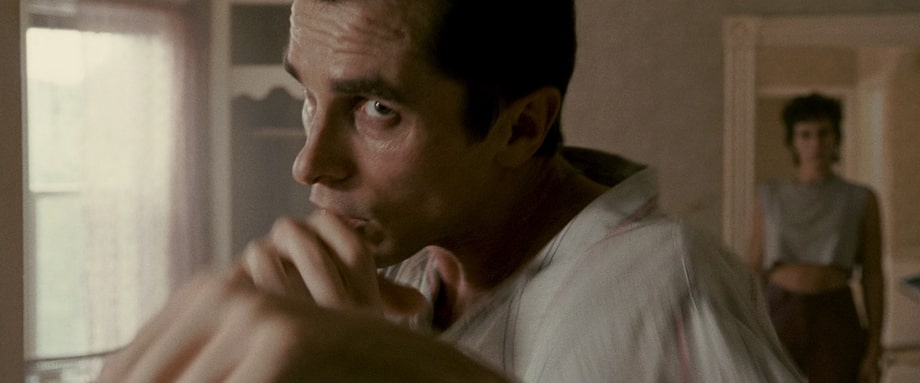
Dicky’s decay stagnated the career of his younger brother Micky Ward, who for years had to rely on his elder brother and former hero. Dicky has preserved his boxing instincts, but his drug addiction leaves him less and less time for his family. He misses the training sessions, the family has to wait for Dicky on the most important day for his brother yet, while Eklund forgets himself among the crack-addicted marginals. The drugs have ruined his value system, putting crack higher than anything else in this world, particularly his family. Dicky considers himself a coach of his brother, while it is O’Keefe who gives Micky a chance to train consistently.
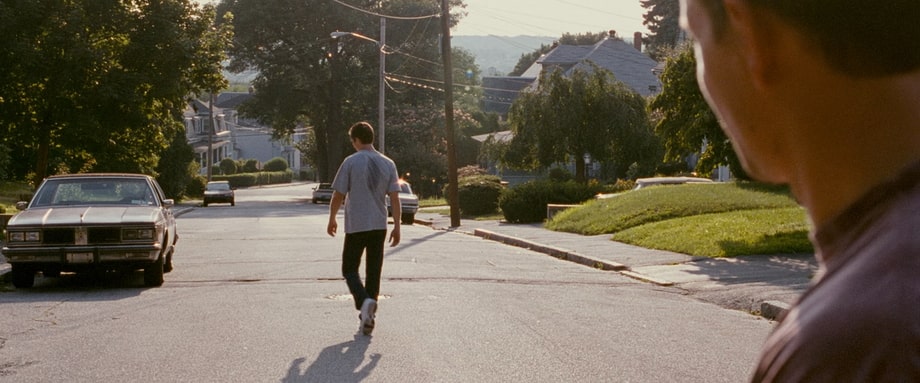
Dicky Eklund got his chance while being in prison without drugs, but his real fight with the demons awaits him upon release and the reunion with Micky. A path to re-establishing his relations with his loved ones lies in destroying illusions about his importance. Dicky has to admit that he is not ‘The Pride of Lowell’ anymore, not a local hero or a role model for his brother, and that he is a former convicted criminal and crack addict. All he can do in this life is give all that is left of him to the family and his brother, Micky. The HBO documentary showed Dicky the real attitude of the people in Lowell about him as a disgrace to the neighborhood and the pain he had caused to his little son. He understands that his imprisonment was a minor result of his actions in comparison with the harm to Micky’s arm and career. Charlene voiced the common wisdom that “Sugar” Ray Leonard slipped on the ring and was not knocked out by Dicky. Finally, any illusion about his return to the ring disappears once Micky easily knocks out Dicky in sparring and comments on the latter’s abilities. Drugs and criminal activity distance Dicky from his family, and what they need is his presence and help, and devoting himself to Micky’s career becomes a light at the end of the tunnel for Eklund.
Read me
Back in 2019 I was fortunate enough to visit Southern Spain and the locations of Indiana Jones and the last Crusade near the city of Almeria

Read me
With the first movie set in Paris, Taken 2 chose Istanbul as a place where Bryan Mills will do everything to protect his family against the criminals
Read me
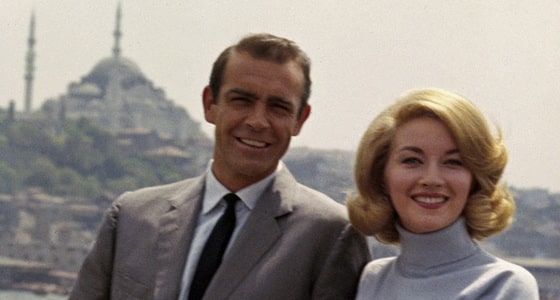
The second James Bond movie takes place in magnificent Istanbul and sixty years after the premiere, many of the original filming locations have slightly changed since filming of the 007 series
Read me
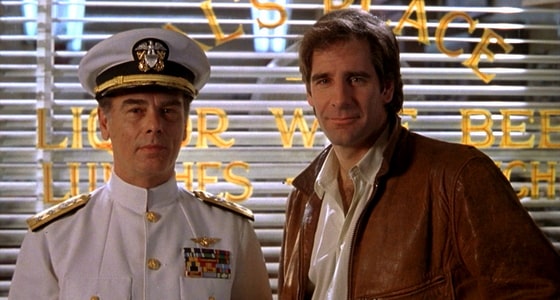
Three decades after finale of Quantum Leap, Sam Beckett, and Al still own a part of our hearts and have lessons to teach us
Read me
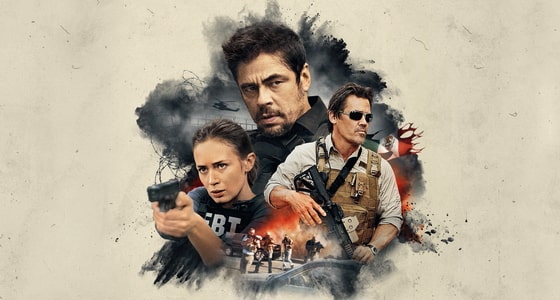
Denis Villeneuve’s memorable directorial work, Sicario, is widely regarded for its superb cinematography, evidently thanks to an iconic cinematographer, Roger Deakins

Read me
This comedy from the 90s indeed has so much to teach us even today, especially in regard to putting high value into what we have in our lives. Mr. Destiny deserves two hours of your life