


 5,00
5,00
Read me
Inferno filming locations
A detailed guide across Inferno movie locations in Florence, Venice, and Istanbul. Robert Langdon is on his way to save the world
FILMING LOCATIONS

The story of James Braddock from ‘Cinderella Man’ lives beyond the boxing topic or the Great Depression setting and rises universal themes of love, family, and friendship
The story’s opening sequence, set in late November 1928, presents James Braddock as a happy person, a successful American boxing star, a beloved husband and father. He finishes his opponents easily, investing thousands of dollars into a prospective business in New York. His house looks like the American dream in the newspapers, with two marble columns at the entrance and a backyard where he can spend time with his beloved wife, Mae, and three children, whose future seems cloudless. Jimmy ‘The Bulldog of Bergen’ Braddock is a media darling in New York and beyond as a heavyweight boxer of great promise, aiming for the world champion title. In contrast to other famous boxing movies like ‘Rocky’, ‘Million Dollar Baby’, and ‘The Fighter’, where the protagonists were raised in the slums of the working class quarters, James Braddock enjoyed a good life early in his career before being thrown back by the world, both in his sports career and as a means for the survival of his family. Let’s delve further into the Cinderella Man character analysis.


The story leaves four years of a rageful ‘Great Depression’ in the United States beyond the frame to knock out the audience with a dispiriting, depressing counterview of the Braddock family’s existence. A large American-dream-like house stood up to a well-worn apartment on the lower ground floor with poor lighting and heating, which could be restricted due to the debts at any moment. Mae waters down the remaining milk and does her best to try to warm her three children in the harsh winter months, while Jimmy fights for several dozen dollars to keep his family afloat. His boxing career turned from a sport into a means of survival, like in primal times, and as a result of a serious arm injury, he is deprived of this only means of earning money. Just a few scenes after the inspiring opening sequence, the main character joins fifteen million jobless Americans and has to rely on rare assignments in the docks, where his damaged arm is not a good helper. In vivid contrast to his past life with the future, his only concern now is to be picked for hard, backbreaking work for a day’s pay for his family.


Apart from his family, which gives Jimmy a sense of life and the power to keep living, he understands that sitting and complaining about being a loser and self-pity would not help him escape their hardships and would not bring food to the table for Mae and his children. One would suggest that the Depression caught millions of other men in the United States, and there was no big deal in manual labor on the city docks. Here comes the first virtue of James Braddock we should speak about: he never shifts responsibility for his life and the future of his kids to someone else. As opposed to millions of depressed and broken Americans in 1929-1933, he never scapegoated his country for the situation to the extent that many others did. Jimmy always regarded the state of things as the result of his actions or inaction. He never complained about the small wages in the docks, but regretted that he could not work more and that his broken hand could limit his productivity. He never hated Mr. Johnston for making a profit out of his fights or for throwing him from boxing after an injury without even a dismissal payment. James never blamed Joe Gould for poor management or training, as well as his empty stomach for the efficiency of the fights. James J. Braddock is a vivid example of a person who would not sit, blame others, and wait for the winds of change. Instead, he gives all his guts if needed.


As stunningly tough as the Depression was, some obvious options for a man with Jim’s physical attributes were never on his agenda. Like Rocky Balboa, he could have become an ass-kicker working for some local mobster or joined any crime gang in New York. For years, Jim indeed relied on his fists, but only as a professional boxer, and after being dismissed, he never considered a criminal way of life, regardless of the challenges. Another example of Braddock’s principles becomes vivid in a scene when Jim’s son is caught stealing salami from a local meat store. James not only taught his son what was right and what was wrong, even in hardships, but also made the boy come back to the butcher and excuse himself. Even considering the poor nutrition diet of the Braddock family that winter, Jim gave his son a clear message: ‘We don’t steal, no matter what’ and he added that ‘there are a lot of people worse off than us’. Of course, that salami sausage probably went to someone with money rather than to the poorest citizens, but the point here is that even in bad circumstances, breaking the law or the laws of morality is not an option. Even facing the hardest challenges, James J. Braddock serves as a guiding star for his children.


Another important issue concerning Braddock during the hardships of the Great Depression was his unwavering devotion to his wife and children in situations when other men, desperate from the lack of work or having a meltdown from alcohol, mistreated their families. In one scene, Mae witnesses a desperate woman who tries to stop her fleeing husband on the street, and she later fears that Jim will also leave her. Even during tough times, Jim tries to be a faithful family man who wants to give his family a better life. He never cheated his wife, Mae, neither in the times of boxing glory nor to escape reality during the Depression. In this vein, he serves as a contrasting character to Max Baer, a well-known womanizer. James never raised his boxing hands against Mae or his children, even compared to his fellow Mike, who was often drunk and mistreated his wife. Jim abandoned the idea of sending his children to relatives and promised his son they would never send a boy away. Despite the pressures of life, Braddock is solid in his desire to keep his family together. While being a tough guy, Jim shows protectionism toward other people; for example, he stops the arguing between Mike and Sara Wilson, thus pleading for a woman in need.

The other important virtue of James Braddock, which I partially discussed regarding his reliance on himself without scapegoating others, is his attitude toward debts. Millions of Americans opted for social welfare during the Great Depression as a means of survival, but only a small percentage of people later gave the money back to the state. Getting back to the claim that James never blames the government or the state for his hardships, he still believes that he lives in a great country. In a situation where many regarded social relief as throwing a bone at people by the state, Jim later claimed that he loved his country and was pleased that the United States helped him in the darkest hour. In a more practical personal sense, Jim despised the feeling of being in debt to someone, that taking money from others as charity hurt him and ate him from the inside, but there was no choice. When he got his second chance, Jim paid his debts and felt happier. In the end, we find out that James Braddock courageously fought for his country in WWII and did much for New York and its citizens.

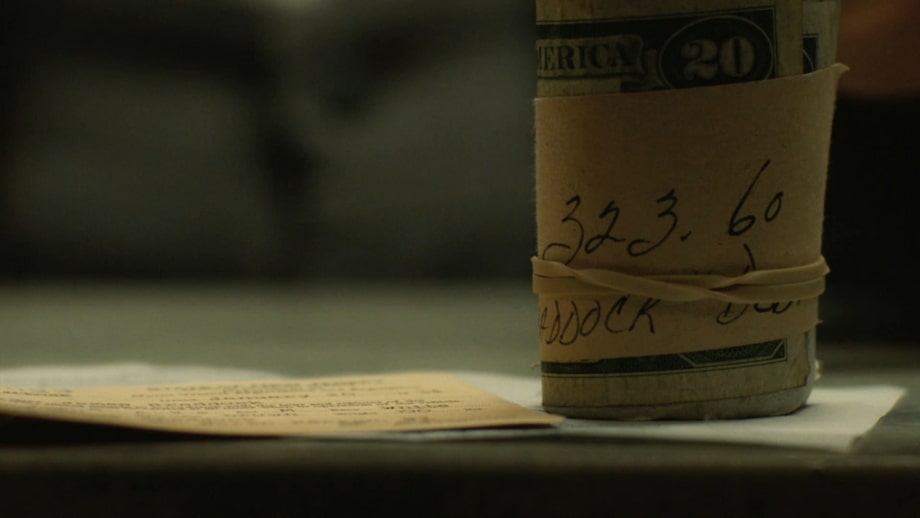
Either in the beginning, during his hard times as a second-rate boxer, or with his rise as a contender for the title, James always respected his boxing opponents. The movie draws a line between him and the antagonist Max Baer, who is shown as a man disrespecting other people’s lives. When Jim breaks his arm in a fight in 1933, he never blames his opponent for the accident because boxing is a dangerous way of living. Even when Max Baer openly insults the Braddock family, tries to humiliate Jim, and pisses him off through Mae, James keeps his mind cool and it is Mae who shows the offender his place. Even in the ring, when Baer stoops to doing dirty boxing with Braddock, the latter stoically goes through the fight, and the person who voices swears is Joe Gould, Jim’s manager and trainer. When James J. Braddock finally gets his title against Baer, the latter shakes his hand, thus admitting the coming of a new champion and showing Braddock respect. Getting back to Mike, Jim takes care of his family and risks his life in the park even after his friend provokes Braddock while being drunk. James not only remains faithful to his family and friends but also to other people, who may not be as companionable as he is.

There is no doubt that Cinderella Man is a story about family giving all you have and believing in the sake of the people you love. Any boxing story could serve as a vivid reminder of professions where money comes with pain, hard work, and danger to or loss of life. When we see James Braddock, a successful sportsman and businessman in 1928, without doubt, he had his hard times and challenging years before moving to a beautiful house with white columns. Before the Great Depression, he worked hard for his family’s wellness, but after 1929, his efforts were never enough to reach even basic comforts like heat, electricity, and food in a basement-like apartment. His ambitions for becoming a boxing star made a place for a pragmatic everyday challenge to put a loaf of bread and a slice of cooked sausage on the table for Mae and his three children. In the most touching scene of the whole story, Mae mixes milk with water, while Jim sacrifices his feeble portion to his hungry daughter. A mature man who needs thousands of calories to exist and to keep working in the docks and the boxing ring gives his last piece to a child. Later on, James Braddock admits to journalists desperate for big words and cover stories that he fights for the milk for his children. Not for world fame, women, a larger house, or a newspaper run with his name, but for his family’s basic needs.


Most people underestimate the fact that Jimmy had to tear his pride to pieces for the sake of his family in the boxing ring and beyond. Between 1928 and being a rising star and a title contender 1933, he lost his career to opponents who were better fed and trained and probably had no families to care for. Sports journalists like Sporty Lewis crucified Braddock in the media coverage, grinding out his self-esteem and former achievements. Big shots like Mr. Johnston take advantage of all that is left from James Braddock to earn a few hundred dollars, of which he gives fighters only a few dozen. It is generally incredibly humiliating for a man to go through such an attitude toward other people, not to mention the disrespect of the audience who throw food on the ring because they are not satisfied with how two tired and hungry men beat each other. When Jimmy seriously hurts his arm during a fight, he is left by Johnston without payment and the only way of living, and with accusations of disgraceful boxing performance.

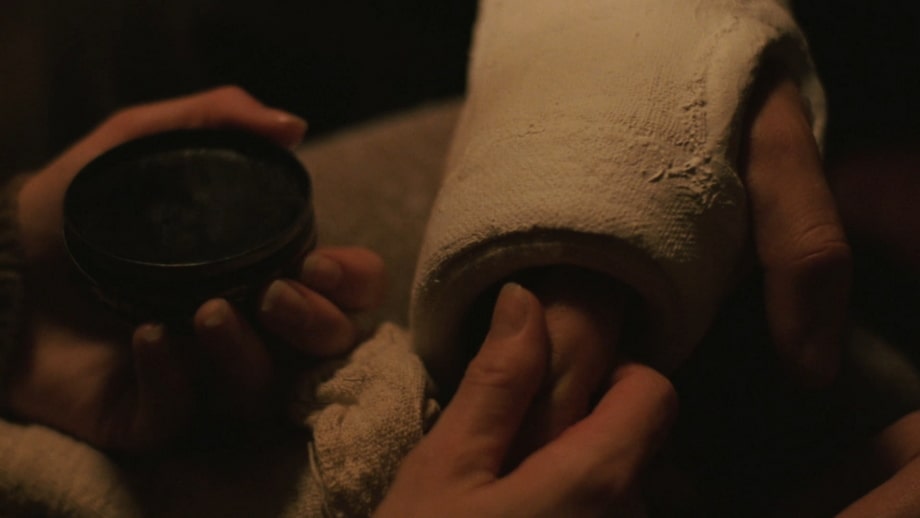
Jimmy hides the last shattered fragments of his self-esteem and honors the same way he masks the broken arm with shoe polish to opt for work in the New York docks. He never mentions his former achievements until Mike understands that his partner is a former boxer, James J. Braddock. Every morning, he comes to the gates of the docks and seeks a chance to earn a few dollars like dozens of other men without work who desperately come here with empty eyes. He risks his arm with a chance to become an invalid by not giving it time to curing. When the situation becomes desperate for Jim, he takes another humiliation for the sake of his children and opts for public assistance without saying a word of excuse. He had always been an independent man, the father of the family, but now he has to ask for money from people he knows. He comes to a boxing office and begs for money to get his children back from people like Johnston, the journalists who treated him badly, and finally from Joe Gould. With tears in his eyes, Jimmy excuses himself for embarrassment in front of his friend, begging for a dollar and a half—all this for the sake of his family. After the milk mixing, this is probably the most difficult scene to watch in the whole movie, which symbolizes the bottom of life, which Jim reached. Joe Gould answers with, ‘What in the hell do you have to be sorry about?’
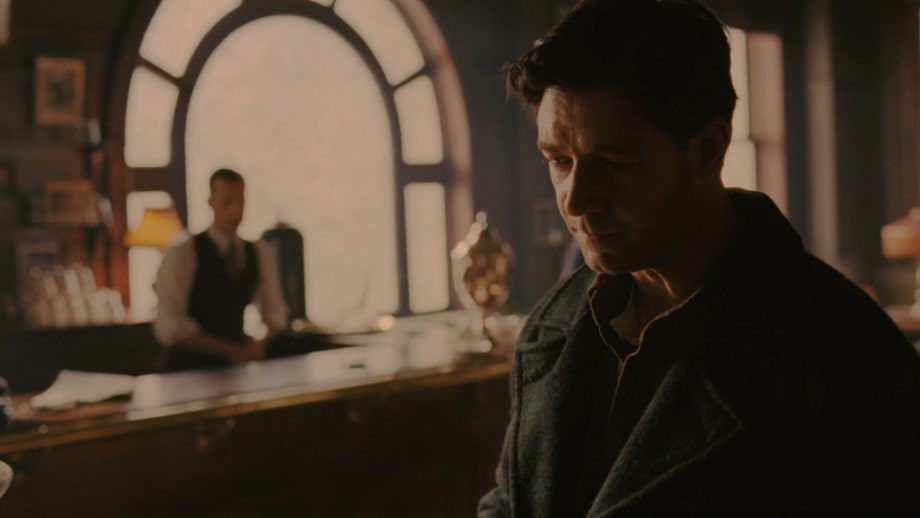

When Joe Gould comes to Jimmy in the summer of 1934 to offer him a fight with a number one contender, Corn Griffin, Jimmy takes that chance as a means to ease the life of his family, since even the loss in the fight grants him $250, an enormous sum for the Braddock family and most Americans at the time. Above all, as an experienced boxer, Jimmy was never knocked out of the ring, and this makes him a potentially interesting news piece since all expect Griffin’s triumph over the underdog from the slums. When it comes to the fight, even Jim’s name is mistakenly written on his boxing robe, rubbing in the fact that he is only a one-night stepping stone for a young star. To make Braddock’s upcoming unexpected victory even more impressive, we find out that Jim came to fight the second-best boxer in the world on an empty stomach because ‘they ran out of soup on the line’. Despite the obvious abyss between Corn Griffin and him in the level of training and nutritional diet, James Braddock beats the №2 heavyweight.

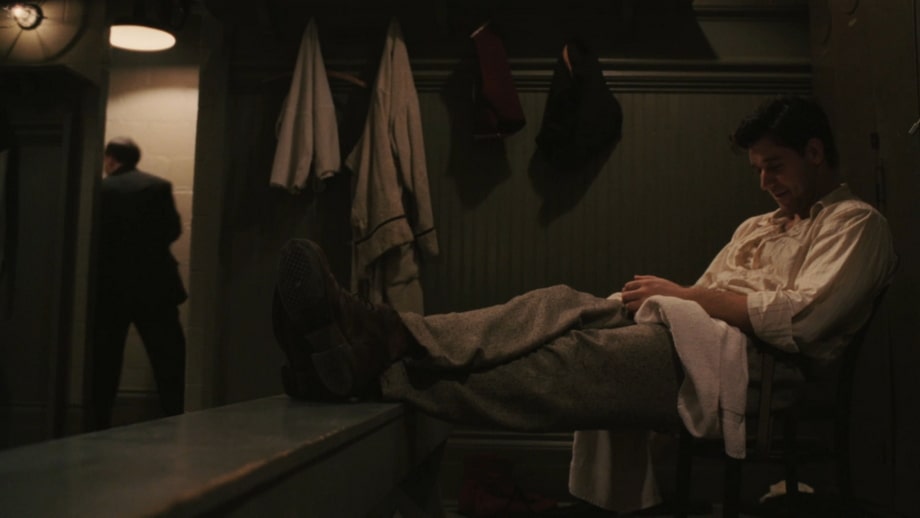
There is one small detail that is generally missed in the discussion of ‘Cinderella Man’: Jimmy’s broken hand and boxing reeducation for using the left one. Back in the days of his injury in 1933, the loss of his right hand in boxing meant a catastrophe for Jim, losing his job in the ring, difficulties in obtaining any physical job, and maybe even disability in the worst scenario. On the other hand, every cloud has a silver lining, and the fact that Jim had to rely on his left hand in the docks, in the end, made him an unexpectedly better boxer who can now be equally effective with both arms and who has a powerful jab in his arsenal. There is another important scene during the fight with Art Lasky when Jim is hit so hard that his mouth guard is knocked out. At this moment, he sees the reminiscences of the slum life and the hardships of his family in the last five years. The bleeding Braddock picks up his mouthguard from the dirty floor, which makes Art Lasky lose his overconfidence and a feeling of dominance against the underdog opponent.
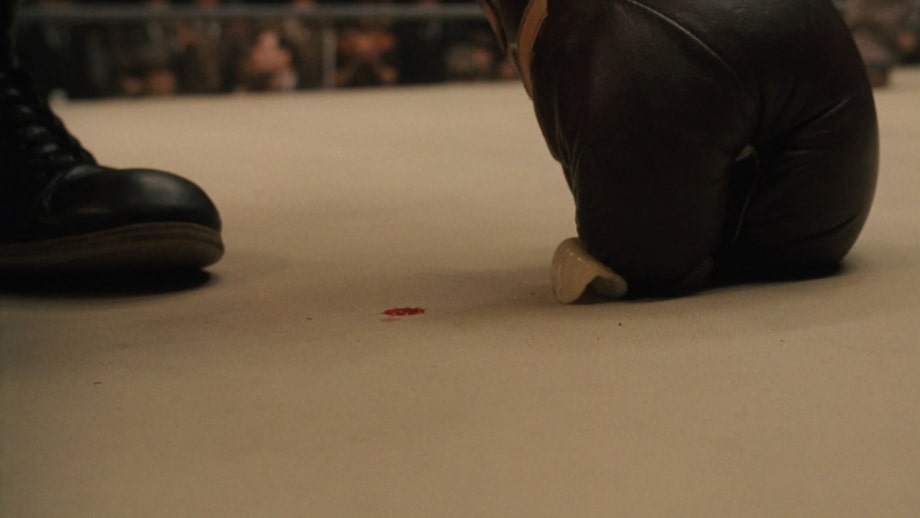
While Jimmy regarded a fight with Corn Griffin as a means to earn an enormous $250 for his family and pay debts, an unexpected triumph resumed his confidence as a boxer and as a man, and he understood that there would never be another chance for him, Mae, and their children to climb out of poverty. He needed to win every fight to secure his family’s future with enough milk for the children. When Joe Gould sells his last piece of furniture for Jim’s training, Braddock finally gets a chance to focus on boxing preparations; he is fed properly for the first time in years, and his constantly undertreated right hand does not bother him so much. In contrast to the 1929 version of a boxer, James J. Braddock does not rely anymore on his talent and youth but invests all his strength and power of will into every fight with younger opponents. It is safe to assume that his experience over the last few years made him a better sportsman. Jimmy regarded every new fight as the only chance in a way similar to the uncertain work assignments in the docks, when there was no certainty whether you got the job today or your family would lack food on the table. For millions of Americans who experienced the Great Depression, James Braddock became a symbol of the second chance, of a person who can get out of poverty after all the challenges. He is now a star among the Irish-American neighbors, who come to the church to pray for their underdog hero.
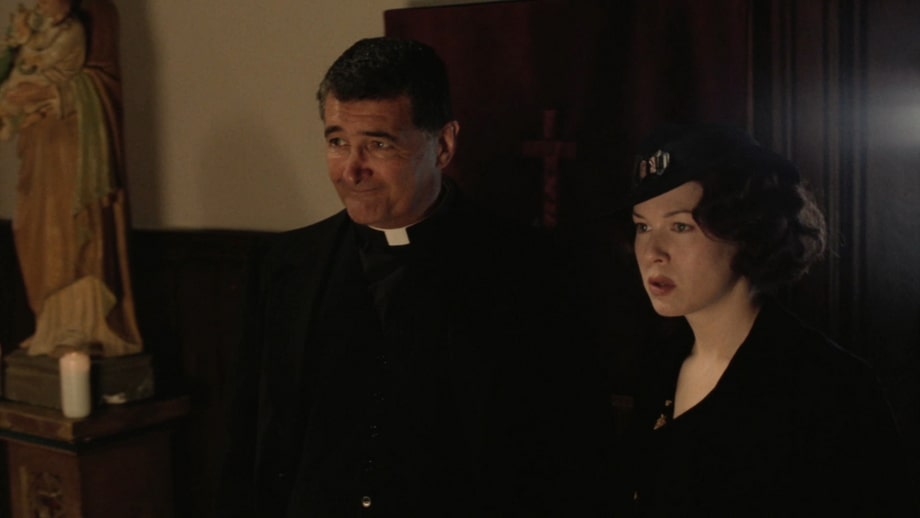
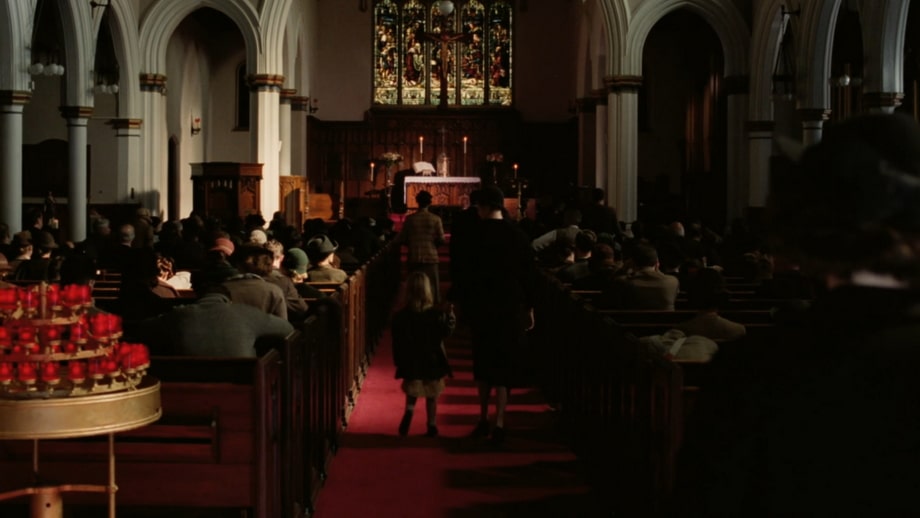
Joe Gould is a nuanced secondary character who brings humanness to the story. Opposed to Mae’s temporary suspicions toward the trainer’s ambitions, Joe is shown as a friend and a protector of Jim, his loyal support even in the hard times. He did not lose his apartment in 1929, but Joe’s life changed dramatically with the outbreak of a financial crisis, and the reason why he looks less poor than Braddock is simply because he did not have three children to care for. This character made his journey from a coach in the boxing corner to a family friend, for whom Jim’s revival means a lot beyond financial benefit. Jim’s resurrection from dust is the second chance for Gould as well, a man who sold his last furniture to make money for Braddock’s training. Like Mae, he has always kept faith in his protege and friend and has not abandoned him in times of setbacks, literally jeopardizing his career for the sake of Braddock to help the latter climb out of poverty. Just before the champion fights with Max Baer, Joe admits that ‘it has been an honor’.


Mae Braddock is as much an admirable character as Jim is, though her home front is less visible to the audience than her husband’s. It is reasonable to say that she is a wife in need who remained faithful to her family in the darkest moments of their lives during the Great Depression and never blamed Jim for the loss of their wealth in 1929. Back then, she could live a more measured and calm life doing the housework and parenting. After the crushing of their previous lives, Mae took more and more sewing as a means of survival, and she became very flexible (remember the milk watering scene). Mae Braddock preferred not to watch the fights of her husband because she worried too much about his life and safety. Shortly before the fight with Max Baer, she reveals to Jim that she had begged for the moment that he could not do boxing anymore, but the situation was too hard to cope with without Jim’s skills. It was an act of love rather than a lack of faith, and Mae is very proud of her husband with all his new wins, though she is still afraid for his life, especially against Max Baer, who bullies Braddock with warnings.


Mae does not give Jimmy a blessing for his champion fight, but later she feels ashamed when she finds out that so many people pray for Braddock, and her children listen to the radio broadcasting against her will. She had been the greatest supporter of Jimmy, but it was hard for Mae to cope with her fears for years. She said, ‘Every time you get hit, it feels like I’m getting hit,’ but she also admits that ‘he is the champion of her heart’. It is important to note that Mae reconsidered the career of Jimmy and his latest fights after a visit to Joe Gould’s former luxury apartment. She previously thought that Joe was taking advantage of James without regard to his safety, but it appeared that Joe Gould had always been a devoted friend and partner, who gave his last money for Jimmy to train. In this means, her view of the men of the big sport as profiters and manipulators seems to need alteration.
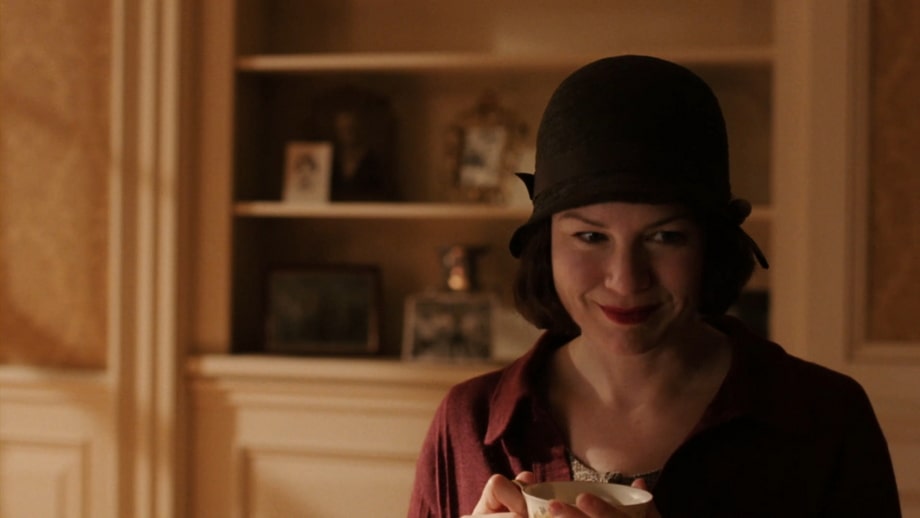

The story contrasts Mae’s decision to send the kids to her father and sister with Jimmy’s determination and promise not to split the family. On the other hand, her decision was reasoned by the state of things, and three children were exposed to the risks of diseases and even death. Maes does whatever she can for the future of her family. Their marriage serves as a self-speaking example of a devoted and deep-rooted relationship between two people who withstand any challenges together. They have a healthy dependence on each other and a sense of mutual respect and commitment to each other and their parenting. If we get back to Jim specifically, a marriage with Mae keeps him afloat regardless of the miscarriages of the Great Depression, the rises and falls of his boxing career, and health problems. Cinderella Man gives an insightful portrayal of just how much a person can achieve being backed by a family and the extent to which love can serve as a source of inner strength, even in the darkest times. This support goes wider to Irish-Americans in his neighborhood and to millions of people who lived through the 1929-1933 years.
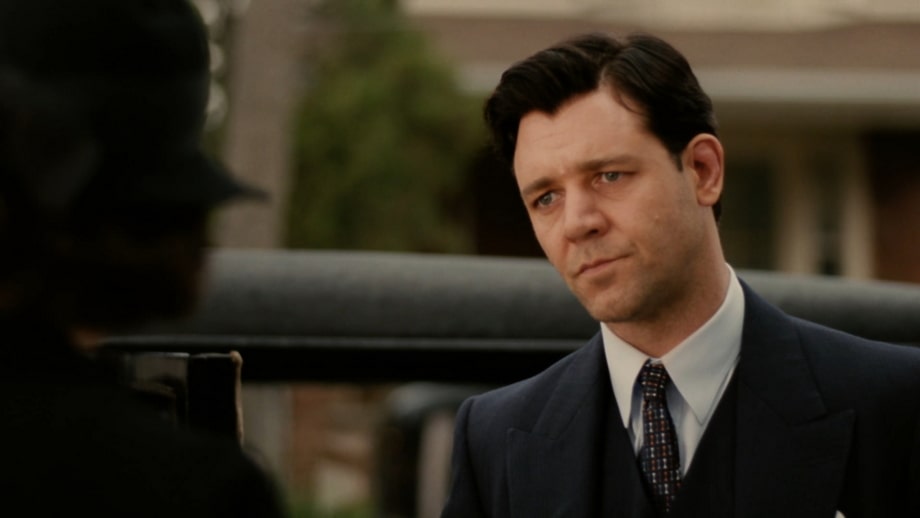
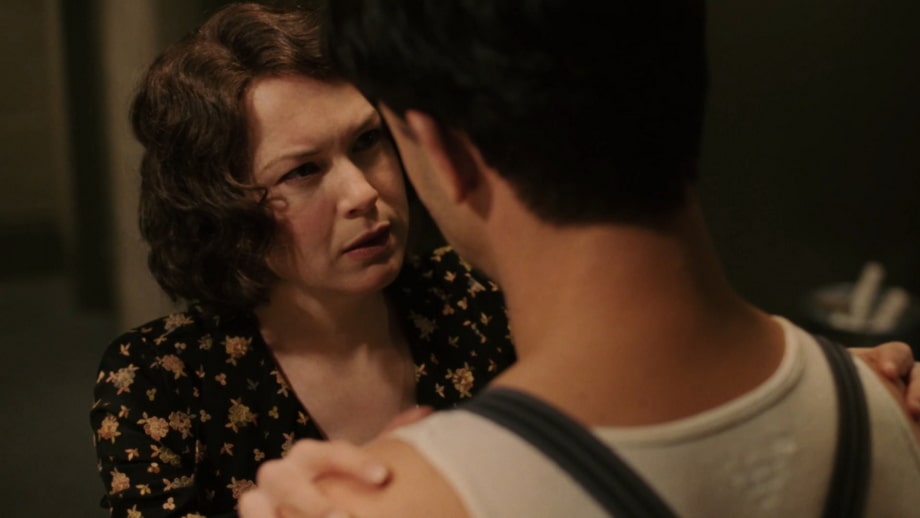
Jimmy’s main driving force is his love for his wife and children. She supports his fortitude and will to live and develops perseverance and confidence in him. He does not give up in the most desperate moments of life, and Jimmy takes this experience to the ring, where incredible efforts of will and spirit are required from him. It is unlikely that he would have been able to win relying only on physical strength. In the end, he overcomes the hardships and his boxing opponents not in the pursuit of glory or wealth, but because he would be happy with his family next to him. Above all, Braddock’s return to the ring as an underdog aging boxer is a strong metaphor for the revival of the United States after the dark years of the Depression, a chance for everyone to have their second shot. His unexpected victories give people hope, and in this vein, Cinderella Man uses boxing to investigate more nuanced themes of our society. The movie is so powerful not only because of its historical background but also because, even almost a century after the spoken events, it bears universal motives in our lives. Like ‘Million Dollar Baby’ and ‘The Fighter’, it is a sports movie that doesn’t rely much on boxing.

Read me
A detailed guide across Inferno movie locations in Florence, Venice, and Istanbul. Robert Langdon is on his way to save the world
Read me
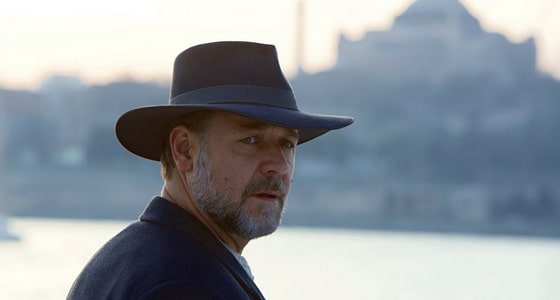
This historical drama The Water Diviner with Russell Crowe took great advantage of the Istanbul scenery and some of the city’s key historical landmarks

Read me
The fourth movie of the Mission Impossible series, Ghost Protocol, comes back to Prague fourteen years after the first film and gives Ethan Hunt more space for action.

Read me
Character analysis of one of the brilliant pieces of modern philosophical dramas in cinematography: American History X

Read me
Sophisticatedly detailed walking tour across the Da Vinci Code Paris filming locations with the history of the places and Robert Langdon’s journey in finding the truth

Read me
An enthusiastic walking tour along the main Indiana Jones and the Last Crusade filming locations in Venice, Italy. Indy and Marcus arrive in Venice, Hotel Danieli, Barnaba Church, the Grand canal and the boat chase scene