


 4,60
4,60
Read me
Whiplash character analysis
Whether some find inspiration in this story and others are frightened by its villain character, Whiplash characters test the line between ambitions and making sacrifices for success
MOVIE EXPLAINED

Significant romantic book “The Light Between Oceans” by M.L. Stedman describes love and betrail on solitude Janus Rock island near Western Australia
Tom Sherbourne is a former soldier, now a Great War (First World War) veteran hero, who returns home to Australia. He is offered to take a temporary vacancy as a lightkeeper at the Janus Rock island on the Western coast of Australia. The lighthouse between the Pacific and Indian Oceans provides signals to the ships. Just before leaving the dryland for the next six months, Tom Sherbourne meets a young, tiny girl, Isabel Graysmark. The couple spends a day together and then continues to share their lives using rare mail connections between land and the remote location. The feelings only strengthen with the distance—Tom and Isabel become husband and wife, and they move to take care of the lighthouse. The young couple is satisfied with a new life and waits for a child, as Isabel is soon pregnant. Isabel suffers from losing her unborn children more than once and loses her faith in life and love. Once, a small boat washed ashore on Janus Island with dead young men and a crying small child. Within the fight between moral and professional duties on one side and a burning desire to live fully, Tom and Isabel decide to hide the accident and keep the child.

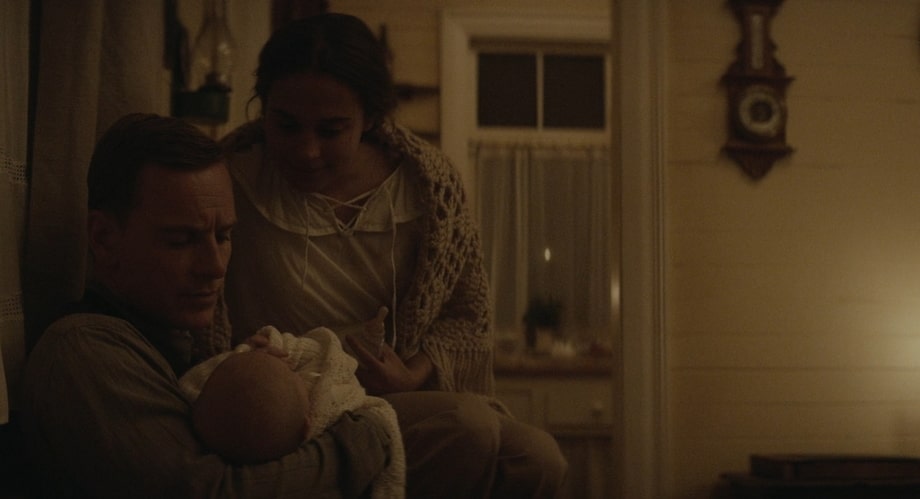
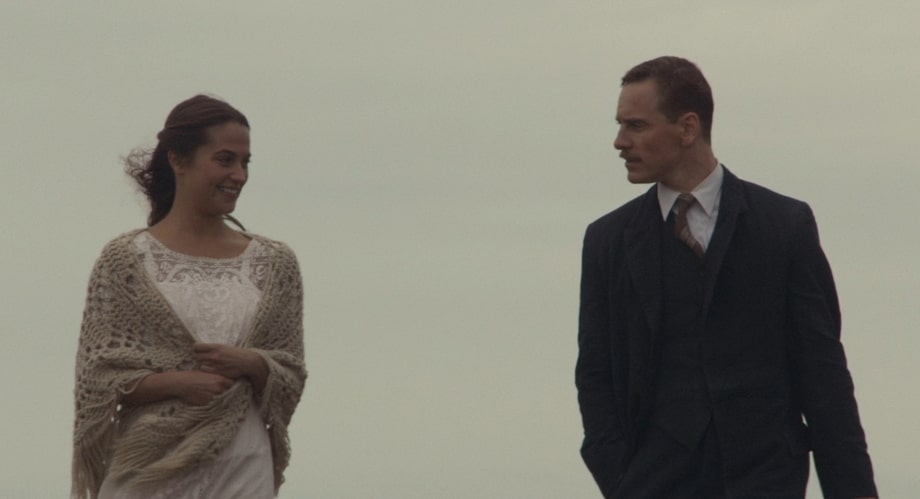
ML Stedman‘s The Light Between Oceans story intensifies, and we understand that its characters are not to be divided into ‘good’ and ‘bad’ when they face a vital conflict. Into those who do “right” and those who do “wrong”. The beloved couple bears a poor resemblance to classic literature characters of the past. They are more generalized composite characters of books. Isabel has rival parts from Jane Austin’s books, and Tom symbolizes a melancholic veteran of the Great War who creates a kind of barrier with the outside world, but he does not tend to philosophy as Erich Maria Remarque’s characters.

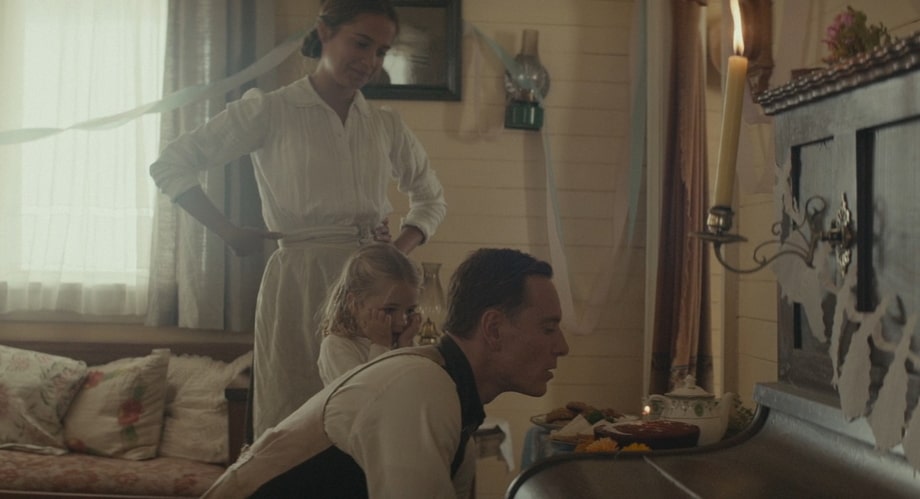
What makes book characters so lively and dramatic is a complex summary issue. Tom and Isabel are as open to the weakness incident to human nature as the others. It is generally easy to make theories about what is right and wrong and what is good and evil when you just read someone else’s story within convenient conditions of not making really tough decisions. M.L. Stedman constantly interferes with the reader’s zone of comfort zone in her book. You will probably feel your skin crawl while reading how Isabel suffers and loses her child in an act of helpless drama.
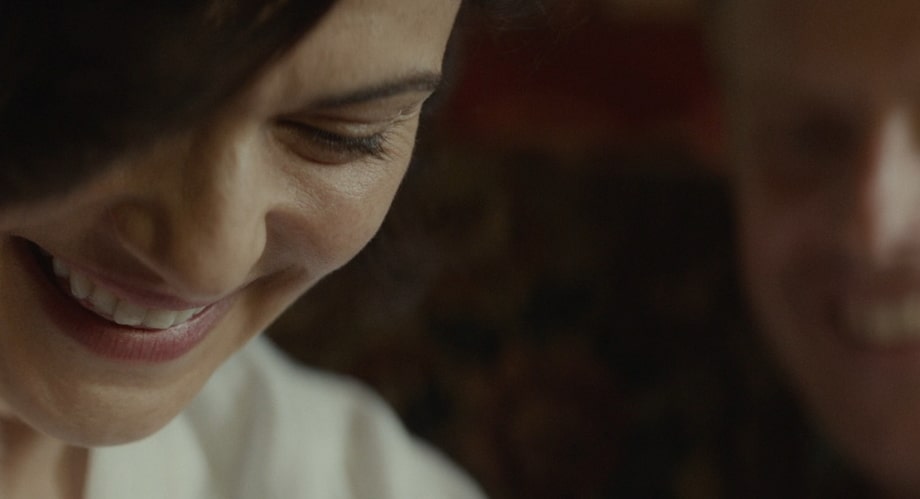
Despite the obvious fact that Tom and Isabel fulfill 80% of the plot, the second-place characters are also alive and at times compel the reader’s full attention. Hannah Roennfeldt (Potts), who lost her husband and her child, easily grabs the biggest piece of the pie in her chapters in the book. She becomes the protagonist of part of the story. These chapters additionally help us to be distracted from the main plot with Tom and Isabel and estimate the very core of the conflict for a better life for a child.
Even though the real Janus Island exists and is located near Antarctica, the location in M.L. Stedman’s book and the movie is fictional. This piece of land is literary located near Western Australia, within the relative border between two oceans: the Pacific and the Indian. Tom Sherbourne, a new lightkeeper of the Janus lighthouse, does his best with his new responsible job. The constant work of the facility is a matter of great importance for him, even compared with the war past. Tom even runs up a flag when a ship goes near the island and its lighthouse.
The first chapters of the book deal with Tom Sherbourne himself, being the only man on the far Janus island. He uses this multi-month solitude and isolation to deal with the war past of the Western Front. Tom prefers to escape more than greetings as a war hero. After a short geographic prelude, a reader delves into the isolated atmosphere of a piece of land between two oceans. The story is not about a survival story like Robinson Crusoe, but it is extremely exciting to read about a man who adapts to the extraordinary conditions of isolation.
After Isabel becomes Tom’s wife, the island now deals with one more living being in the person of a picky girl. The young couple, satisfied with their life on the island of only one square kilometer, make a map with marks. The Sherbournes have intentionally distanced themselves from the blessing of civilization (the 1920s) and have chosen solitude. It must be said that there is no more solitude than when they are a couple. Sherbourne’s family spends time working, walking, having picnics, reading, playing piano, dreaming, and feeling joyful in everyday living. This initial part of ‘The Light Between Two Oceans’ book is more like a family romantic reading.


All the events of the book describe the period after the First World War. The novel initiates its story in 1926 with the main plot twist and then turns to a classic linear structure. Tom Sherbourne is being interviewed for a job at Janus Lighthouse in December 1918, only a month after the last gunshot in Europe. Within the last 400 pages, we receive very little information on Tom’s war experience. Some parts of a novel deal with the author’s commentaries, another with Tom’s retrospective, another with a third-party opinion. The author constantly touches on bleeding themes of war through the pain of a little town, Partageuse, in Western Australia—young men had not come back home. Even Isabel herself lost two brothers in the Great War—it broke the hearts of her parents.
Romance and melodrama step forward within the story. Complete love and understanding make a strong contrast with the difficulty of the moral decision and inner principles after revealing a boat in an ocean. When Tom and Isabel face significant conflict, with a catastrophe in relationship, their union breaks apart. But not a cause of fragility or insincerity, but the life itself—author M.L. Stedman emphasizes it brilliantly. Speaking about the detective part, we receive a complete image of events in the very beginning, but details remain important. The investigation almost ignores the participation of the main characters.
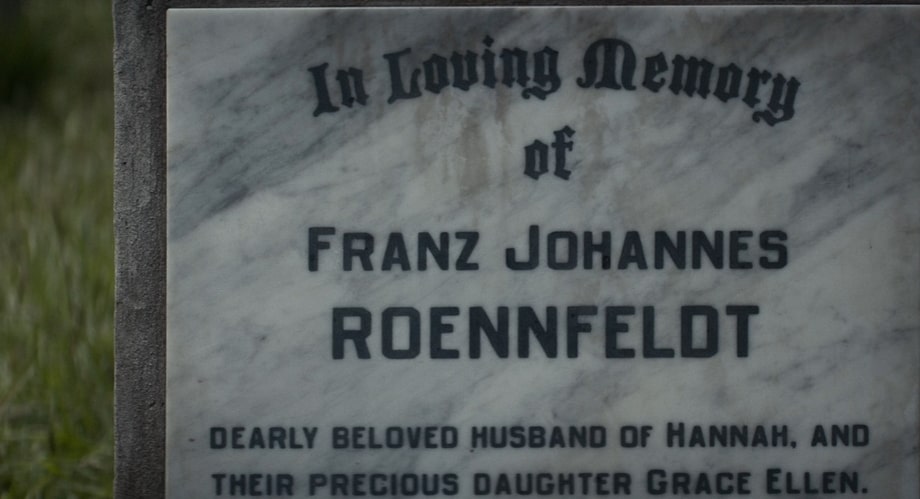
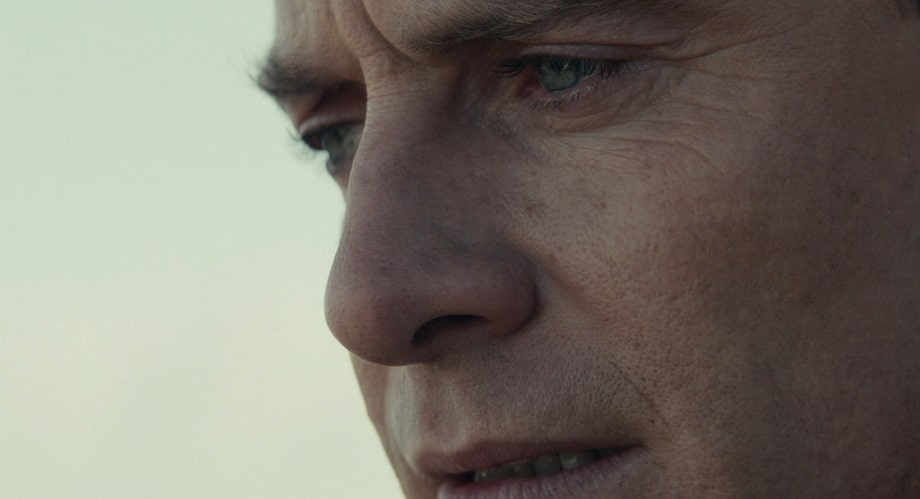
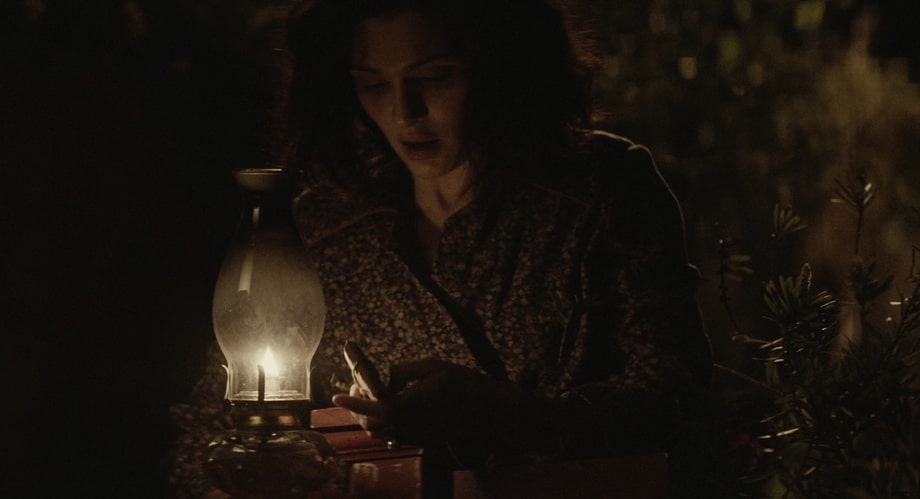
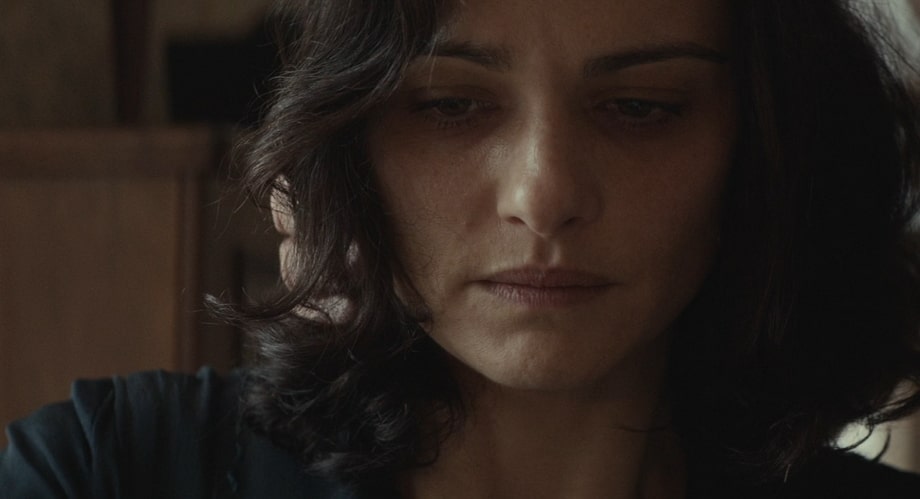
Summer 2014 has revealed some information on a future movie adaptation. Michael Fassbender obtained the role of Tom, a lightkeeper on the Janus island. Alicia Vikander agreed to depict Isabel Graysmark, a complex dramatic character, and Rachel Weisz chose a part of Hannah Roennfeldt (Potts). Principal filming was initiated in September 2014 and was mostly located in Western Australia and New Zealand. By this means, the movie came to life in the homeland of its book characters. Urban scenes of Partageuse were shot in Dunedin (New Zealand) and its suburbs, also in Chalmers, Slam Port Town, and Australian Stanley. Speaking about the depiction of the Janus rock island, filmmakers used Campbell Cape and the local lighthouse. The process of montage and creation of music lasted for another year, with the premiere in September 2016. The real Janus Island near Antarctica was not used as a location.
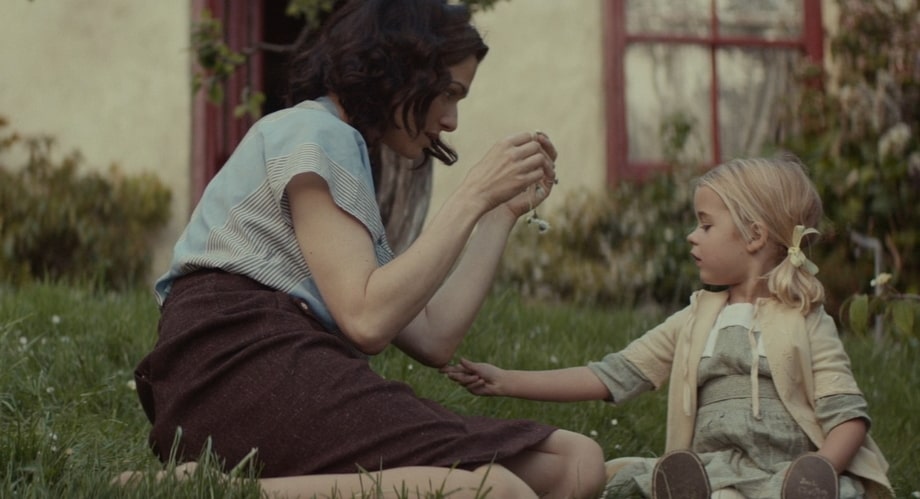
The Light Between Oceans movie has become one of the best book adaptations and romances over the years. M.L. Stedman’s novel came alive and depicted both the sense of beauty and confrontation and conflict of the plot, the tragedy of destinies. The movie provokes admiration for taking locations and daylight. Two main characters, Tom Sherbourne and Isabel Graysmark, have a picnic on the beautiful coast of Western Australia. The stunning landscapes form the essence of Romance and Drama at the same time. All sundown scenes deserve their montage after the movie. The movie has not become a complete repeat of the book and depicts the story and tragedy in its own way. Michael Fassbender and Alicia Vikander (a couple in real life) gave their fascinating role-playing to the characters, and after watching the movie, they emotionally symbolize Tom and Isabel.
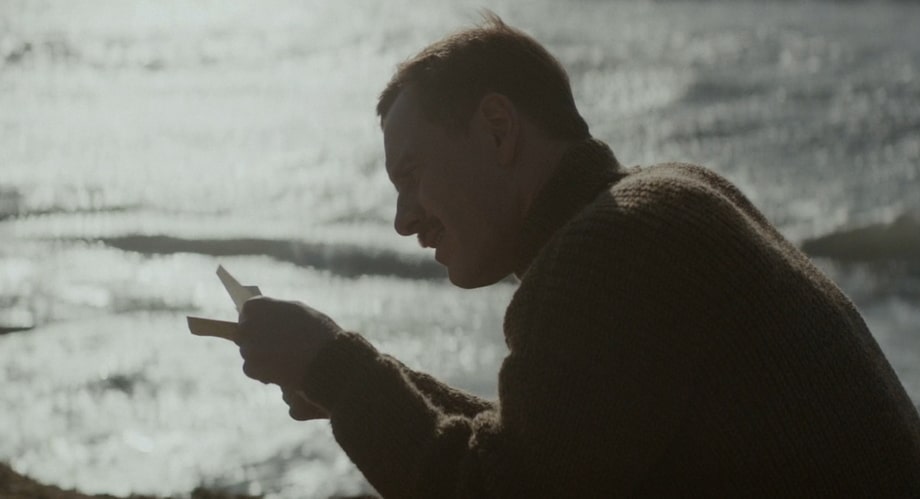
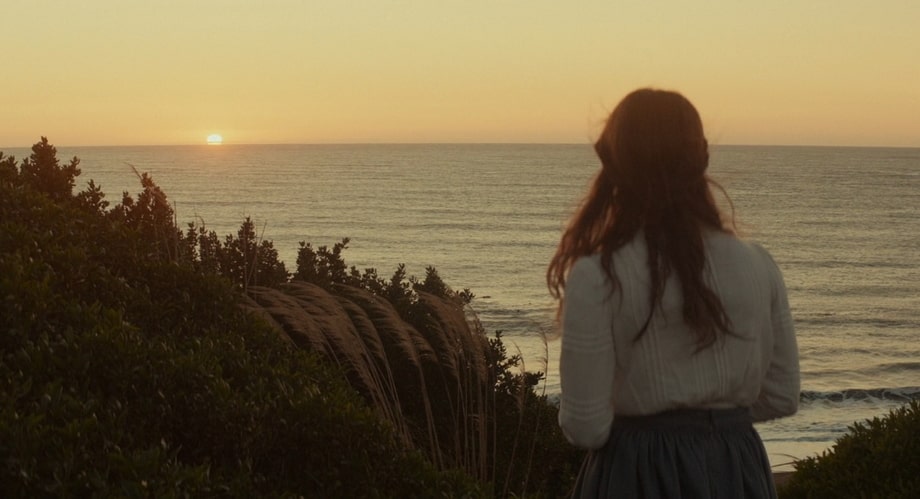
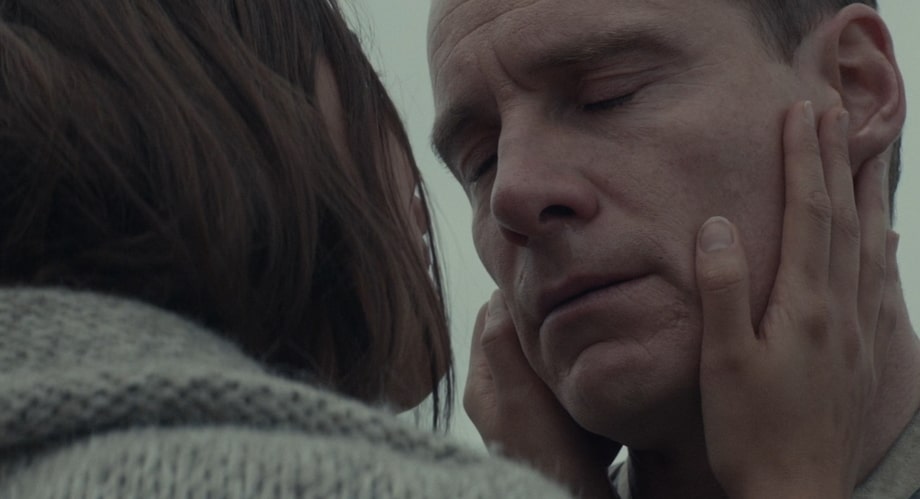
Despite inevitable minor differences, both the book and the movie deal with the same main storyline, and major events are pretty much the same. After revealing the fact that the Sherbourne family took the baby from a boat, Tom is accused of kidnapping, violating his duties as the Janus Island lightkeeper, concealing the truth on the occasion, and possibly murdering Frank Roennfeldt, who was a German. Isabel now hates her lover-husband for revealing the truth. Thus, she has shared her life and heart with this man; she now can’t forgive him—her only child, Lucy (secretly adopted Grace Roennfeldt), was taken from her by the legislature forever. Isabel’s whole world has been broken by her husband, and he is the only person she blames for all that has happened. Tom Sherbourne is now under investigation in a prison cell, and he tries to convince all that he decided to keep a child and conceal the truth about the accident on Janus Island and the body of Frank Roennfeldt.
During the same period of tragic events in the Sherbourne family, Hannah Roennfeldt (Potts) can finally be with her daughter, Grace. But she is a strange person for a 3-year-old. Lucy/Grace constantly cries and does not want to see her real mother, begging to return her to her, as she understands, real parents Tom and Isabel. In the book, Hannah can’t forgive Sherburne, but she finally decides to leave the past behind and set them free. She takes all her accusations back and asks the law to be generous. In a movie, Hannah (Rachel Weisz) comes to Isabel and offers her a deal—Isabel will say that Tom killed Frank Roennfeldt and will have some access to a child. First, Isabel admits this decision, but at the final moment, just before her husband is transferred to prison for the death penalty, she rejects all the lies about what has happened with Frank Roennfeldt.
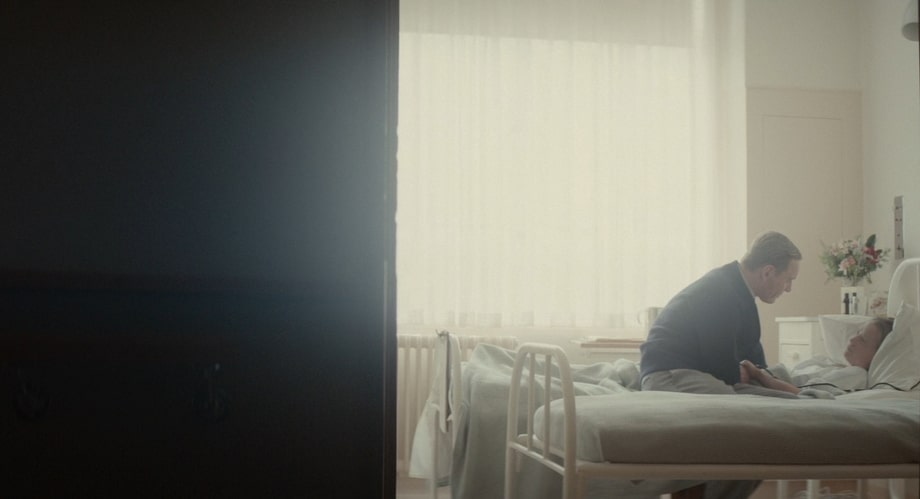
Both the book and movie give us a kind of epilogue, of course, with a more detailed variant in M.L. Stedman’s novel. After all the events, the Sherbourne family leaves Partageuse and moves far away from this place to leave all the drama behind. Isabel, unfortunately, did not give birth to a child in the future. In 1950, when Isabel had already gone, a young girl came to Sherbourne’s home. She has turned out to be Lucy/Grace Graysmark/Roennfeldt now with her child, a son named Christopher. They have a very warm conversation with Tom, the girl thanks Tom for all they have done for her years ago. It is obvious that Lucy / Grace now finds the ground to come home. To give her a box, left by Isabel, in the hope of being taken by Lucy. The girl reads the words on paper. Words of love.

Read me
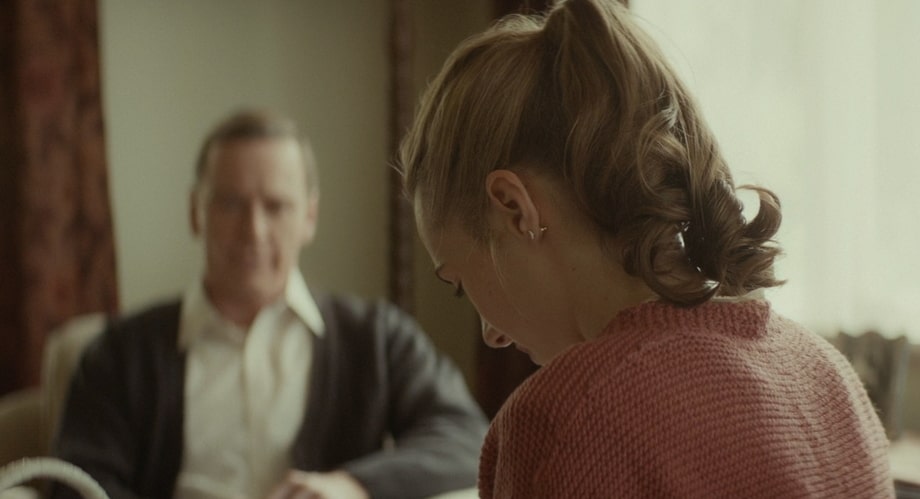
Whether some find inspiration in this story and others are frightened by its villain character, Whiplash characters test the line between ambitions and making sacrifices for success
Read me
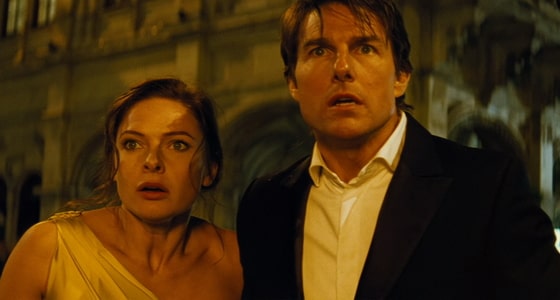
After franchise’s journeys, Mission Impossible Rogue Nation takes us among other places to incredible Vienna locations, particularly to the Vienna State Opera House
Read me
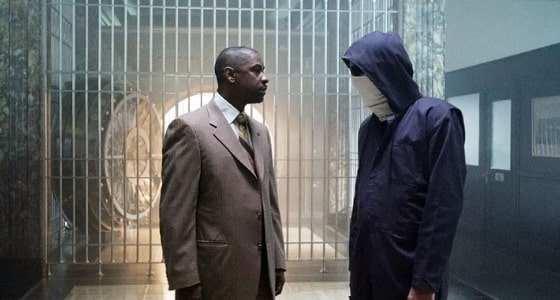
Spike Lee’s Inside Man with Denzel Washington still remains one of the best-recognized hostage-taking movies with tricky plot, multi-level characters, and an open ending

Read me
Let’s deepen into the character of Richard Kimble, a semi-iconic movie protagonist from ‘The Fugitive’ movie with Harrison Ford

Read me
A detailed guide across Inferno movie locations in Florence, Venice, and Istanbul. Robert Langdon is on his way to save the world

Read me
The story of Interstate 60 personifies the journey that each of us should early or later take to suit one’s existential coordinates